Since the start of lockdown, more of us have taken to our bicycles, grown our own vegetables and baked our own bread. So it’s not surprising it has been suggested we should use this experience to rethink our approach to the climate crisis.
Reading some environmental literature – sometimes called “eco-literature” – can also give us the opportunity to think about the world around us in different ways.
Eco-literature, has a long literary tradition that dates back to the writings of 19th-century English romantic poets and US authors. And the growing awareness of climate change has accelerated the development of environmental writings.
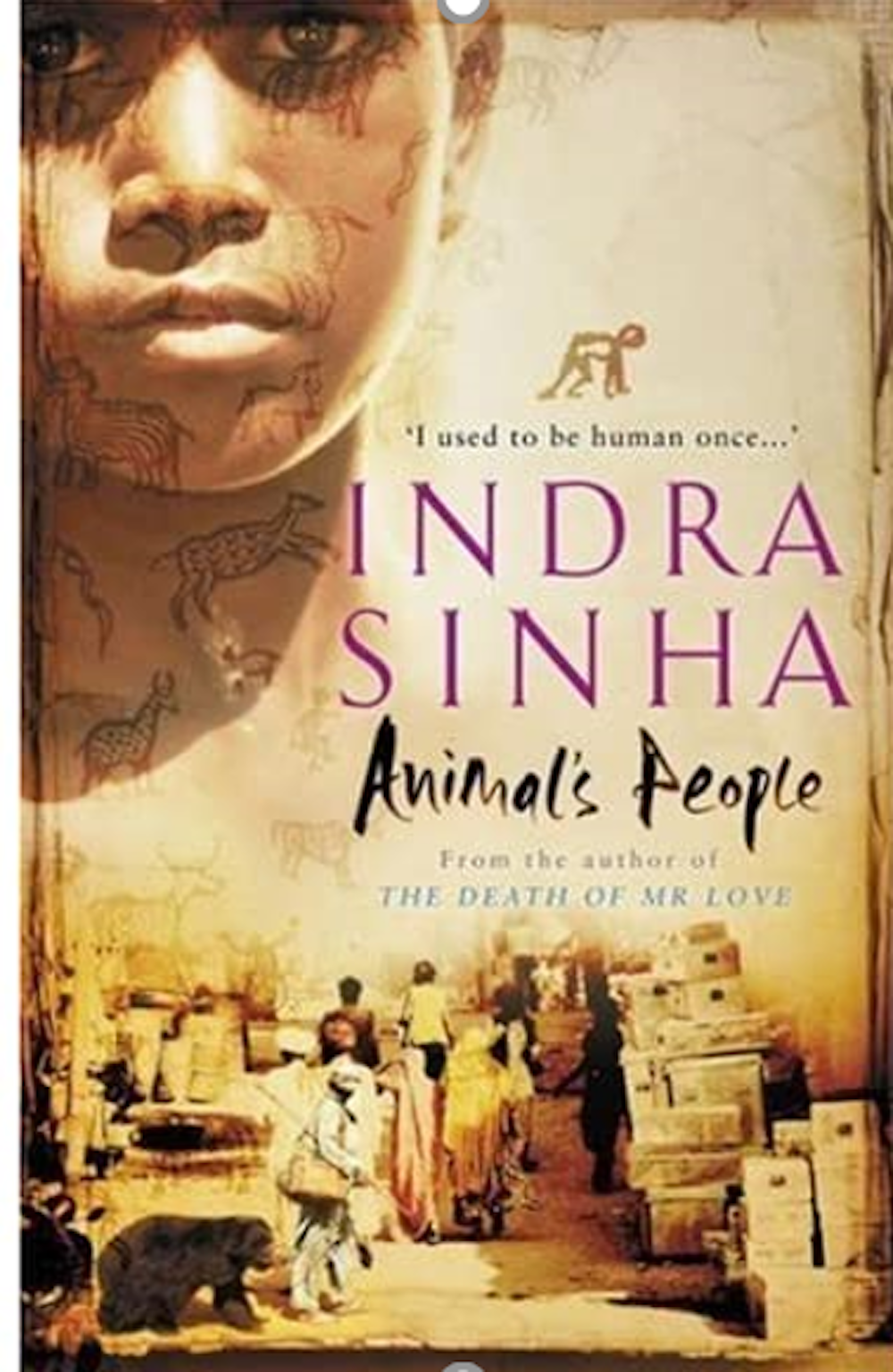
Indra Sinha’s Animal’s People, looks at the Bhopal gas explosion in India – one of the most horrific environmental disasters of the 20th-century. A poisonous gas leak from a US-owned pesticide plant killed several thousand people and injured more than half a million.
The main character in the novel, Animal, is a 19-year-old orphaned boy who survives the explosion with a deformed body. This means he must “crawl like a dog on all fours”. Animal does not hate his body, but embraces his animistic identity – offering an unconventional non-human perspective.
With this wounded “human-animal” figure, Sinha puts forward his critique of India’s postcolonial conditions and demonstrates how Western capitalist domination continues to damage people and the environment in contemporary postcolonial society.
Ruth Ozeki’s novel intermingles themes such as motherhood, environmental justice and ecological practice to explore the appalling use of growth hormones in the US meat industry from a feminist ecocritical perspective.
The novel employs a “documentary” narrative mode and begins with a TV cooking show – sponsored by a meat company. While filming the show, Jane Takagi-Little, the director, encounters a vegetarian lesbian couple who reveal the ugly truth about the use of growth hormones within the livestock industry. The encounter motivates Jane to undertake a documentary project to uncover how growth hormones poison women’s bodies.
Through a deliberate choice to make all her main characters female, Ozeki draws her readers’ attention to nonconforming, atypical female figures who rebel against social or cultural norms inherent in patriarchal capitalist society.
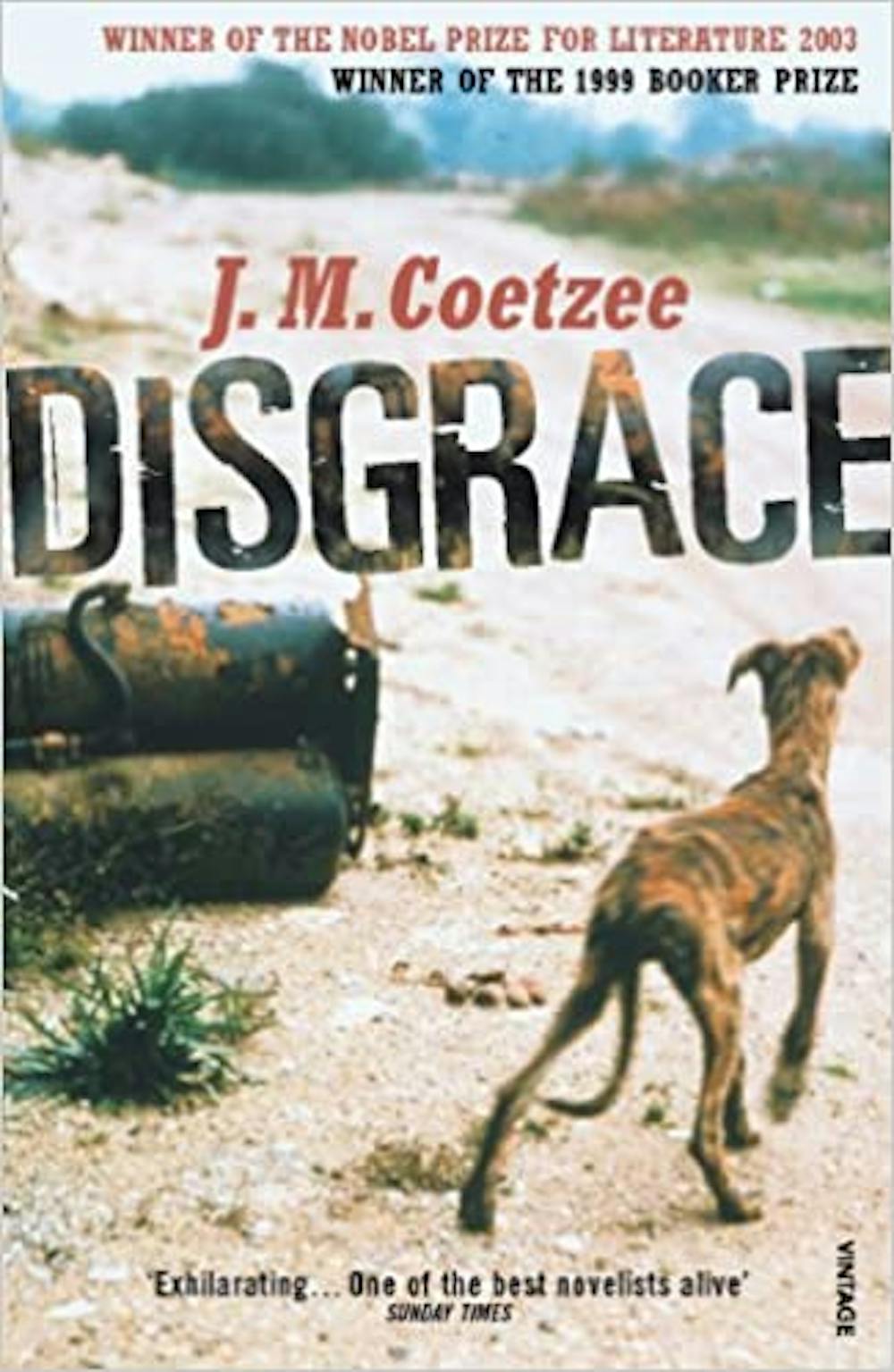
In Disgrace, J.M. Coetzee, a celebrated Noble Prize laureate, who is also known for his outspoken defence of animal rights, interweaves a brutal dog-killing scene with the gang-rape of a white South African woman by three black men.
Praised as one of the South African postcolonial canons, the novel explores complex issues of white supremacy and anticolonial resistance as well as racial and gender violence. It ties these issues with humans’ domination and exploitation of the animals and further challenges our ethical position.
The combination of these two acts – the killing of dogs and the rape of a woman – can be read as Coetzee’s ecocritique of the colonial violence against nonhuman beings and the natural environment.
Climate fiction or the so-called “cli-fi” takes on genuine scientific discovery or phenomenon and combines this with a dystopian or over the top twist. This approach underlines the agency of non-human beings, environments or even phenomena – such as trees, the ocean, or a tsunami.
Wu Ming-yi’s novel is composed of four different narratives: a Taiwanese university professor, a boy from the mythical Wayo Wayo island and two other city-dwelling indigenous characters. Their stories are viewed in fragments from the multiple perspectives of the “compound eyes”. At the backdrop is a tsunami which causes the Great Pacific garbage patch to crash on to the eastern coast of Taiwan and the fictionalised Pacific island of Wayo Wayo that brings together all their stories.
Wu blends this unrealistic event with the real-life trash vortex to draw our attention to the severe environmental problems of waste dumping and our unsustainable lifestyles.
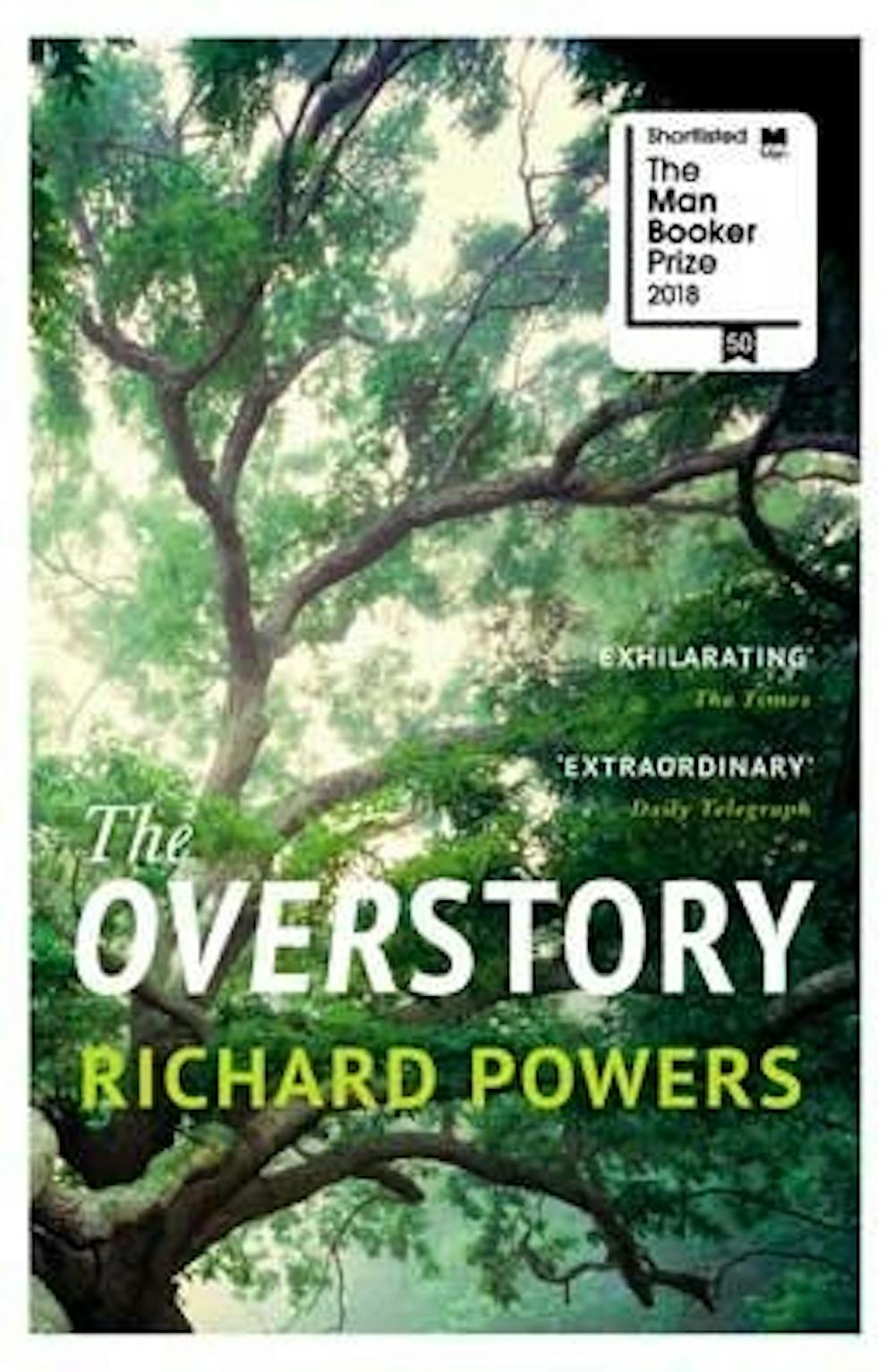
The Overstory is praised by critics for its ambition to bring awareness to the life of trees and its advocacy to an ecocentric way of life. Powers’ novel sets out with nine distinctive characters – which represent the “roots” of trees. Gradually their stories and lives intertwine to form the “trunk”, the “crown” and the “seeds”.
One of the characters, Dr Patricia Westerford, publishes a paper showing trees are social beings because they can communicate and warn each other when a foreign intrusion occurs. Her idea, though presented as controversial in the novel, is actually well supported by today’s scientific studies.
Despite her groundbreaking work, Dr Westerford ends up taking her own life by drinking poisonous tree extracts at a conference – to make it clear humans can only save trees and the planet by ceasing to exist.
These are just a few books with a specific focus on environmental issues – perfect for your current reading list. To everyone’s surprise, this global lockdown has given us some eco-benefits, such as a sudden dip in carbon emissions and the huge decline in our reliance on traditional fossil fuel energy. Maybe then if we can learn from this experience we can move towards a greener future.
For those looking from the global North, African literature is often marketed in a narrow way, comprising worthy stories of resistance, written in an uplifting and sober realist mode. Seen from the continent itself, this view has long been brushed aside by the effervescence and animation of ongoing literary experimentation and creativity. I approached literary academic colleagues from South Africa, Kenya and Uganda to choose – and share their thoughts on – one of their favourite books of African fiction. The resulting finger-on-the-pulse list offers a bookshelf that speaks to the vibrancy of both contemporary and older African literature. – Isabel Hofmeyr
Waiting by Goretti Kyomuhendo
Susan Kiguli, Makerere University
The 2007 novel is set in the time of the war to get rid of the dictator Idi Amin. The main character, the adolescent Alinda, and her family have to hide from fleeing soldiers. It is an atmosphere of great angst and fear tinged with hope for the arrival of the liberators, who are a merged force of Ugandan exiles and Tanzanian soldiers. This short novel ingeniously handles the matter of the Lendu woman, the Indians and the Tanzanian soldiers with a blend of suspicion and optimism for the unknown and mystique suggested by foreigners.
The Feminist Press at CUNY
The narrative thinks through the gaps and anxiety created by war, where ordinary citizens do not know what to expect. It describes the violence, victims and loss that come with lying in the path of fleeing soldiers and pursuing liberators. The setting is a village near Lake Albert at the border of the Democratic Republic of Congo.
This is a novel depicting a situation of post-independence internal and cross-border conflict. It is a worthy read particularly because it resonates with this time when the world is tense under the weight of a marauding pandemic.
I used to think war meant violent clashes between human beings, but since the arrival of the coronavirus I think it includes human beings confronting disease.
The Wormwood Trilogy by Tade Thompson
Nedine Moonsamy, University of Pretoria
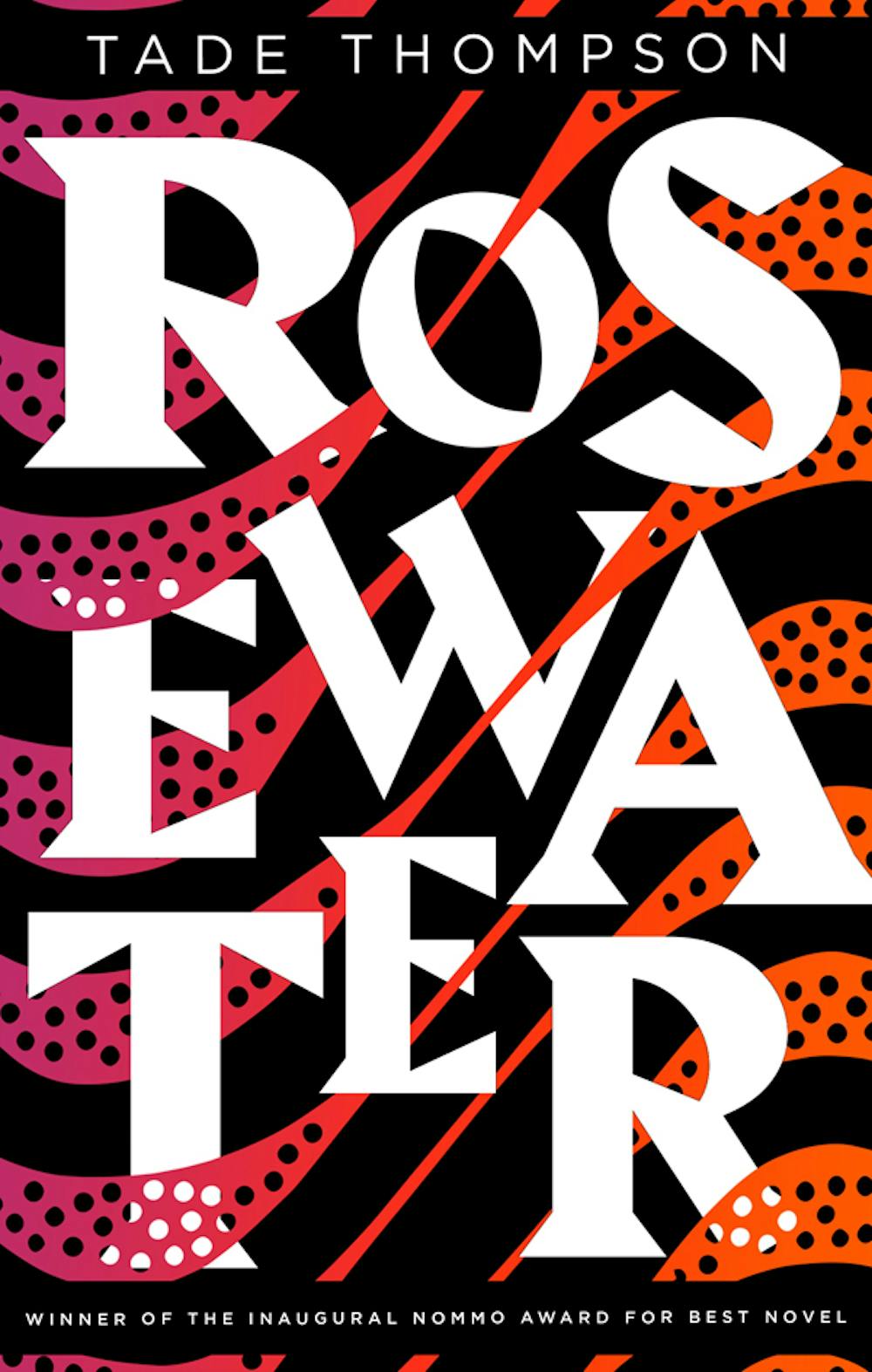
Tade Thompson’s The Wormwood Trilogy (Rosewater, The Rosewater Insurrection, The Rosewater Redemption) has been widely acclaimed. It was recently nominated for the 2020 Hugo Award for Best Series. For African readers, it is a watershed moment, marking the arrival of an African science fiction trilogy that we so needed and deserve. Set in the near future, these novels capture the interaction between an invading alien population, the Homians, and the citizens of Nigeria.
All three books hit the sweet spot between exploring what science fiction means to us – who, as the characters often point out, have been historically subjected to alien invasions – and the pleasure of simply imbibing well-written and pacy genre fiction.
Orbit
Teeming with alien life, Wormwood is an extra-terrestrial biodome that embeds itself in Nigerian soil. Its sprawling tentacles provide organic power and, contrary to what one might imagine, people flock to the surrounding community of Rosewood because Wormwood also performs ritualistic acts of healing on sick human bodies.
In contrast to greater Nigeria, where power outages are still frequent and homosexuality illegal, Rosewood has all the makings of an African techno-utopia. Yet at the heart of the trilogy is the niggling question about whether it is ever possible for humans and aliens to co-exist with symbiotic ease.
The novels make use of sharp-witted, hard-boiled detectives to probe further into alien motives; Thompson’s female characters, in particular, are a testament to his talent as they bristle with an unsentimental brand of Nigerian humour. Getting to know these characters makes reading the trilogy rewarding in itself, but Thompson’s world building is a force to be reckoned with. The interweaving of chaotic Nigerian streets, alongside organic extra-terrestrialism and imagined human technologies, is handled skilfully, allowing readers to delve into a seamless African biopunk universe that makes us marvel at the potential of what is to come.
A General Theory of Oblivion by Jose Eduardo Agualusa
Grace A Musila, University of the Witwatersrand
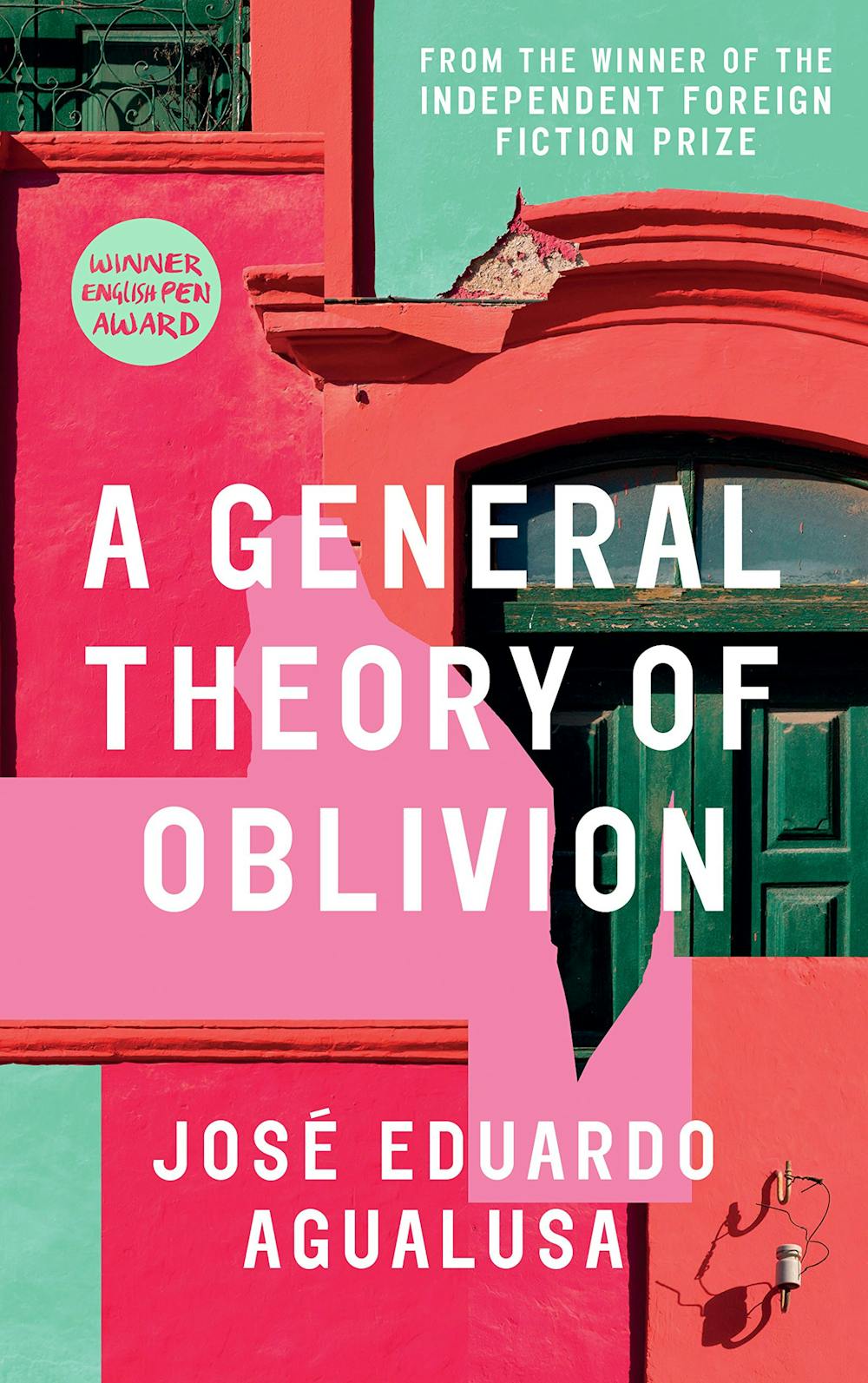
On the eve of Angola’s independence in 1975, Portuguese expatriate Ludovica Fernandes Mano goes into isolation in her penthouse apartment in the city of Luanda, out of fear of the post-independence future. She seals off her apartment with bricks, withdrawing into a new life with her dog and her garden on the terrace, which keeps her fed. Her only connection to the outside world – which soon descends to a 27-year civil war – is her radio.
Angolan novelist Jose Eduardo Agualusa’s A General Theory of Oblivion is a riveting tapestry of history, detective fiction and poetic interludes, interwoven with poignant turns of phrase and absurdities delivered with a straight-faced candour. It is a perfect lockdown read, not because it is about isolation, but because Ludo’s self-isolation is filled with hilariously narrated encounters and adventures, including a trained messenger pigeon that keeps two young lovers in contact. Ludo uses small pieces of diamond to trap pigeons for food; but when her trap delivers a messenger pigeon with a note attached to its leg, Ludo decides to set it free so the lovers might receive their message – and with it, her swallowed diamonds.
Ludo spends her time writing out her reflections initially in notebooks, and later the walls of her apartment, using charcoal. We get to read excerpts of her poetic reflections; from whose philosophical musings the novel draws its title.
Harvill Secker
Her encounter with the messenger pigeon draws an intricate network of the world she has withdrawn from, into her sanctuary, eventually ending her 30-year isolation when a young burglar accidentally discovers her and forms a bond with the now elderly lady.
The novel is a patchwork of short, interconnected stories. They weave a web of connected lives which lend it an expansive and colourful range, through short, pacy, thriller-style chapters, interspersed with Ludo’s poetic reflections. This is a book you read when you want to be surprised, and to have your imagination stretched by startling turns of phrase, odd logic and lyrical philosophical observations about life.
Warm, occasionally absurd, humour renders the inevitable tropes of war-time – torture, executions and profiteering – bearable. Part of the novel’s charm lies in its eccentric characters, like the self-fashioned “collector of disappearances” who tracks disappearances of planes off air spaces, as well as more ordinary disappearances, such as the journalist who apparently vanished right before people’s eyes.
This 2015 novel is a stunning canvas of the historical devastation of the Angolan civil war and richly imagined textures of ordinary people’s everyday worlds told with great warmth and inventiveness.
Freshwater by Akwaeke Emezi
Sam Naidu, Rhodes University
At a time when the world is experiencing unprecedented restrictions to mobility, Freshwater offers a searing and illuminating narrative about various kinds of border-crossing and about being multiply-located. In this unusual, at times shocking, bildungsroman, Emezi’s protagonist, Ada, is the child of a Nigerian father and a Malaysian mother. From early childhood, and then increasingly as she approaches adulthood, it is clear that Ada exists in a liminal zone: between spirit and human worlds; between cultures and nations; and between sexualities and genders. In retrospect, the novel’s dedication, to
… those of us with one foot on the other side,
that is, to those who do not claim one single affiliation, but both or many, is economically apposite. This liminality is portrayed with astonishing vividness and through varying perspectives, often drawing on traditional Igbo mythology and cosmology to create imagery which is unsettling and challenging.
Faber and Faber
As an “African” novel, 2018’s Freshwater is innovative and irreverent in the way it marries African religious and cultural beliefs with “Western” geography, religious iconography and cultural symbols, ultimately defying literary categorisation, just as its protagonist repudiates predetermined categories of identity. (The novel is set in Nigeria and the US, and it deliberately presents Ada as a hybrid, transnational character.)
It also contains a rare combination of sensuous, brute physicality with the spiritual. By the end, it is clear that Ada cannot be claimed by her homeland or her diasporic home as she transcends even the human-spirit border to become something which is indefinable, “as liminal as is possible – spirit and human, both and neither”. This bold, contemporary novel captures the porousness of borders, which may prove disquieting for the reader, but also very liberating. In these times of lockdown, Freshwater transports the reader boldly to unexplored, uncanny territory.
The Old Drift by Namwali Serpell
Sarah Nuttall, University of the Witwatersrand
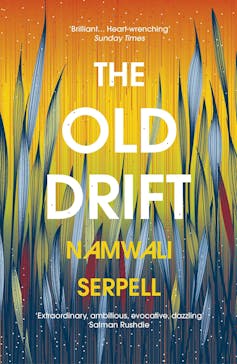
I recommend Namwali Serpell’s 2019 Zambian tour de force The Old Drift. This is a long book – all 563 pages of it – by a writer whose prose and outsize imagination will hold you spellbound throughout. It’s a postcolonial family saga across three families and three generations. It is also the story of the great Zambezi river, and its capaciousness, capriciousness and capacity for revenge in the face of human-centred attempts to control it.
Penguin Books
Serpell unfolds her canvas along two trace-lines of Zambian modernity: the building of the Kariba Dam, the biggest man-made dam in the world at the time of its construction; and Edward Nkoloso’s Zambian National Academy of Science, Space Research and Philosophy and his attempts to send the first Afronauts to the moon. The novel is grounded in precisely rendered historical events but also has a partially speculative sweep. Its final scenes take place in 2023, with a smart techno-twist. The story is narrated not just from a human perspective but from that of a mosquito swarm, a “bare ruinous choir, a chorus of gossipy mites”.
This is a book that asks for your time – and now you’ve got it. Read. And be riotously rewarded.
Hunger Eats a Man by Nkosinathi Sithole
Manosa Nthunya, University of Pretoria
It may as well be the case that at this very trying historical time, it may be difficult to appreciate the offerings of fiction. After all, on a daily basis, we are being asked to read and reread the world, asking ourselves if the catastrophe that has befallen us will pass. What comfort, then, can fiction offer when the very future is at stake? But read on we must – and we do – because it remains an activity that allows us to see how large the world is, despite seeming very small at the moment.
Penguin Random House
A book that could be worthy of consideration is Nkosinathi Sithole’s Hunger Eats a Man (2014), a novel that examines the devastating effects of poverty in the rural areas of South Africa.
Much of the literature that is being produced in contemporary South Africa has a bias towards the city, with often very little reflection on the experiences of people who live in rural communities.
In this award-winning novel, Sithole opens a world that is marked by deep adversities, exploitation and an increasing disillusionment with a nation still learning how to crawl. It is a book worth reading, and reflecting upon, as we start counting down the inevitable costs of this catastrophic moment.
Broken Glass, by Alain Mabanckou
Tom Odhiambo, University of Nairobi
Alain Mabanckou’s fiction may not be known in much of Anglophone Africa but translation is making it easily available. Mabanckou’s 2005 Broken Glass, set in a bar, Credit Gone West, is a good read for times likes these – easy enough for someone interested in light reading; deep enough for someone looking for a nuanced depiction of African modernity. For those who can no longer access their beloved pub, it will remind you of the sounds, smells, sights, that only a bar can produce, from the beginning to the end.
Serpent’s Tail
The tragic life of Broken Glass, the narrator, who appears “self-quarantined” in the bar, mirrors those of the different characters in the society, whose stories we hear in the many anecdotes he tells. The dark humour, satirical tone, endless allusions, and lack of conventional punctuation (sometimes making it tedious to follow the tale), all build up to a dystopic story. But, in the end, the bizarre story in Broken Glass should surely lead you to search for more of Mabanckou’s novels.
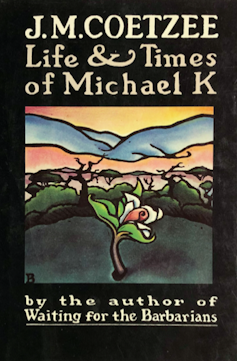
Life and Times of Michael K by JM Coetzee
Aretha Phiri, Rhodes University
The oldie on the list, from 1983. An award-winning novel by JM Coetzee, Life and Times of Michael K evokes a desperately depressing sense of subjective fragility and existential nothingness – concerns for which the author is well known.
Ravan Press
Set during a period analogous to civil war, it’s a story about a seemingly insipid and largely enigmatic character whose journeys across and encounters with inhospitable landscapes and unwelcoming communities from the Western Cape province to the Karoo see him, at the novel’s end, gathering water from a well with “a teaspoon and a long roll of string”.
And yet Michael K’s vacuous itinerancy also suggests something pathetically hopeful about the existential journey and signals something ironically prescient about the will to endure. Michael K is a sobering read for these testing times.
At this time of year, “best of” lists abound, vying for our attention. But teachers and parents committed to principles of social justice are generally left searching for something more than the usual top 10 list of best-of books.
We hope the reads we give are not just entertaining but also educational.
This book list is not exhaustive and I present it more as suggestions — ones that may warrant further research. Teachers and parents will want to look up any trigger warnings.
Also, I recommend adults read books along with younger readers: it’s vital to meaningful conversations. I think adult readers may be pleasantly surprised by the rich and important storytelling happening in the young adult literary world.
‘All American Muslim Girl’ book cover. (Macmillan Publishers)
All-American Muslim Girl, by Nadine Jolie Courtney, defies what you think you might know about female Muslim representation in an American context.
Allie Abraham is the main character whose born-Muslim father dislikes that she’s becoming more spiritual. The family has just moved to a small town, a microcosm of a nation where Islamophobia has become normalized. Allie falls for the son of Jack Henderson, the county’s “shock jock” behind the spread of hatred.
It’s a quiet but complex story about the search for identity and learning to find your own way. Allie is a likable character whose moral compass is wholesome and whose struggles to sift through opposing influences read as authentic and heart-warming. There’s an education and historical element to be found here on Circassian Muslims.
Book cover for ‘The Fountains of Silence.’ (Penguin Random House)
The Fountains of Silence, by Ruta Sepetys. Since reading Sepetys’ Salt to the Sea, probably one of my most recommended historical YA novels, I’ve been on the lookout for her work. In her latest, Sepetys takes readers to Spain in the 1950’s under the fascist dictatorship of Francisco Franco. Beyond giving us a look into the sorrow-filled aftermath of civil war, there are lessons here for those dealing with questions of privilege and the responsibilities to do something positive with that privilege.
Daniel Matheson is the protagonist photographer and son of an American oil tycoon who falls in love with Ana, the hotel maid and daughter of parents killed and imprisoned by the regime. She needs to keep silent in a country that relies on controlling people by fear. But Ana finds herself confiding in Daniel and Daniel begins to look beyond what he thinks he sees on the surface.
The best historical novels say something about contemporary times as well and Sepetys doesn’t disappoint. Readers will find parallels that speak to our silences regarding blatant injustices happening today.
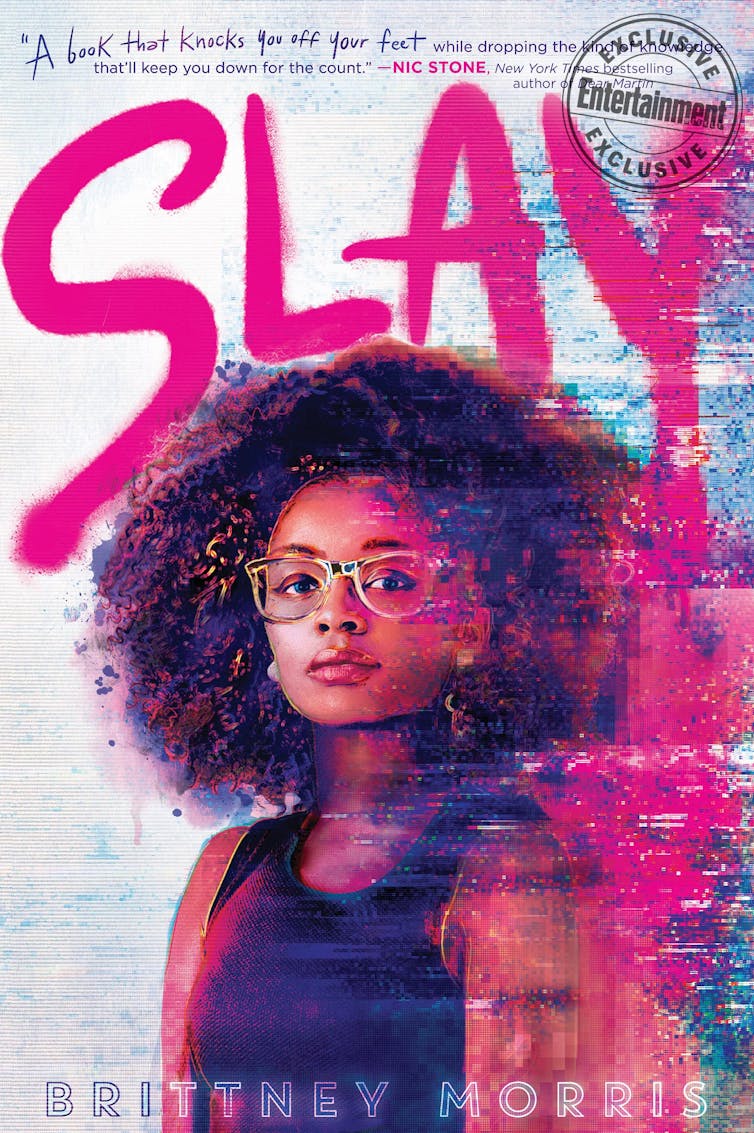
SLAY, by Brittney Morris, is one I’d been hearing about for a long time before its September release. People called it a mash-up of The Hate U Give, and Ready Player One with a Black Panther-esque gaming world at its core.
Kiera Johnson is pretty much the only Black girl into STEM at her mostly white school. Beneath her honours persona, she’s hiding a secret life as the developer of an online game called SLAY. The game is supposed to be a safe-space for hundreds of thousands of Black gamers but when a teen is murdered in real life over a dispute in the game world, the game is exposed to accusations and threats.
Kiera fights to protect the world she created on several fronts. Although this is a novel that defies what stereotypes of Black girlhood may look like, it is also a super-inspiring read about the power of aligning your dreams with making the world a better, more inclusive space.
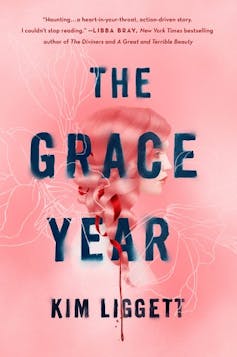
Book cover for ‘The Grace Year.’ (Macmillan)
The Grace Year, by Kim Liggett, has already been optioned for film and been compared to The Hunger Games and The Handmaid’s Tale. It does not have an obvious diversity element built into it but it does have its strengths for critical readers.
It’s a dystopian story about Tierney James who lives in a patriarchal, puritanical society that sends girls in their 16th year out to “release their magic” into the wild. The belief is that girls on the cusp of womanhood have an energy that, unless expended, would bring the moral degeneration of their community. In the author’s note at the end, Liggett tells the story of how she was inspired to tell this story because of “the things we do to young girls.”
This book isn’t for the faint of heart. The prose is elegant and captivating, but the world is cruel and disturbing. The book was hard to read at times despite its female empowerment message. Accordingly, for this recommendation, I’d stress the necessity of reviewing the trigger warnings.
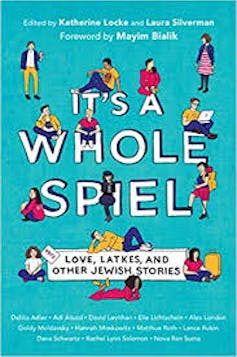
Book cover for ‘It’s a Whole Spiel.’ (Knopf)
It’s a Whole Spiel: Love, Latkes, and Other Jewish Stories, edited by Katherine Locke and Laura Silverman, is for readers who prefer shorter stories rather than one long tale. Some are funny, others are sad, but all, in one way or another, address what growing up Jewish meant to the writer.
Bursting with diverse and intersectional representations (there’s queer and disabled reps here too, for instance), this anthology, much like All-American Muslim Girl, demonstrates that people of marginalized faiths aren’t a monolith and defy the stereotypes around them.
This book would be great for young Jewish readers, certainly for the chance to see themselves reflected in the books they read, but I see the benefit for non-Jewish readers as well. As children’s literature scholar Rudine Sims Bishop explains, books can be as windows, mirrors and sliding doors. Bishop wrote:
Books are sometimes windows, offering views of worlds that may be real or imagined, familiar or strange. These windows are also sliding glass doors, and readers have only to walk through in imagination to become part of whatever world has been created and recreated by the author. When lighting conditions are just right, however, a window can also be a mirror. Literature transforms human experience and reflects it back to us, and in that reflection, we can see our own lives and experiences as part of the larger human experience. Reading, then, becomes a means of self-affirmation, and readers often seek their mirrors in books.
Rudine Sims Bishop, author of the essay ‘Windows, Mirrors and Sliding Glass Doors’
An Australian summer can be a holiday by the beach, recovering from exams, or anticipating the next stage of schooling. The summer break can also offer a wonderful opportunity to catch up on some reading.
Award-winning author and illustrator Shaun Tan wrote the
lessons we learn from […] stories are best applied to a similar study of life in general […] At its most successful, fiction offers us devices for interpreting reality.
(If you aren’t familiar with Tan’s work, look out for The Arrival, Cicada and Tales from the Inner City, among others).
Research from New Zealand suggests young adults like to read books which make them laugh, “let them use their imagination, have a mystery or problem to solve, have characters they wish they could be like”.
Based on this, here are some recommendations your teen could read this summer.
Living on Hope Street by Demet Divaroren does just that. Hope Street is a fictional Australian street with a diverse population.
This diversity is replicated in the book’s multiple-voice narrative structure.
The voices are initially separate but come together in a way that reflects the development of the community.
The characters range in age from school children to a Vietnam war veteran and include a refugee family. Hope Street has messages of tolerance, love, courage, friendship and the importance of family.
In The Things That Will Not Stand, by Michael Gerard Bauer, two teenagers, Sebastian and Tolly, attend a university open day together.
They meet a girl who is not quite what she seems but who so intrigues Sebastian, he stays on long after Tolly has gone home and the open day activities have finished, just so he can see her again.
There are some very funny scenes throughout the book, usually involving Tolly.
The action takes place on just one day, a day which both boys will remember for ever.
This book will particularly appeal to readers at the upper levels of secondary school, inviting them to imagine themselves in the place of the characters.
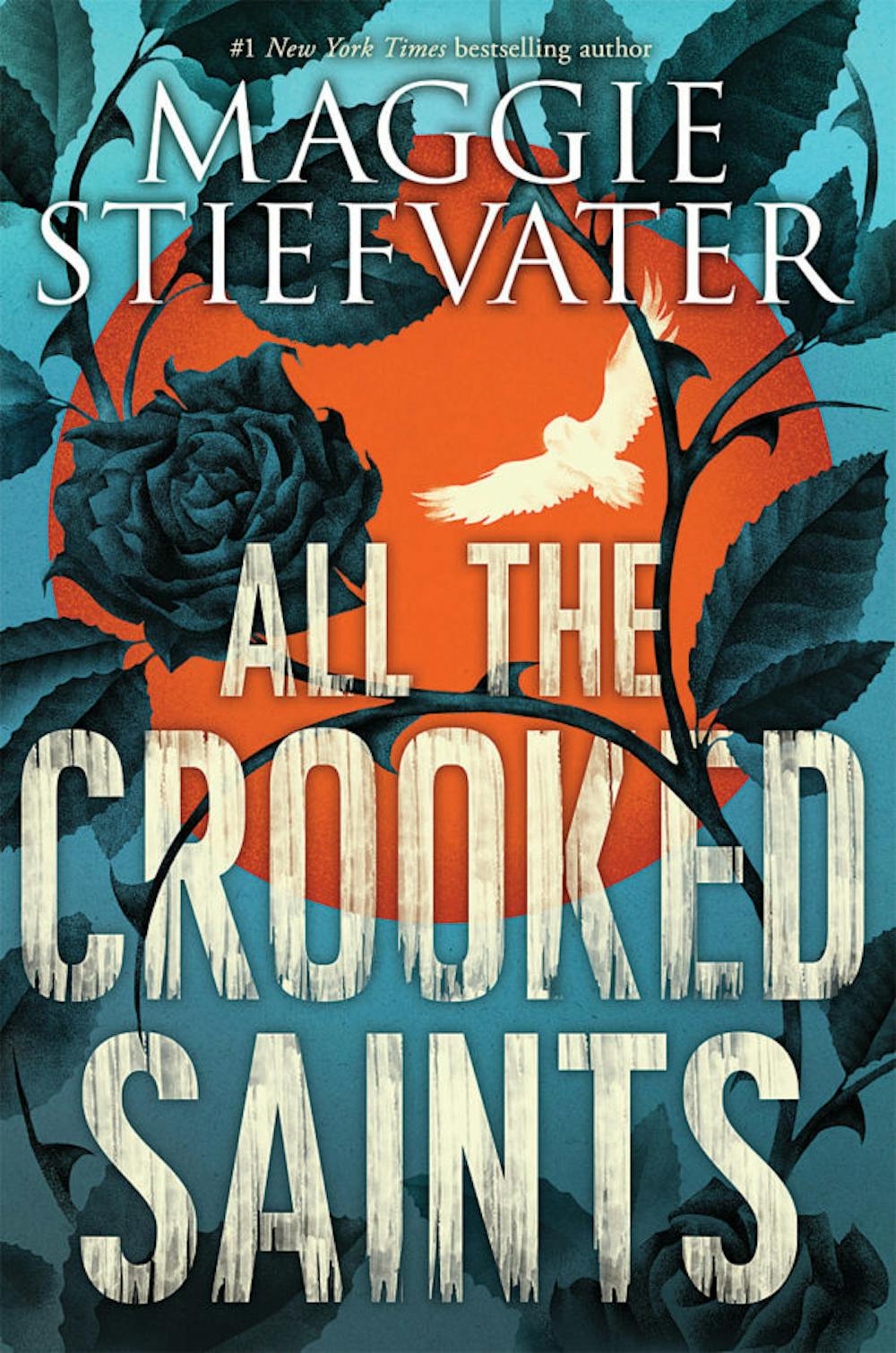
Maggie Stiefvater sets this book in a remote Colorado town, Bicho Raro, where a most unusual family lives – a family that appears to perform miracles. Into this tiny town comes Pete, whose application to join the army has been rejected and he is seeking to come to terms with that disappointment by hitchhiking.
He has been picked up by Tony, a DJ trying to escape fame and heading to Bicho Raro because he has heard about the family that can perform miracles.
Their visit changes both of them for the better. There is a lot here for older teenage readers as the book involves romance and humour, and has touches of magic and fantasy.
Stiefvaster also explores concepts of good and bad and the importance of knowing ourselves.
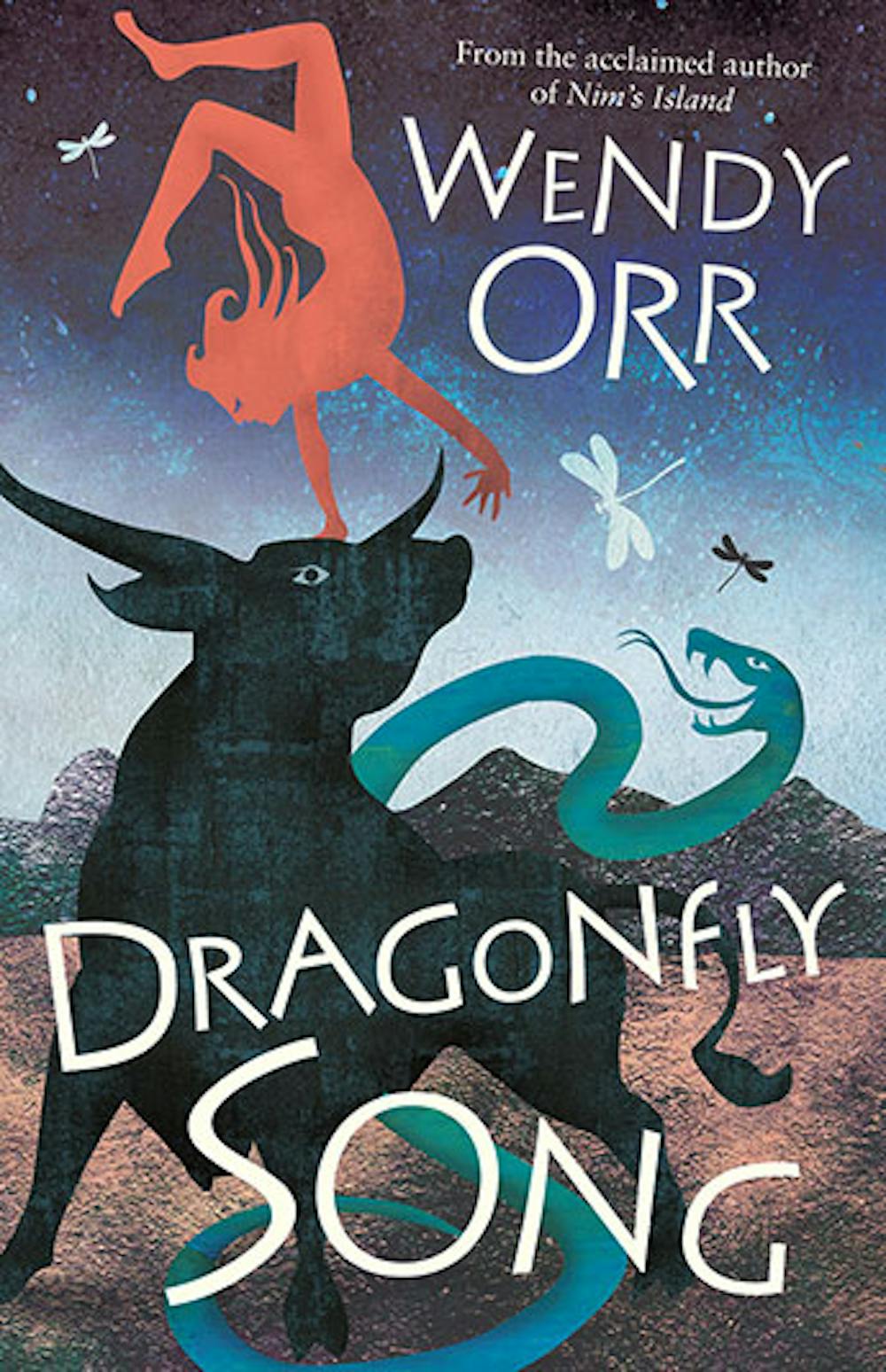
Ancient Crete is the setting for Wendy Orr’s Dragonfly Song. The book tells of those chosen to be the tribute to the Bull King (he chooses a tribute every year).
The outcast girl, called No-Name by everyone, seizes the opportunity to become one of the tributes, a task she knows to be demanding and often dangerous. She will have to brave the bloody bull dances in his royal court.
Will she actually survive the test?
The book is inspired by the legend of the Minotaur. It is thoroughly researched, lyrically written and invites readers to imagine themselves in No-name’s place.
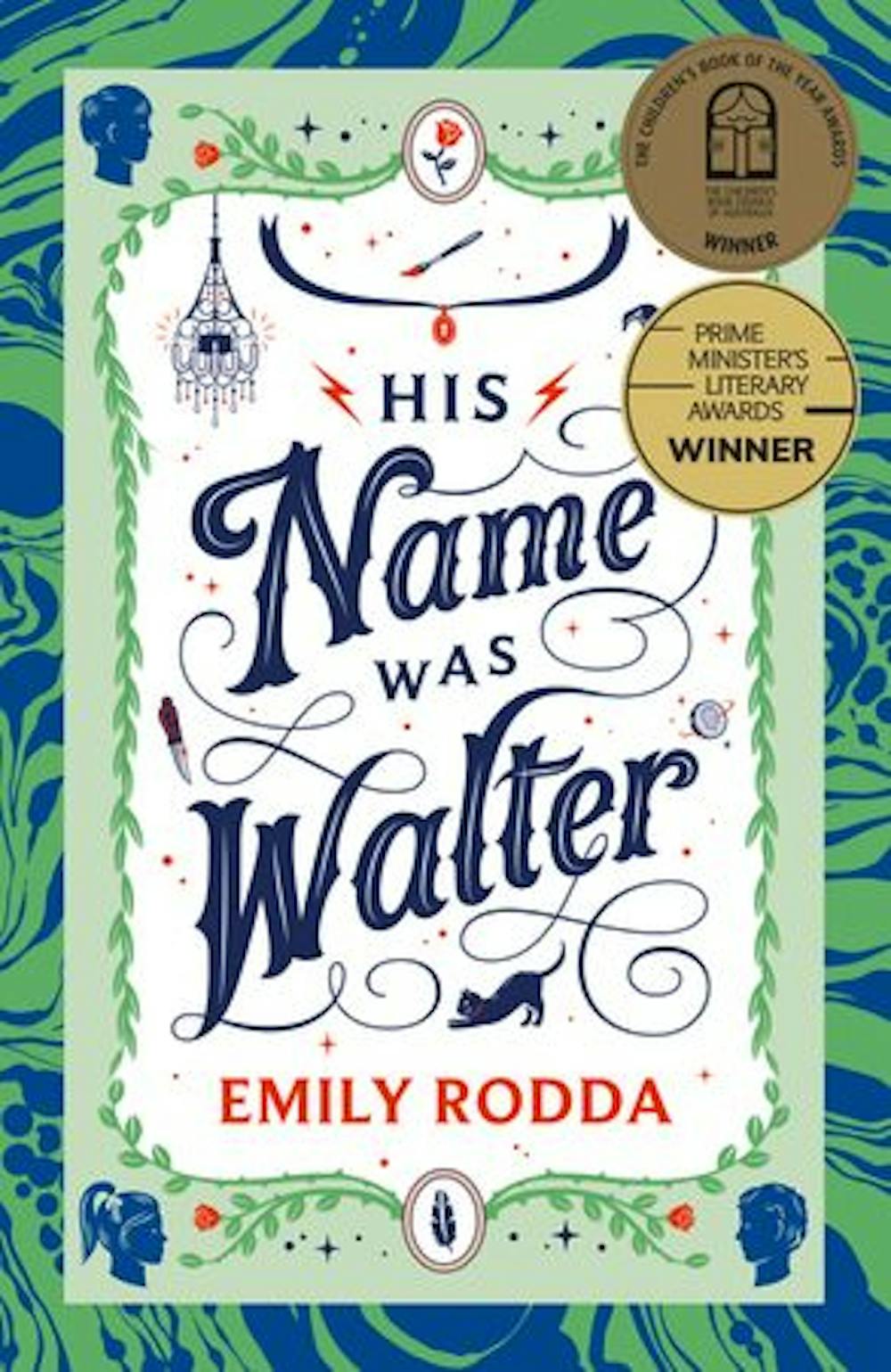
A group of students and their teacher, separated from the others on a school excursion, find an odd-looking book in a deserted house. Emily Rodda beautifully uses the device of a story within a story in His Name Was Walter.
What happens next is mysterious and intriguing as past and present combine. The ending is both poignant and satisfying.
Imagine finding yourself stranded in an unknown wilderness without a mobile phone. This is exactly what happens to Brian in Gary Paulsen’s Hatchet.
It’s a kind of modern Robinson Crusoe story, first published in 1986 before the proliferation of mobile phones.
In this adventure, Brian has to be inventive and resilient to survive. The book is the first in a series of five. One review suggested, for many readers, Hatchet was “the first school-assigned book they fell in love with”.
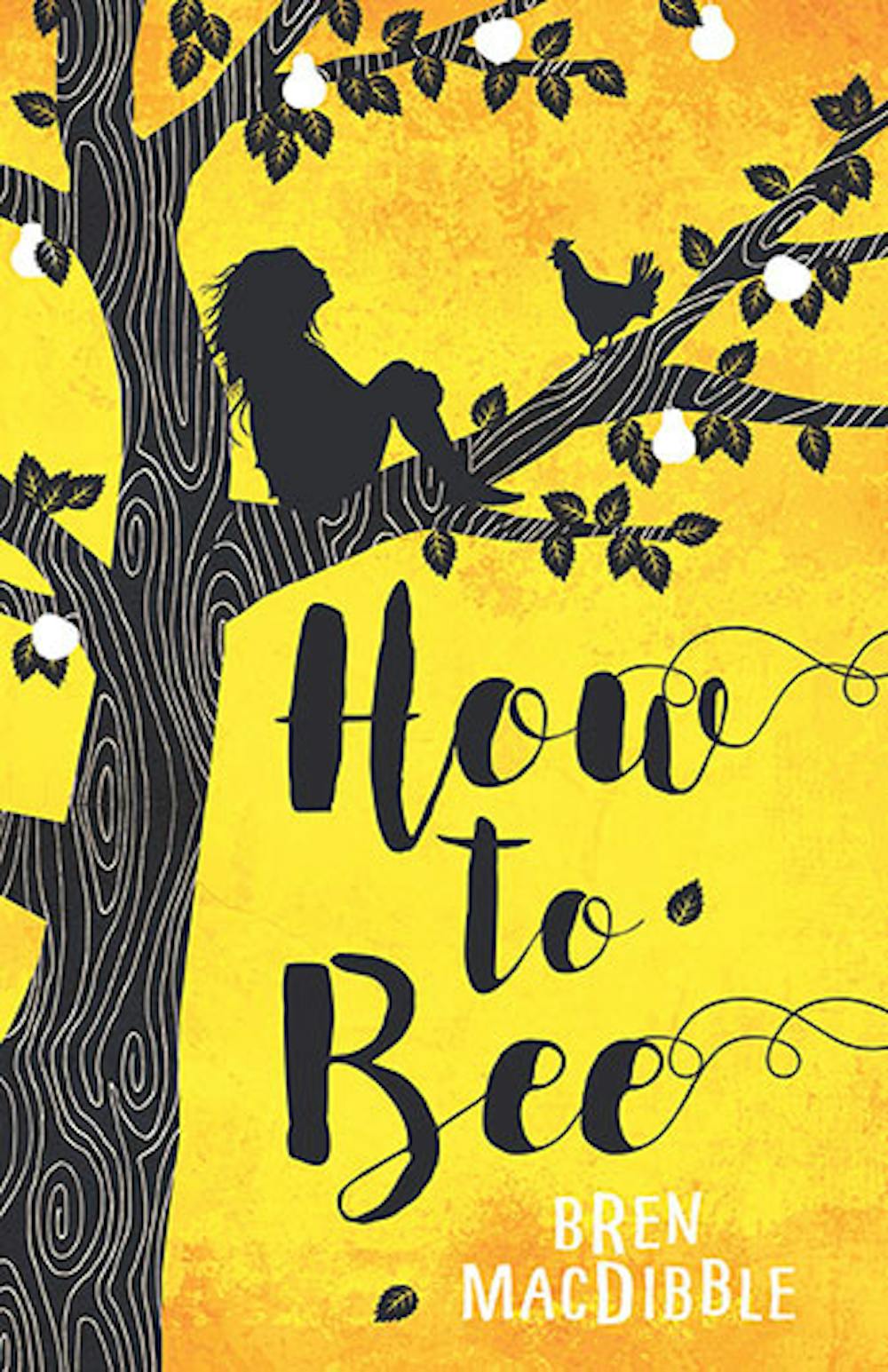
How would life be without bees? How would the pollination of plants, so essential to life on earth, happen?
This intriguing story, by Bren MacDibble, explores that idea and sets up a scenario where children do the pollinating – but only the bravest and quickest.
Penny longs to be one of these, but can she, especially when it looks as though she might be taken away from the life she has known?
The link below is to an article that takes a look at books of the last decade that should be read more – at least in the opinion of the article’s writer.















 At the BookShelf
You must be logged in to post a comment.