“Katrina, I had in mind a prayer, but only this came,” Bruce Dawe wrote to his infant daughter, new-born, in intensive care, her life in the balance, declaring as poets must that their poems are the best and only real gift they can give.
I did not know Dawe, who died aged 90 on Wednesday, but I knew his poetry from my first years of reading poems. For decades, the first contemporary poems many Australians read were his.
Born in 1930 in Fitzroy, a failed student after attending seven schools, he worked as a labourer like his father, a farmhand, a postman, and spent a year on the University of Melbourne campus where he became a poet and a Catholic. He joined the RAAF in 1959.
As well as publishing a growing list of books, he studied part time until he achieved a PhD. His teaching life at the Darling Downs Institute of Advanced Education and the University of Southern Queensland lasted from 1969 until 1993. By then he was easily Australia’s most well-read and well-loved poet. His death this week is a significant moment for poets and readers of poetry.
We know that poetry is somehow central to our nation’s soul, but mostly we like to keep its presence at the margins. In living memory, Les Murray and Dorothy Porter managed to bring poetry to wide audiences, but neither of them so broadly, neither of them prompting the passion of Dawe’s many readers.
When it comes to poetry, readers know pretty quickly what is authentic. Dawe’s poems are real enough to talk to you with one arm over your shoulder, or sit beside you, inviting you to look with them at what this whole damned creation is doing now.
But he couldn’t have survived as a poet by simply being genial. His poetry always held a deep steadiness of purpose in its gaze. This was his special skill. He was able to bring us in to seeing for instance how “the spider grief swings in his bitter geometry” (from Homecoming) when dead soldiers are freighted home.
He was uncannily capable of making poetry that talked plainly but still mysteriously about the most extreme of our experiences: funerals and suicides, drowned children, a mother-in-law’s glorious death falling out of her chair at a barbecue, the last nail being driven into the body of Christ (“the iron shocking the dumb wood”), the 1995 massacre at Srebrenica, or the hanging of Ronald Ryan.
You cannot read his poems without finding some personal connection to them too; my grandmother who once held a telegram announcing her son’s wartime death, and whose home was opposite Ronald Ryan’s bloody shootout on Sydney Road, had seemed to me to have had her life marked by images in Dawe’s poems.
In Australia, we know there’s another job requirement for any poet worth their salt, and that is a dry and thoroughly demotic wit. Dawe’s hilarious At Shagger’s Funeral is just one gem that Lawson would have been proud to have chiselled out.
Tests of time
New themes of gender, ethnicity, identity politics, the explosion of poetry since the avant-garde experiments of Fluxus might seem to leave Dawe’s poetry suspended in a historical moment, but this is to say no more than what happens to every strong and distinctive poet.
No one wrote poetry quite like Dawe. Lots of poets took inspiration from him too, many without realising it – the vibrant “street poetry” movement in Melbourne through the 1970s and 80s, morphing into performance poetry and spoken word – each take their impulse from Dawe’s confidence in poetry’s place as a voice for, about, and from life as it’s lived by the most desperate and the most ordinary of us.
The bravery of his poetry, its wit and sensitivity to the world are there in one of the most stark and touching love poems you could imagine reading:
Hearing the sound of your breathing as you sleep,
with the dog at your feet, his head resting
on a shoe, and the clock’s ticking
Like water dripping in a sink
– I know that, even if reincarnation were a fact,
given the inherent cruelty of the world
where beautiful things and people
are blasted apart all the day long,
I would never want to come back, knowing
I could never be this lucky twice …
(from You and Sarajevo: for Gloria)
He has been praised for the technical achievement of blending the colloquial with the lyrical, something he often got “right”. But beyond this deftness, his poems always reach towards our most humane responses to the world.
We know from our present troubles as a nation, as a planet, and as a species, that we need poets as right and true as Bruce Dawe to continue this sometimes visionary and sometimes laughably inadequate work.
A mural dedicated to poet Bruce Dawe in his birthplace Fitzroy.
Words can help us imagine the world more deeply. Even as we retreat into our homes in this time of crisis, words can help us reach out to each other and pile up strength.
The Stella Prize is awarded each year to celebrate Australian women’s writing. This year’s shortlist brings together some of the best Australian writing in any genre. They are books about courage, strength, compassion and love. And they give us something of what we need – teaching us that to be alarmed is not to be cautious or careful; that to try to bear everything on one’s own is not necessarily to be strong.
These books can help us draw on our inner resources; to dig deep. Not only to find a point of calm, or, indeed, relief from boredom as the lockdown wears on – but more importantly, compassion, altruism, the capacity to cross social distances, reach out, help and support each other and our society in a time of crisis.
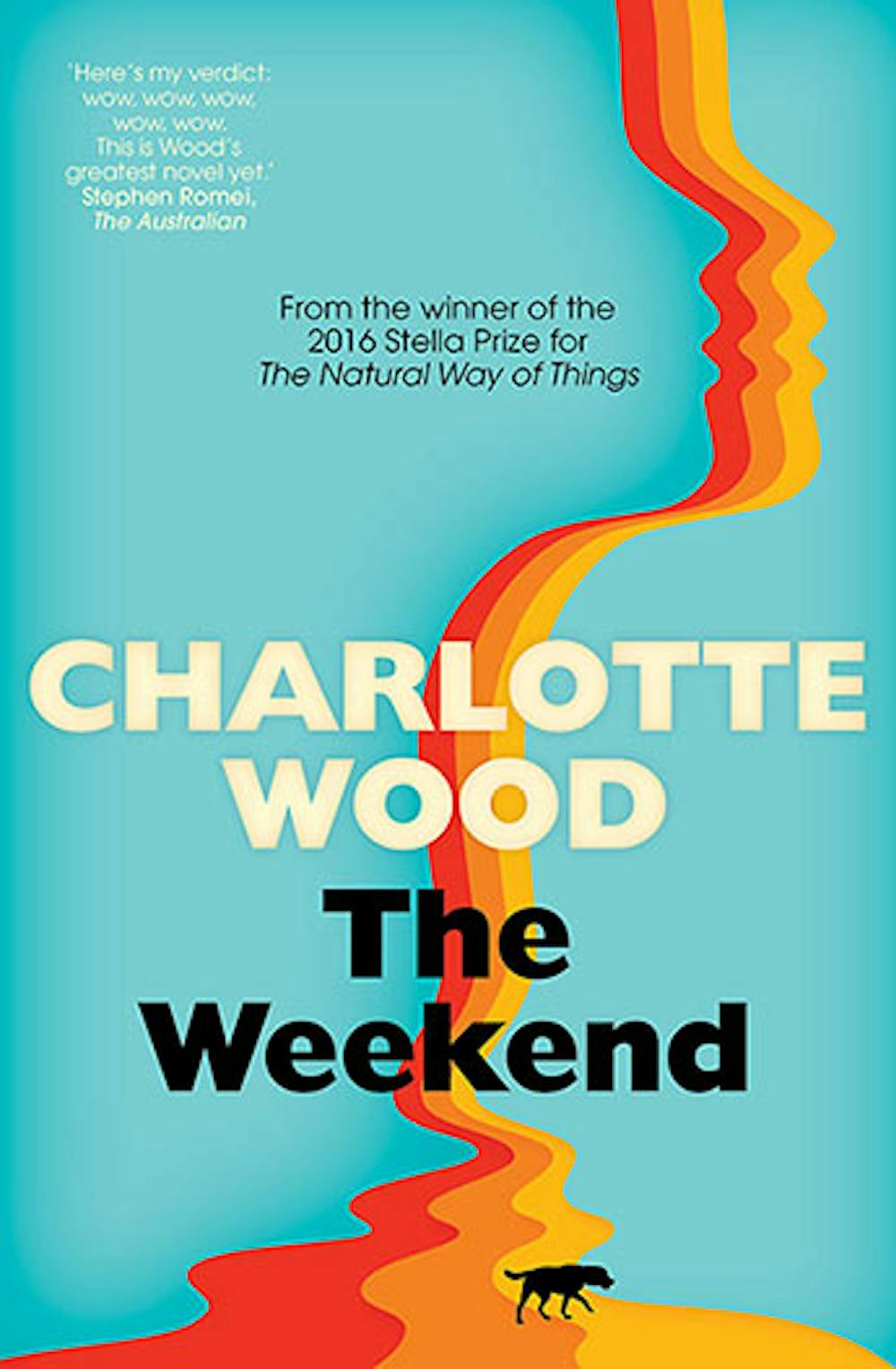
The Weekend by Charlotte Wood
When you read The Weekend you’ll probably learn some things about yourself that you didn’t know, and a few you’d rather not. This book takes a long look at women’s lives and friendships as we get old, at a time in life when everything we thought we knew – about ourselves, about our loved ones – is being thrown into doubt.
Allen & Unwin
Three grieving women gather together for Christmas to clean out the beach house that belonged to their friend Sylvie, who has died. There is Jude, a once famous restauranteur, who has spent her adult life in a love affair with a wealthy married man. Adele, a once-famous stage actress, who is newly impoverished, having just broken up with her partner Liz. She is yet to tell the others. Finally Wendy, a public intellectual in her waning years, grieving for her dead husband. Without Sylvie to balance them, tensions rise.
This book cuts like a knife through social pieties but never loses its humanity. In one particularly wicked scene, Adele conducts a “leisurely inspection” of her best friends’ washbags, casually laying bare their “private vulnerabilities”: who has constipation, who takes Valium, and who still uses age-defying face cream.
As the characters clean out the house of “depressing old things” that “nobody wanted” the tensions of grief and emotion pull them in unexpected directions. Old betrayals are unearthed, words can’t be taken back (“out it slithered in a disgusting mass”) and lives shatter.
Wood has a keen eye for the emotional havoc life wreaks, even – or especially – as we amble off into old age. Her observations are knife-sharp, often merciless, but also warm and deeply alive.
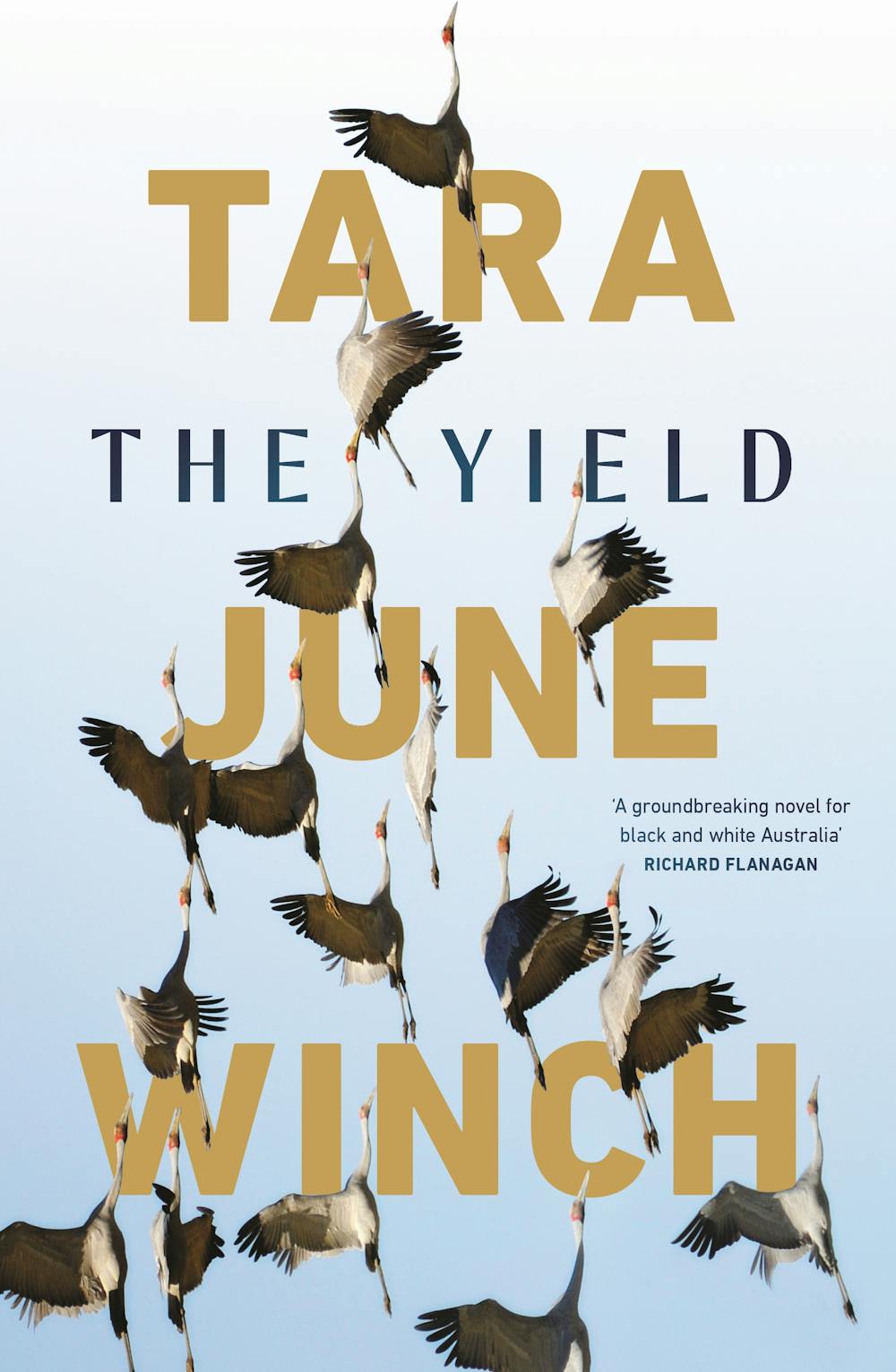
Language can take you deep inside experience – because words teach you not only how to speak, but also how to think and feel. A large part of Tara June Winch’s new novel is written as entries in a Wiradjuri dictionary, put together by the dictionary-maker Albert Gondiwindi. The first word – the “once upon a time for you” – is yarrany, Wiradjuri for a hickory acacia or spearwood tree, and Albert tell us “from it I once made a spear in order to kill a man”. Another word is baayanha meaning yield, which Albert calls “a funny word”. In English the word “yield” is the reaping, the things than man can take from the land”. But in Albert’s language “it’s the things you give to, the movement, the space between things”.
The action of The Yield centres on Albert’s granddaughter, August, who has returned to Country for her grandfather’s funeral after years in exile. Memories resurface, as August is entangled in circles of kinship, with aunties, nieces and cousins.
There are sombre notes. To August, everything is “browner, bone-drier”, and the evocative place name Massacre Plains reminds us that this is a site of invasion and violence. And then there’s the mystery of August’s missing sister, Jeddah.
The community is besieged by a mining development. Diggers roll into town, flanked by military-green Humvees. Winch charts the relationships between white activists and Indigenous rights groups, as they organise acts of resistance.
Aunty Betty and Aunt Carol Gibson get themselves locked against a fence in an act of protest. “Don’t fight back” says Mandy to August. “They can’t arrest us for sitting in”. Hours later rocks are hurled, water cannons discharge, and police squirt teargas. The past “filtered into their voices as they screamed together ‘Re-sist!‘”
Of course, Albert’s dictionary – “the old language, kept safe. Digitised. Captured forever” – is another kind of resistance. When August listens, she can hear the way “English changed their tongues, the formation of their minds”. This is also a book of hope in this resurgent language.
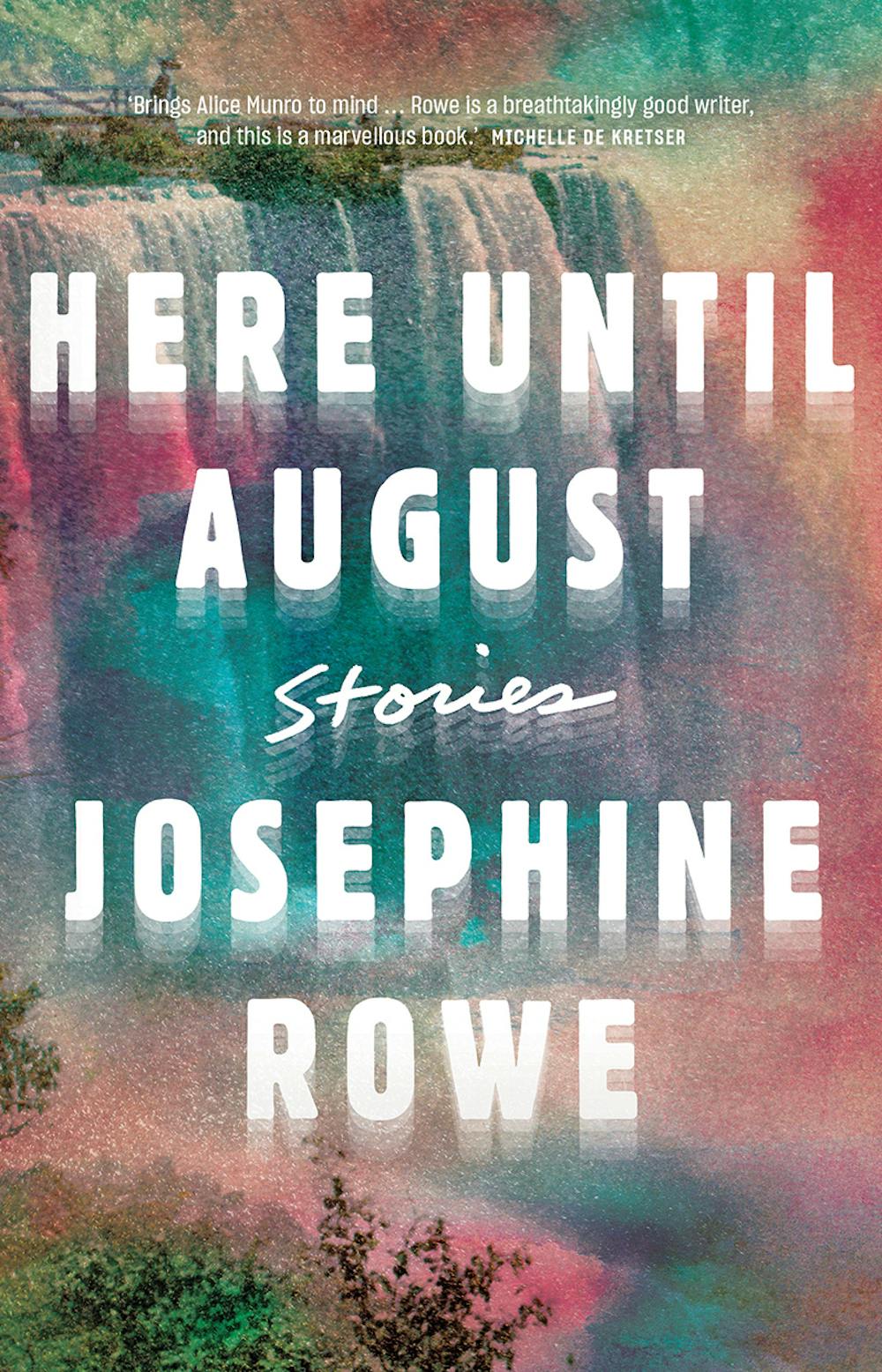
The opening story in Josephine Rowe’s collection is called Glisk, a Scots word meaning a split second: a flash; a single instant. It’s a wonderful opening title in a short story collection that seems to telescope, stack and compress time, propelling characters across continents, through stark or solemn landscapes, or pinning them down in small towns.
Rowe’s characters are mostly fleeing grief or trauma, trying to find solace in strange lands. In Glisk, protagonist Fynn returns after working in a whiskey distillery in the Northern Isles of Scotland. The title conjures the fatal car accident that drove Fynn from Perth. But it also describes an earlier accident in which Fynn and his siblings built a raft with foam and buckets so they could journey out to an island to see the bioluminescence in the ocean. Only that time, catastrophe had been avoided.
These are wonderful stories. In Chavez, an agoraphobic young woman grieving for a dead husband, stays at home watching terrorist videos, until a neighbour asks her to look after her dog, forcing her to engage with the world. In The Once-Drowned Man a taxi driver and her passenger head for the Canadian border, engaging in an oddly uncomfortable struggle over grief and hurt.
Rowe’s stories deftly capture the fleeting and precarious moments that can shape and place us, or move us – like Fynn – towards a faltering redemption, “with the dark folding over the top of him”, all in a glisk.
There Was Still Love by Favel Parrett
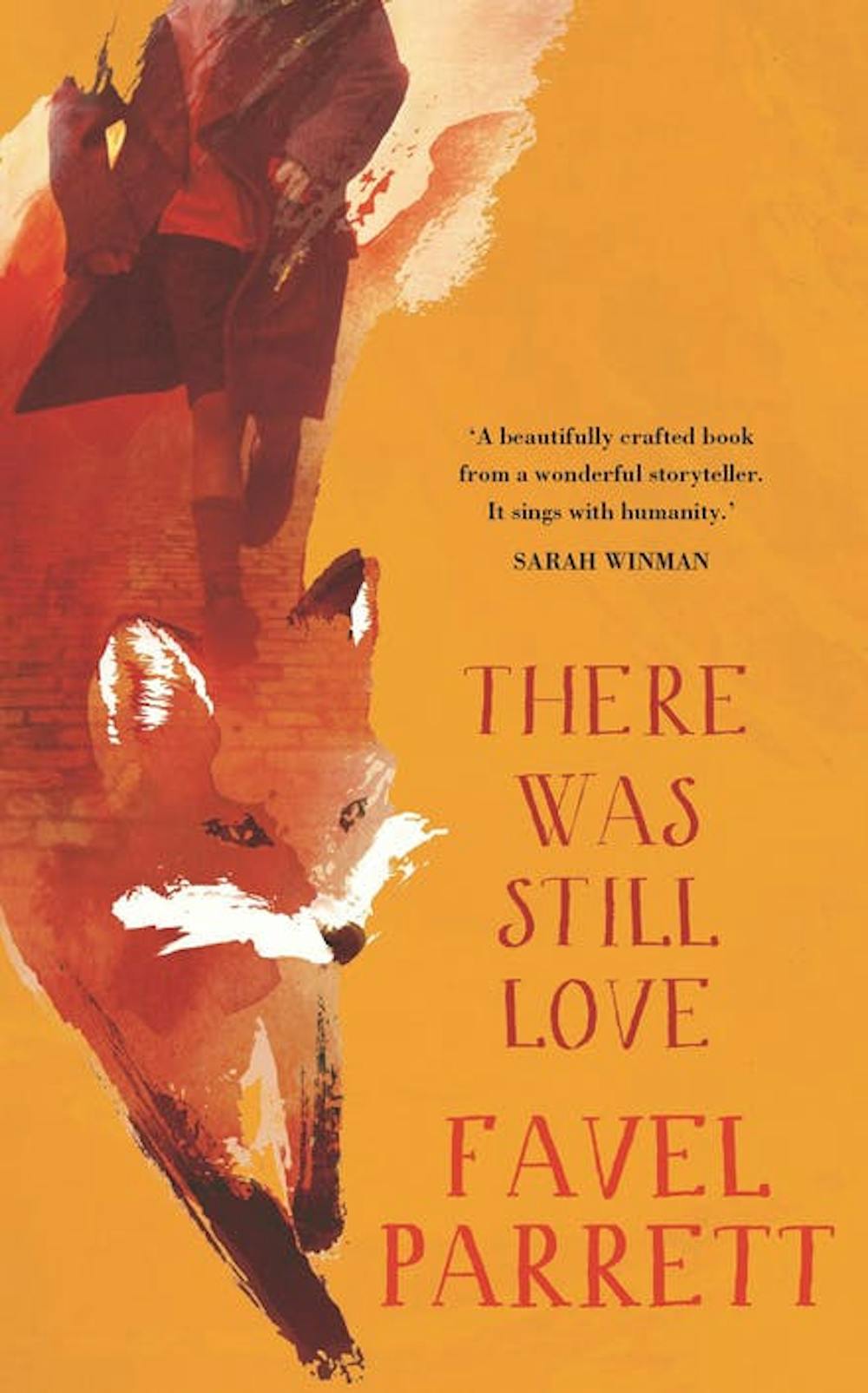
Parrett’s third novel opens with an image of extraordinary dislocation, evoked through all the “little brown suitcases … on trains, and on carts” or “strapped to the top of buses” carried by people whose lives have been uprooted by war. Inside the suitcases, not just clothes and toiletries, but “all they can hold … your heart, your mind, your soul”.
Favell’s novel tells the story of two sisters, Liska and Ludek, who are separated as teenagers, firstly by the Nazi occupation of Czechoslovakia and then by the Cold War. Ludek stays in Prague, while Liska travels to London and on to Melbourne.
Liska negotiates the problems of a second language, together with her husband’s straightened work opportunities. Ludek travels the world as a member of Prague’s Black Light Theatre, a child kept at home to ensure her return to life behind the Iron Curtain. Both raise children in vastly different worlds. Both build and sustain homes that are marked by love.
Parrett paints a picture of the sometimes troubling life lived in a communist state, coloured by vivid details of 1980s culture. The prose is lyrical, and the child’s perspective is diffuse with a kind of magic.
This is a book about strong women. It is a story about complicated family lives, longing for home, and the worlds women build – through love – for their families.
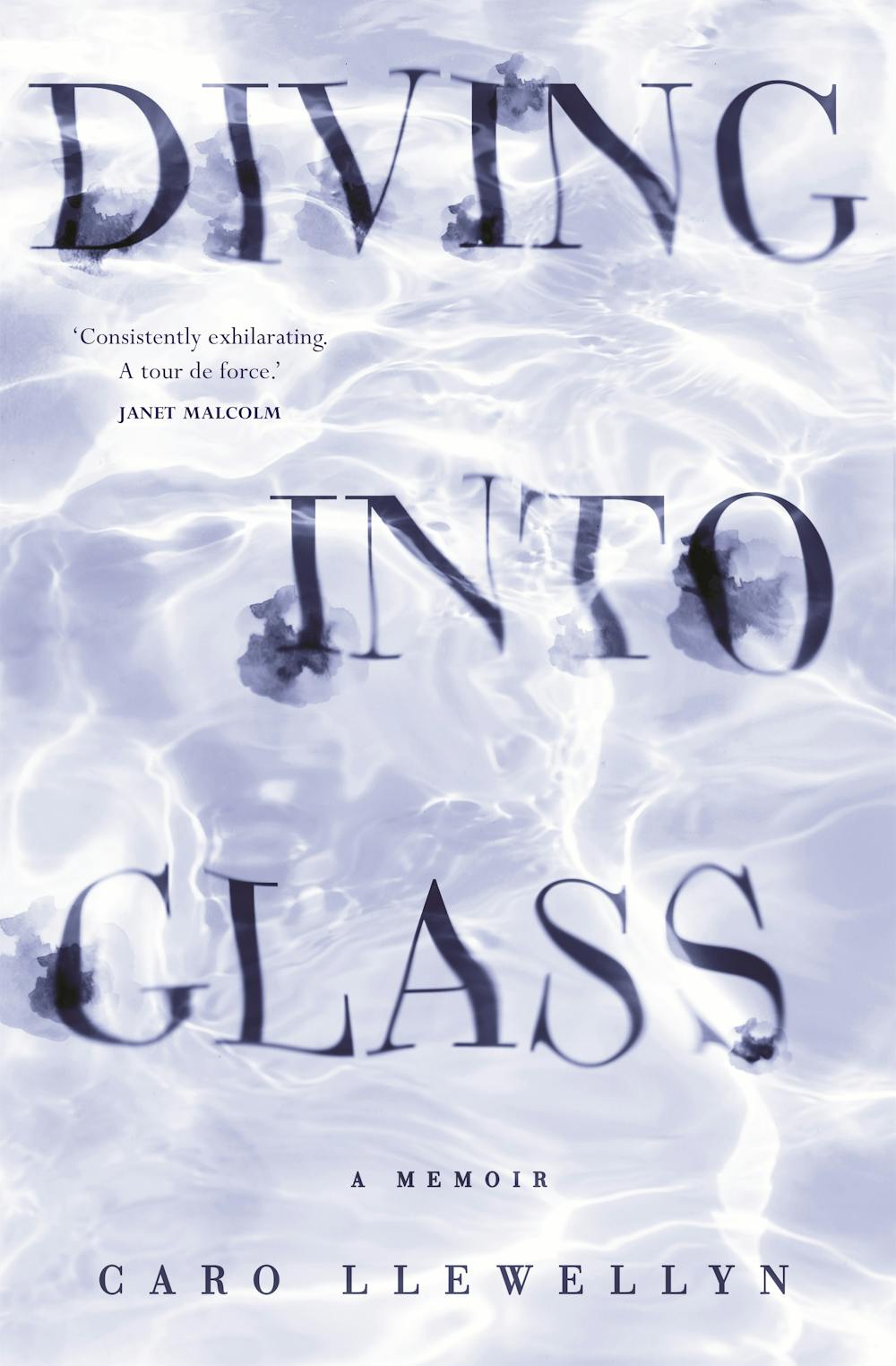
Just after her 40th birthday, Caro Llewellyn – recently arrived in New York, working her dream job as director of the PEN Festival for writers – collapsed as she ran through Central Park. In hospital a few days later, her neurologist told her that she had been diagnosed with multiple sclerosis, an illness associated with the central nervous system – chronic, debilitating and lifelong.
This memoir is a record of Llewellyn’s struggle not to be defined by her disability. Its title enviably encapsulates the things that glitter and shimmer and exhilarate in this book. A sense of breathless energy just leaps off the page. “I was a runner all my life,” Llewellyn writes. Not just long and short distance, but also hurdles and relay. “It didn’t matter what I ran, so long as I was spent when I crossed the finish line”.
This is a book about many things: Llewellyn’s career, the strength she draws from her charming and ingenious father who was wheelchair-bound, having been struck by polio at 20. He married twice, courting his first wife – a hospital nurse – from deep inside an iron lung. Llewellyn learned a lot from her parents, though not always strictly wise. They included, “carry on like absolutely nothing’s wrong”, “build an impenetrable wall around your weaknesses”, or best of all “no matter how impossible it seems, how long the odds, words and a good story can help you overcome every single thing stacked up against you”.
But, as Llewellyn writes, “The day my legs went numb on the running track in Central Park, every one of those lessons evaporated”. This is not a book about overcoming illness or disability. It ends – much like it starts – with Llewellyn’s gaze on the horizon, searching.
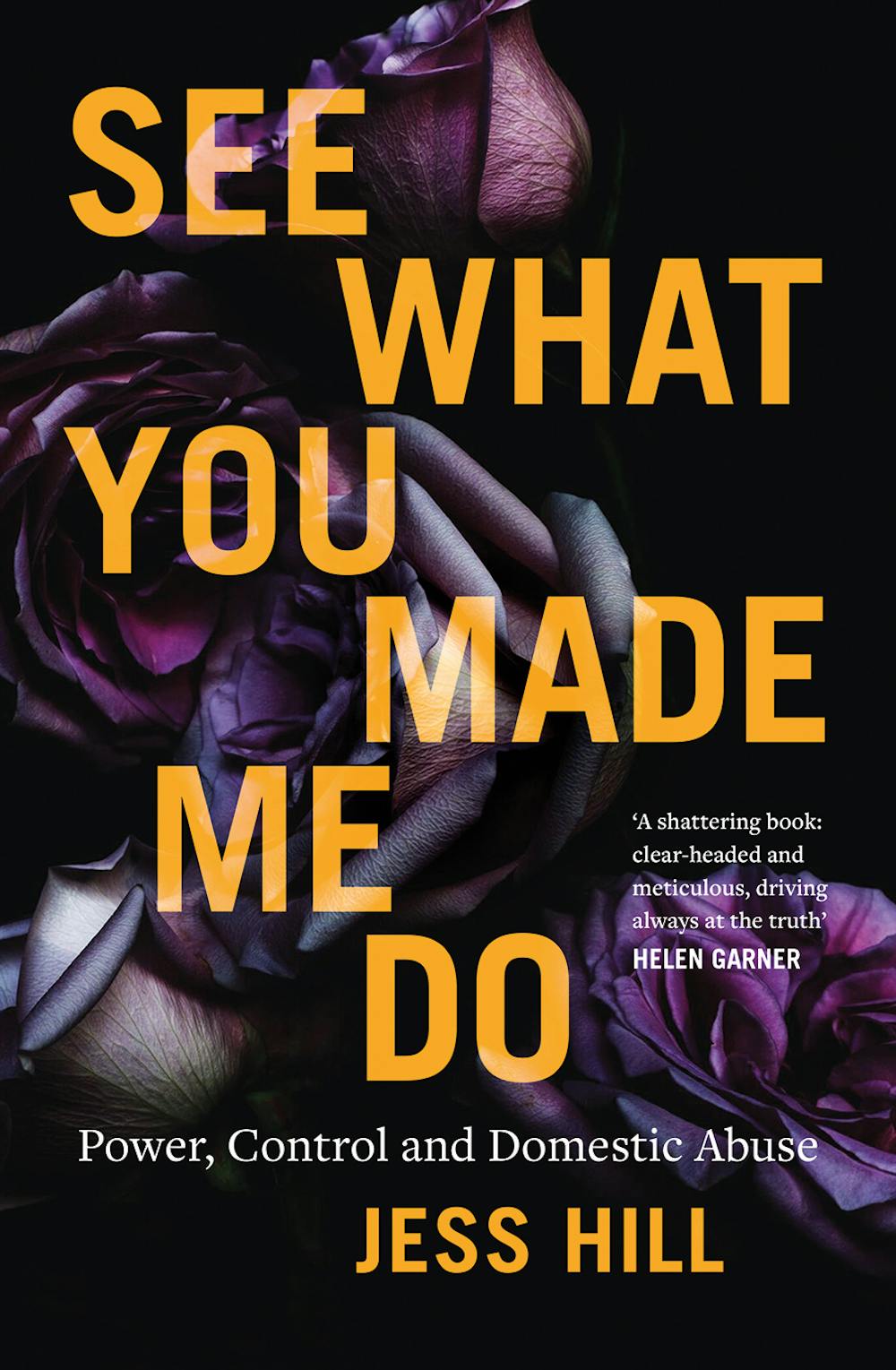
See What You Made Me Do by Jess Hill
Jess Hill’s book is a deeply felt exploration of institutional failure. It opens with Hill standing in her backyard “hanging clothes out to dry on a stunning summer night alive with the screeching of fruit bats”, in a place where she “felt content, peaceful; safe”. Then comes the stunning realisation that many women do not get to feel safe, not at night, and not in their own backyard.
It’s 2015, a year on from the morning Australians woke up to see Rosie Batty, “a solitary woman, raw with grief” on their television screens. In front of her was “a clutch of reporters who’d barely hoped for a statement”. Batty told the media about the murder of her son – 11-year-old Luke Batty – at the hands of his father. It was the scenario she’d warned about countless times, in courts and police stations, in front of lawyers and judges and to social workers. Her pleas had been dismissed and disbelieved.
See What You Made Me Do brings together stories of domestic violence and survival from all walks of life – from the affluent neighbourhoods of Sydney’s Bible Belt to struggling remote and regional communities. Hill investigates the social and psychological causes of domestic abuse and its terrifying consequences. She talks to frontline social workers, counsellors who work the hotlines, and police.
Hill’s book maps the contours of a twisted public debate, through which the rights of children and women to safety – to feel secure, to live free from violence – are repeatedly brought up short by politics.
The Stella Prize will be announced online by Julia Gillard from 8pm (AEST) on Tuesday 14 April 2020.
A recent project to encourage South Australian prisoners to write provides insights into how prisoners may benefit from written expression.
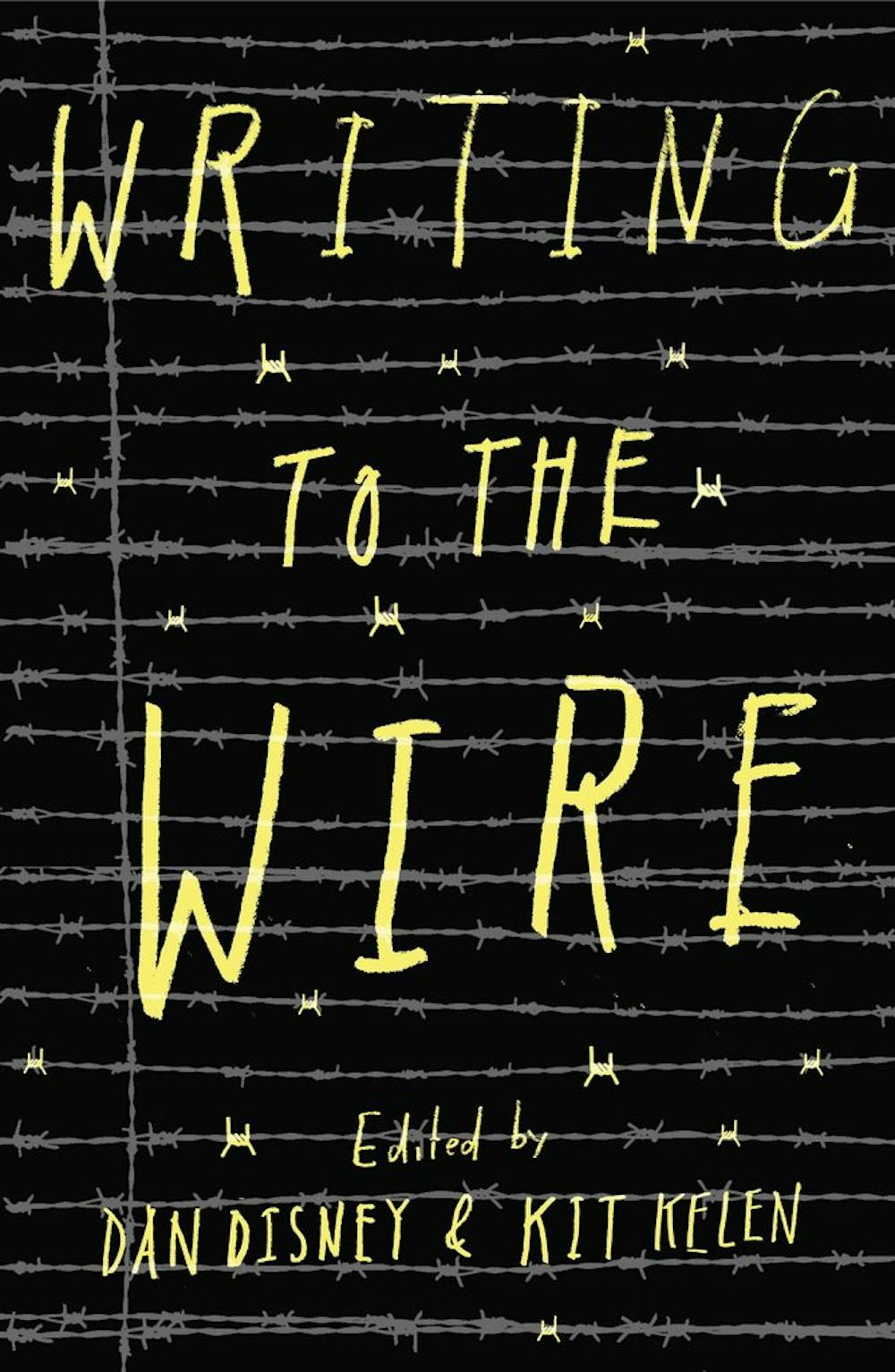
The project, Life Sentences, gave more than 70 contributors professional feedback, certificates of merit and publication in a booklet produced annually from 2017 to 2019.
The submissions revealed a surprising diversity of topics, considerable talent and self-awareness.
The back story
Life Sentences began as an offshoot of Art by Prisoners, a visual arts competition organised by Jeremy Ryder, who wanted to showcase art from prisoners across South Australia.
We wondered if prisoners may also want to express themselves through writing. Department for Correctional Services officers promoted Life Sentences and prisoners responded with interest. After the program, Life Sentences booklets were available to the public at the Art by Prisoners exhibitions.
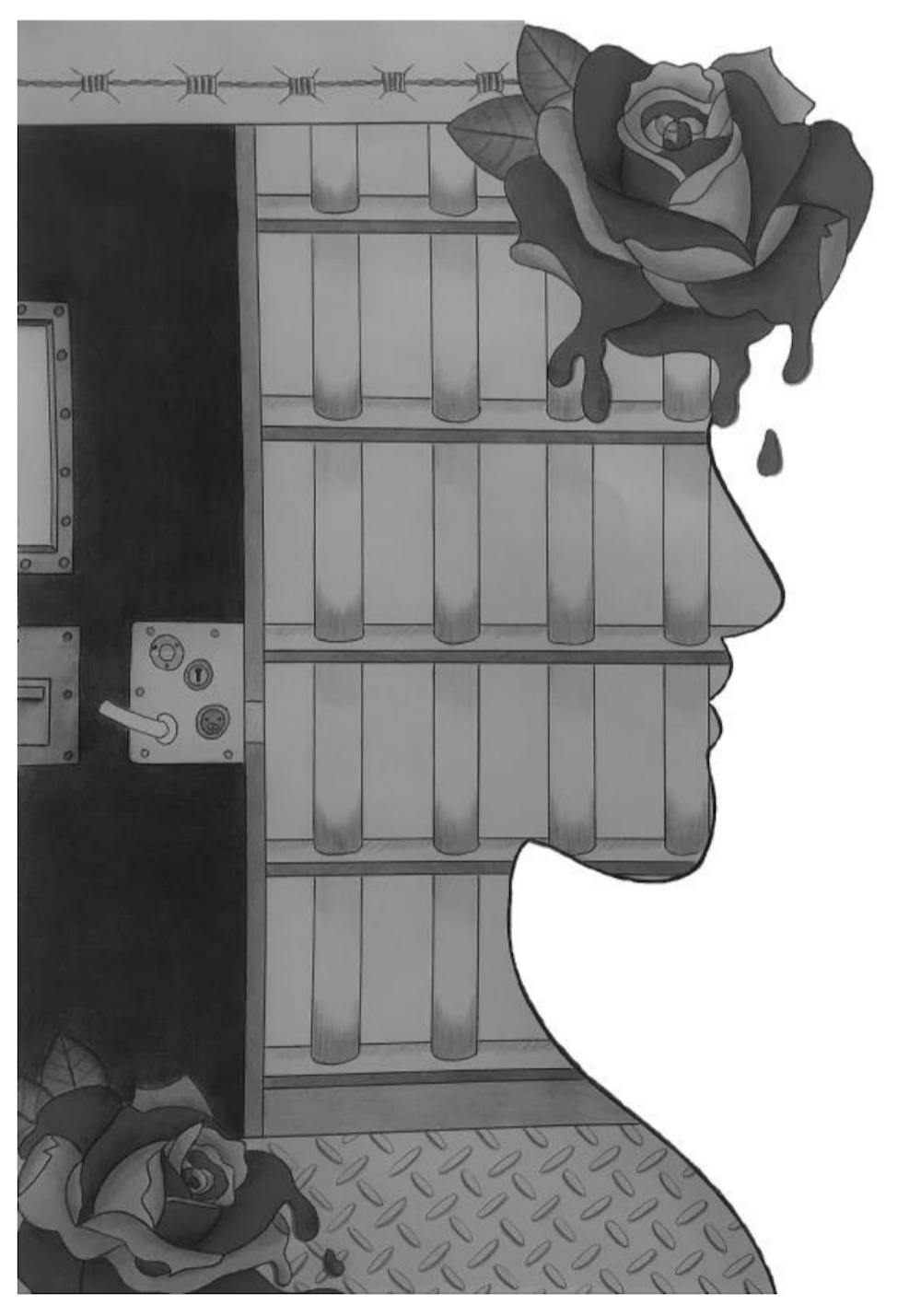
Prisoners also provided cover designs for the project. Life Sentences, Author provided
Firsthand writing from and about prisons isn’t new. Prison literature has a rich tradition, with writers such as Jack London, O. Henry and Oscar Wilde writing about their experiences in jail. The nine years Dostoyevsky spent in Siberian imprisonment and exile gave him the focus and depth of understanding to become one of the greats.
Conversely, illiteracy in Australian prisons is prevalent. A recent government report found around one in three Australian prisoners had only completed Year 9 (or under) at secondary school. One aim of Life Sentences was to provide encouraging feedback for prisoners of varying literacy levels. Although not all of the writing submitted was grammatically perfect, feedback focused on what the prisoners did well in their writing. This was seen as a first step in getting prisoners to enjoy writing and begin the adventure of literacy.
Stories of pain and humour
What Life Sentences contributors wrote about was telling. Most entries directly related to what American criminologist Greshem Sykes called the “pains of imprisonment” in 1958. This wasn’t surprising, and it is hoped writing about such pains was healing for the writers. What was more surprising was the number of entries not directly about imprisonment.
Of 77 contributors over three years, 26 expressed pain, fear and depression from imprisonment (even suicidal thoughts), and often how much they missed their children or loved ones. The heartbreaking lines from a 26-year-old woman’s poem called Little Treasure illustrate this:
But I will never forget
His sweet little smile
My darling little boy
Is now their child.
Although male and female prisoners both expressed tender feelings towards their lost partners, the male writers would at times also express sexual longing for their loved ones or for imagined partners. In Prisoner’s Lament, a 61-year-old male wrote:
I can but lament the way my life went,
Before I ended up here,
Instead of a gun and a greed-driven bent,
I’d be armed with a babe and a beer.
Eight of the poems – both fictional and autobiographical pieces – describe prison life using humour. In Lean Cuisine, a man, 45, wrote of the food, gloryless food he got over the course of a week:
Friday’s no surprise with some sort of sloppy pasta
Nothing is as bad as that tomato disaster.
Saturday is early lockup: chicken wings and rice
Some blokes sprint for seconds, yelling ‘This shit’s so fucking nice!‘
Although some contributors wrote about their abusive childhoods, others wrote with nostalgia about their upbringings. A 51-year-old man’s poem, Edge of the World, tells of spending a day on a jetty with his father and siblings:
Like well-practised commandos
we inched along the side rail
dodging gut stains
jagged notches and salty scales.
One prisoner wrote a nostalgic poem about his childhood. Shutterstock
Eight entries philosophised about life, and two honoured religious deities. Two contributors wrote about their lives, with the goal of inspiring others to stay out of jail and lead happier, more productive lives.
Five entries pondered the personal meanings of art or writing. Other themes explored drugs and alcohol, futuristic societies, rock band membership, friendship, political statements (Fuck the System), dreams and the supernatural (The Love of a Lycan was a song about a werewolf). Three entries were hip hop raps.
Being recognised
The Western Australian literary journal Westerly included several of the 2017 entries in a special edition about South Australian writing.
Hidden talents emerged. A 22-year-old male rapper demonstrated advanced verbal skills in his Laggin Rap:
I want my chance to climb but I’m firmly underground
proud to get his lips clappin louder than a thunder cloud.
Man, Hip Hop’s beautiful — totally therapeutical —
better health benefits than pharmaceuticals.
Another contributor submitted two novels in 2017 and two more in the following competitions. Although already an accomplished writer, he incorporated the feedback he received in the first year. His manuscript was an exciting adventure set in 18th century France. The novel begins:
The battlefields were torn by heavy hooves and ran red with blood. Pieces of meat that used to be men lay tossed about and were scattered in windrows. Mud made it difficult to distinguish between uniforms, yet they found uniformity in a death that made a mockery of it all. It was not yet lunchtime.
The same author printed, bound and illustrated his own novels. He and other contributors also revealed a pattern by the third edition of Life Sentences: a growing awareness of their new identities as writers.
Life Sentences is giving prisoners a chance to write expressively. Shutterstock
What Prisoners Need
Australian prison libraries are often inadequate for supporting prisoners who seek to improve their literacy skills.
Knowing what prisoners like to write about could inform decisions about the types of books to stock in prisons to encourage reading and writing. Prisoners who wish to write motivational books could be exposed to notable authors in this genre, such as Tony Robbins and Dale Carnegie.
To stay out of prison, ex-prisoners need to achieve what criminologists call “secondary desistance”, meaning both the prisoner and society see the prisoner as changed and occupying a law-abiding role in society. Writing might be one way to achieve this and open up new career paths. Writing may also allow prisoners and “civilians” to connect. As one Life Sentences writer put it:
Without seeing their individual faces, I recognise that I am part of the greater consciousness that makes up the brotherhood of writers across the world.
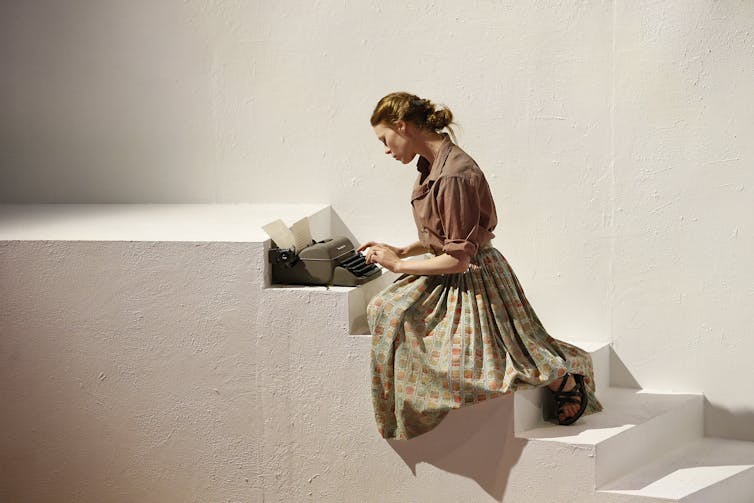
Anna McGahan as Charmian Clift in Sue Smith’s play Hydra. Long overshadowed by her husband George Johnston, recent years have seen a resurgence of interest in Clift’s life and work. Jeff Busby/Queensland Theatre
Fifty years after her death, Australian writer Charmian Clift is experiencing a renaissance. Born in 1923, Clift co-authored three novels with her husband George Johnston, wrote two under her own name, produced two travel memoirs, and had weekly column widely syndicated to major Australia papers during the the 1960s.
Clift has long been overshadowed by the legacy of Johnston, whose novel My Brother Jack is considered an Australian classic. Her novels and memoirs are sadly out of print, yet she is increasingly recognised for her important place in Australian culture.
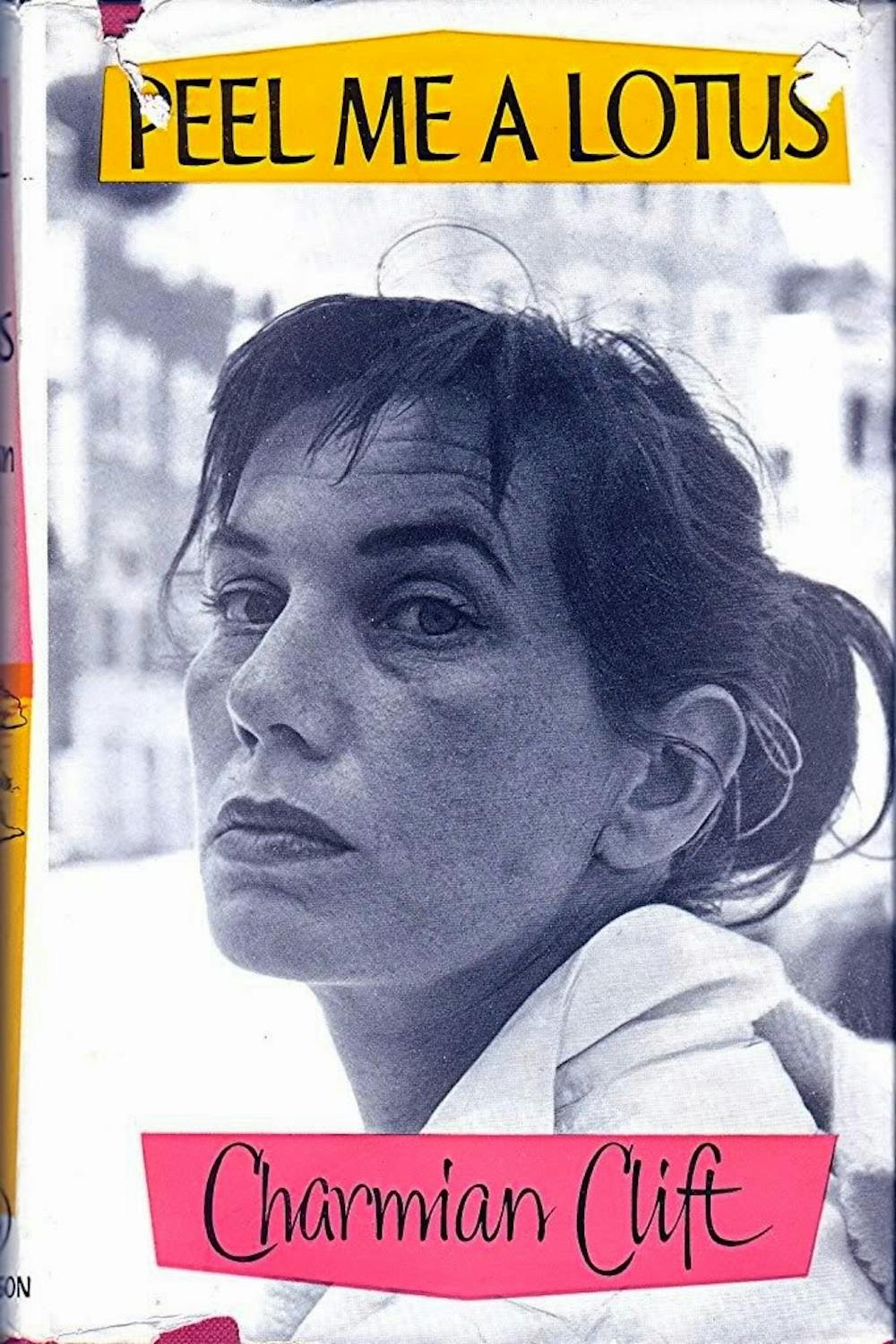
Charmian Clift, pictured on the front cover of her memoir, Peel Me a Lotus. Hutchinson, 1959
In 2018 she, along with Johnston, was inducted into the Australian Media Hall of Fame in recognition of her work as a columnist. She is also being reimagined in fiction, as the subject of A Theatre of Dreamers (2020), a forthcoming novel by English author, Polly Samson, and in Tamar Hodes’ The Water and the Wine (2018).
The revival of interest in Clift is more than a collective nostalgia or feminist correction of the historical record, although both are relevant. Many of her readers from the 60s still remember her newspaper column, and the impact that it had on their view of Australia’s place in the world, with great affection.
Younger generations, particularly women, have also been exposed to Clift’s clear and passionate voice after the columns were published in several volumes in the years following her death. That Clift and her writing continue to resonate with contemporary Australia tells us something about both her and the nation.
The Hydra years
Much of the renewed interest in Clift is focused not only on her writing, but also on the near decade that she and Johnston lived on the Greek Island of Hydra. In late 2015, artist Mark Schaller’s Melbourne exhibition, Homage to Hydra, featured paintings depicting Clift and Johnston’s island lives, with several featuring other residents from Hydra’s international population of writers and artists, including Canadian poet and songwriter, Leonard Cohen.
The same year, Melbourne musicians Chris Fatouros and Spiros Falieros debuted Hydra: Songs and Tales of Bohemia, marrying Cohen’s songs to a narrative about Clift and Johnston’s time on Hydra.
To date in 2019, Sue Smith’s play, Hydra, has been staged in Brisbane and Adelaide, casting Clift in ways that resonate sympathetically with the concerns of contemporary audiences. As Smith writes in her script’s introduction:
Charmian was a woman ahead of her time. We see this in the choices she made both in her personal life, whether it be scandalising the Greek locals by wearing trousers and drinking in bars, to insisting upon her personal and sexual freedom and, of course, through her work.
Modern readers might respond to Clift the writer, but the focus on her years on Hydra suggests there is also great interest in her charismatic personality and tempestuous life with Johnson, as their dream of a cheap and sun-soaked creative island life slowly soured.
While researching the couple’s lives on Hydra, we came across a suggestive, eye-witness diary entry by a fellow writer, New Zealander Redmond Wallis, written in 1960.
Charm is her greatest creation, Charmian Clift, the great Australian woman novelist. Charmian is very curious. She is, potentially at least, a better writer than George but she has and is deliberately creating a picture of herself … which one feels she hopes will appear in her biography some day.
The head of a literary coterie, beautiful, brilliant, compassionate but still the mother of 3 children, running a house. Sweating blood against almost impossible difficulties – a husband inclined to unfounded jealousy, the heat, creative problems, the children, the problems foisted on her by other people … and yet producing great art.
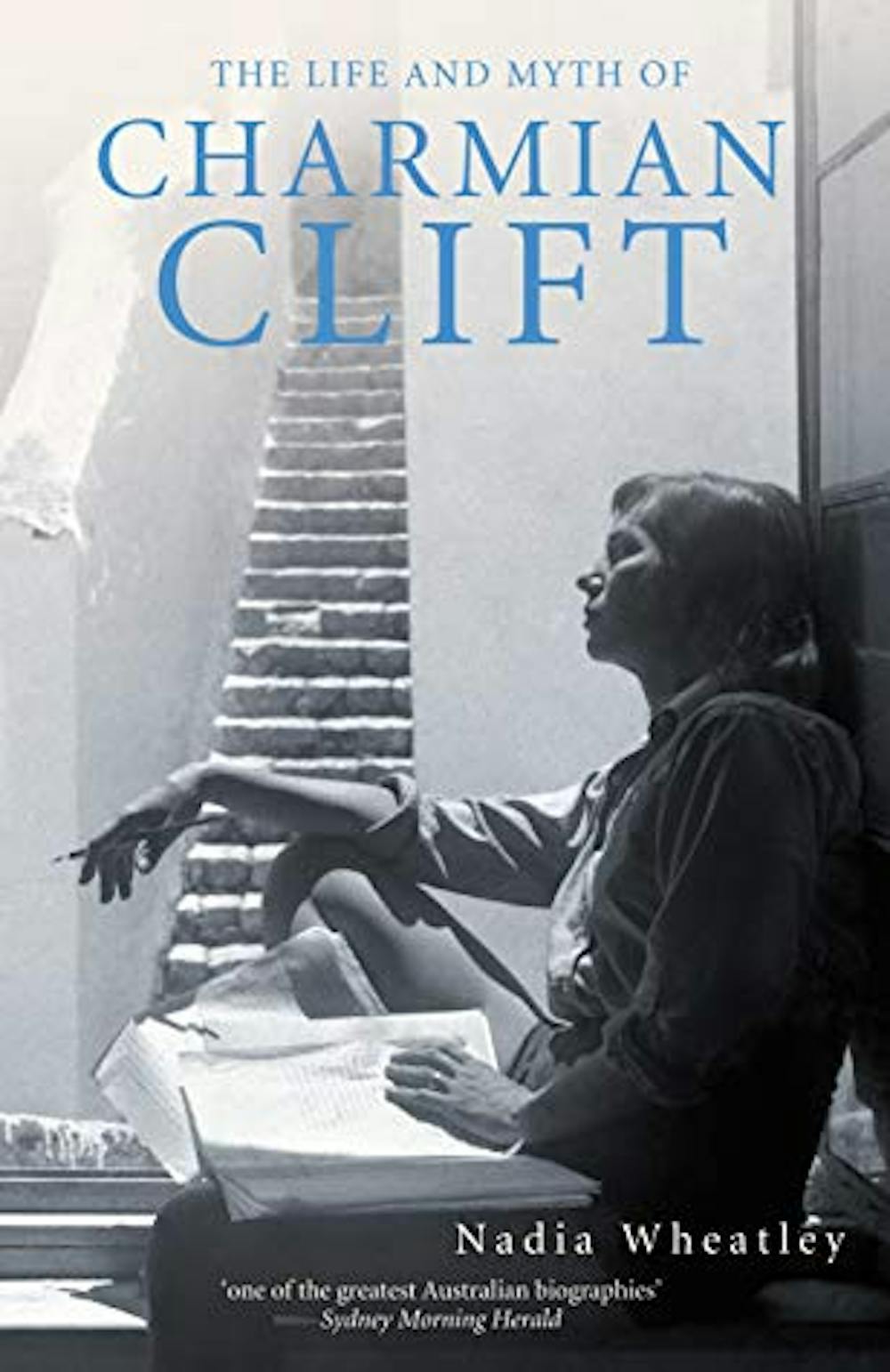
Wallis’s observations are accurate, and prophetic, in noting Clift’s capacity for self-mythologising and her belief that both she and her Hydra idyll would be remembered. Nearly four decades after Clift returned from Greece to Australia amid the acclaim for My Brother Jack, she did become the subject of an excellent biography, Nadia Wheatley’s The Life and Myth of Charmian Clift (2001).
Nadia Wheatley’s biography of Clift. Goodreads
But there were also failures amongst the success. The vision she and Johnston shared for a writing life on Hydra floundered amid poverty, alcoholism and illness. Their return to Australia in 1964 was an unlikely triumph for Johnston following the success of My Brother Jack, but Clift did not return with the same profile.
Wheatley also traced another of Clift’s great disappointments – her failure to complete her long-dreamt of autobiographical novel The End of the Morning, a struggle that was the subject of Susan Johnson’s 2004 novel, The Broken Book.
Clift did, however, leave an autobiography of sorts, in her newspaper articles. These often focused on domestic circumstances and everyday thoughts – ranging from conscription, to the rise of the Greek military junta after she left Hydra, to the changing social circumstances in Australia, and her daughter’s engagement.
These articles might not have always reflected the experiences of her readers – not everyone invited Sidney Nolan over for drinks – but Clift’s first-person narratives of a life lived with great passion and a sceptical eye to the consequences, garnered a large readership.
These readers responded to an incisive intellect with a vision of a culturally enriched Australia. She understood well the need for the country to outgrow its entrenched conservatism in order to realise its potential; and she emerged as a generous spirit who realised that the dreams and passions that drove her life were found everywhere in Australian suburbs.
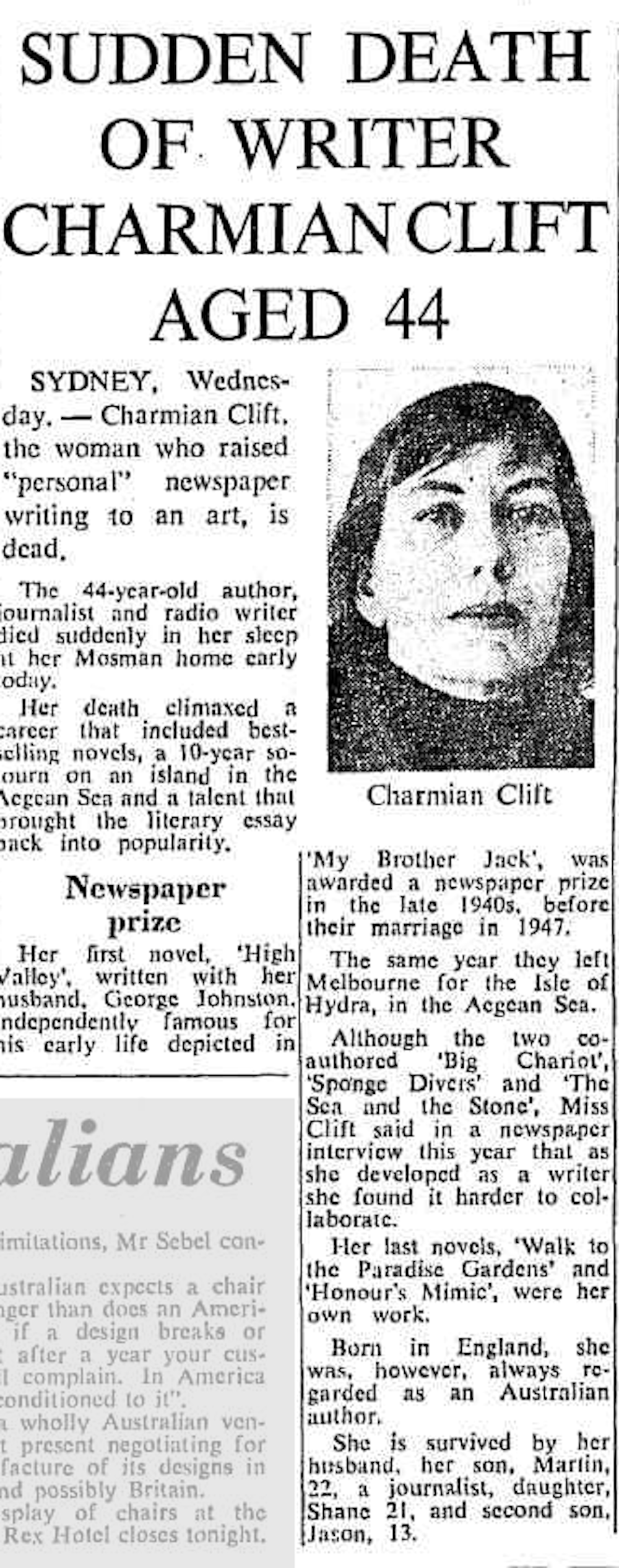
Clift’s death reported by The Canberra Times in July, 1969.
Wallis’s detection of Clift’s hubris and narcissism paints her as a potentially tragic figure. It was a fate she perhaps fulfilled, when Johnston eventually wrote of Clift’s infidelities on Hydra. Clift took her own life on July 8 1969, an event that curtailed her voice while leaving behind a legacy of loyal and grieving readers.
A natural cosmopolitan
Clift’s is one of the voices – and one of the most important female voices – that rose above the crowd during the post-war period, as the western world unknowingly girded itself for the social revolution that was to come.
Through her columns she advocated for a bolder, more outward looking future, and as someone who was naturally cosmopolitan she was avidly interested in seeing Australia become more open to the world and better integrated into the Asia-Pacific.
She didn’t always get it right (an essay decrying the rise of the Beatles and the Rolling Stones stands out!), but she helped navigate the path to a more broad-minded and inclusive vision of Australia.
Over the years Clift has emerged as someone who was not only modern, but also engaged in that most post-modern of activities, self-creation. For while Wallis scorned Clift’s self-mythologising at the time, it might now be recognised as the finest gift of the creative artist – to re-make oneself in the image of a world yet to be made. It was her gift to her readers and Australia.
In recent weeks, Australian universities’ commitment to teaching Australian literature has come under scrutiny. This came amid revelations Sydney University has withdrawn funding from its Chair of Australian Literature – the nation’s first.
The concern goes beyond tertiary studies. We conducted a project exploring secondary school teachers’ engagement with Australian texts. We found Australian books are not consistently taught in classrooms and, when they are, they more often than not marginalise female, refugee and Indigenous authors.
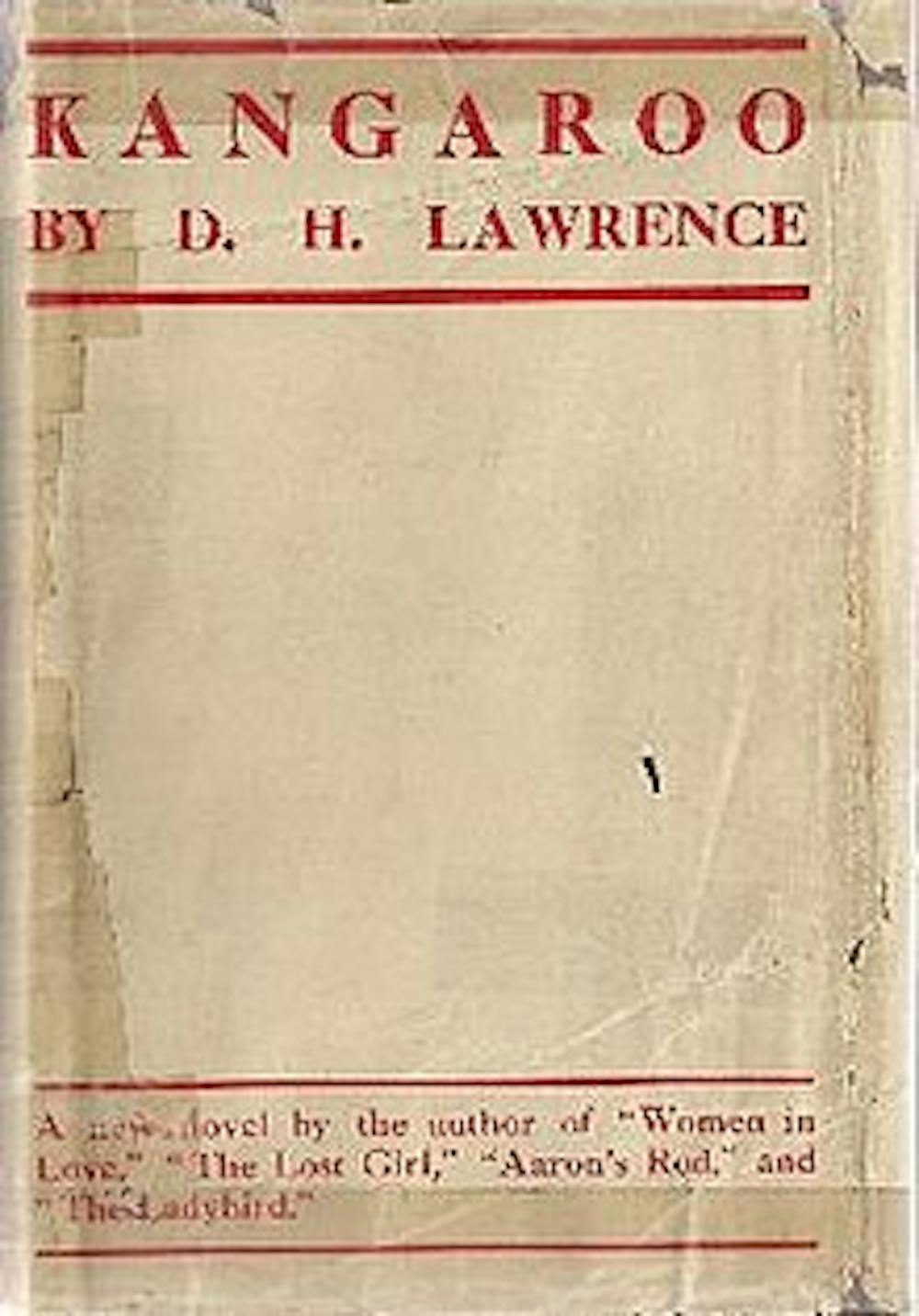
A professor famously said he would teach the novel Kangaroo, in the absence of appropriate texts by Australian authors. Wikimedia commons
The demographic of Australian classrooms has changed significantly in the past fifty years. But the texts studied in English have remained remarkably stable.
In our multi-cultural society, where compulsory schooling is intended to help develop critically informed and empathetic citizens, this situation requires serious attention.
Why teachers don’t teach Aussie books
Studying English and literature in settler societies was historically intended to support students to value “Englishness”. As a result, Australian literature, if it was acknowledged at all, was systematically marginalised and maligned in the 19th and early 20th centuries.
In the 1940s – in a precursor to what we now call the “cultural cringe” – an English professor famously renounced Australian literature. He said that, in the absence of appropriate books by Australians, he would lecture on DH Lawrence’s novel, Kangaroo.
Australia’s first national curriculum, in 2008, attempted to respond to this enduring imperial literary legacy. It mandated teaching Australian literature, placing Aboriginal and Torres Strait Islander literature at the heart of this commitment.
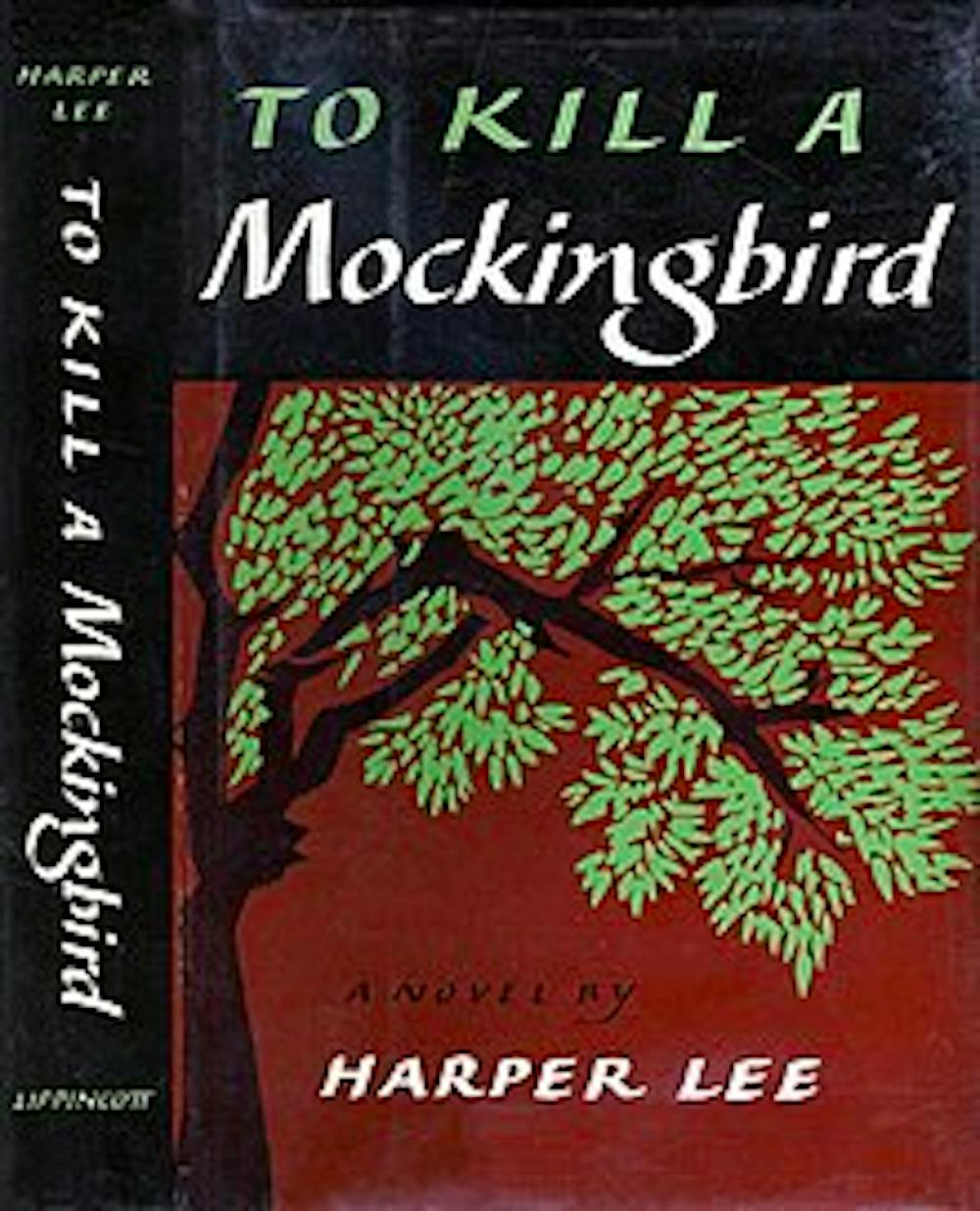
Harper Lee is one of two female authors on the list of the top 15 books taught by English teachers we compiled from our national survey. Wikimedia commons
Most states and territories have mandated text lists for school senior years, which generally include titles by Indigenous authors. But recent research in Victoria has shown school uptake of these texts is limited.
Our research shows teachers are often reluctant to select books by Australian authors. Reasons for this include a limited knowledge of diverse Australian texts, often due to a lack of exposure to Australian literature at school and university.
There are fewer teaching resources for Australian literature too and teachers are concerned about inaccurately representing the stories of Indigenous Australians.
Some teachers we spoke to also raised questions about the quality of Australian literature, as compared with more established canonical texts. One teacher said:
While I appreciate that it is important to have Australian literature in the curriculum […] I find that Australian texts are often very similar and this limits the number of themes and ideas the students are exposed to over the course of their education.
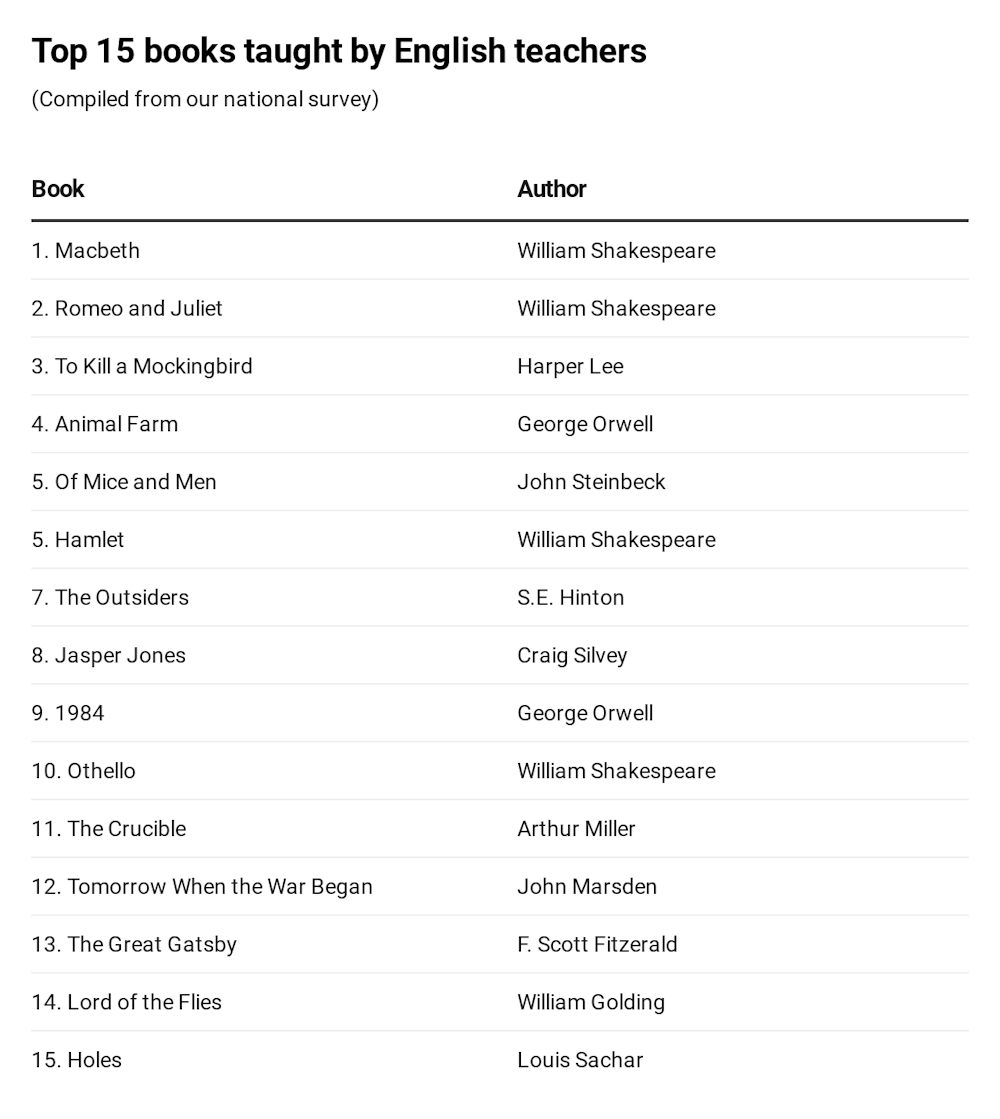
We also conducted a national survey of more than 700 English teachers, asking them what books they taught in class. The following top 15 texts were most referenced:
This should not be seen as a definitive list of texts most used in Australian classrooms. But it does offer insight into the relative status of Australian literature in the curriculum.
Most works on this list are written in the past, by male British or American writers. Most of these have formed part of the school literary canon for generations. There are only two texts by women, Hinton and Lee, and no texts by Australian women, migrant Australians or Aboriginal writers.
The only texts by Australians cited here are Marsden’s 1990s dystopian invasion series and Silvey’s 2009 coming of age novel.
How do we change it?
Our research showed teachers need more time, knowledge, resources and confidence to include more Australian literature in the classroom. This is not surprising given teachers we surveyed and interviewed often completed both secondary and tertiary studies in English without significant experiences of Australian literature.
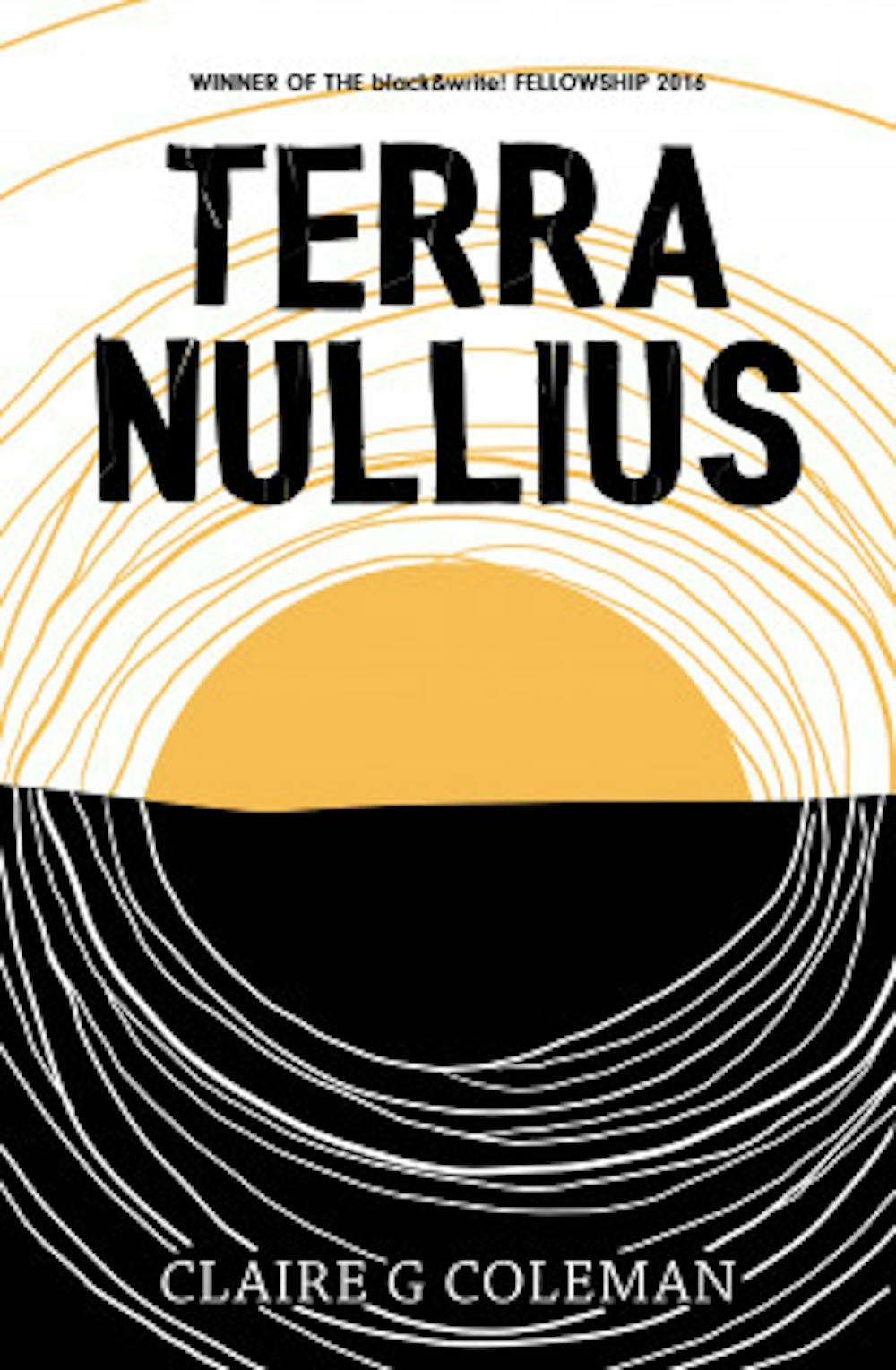
Coleman’s speculative fiction novel has been studied by our teacher researchers.
In response, colleagues and I have partnered with the Stella Prize (a literary award for Australian women writers) to develop the teacher-researchers project.
Teachers select a text from the Stella long-list. They then work intensively with the project team – which includes teacher-educators and Australian literary studies experts – and university archives or other cultural collections, to develop resources to teach their chosen texts that can be shared.
This project will expand the literary knowledge and experiences of teachers, students and school communities involved. But a concerted, bipartisan and enduring commitment to resourcing scholarship and teaching of Australian writing across universities and schools is imperative.
If we are to ensure all students experience Australian stories from the past and the present, Australian writing, in all its rich diversity, must be a central part of a literary education.
Bushfire writing has long been a part of Australian literature.
Tales of heroic rescues and bush Christmases describe a time when the fire season was confined only to summer months and Australia’s battler identity was forged in the flames.
While some of these early stories may seem melodramatic to the modern reader, they offer vital insights into the scale and timing of fires and provide an important counterpoint to suggestions from some politicians this week that Australia’s fire ecology remains unchanged in the 21st century.
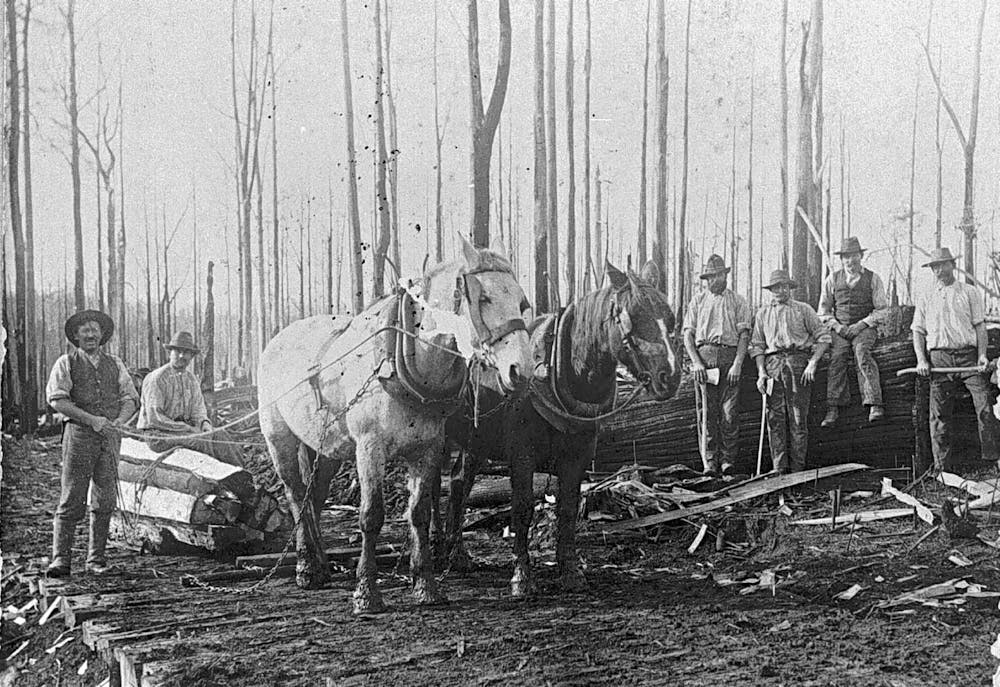
After an apparent bushfire, a horse team pulls timber at Lavers Hill in Victoria, circa 1895. Museum Victoria/NLA
A contender for the first fictional representation of an Australian bushfire is Mary Theresa Vidal’s The Cabramatta Store (1850). Although she does not specify a month, Vidal is very clear regarding the season and the oppressive, sweltering heat:
It was one of the hottest days of an unusually hot and dry Australian summer. No breeze stirred the thin, spare foliage of the gum-trees, or moved the thick grove of wattles which grew at the back of a rough log hut.
Vidal’s account of the bushfire that ensues is evocative and intense:
The tall trees were some of them red hot to the top; the fire seemed to run apace, and every leaf and stack was so dry there was nothing to impede its progress.
Vidal was not alone in treating fire as a fleeting, one-off incident. Other early accounts, such as Ellen Clacy’s 1854 romance story A Bushfire, or the prolific novelist William Howitt’s A Boy’s Adventures in the Wilds of Australia of the same year follow Vidal in depicting the bushfire as an isolated catastrophe.
Howitt’s novel takes the form of a notebook kept by Herbert, a recent young migrant, who recounts the wonder of his new life in the Bush. Though he doesn’t experience a fire at first-hand, Herbert regales the reader with another family’s bushfire adventure in lieu of his own. Yet in closing his account, dated January 14, he writes:
I wonder whether, after all, I shall see a bush-fire. During the last week we have seen lurid smoke by day, and a deep-red cloud by night … immense fires are raging in the jungle.
For Herbert, surviving a bushfire is a settler rite of passage and again, the dating of his entry emphasises the fire as a uniquely summer concern. The boyish narrator, though, cannot appreciate the trauma and severity of Antipodean fire.
An annual event
Over time, the settler community began to understand fire as a recurring phenomenon and the tone of fire stories shifted from a triumphant celebration of settler endurance, to a more brooding acceptance that the flames would return another year.
So season-bound was this understanding, a sub-genre of bushfire fiction emerged: the Christmas fire story. These works responded to the Victorian enthusiasm for yuletide tales, while at the same time highlighting the often horrific seasonal tribulations of bush-dwellers.
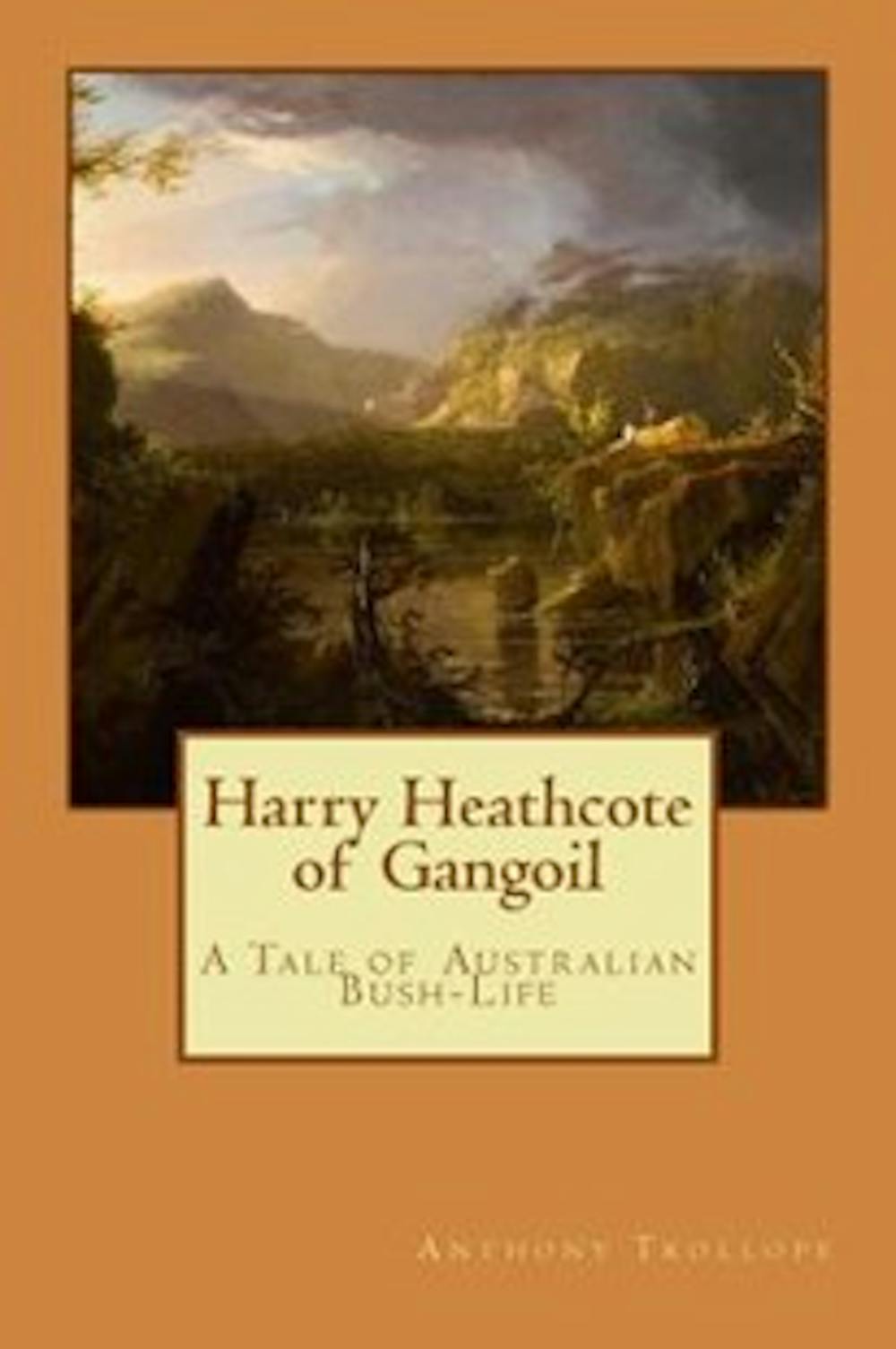
While there are many examples of Christmas fire stories, one of the best-known is Anthony Trollope’s novella Harry Heathcote of Gangoil (1874).
The plot, which takes place in the sugar-growing region of Queensland, revolves around the protagonist Harry’s deep fear of fire. Trollope highlights the hostility of the climate, the dangers posed by deforestation, and the deep-rooted anxieties that haunted migrant farmers each summer.
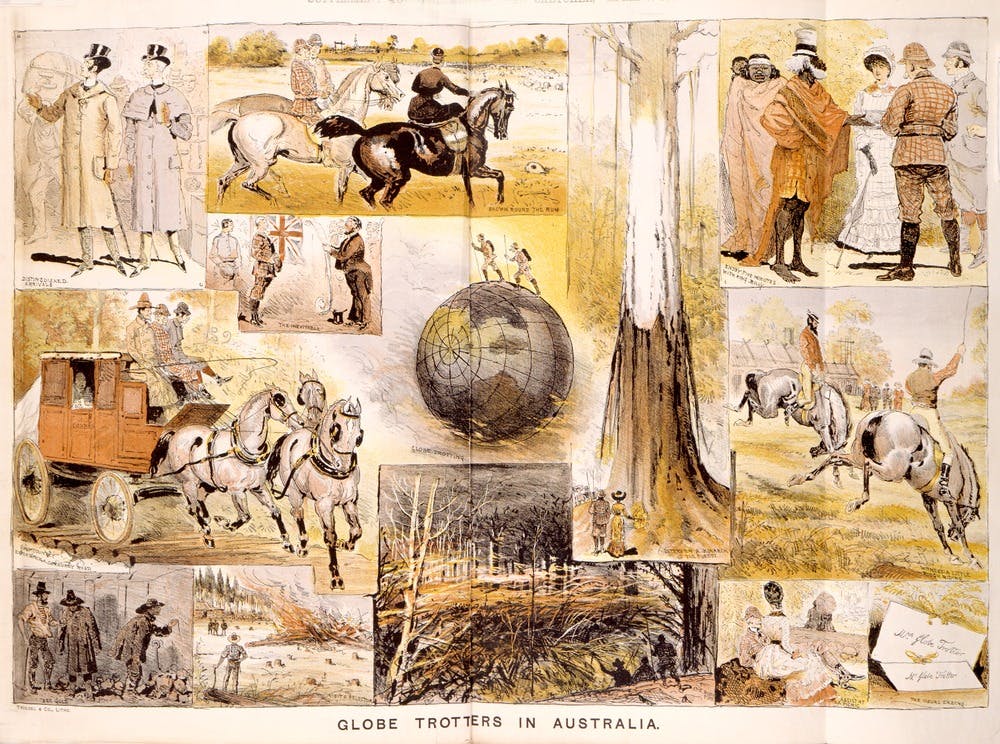
Exotic and dangerous tales from Australia – these images were published in The Australasian sketcher, April 9, 1884 – depicted life for settlers and visitors to those back in England. Troedel & Co, lithographer/State Library of Victoria
There are countless other works that allow us to map the Victorian era fire season.
Near the end of February 1857 … it was near the latter end of summer, burning hot, with the bushfires raging like volcanoes on the ranges, and the river reduced to a slender stream of water.
Once again here, the date identifies fires specifically with the summertime.
Climate emergency fiction
While 19th century fire stories offer a date-stamped and clearly defined fire season, today’s novelists work with a much less predictable set of environmental conditions.
The backdrops for the crime novelist Jane Harper’s thrillers The Dry (2016) and The Lost Man (2018) are tinder-dry rural communities, where years of drought mean fire could erupt at any moment.
Realist writing is capturing changing conditions, just as it did for settlers more than 150 years ago. Australia may always have been the “continent of fire”, as historian Tom Griffiths terms it, but literature shows us those fires are more prolific and less predictable now than ever before.
I start with a disclaimer: I am a UWA Publishing poet. I have published a book of poetry with them (as well as a novel), and have two books forthcoming with them in 2020 — The Weave, a collection of poetry co-written with Thurston Moore, and an edited and introduced volume, The Collected Poems of C.J. Brennan, the great, Sydney-dwelling, symbolist poet (1870-1932).
Now, with UWAP on the verge of being shut down, partly through what I and many others see as a misguided sense of what constitutes an interface between universities and the broader public, the fate of these books is unclear.
The University of Western Australia has proposed that “UWA Publishing operations, in their current form, come to an end” to be replaced by an open-source digital publishing model. The jobs of its employees and director Terri-ann White would likely be “surplus to requirements”. In a statement released late last week it said
Current publishing works already in train this year and next year are expected to continue, as will consultation on innovation that will assist UWA Publishing to adapt to the demands of modern publishing, with options to examine a mix of print, greater digitisation and open access publishing.
But even if contracted books are published, the closure of this publisher would be catastrophic for Australian poetry. It would be as if those books didn’t exist as something connected to a future vision of writing with purpose and community. It’s a way of killing a humanistic, inter-cultural conversation. It ignores the people who do so much to make these conversations happen.
Many voices
UWAP, especially since 2016, publishes many poetry books a year — a very unusual act of creative support and belief. Its dynamic list includes such essential voices as Ania Walwicz, Candy Royalle, Peter Rose, Quinn Eades, Kate Lilley, David McCooey, and so many other voices of the now, along with collected and selected “greats” like Francis Webb, Lesbia Harford, and Dorothy Hewett.
Yes, I speak here from the inside, as an author. Yet I also speak from the outside as a reader of poetry, and with the incredible feeling of loss I get as a reader, at this ill-thought out proposal.
UWAP publishes many “big name” writers and scholars, but also many marginalised voices and/or voices that might find it hard to publish through purely market-driven publishing houses. It is part of the country’s literary and scholarly collective conscience.
Poetry is an active ingredient of social justice not only in what it can say and talk about, but in the way that it places language under pressure, and questions how expression is used in general discourse, and why. Words of oppression are so easily accepted — poetry questions the uses and “deployment” of language.
UWAP, under Terri-ann White, is part of a clutch of poetry publishers in Australia — and there are not many — who make a commitment to poetry beyond the canonical, and with a strong sense of the need to enact this scrutiny of language. What is said in poetry is seen to matter, and I believe it does.
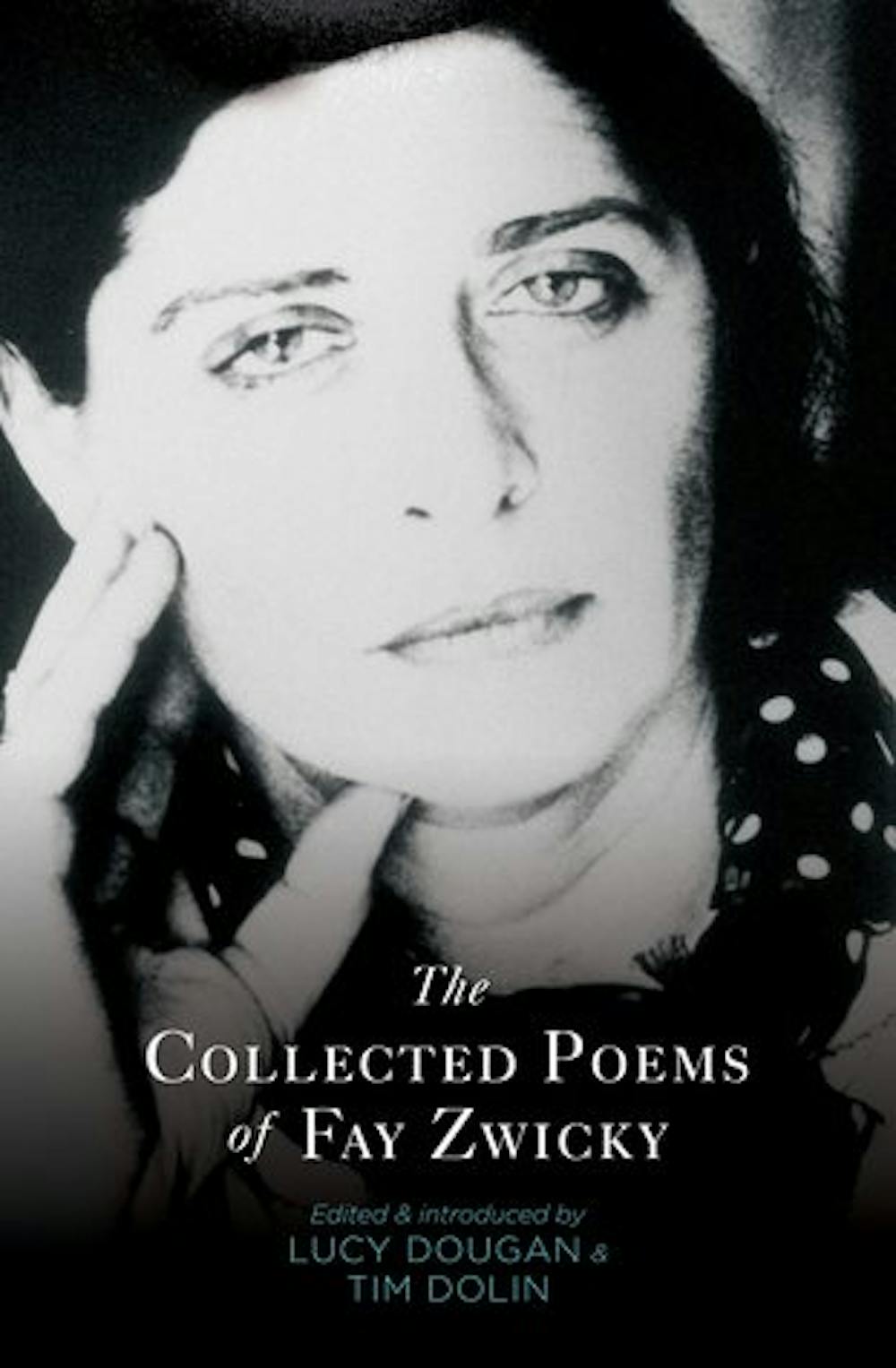
I will never forget speaking to the late Fay Zwicky in 2017, in her last weeks, about her forthcoming Collected Poems (UWAP, edited by Lucy Dougan and Tim Dolin) and her discussion of proofs and the book itself. A life’s work — one of the great bodies of poetry produced in Australia.
Zwicky had published volumes of poetry with other vital publishers in the Australia poetry community, University of Queensland Press and Giramondo. And then the collation of a life’s work — a big project that required so much attention and goodwill. It was clearly necessary, if not essential, to her.
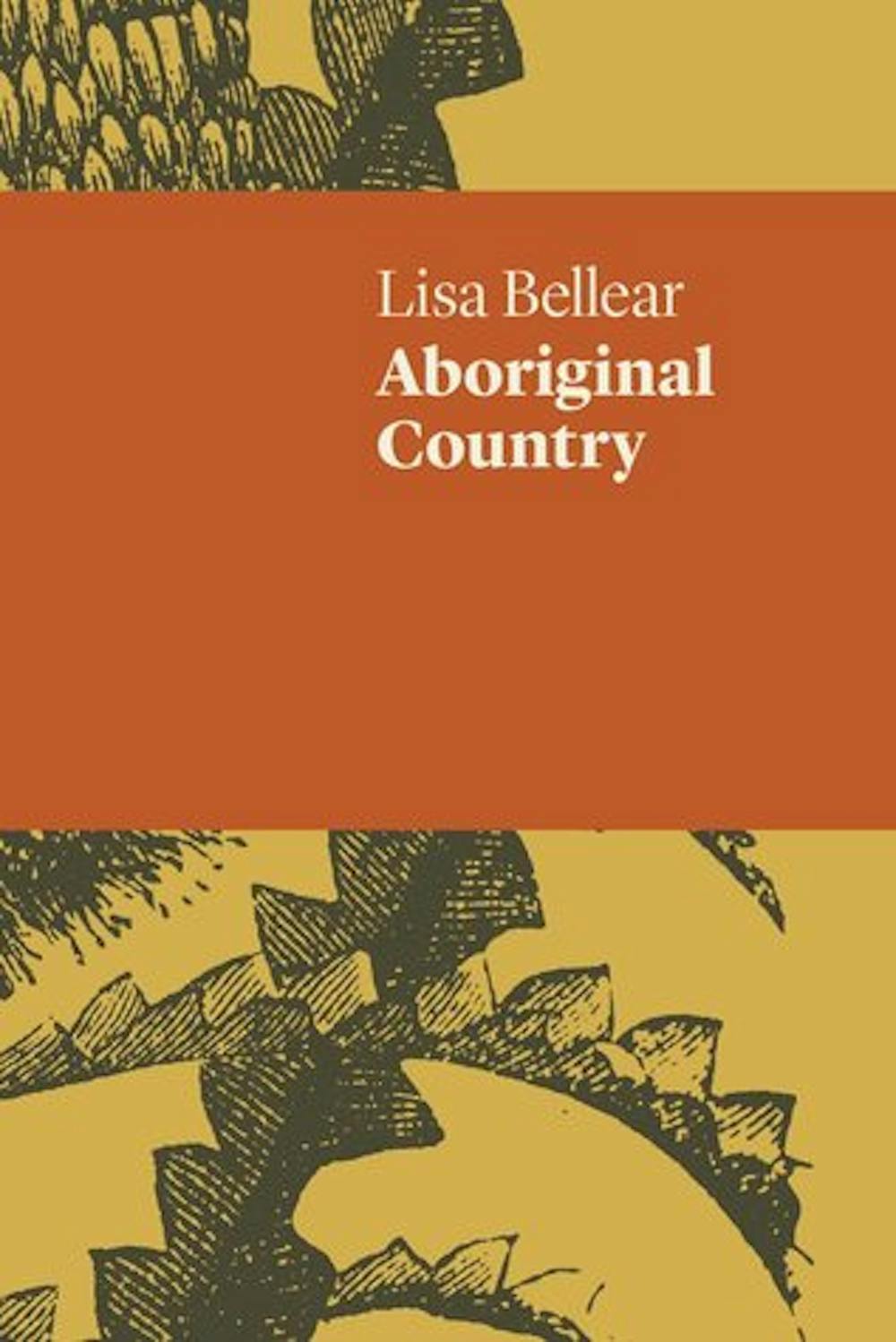
One of the many titles on the UWAP list that had a remarkable effect on so many readers, and which I noted in the Australian Book Review’s 2018 Books of the Year feature, was a collation of Lisa Bellear’s poetry — Aboriginal Country. As I said then, “the emphatic, committed voice of this remarkable Goernpil woman, feminist, poet, photographer, and activist shines through.” Not to have had access to Bellear’s work is unimaginable now we have encountered it gathered in this way.
There is huge engagement in seeing such a work through to press. It was edited (by Jen Jewel Brown), supported and seen onto the shelves via UWAP. An act of belief and support, among many such acts in a given year; all necessary.
Vitally, UWAP’s poetry list effectively manages that seemingly complex interaction between local work and that from the rest of the country. It seems too often assumed that a WA publisher will necessarily only publish WA work. Now, don’t get me wrong, I am a total believer in local publishing, but there’s also a strong necessity for a publisher that brings many localities together, as Magabala Books in Broome does with Australian Aboriginal writing.
UWAP publishes poets (and writers in general) from all over the country, and brings in some overseas titles as well. Terri-ann White actively takes her lists to readers and publishers outside Australia, and is an energetic and steadfast voice in international publishing for her authors, and for Australian and world literature.
To close UWAP would be a damaging of shared difference, of making community and discussion out of diverse voices.
While I have had the good fortune over the years to publish with some of the major poetry houses around the English-speaking world, I am especially proud and excited when a book of mine is selected for the UWAP list.
Shutting down UWAP would sever many ties and disrupt many conversations just begun, or prevent other conversations, especially of conscience, ever taking place.











 At the BookShelf
You must be logged in to post a comment.