
Unknown's avatar

My favourite detective: Trixie Belden, the uncool girl sleuth with a sensitive moral compass


Ebay

Tanya Dalziell, University of Western Australia

In a new series, writers pay tribute to fictional detectives on page and on screen.


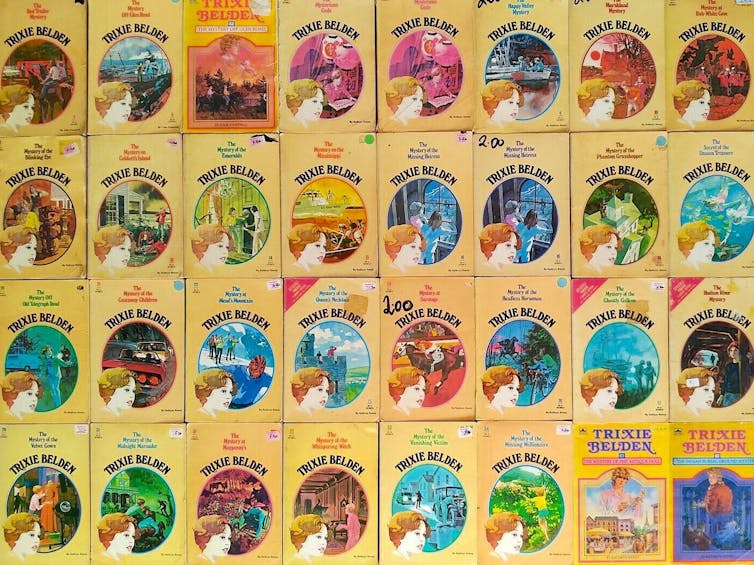
Trixie Belden, girl detective, does not rank in the world’s pantheon of cool sleuths. She’s unlikely to appear in a Coen brothers’ film (à la Marge Gunderson in Fargo (1996)), for example. Nor did she issue from the pen of hardboiled, mid-century crime writer Chester Himes.

Instead, she was the creation of Western Publishing — the American maker of Little Golden Books who wanted to market low-cost mysteries and adventures to children after the second world war — and Julie Campbell, a writer and literary agent who responded to their call.


Read more:
My favourite detective: Kurt Wallander — too grumpy to like, relatable enough to get under your skin


Campbell wrote the first six books in the series from 1948 to 1958. The rest, some 30 or so, were composed by ghostwriters between 1961 and 1986 and published under the pseudonym, Kathryn Kenny.

As a child, I had no inkling of this origin story. So far as I knew, Trixie Belden was from Crabapple Farm, Sleepyside, in the Hudson River Valley. She had three brothers (two older, one younger) and her best friend was Honey Wheeler, met in the original book, The Secret of the Mansion (1948), which I read more than 30 years after it was first published.

Friends like these
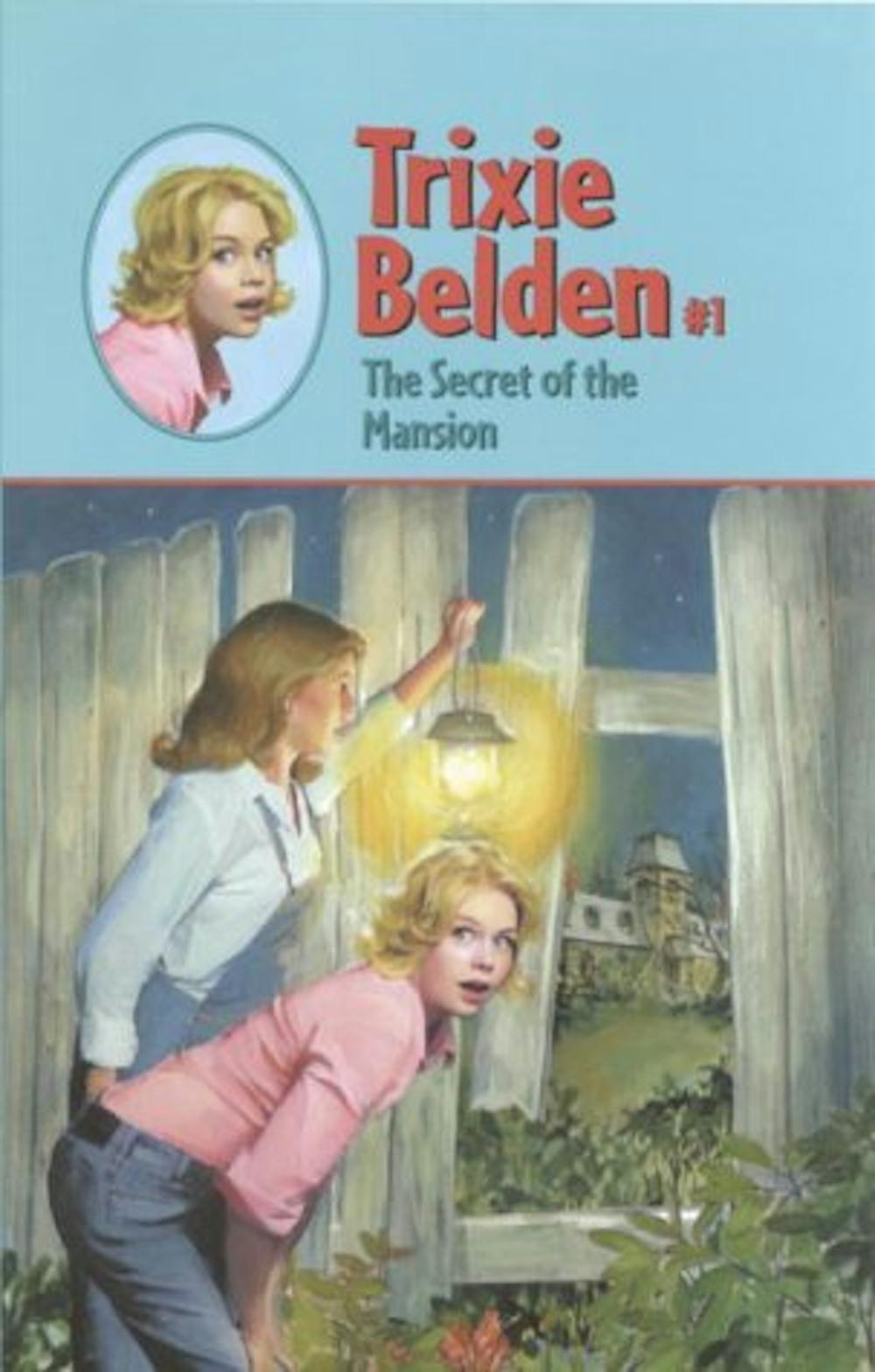
Trixie Belden book cover. Two girls peek through curtain.

Goodreads

Honey was rich and beautiful. So was Diana, who turned up a bit later in the series and was memorably said to have violet eyes. Trixie was neither of these things.

In the first book, at the age of 13, she found her detective vocation by uncovering the fortune of a deceased recluse. She also met its beneficiary. Jim Frayne, a runaway with a brutal stepfather, would become Honey’s adopted brother, Trixie’s blossoming love interest, and a member of the Bob-Whites, Trixie’s club of friends who formed the support cast for the Belden-Wheeler Detective Agency.

Whether searching for a lost weather vane or tracking down an arsonist, Trixie was at the centre of all the mysteries, which I avidly read and reread.


Read more:
Friday essay: Alice Pung — how reading changed my life


My attraction to Trixie was not a matter of projection or identification; my world was clearly unlike hers.

I did not anticipate that I would come across a rabid dog; rescue a pilot from a burning aeroplane; or have to suck blood from my brother’s toe to prevent his poisoning by a copperhead. (And that was all in only the first book of the series).

Trixie was obsessed with horses, I was more interested in her setter dog, Reddy. Trixie was terrible at maths, which had yet to cause me trouble.

The differences between us didn’t matter so much as our shared interest in “running all the information through [our] mental computer” (from 1977’s The Mystery of the Uninvited Guest). I wanted to figure things out, just like Trixie. She nonetheless had many amateur sleuth competitors on my primary school reading list.


Read more:
The kids are alright: young adult post-disaster novels can teach us about trauma and survival


Tips for young detectives

I had the non-fiction Detective’s Handbook out on constant library loan. It was instructive in disguise-wearing and decoding. Then there was Enid Blyton’s The Famous Five and The Secret Seven, and also Nancy Drew.
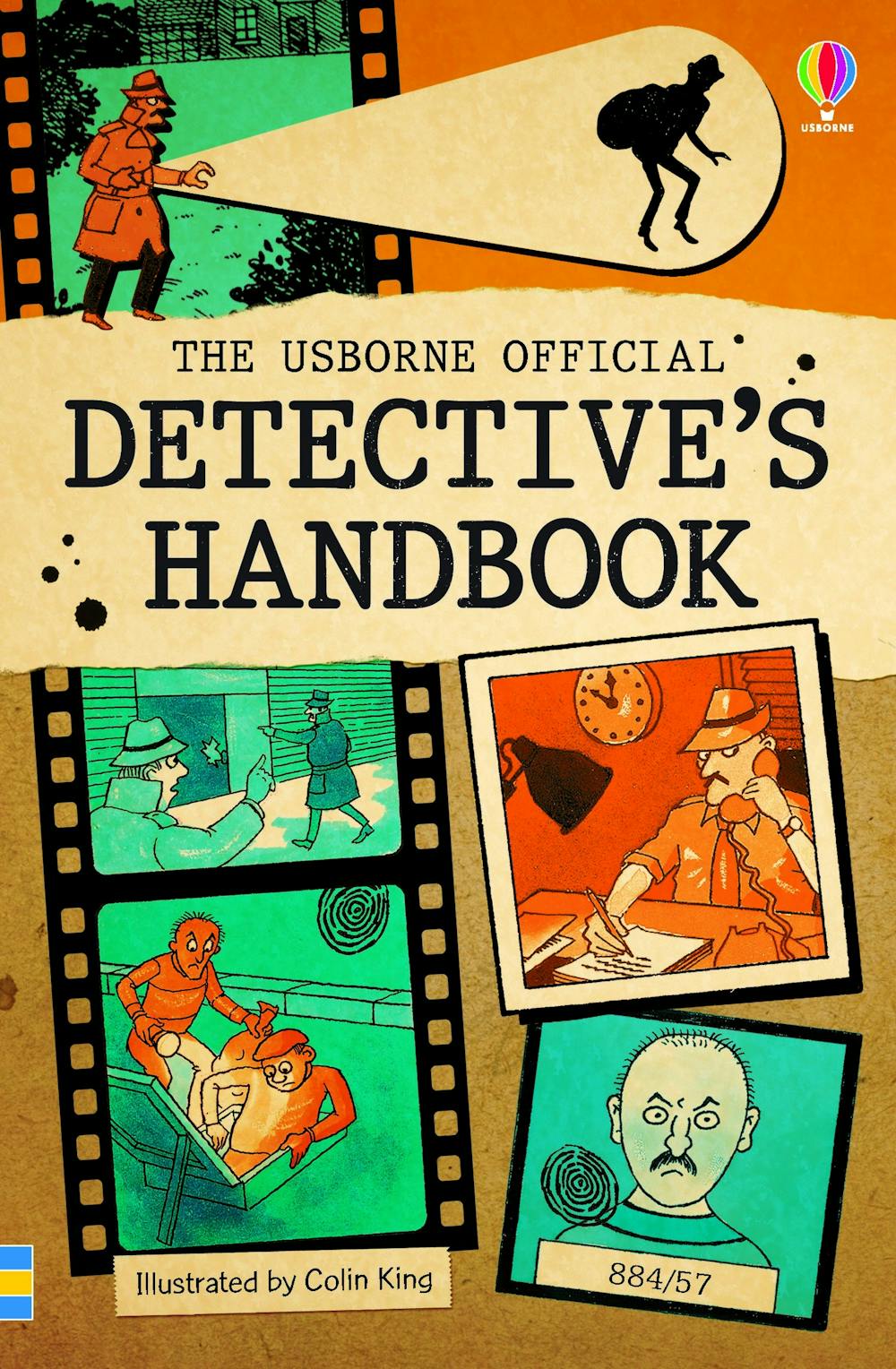
Children's book about detective work

Amazon

The child-groups constituting the two former titles were like the Bob-Whites insofar as they also formed detective communities. Although to my mind they put inordinate value on passwords, badges and boarding school holidays.

Nancy Drew was undeniably admirable in her older sophistication but a little too polished for my still-developing taste. She was confident and self-contained, which is surely why Hollywood created movie versions of her and why the intrusion of the Hardy Boys franchise into her narrative made no sense to me. It wasn’t like she needed any help.

By contrast, Trixie Belden was more accommodating and needing of others. She sometimes said mean things, and would then regret them and apologise.

She knew she wasn’t as pretty as Honey or Diana and, while that worried her a little, she shrugged it off and had far more interesting existential doubts. In the 17th book, The Mystery of the Uninvited Guest, she speaks of feeling as if she were inside a glass box:

All the people of the world march past me … I know that when I can tell just one person who I am, the glass will melt and I can join the parade.

I’m sure at the age of eight or nine I had only a vague idea of what she meant, but it sounded a lot like what growing up was all about.


Read more:
Friday essay: why YA gothic fiction is booming – and girl monsters are on the rise


Smart and sensitive

Sticky situations, mistaken identities and stolen jewels were always worked out, revealed or returned to their rightful owners in the end. And the motives behind these events weren’t always nefarious.
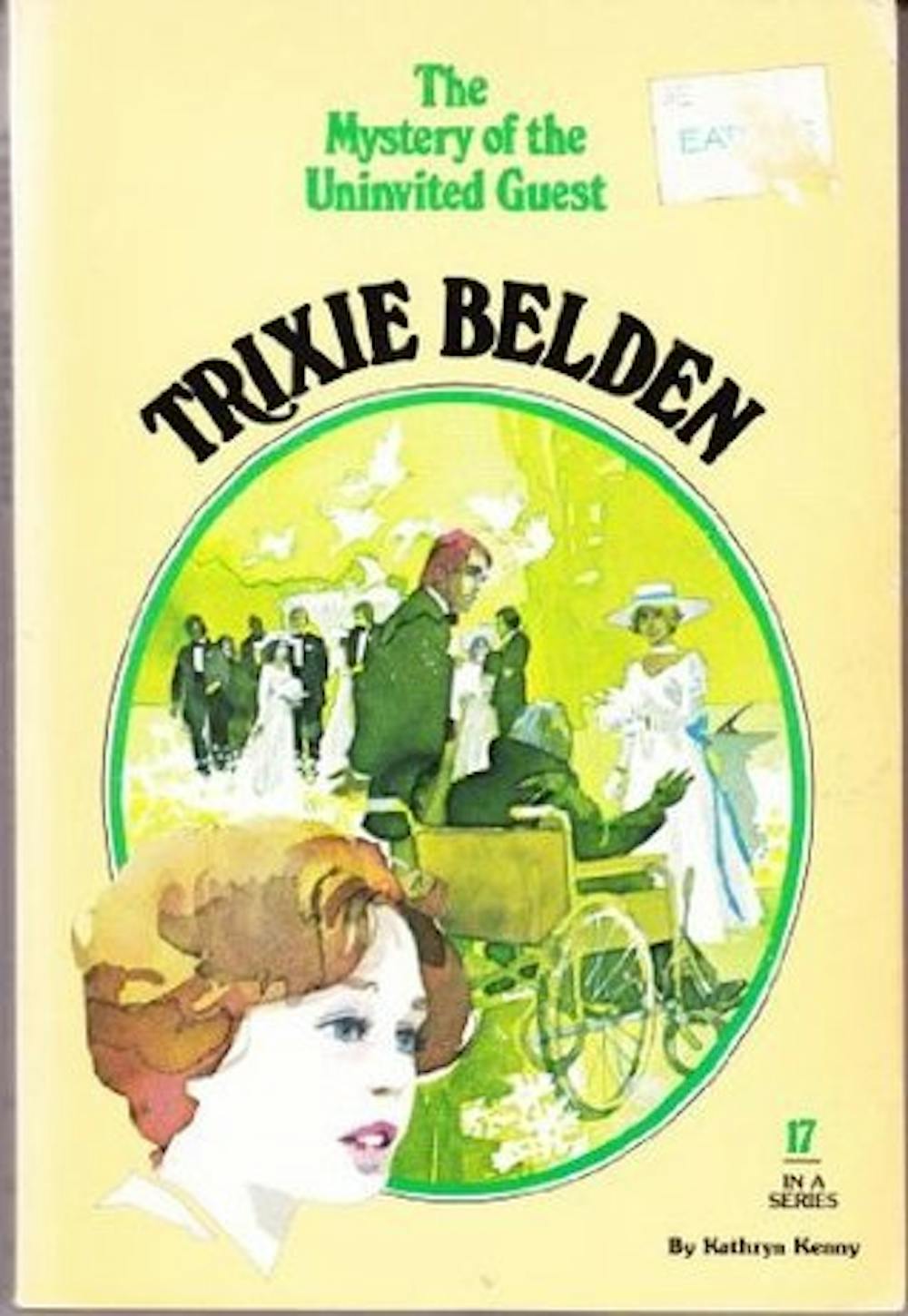
Book cover: Trixie Belden girl detective mystery

Goodreads

Reassurance was offered in the sympathetic knowledge that circumstances, rather than moral flaws, can bring about bad deeds, and that detection itself trod a fine ethical line.

Trixie’s conscience was pricked by her practices of eavesdropping, surveillance and occasional breaking-and-entering. At times she determined that the status quo, which her detective work ostensibly upheld, was not right.

Maths might have stumped her, but as Honey appreciatively recognised of her friend:

Trixie was a down-to-earth person, keenly aware of information gathered by all of her five senses — plus that extra sense called horse sense.

She might not be cool, today or then, but — well-surpassing her intended pulp-fiction status — Trixie Belden was smart and sensitive in the ways that mattered.The Conversation

Tanya Dalziell, Associate Professor, English and Literary Studies, University of Western Australia

This article is republished from The Conversation under a Creative Commons license. Read the original article.

Unknown's avatar

Philosophy Books for Beginners


The link below is to an article that lists philosophy books for beginners.

For more visit:
https://bookriot.com/best-philosophy-books/

Unknown's avatar

10 ‘lost’ Australian literary treasures you should read – and can soon borrow from any library


Perfecto Capucine/Unsplash

Rebecca Giblin, University of Melbourne and Airlie Lawson, University of Melbourne

Many culturally important books by Australian authors are out of print, hard to find as secondhand copies, and confined to the physical shelves of a limited number of libraries. Effectively, they have become inaccessible and invisible — even including some Miles Franklin award winners by authors such as Thea Astley and Rodney Hall.

To ensure these works can be read, a team of authors, librarians and researchers are working together on Untapped: the Australian Literary Heritage Project.

By digitising out of print books and making them available for e-lending, the project will create a royalty stream for the authors involved, as well as income for the arts workers we are employing as proofreaders.

Commercial publishing lists, such as Text Classics and Allen & Unwin’s House of Books, do a great job of breathing new life into some of Australia’s lost books. But they often focus on literary fiction, to the exclusion of genre fiction, children’s books and non-fiction, which also need to be preserved.

Here are 10 of our favourites we’re excited to digitise so you can borrow from your local library straight to your e-device. We expect these and other books in the project to be available in the first half of 2021 – and you too can nominate a book for inclusion in the collection here.

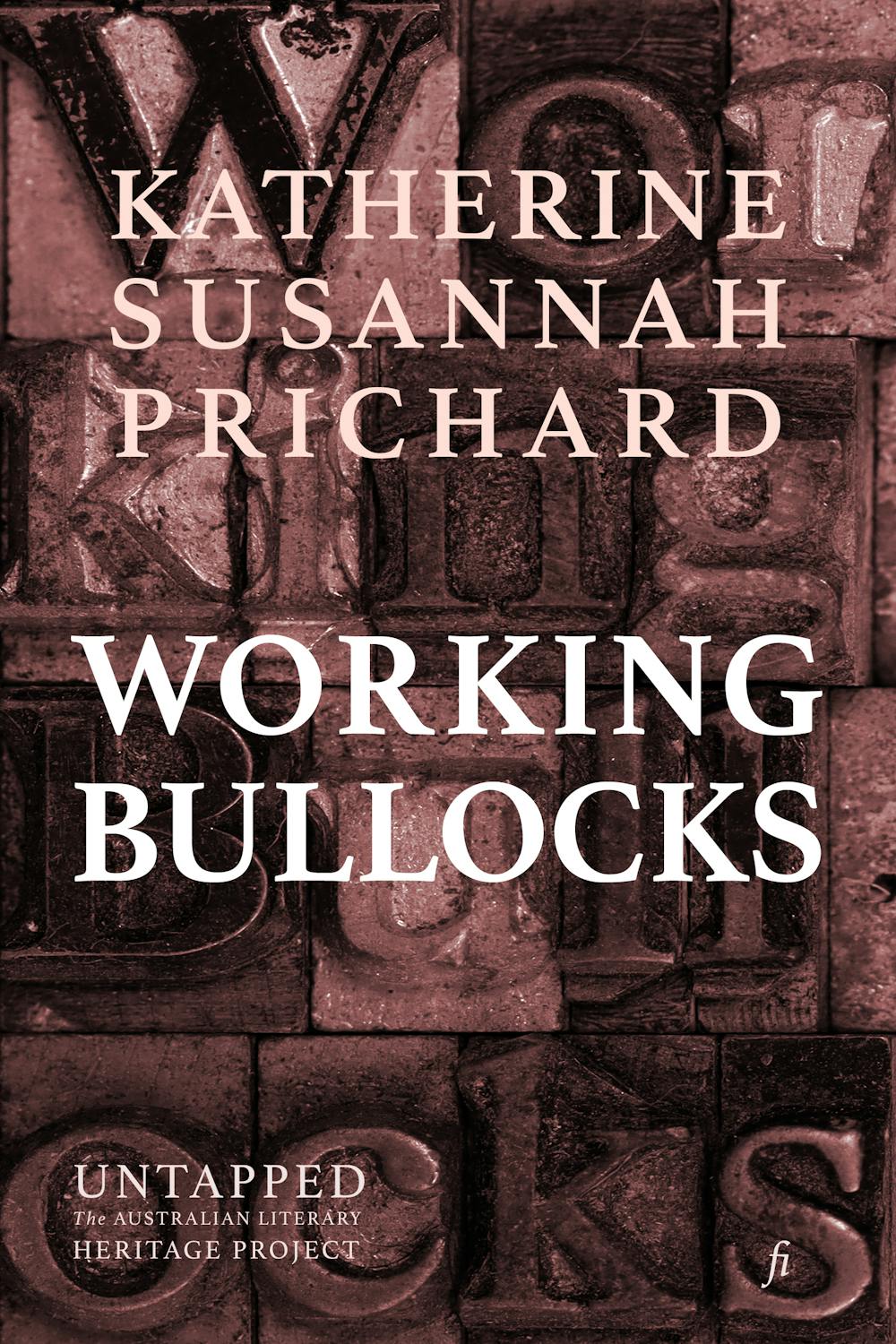
Working Bullocks (1926) by Katharine Susannah Prichard

Book cover

Before Coonardoo (1929), Prichard’s best known work, there was Working Bullocks.

The novel describes the trials of Red Burke, a bullock driver in Western Australia, trying to make a living in a post-war Australia.

Just after the novel’s original publication, it was described by John Sleeman of The Bookman in the UK as “the high-water mark of Australian literary achievement in the novel so far”.

Metal Fatigue (1996) by Sean Williams

Sean Williams has written over 50 books, including co-authored titles with authors such as Shane Dix and Garth Nix which have appeared on the New York Times bestseller list.

Metal Fatigue was Williams’ debut. Set in a small American city 40 years after the end of a nuclear war, the residents must decide if they want to join the newly forming Re-United States of America.

Depicting a dystopic future of violence, shortages and a divided USA, it still feels remarkably current today.

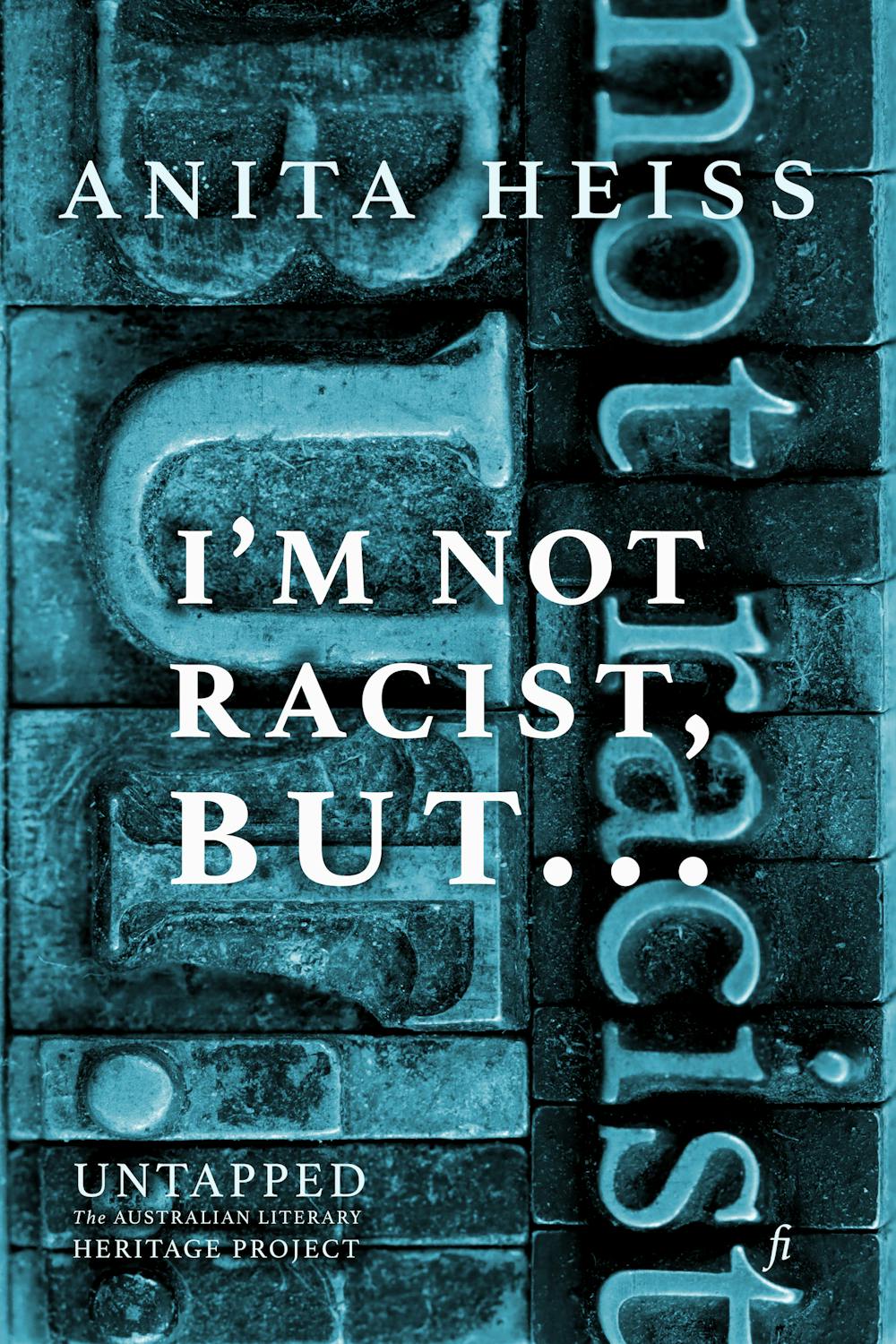
I’m Not Racist, But… (2007) by Anita Heiss

Book cover

This poetry collection from activist, writer and member of the Wiradjuri Nation, Professor Anita Heiss, skewers Australia’s racist underbelly.

I’m Not Racist, But… explores identity, pride and political correctness; proposes alternative words to the national anthem; and reveals how it is to grow up as an Indigenous woman in Australia.

This is a landmark work along Australia’s slow road to racial reckoning.

Space Demons (1986) by Gillian Rubinstein

The multi-award winning Space Demons was Gillian Rubinstein’s first book and began the much-loved trilogy of the same name.

It follows four ordinary kids drawn into a dangerous new computer game – instead of simply watching the game on the screen, they become part of it. And there is no way to know if they will escape.

With its gripping plot and local setting, Space Demons introduced many children to Australian science fiction – and led to many Australians first discovering their love of reading.


Read more:
Curious Kids: Why do adults think video games are bad?


Noonkanbah: Whose Land, Whose Law (1989) by Steve Hawke, with photographs by Michael Gallagher

Book cover

In 1979-80, the Yungngora people protested to stop the American company Amax drilling for oil on a sacred site on Noonkanbah Station, Western Australia.

This book is the detailed first-hand account of what became a high profile, ground-breaking land rights campaign, leading to the formation of the Kimberley Land Council. The Yungngora people wouldn’t have their native title rights recognised until 2007.

Alongside the reporting by Hawke, son of former PM Bob Hawke?, the book includes photographs taken by anthropologist Michael Gallagher.

This is an essential work of Australian history.

The Unlucky Australians (1968) by Frank Hardy

Frank Hardy was known for his political activism around labour rights, and as the author of 16 books. Almost his entire backlist is out of print, with the notable exception of Power Without Glory (1950).

In The Unlucky Australians, Hardy tells the story of the Gurindji people and the opening years of the strike they began in 1966.

Their protest against poor working and living conditions, seeking the return of their traditional lands, lasted nine years.

The Whitlam government returned some of those lands in 1975 with the historic transfer of “a handful of dirt” and the strike led to the passage of the historic Aboriginal Land Rights (Northern Territory) Act in 1976.

A vital piece towards understanding the shameful labour conditions inflicted upon Indigenous Australians, this book should never have gone out of print.


Read more:
An historic handful of dirt: Whitlam and the legacy of the Wave Hill Walk-Off


The Mandala trilogy (1993-2004) by Carmel Bird

Inspired by three real life charismatic and dangerous individuals, these dark stories of abused trust and misplaced faith are transformed, taking on a gothic quality, with complex narratives, unlikely narrators and fairy-tale elements.

The White Garden is an ambitious novel following the misdeeds of the psychiatrist Dr Goddard (or Dr God, for short) in a hospital in the 1960s. Red Shoes takes us into the world of a religious cult. Cape Grimm looks at a religious order after its members are killed by their charismatic leader.

The Mindless Ferocity of Sharks (2003) by Brett D’Arcy

The Mindless Ferocity of Sharks is coming-of-age story about “Floaty Boy”, an 11-year-old with a love of body-surfing, his family, and what happens when his older brother disappears.

Described by the Australian Book Review as “Tim Winton on speed”, D’Arcy shines his own spotlight on Western Australia, exploring the duality of a life spent between the waves and the shore – and what happens when a family becomes torn apart by loss.


Untapped will launch with a free online celebration on November 24 at 6pm. Register for the launch here, nominate a book for inclusion at untapped.org.au – and let us know what you think we should digitise in the comments.The Conversation

Rebecca Giblin, ARC Future Fellow; Associate Professor; Director, Intellectual Property Research Institute of Australia, University of Melbourne and Airlie Lawson, Postdoctoral Fellow, ‘Untapped: the Australian Literary Heritage Project’, University of Melbourne

This article is republished from The Conversation under a Creative Commons license. Read the original article.
Unknown's avatar

2020 Readings Prize for New Australian Literature Winner


The link below is to an article reporting on the winner of the 2020 Readings Prize for New Australian Fiction as ‘Smart Ovens for Lonely People,’ by Elizabeth Tan.

For more visit:
https://www.booksandpublishing.com.au/articles/2020/10/30/158867/smart-ovens-for-lonely-people-wins-2020-readings-prize-for-new-australian-fiction/

Unknown's avatar

Podcasts Added to Audible


The link below is to an article that looks at the large number of podcasts added to Audible.

For more visit:
https://goodereader.com/blog/audiobooks/audible-has-added-100000-free-podcasts

Unknown's avatar

2021 Andrew Carnegie Medals Longlists


The link below is to an article reporting on the longlists for the 2021 Andrew Carnegie Medals.

For more visit:
https://lithub.com/heres-the-longlist-for-the-2021-andrew-carnegie-medals-for-excellence-in-fiction-and-nonfiction/

Unknown's avatar

Six Australians in the Running for the 2021 Astrid Lindgren Memorial Award


The link below is to an article reporting on six Australian authors, illustrators and organisations as having been announced as candidates for the 2021 Astrid Lindgren Memorial Award, the world’s richest prize for children’s literature.

For more visit:
https://www.booksandpublishing.com.au/articles/2020/10/30/158875/six-australian-nominees-for-2021-astrid-lindgren-memorial-award/

Unknown's avatar

2020 ARA Historical Novel Prize Shortlist


The link below is to an article reporting on The Historical Novel Society Australasia’s (HNSA) shortlist for the inaugural ARA Historical Novel Prize.

For more visit:
https://www.booksandpublishing.com.au/articles/2020/10/29/158795/inaugural-50k-historical-novel-prize-shortlist-announced/

Unknown's avatar

Writing Dystopian Fiction in Dystopian Times


The link below is to an article that takes a look at writing Dystopian novels during Dystopian times.

For more visit:
https://blog.bookbaby.com/2020/10/writing-dystopian-novels/

Unknown's avatar

Starting a Virtual Book Recommendation Service


The link below is to an article that takes a look at starting a virtual book recommendation service.

For more visit:
https://bookriot.com/how-to-start-a-virtual-book-recommendation-service/