Unknown's avatar

Humour, justice, belonging, danger, and wonder: 5 story senses and the art of writing for children


Want to capture the heart and mind of a young reader? The five story senses will set you on the right path.
iam Se7en/Unsplash, CC BY

Sean Williams, Flinders University

At the heart of every adult writer lies a novel they adored as a child. No wonder then so many try to write for kids themselves. So why do they often fail?

Perhaps it’s because, on the whole, adults are taught to write for adults, utilising the full power of the five regular senses – sight, sound, touch, taste, and smell – to evoke meaning in even the most trivial of everyday events.

This approach is less successful with younger readers, for one very simple reason: there are five other senses that speak more potently to them.

Consciously or unconsciously, successful writers use these other senses to hook young readers (and open their parents’ wallets) in ways that seem almost magical.

It’s not magical at all, though.

Here are the five story senses guaranteed to stir a child’s literary heart.

1. Humour

Everyone with kids in their lives knows the horror of a joke compendium: the same old gags we learned in childhood, repeated over and over, quickly lose appeal.

The only thing worse would be forcing kids to stop telling them.
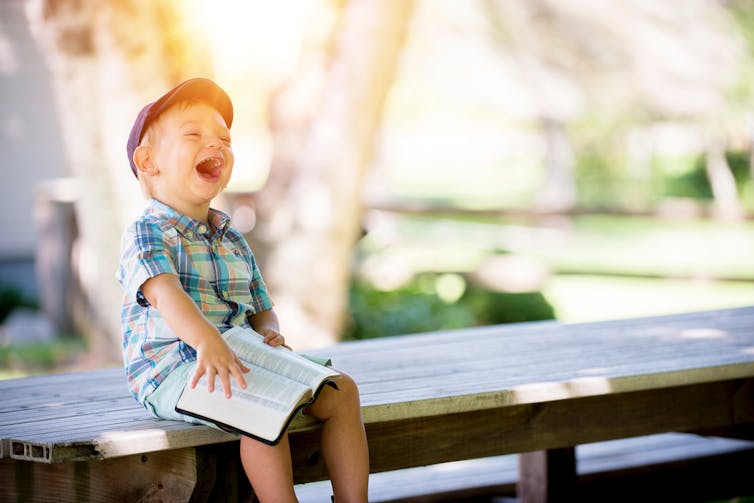
Humour is the key to anyone’s heart.
Ben White/Unsplash, CC BY

It is easy to forget jokes are hilarious the first time around, and funny doesn’t mean trivial. Humourist Terry Pratchett understood a reader can learn just as much from a book that provokes a laugh as from one that doesn’t – and he was the bestselling UK author until J K Rowling came along.

Make a kid laugh and they’ll be a fan forever.

2. Justice

People develop a sense of fairness at a very early age, some studies suggesting it kicks in as early as 12 months. Who doesn’t love seeing justice done? For this reason, crime fiction is one of the biggest genres in the world – and kids are no different to adult readers.


Read more:
Young morals: can infants tell right from wrong?


Few people would seriously suggest a sense of justice should be drummed out of children, but it can definitely be quashed when parental authority is under assault. Kids therefore are constantly on the pointy end of injustice, or feel they are.

This is why Rowling takes Harry back to the despicable Dursleys at the end of every book. Exploiting the sense of justice ensures her readers never lose interest.

3. Belonging

The one genre bigger than crime is romance.

While not all kids will be into romantic love (The Princess Bride notwithstanding), they will have a keen sense of belonging. They have friends, family and pets in their lives, and stories engaging this sense helps them navigate these relationships, particularly when loss or denial is involved.

Mark Twain’s The Adventures of Tom Sawyer remains a classic because, beneath everything else, it is a story about a young boy finding his place in the world, and in people’s hearts.

4. Danger

The Adventures of Tom Sawyer also contains scenes of terrible peril, as does Doctor Who. Children love to be scared by fictional stories because in life, alas, many find themselves in very real peril. Fiction gives kids a safe way to activate their sense of danger, and maybe learn a life-saving strategy or two, as well.
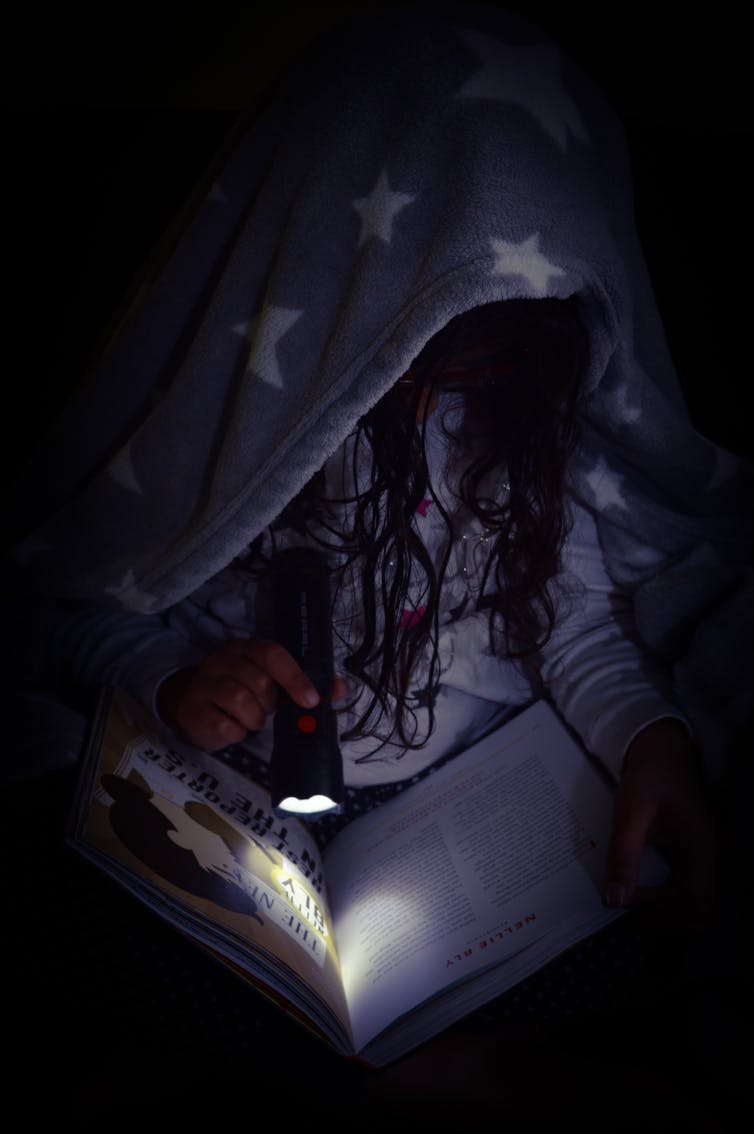
Fiction is a safe way for children to explore danger.
Anuja Mary Tilj/Unsplash, CC BY

The sense of danger is so fundamental to our psyche that it might actually be hardwired into us: the Moro, or “startle”, reflex is innate in healthy newborns.

There are limits, of course, but no one ever ever lost a young audience by trying to push them. (Parents are a different matter.)

5. Wonder

Everyone will have some of these senses, but some people won’t have all of them. This sense, my personal favourite, is very hard to explain to someone who doesn’t possess it. It is the engine that drives fantasy and science fiction. When something makes a reader go “wow”, their sense of wonder has been engaged.

Kids understand this sense very well, because everything to them is big and new: just note how many synonyms they have for “awesome”. While it too may be drummed out of young people as they age, it can be revived under particular circumstances. Reading JRR Tolkien’s The Lord of the Rings has been one for many avid readers.

It is easy to forget The Hobbit predated this work, and, although no less awe-some, it was originally created for children.

These senses are just the start

Hefty doses of humour, justice, belonging, danger, and wonder will go some way towards compensating for deficiencies in other aspects of the writing craft. Children, and many adults, will often choose a good story badly written over a well-made dud.

This formula will also work for other media. Take Star Wars and Avengers movies, for example: both rich in the five story senses, and both part of the Disney stable, home to many other examples.

Any author wanting to pen a bestseller could do worse than start here. As always, though, there is no substitute for hard work – and luck.The Conversation

Sean Williams, Lecturer, Flinders University

This article is republished from The Conversation under a Creative Commons license. Read the original article.
Unknown's avatar

Friday essay: George Eliot 200 years on – a scandalous life, a brilliant mind and a huge literary legacy


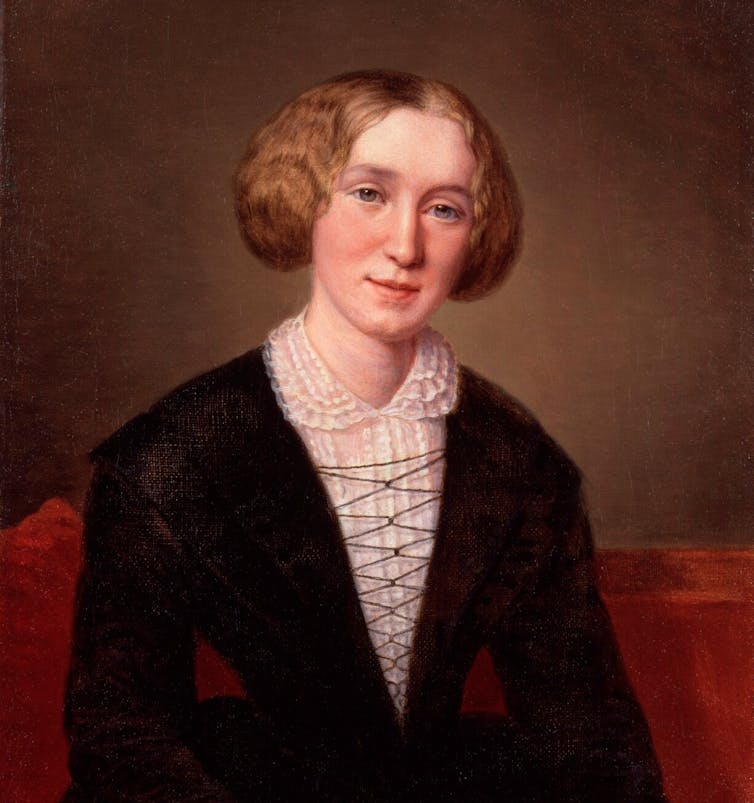
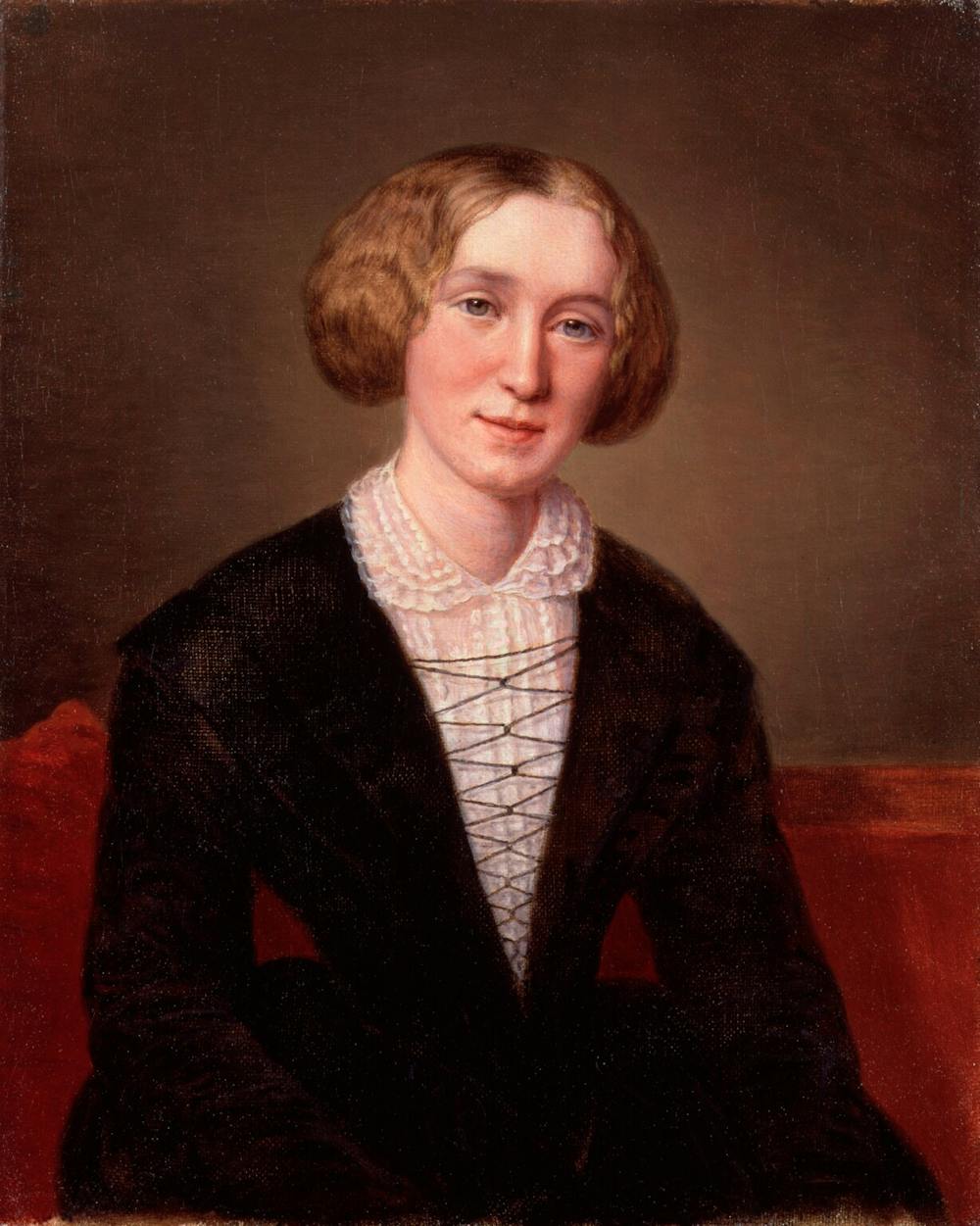
A portrait of George Eliot at 30 by Alexandre-Louis-François d’Albert-Durade. Her masterpiece Middlemarch is often claimed to be the greatest novel in the English language.
Wikimedia Commons

Camilla Nelson, University of Notre Dame Australia

Mary Ann Evans took the pseudonym “George Eliot” because she wanted to be taken seriously as a writer.

Other female authors had penned work under their own names, but Evans feared that if her identity was discovered her books would be dismissed as “light” and “sentimental”.

Astonishingly, in an age of patriarchy, this was not the case.

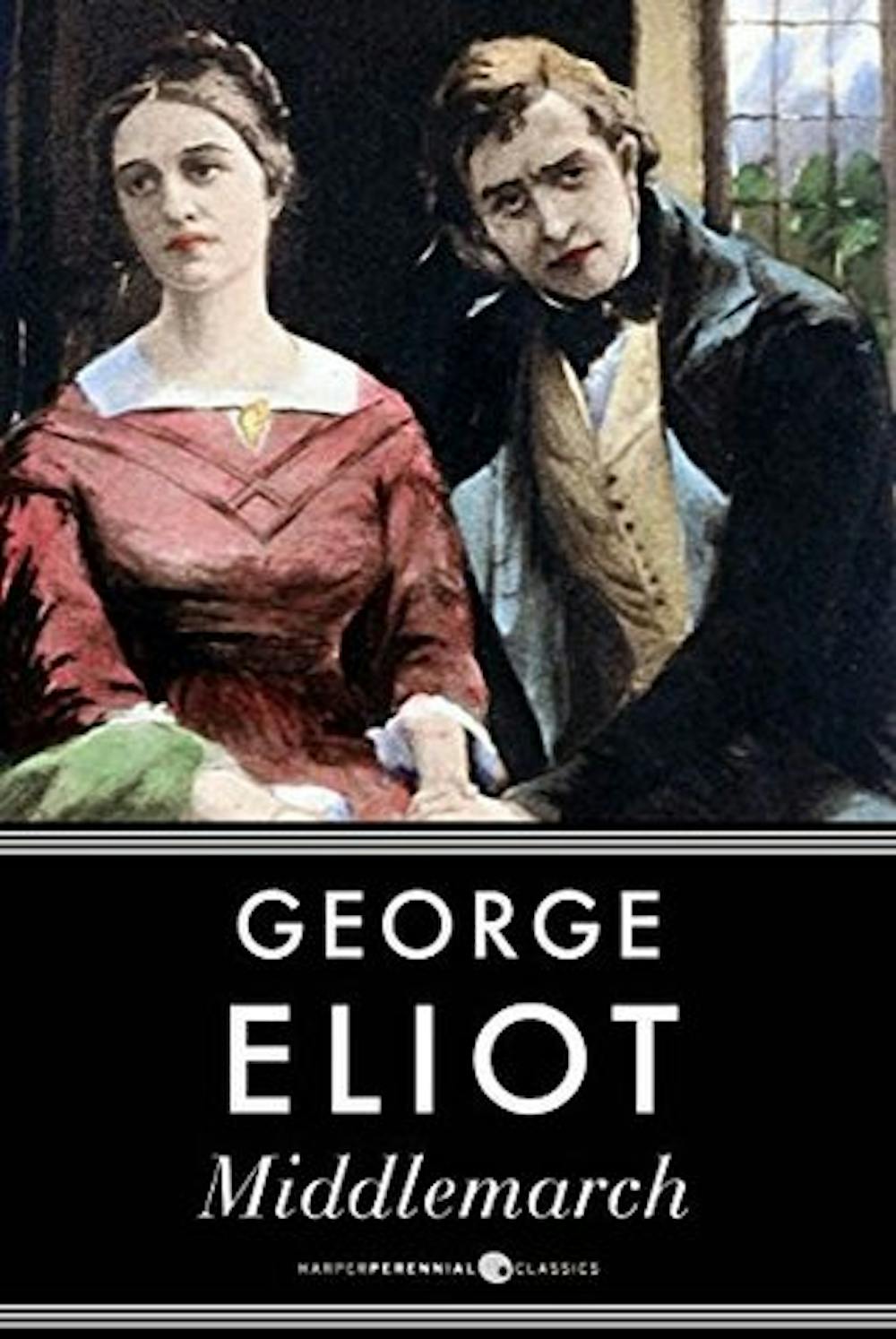
Eliot’s reputation has grown steadily in the 200 years since her birth. And her Middlemarch (1871-2) is often claimed to be the greatest novel in the English language.

Eliot’s “incognito” was shattered shortly after her first bestselling novel, Adam Bede, was published in 1859. Critics were left marvelling not only that the author they collectively imagined to be a kindly country clergyman was a woman, but also that she was an atheist living openly with another woman’s husband.

In an age in which few women were educated or owned property, and few middle class women engaged in paid employment, Eliot overcame every obstacle.

She lived a scandalous life by Victorian standards. But she was one of Queen Victoria’s favourite writers.

And in the thousands of words that were to spill across the pages of the literary quarterlies about Eliot’s books, there was far less interest in salacious gossip than in the question of whether she had drawn a picture of the world as it “really” was.

No matter how much these 19th century – mostly male – critics attacked Eliot’s novels for their political and cultural heresies, it was obvious – indeed, astonishing – that they took them seriously as fundamentally important works.

A ‘great, horse-faced bluestocking’

Born in Nuneaton, Warwickshire, England, on November 22, 1819, the third daughter of Robert and Christiana Evans, Eliot was afforded the sort of education not usually granted to women in this period. She was not considered physically attractive, and her father believed this would severely limit her prospects of marriage.

Eliot’s father believed her looks would limit her marriage prospects.
Wikimedia Commons

In 1850, Eliot – then calling herself Marian Evans – moved from Coventry to London, determined to become a writer.

Just a few years before, she had published her English translation of David Strauss’s The Life of Jesus, Critically Examined. Notoriously, Strauss argued that the “miracles” of the New Testament were myths and fabrications. The Earl of Shaftesbury promptly castigated Eliot’s translation as “the most pestilential book ever vomited out of the jaws of hell”.

Eliot took up residence in the house of the radical publisher John Chapman, who appointed her assistant editor of the Westminster Review. She was deeply influenced by John Stuart Mill, particularly his groundbreaking essay on gender equality, Subjection of Women.

She sympathised with the 1848 revolutions on the continent. She held great hopes for women’s education. She supported female suffrage.

At this time, Eliot formed a series of attachments to married men, including Chapman and Herbert Spencer, before meeting the critic George Henry Lewes, with whom she shared a committed, life-long relationship.

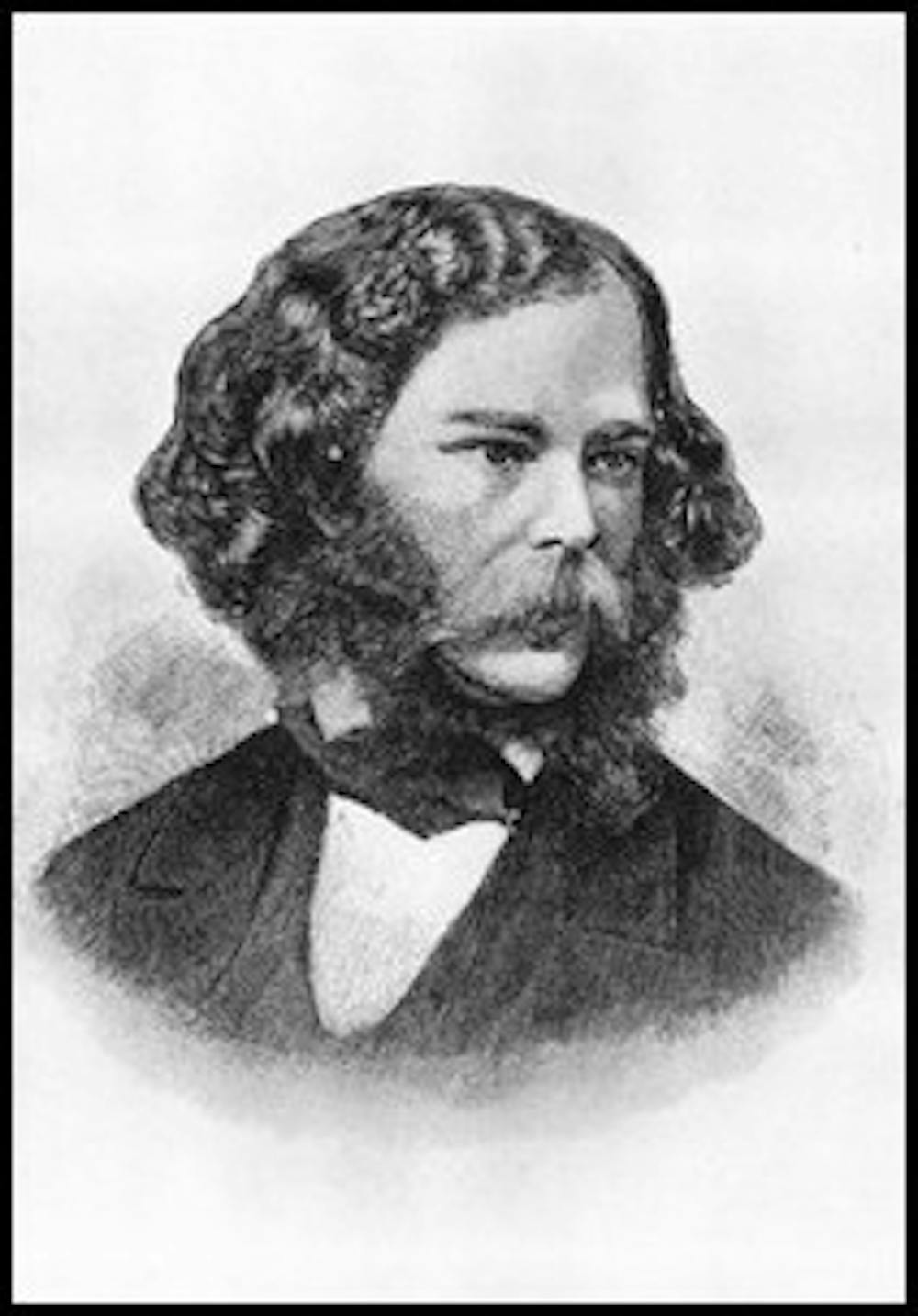
George Henry Lewes (1817-1878)
Wikimedia Commons

Lewes was married to Agnes Jervis, with whom he had three children. Unlike other unconventional literary liaisons of the period, Lewes and Eliot did not keep their relationship a secret.

Like so many other men, Lewes was drawn to the luminosity of Eliot’s intelligence. She had an awesome curiosity, an endless appetite for ideas.

Henry James famously characterised her as “magnificently ugly, deliciously hideous”.

And yet in his snarky, entitled way he also marvelled at his reaction to the force of Eliot’s personality. “Behold me, literally in love with this great horse-faced bluestocking!”

Her practical humanism

In 1854, Eliot translated Ludwig Feurerbach’s The Essence of Christianity, in which he declared God to be a figment of the human imagination. Instead, he wanted to think about what he called “species being” – that is, to consider what it means to think from the standpoint of being human, of being part of the wider social fabric.

Feurerbach’s ideas were fundamental in shaping the practical humanism that forms the beating heart of Eliot’s novels.

Eliot’s social consciousness, her vivid critiques of capitalism, are keenly displayed in her 1861 novel about a linen weaver, Silas Marner, and her 1876 masterpiece Daniel Deronda – a sprawling tale about a fatally self-absorbed heroine, Gwendolen Harleth, and the easy, ingrained prejudice of British society against the Jews.

Trailer for the television adaptation of Daniel Deronda.

But it is their capaciousness – perhaps – that is the real theme of Eliot’s books. Her novels are held together by elaborate patterns of imagery, threads of gossip, networks of feeling and connection, linking character to character.

Background scenes of the social world are interwoven with the deeper dimensions of private life and even the fabric of human consciousness, so the novelistic structure reflects the fragile, web-like ties that hold society together.

Her characters’ motivations may be ego-satisfying, self-deceiving, or concealed, even from themselves, or all of these at once. And the tangled paradoxes they encounter as they journey through their novelistic worlds force readers to reassess themselves and their perspectives.

Nobody, in short, does honesty or frailty quite like Eliot. If you read her work, and really pay attention, you will likely find out things about yourself you didn’t know, and maybe would rather not.

As Virginia Woolf famously declared of Middlemarch, it is “one of the few English novels written for grown up people”.

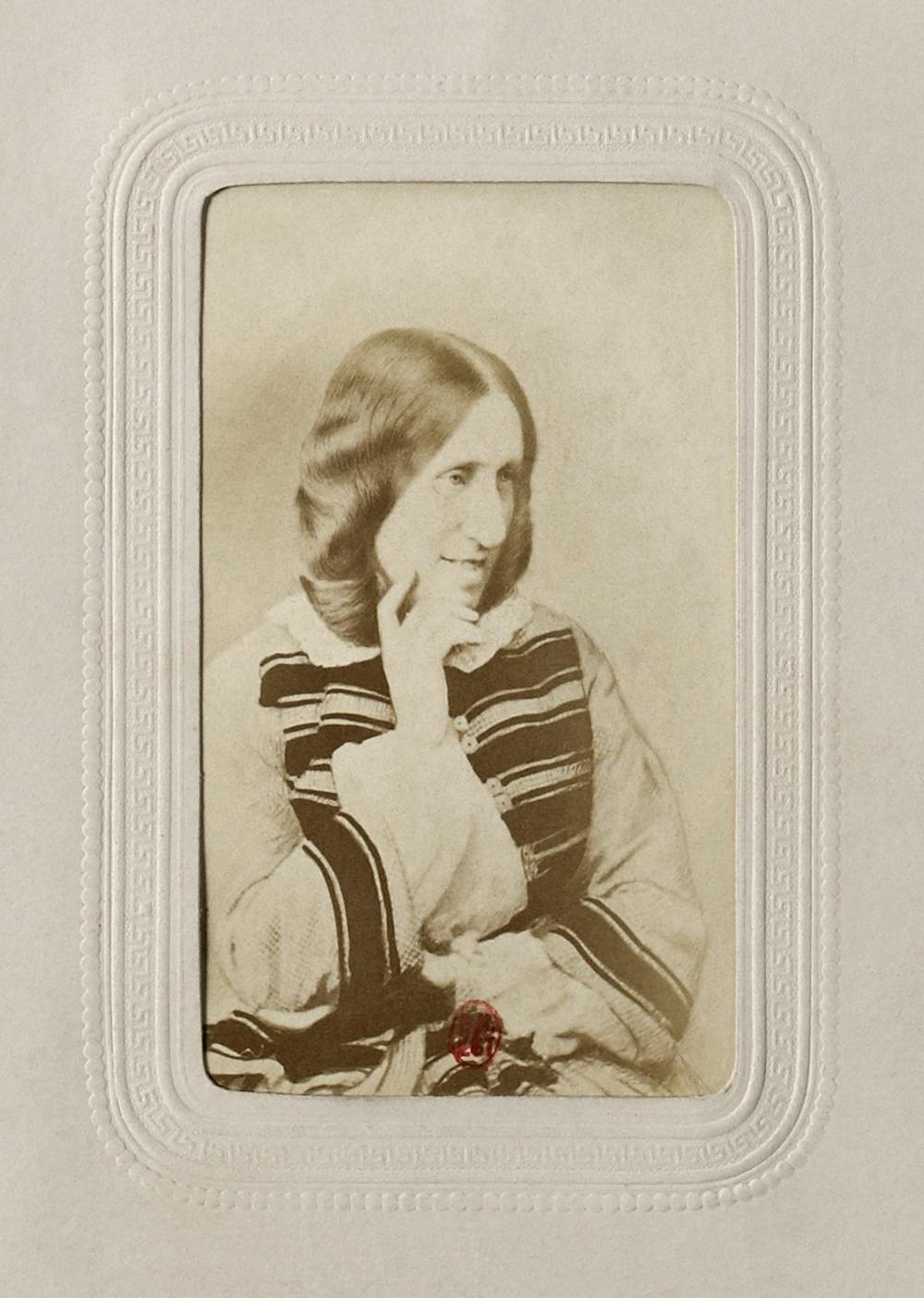
A photographic portrait (albumen print) of George Eliot circa 1865.
Wikimedia Commons

Middlemarch – the greatest novel in the English language

Middlemarch was published serially in eight parts at two monthly intervals from December 1871. It went on sale in December 1872 as four volumes for two guineas, selling 8,500 copies. But it was only when the cheap edition went on sale in 1874 that the novel found its real audience, selling another 31,000 copies by 1878.

The story – like those found in all Eliot’s novels – is multifaceted. It revolves mostly around Dorothea Brooke, an heiress who makes a terrible marriage to Edward Casaubon, a dusty clergyman, and the character of Tertius Lydgate, a London-trained doctor who wants to bring modern medicine to the Midlands, but chooses an unsuitable wife.

Trailer for the BBC adaptation of Middlemarch.

But the deeper theme of Middlemarch is the moral drama around the interaction between character and social environment that is fundamental to contemporary appreciations of 19th century realism – but was often merely puzzling to Victorian critics.

They loved the scale of the novel’s social panorama, “like a portrait gallery” that has been “photographed from the life”; they even came to see that it had, as the Times put it, a “philosophical power”. But they did not immediately grasp that it was Eliot’s most important book. They bemoaned it was not as “delightful” as Adam Bede, her earlier bucolic tale about – among other things – seduction, infanticide, class and education.

In Middlemarch, Dorothea has money; unlike in Austen, there is no threat of penury hanging over her head. Indeed, there is no need for her to marry at all. And yet she does.

She has freedom, up to a point. But her largeness of soul is circumscribed by narrowness of opportunity. Nor is provincial society entirely to blame. Dorothea yearns to do something; to achieve something; but she knows not what. This is her – and our own – tragedy.

When Dorothea, in all her married misery, is confronted by an extraordinary vision of a suffering human society, we encounter one of the most heartbreakingly beautiful passages in Eliot’s ouevre. She writes,

If we had a keen vision and feeling of all ordinary human life, it would be like hearing the grass grow and the squirrel’s heart beat, and we should die of that roar which lies on the other side of silence. As it is, the quickest of us walk about well wadded with stupidity.

This is the anguish that lurks in dark corners of Eliot’s novels – it is the measure of her greatness, and of our struggle to read her.

Dorothea’s quest for a substantial and meaningful life has resonated with the sensibilities of successive generations of feminists. How is she to achieve something? Where should she put her energies? How can she affect the lives of others?

We are all of us “Dorotheas”; all tragically yearning for something. As Virginia Woolf put it, Dorothea and the rest of Eliot’s heroines feel “a demand for something — they scarcely know what — for something that is perhaps incompatible with the facts of human existence.”The Conversation

Camilla Nelson, Associate Professor in Media, University of Notre Dame Australia

This article is republished from The Conversation under a Creative Commons license. Read the original article.
Unknown's avatar

Why do teachers make us read old stories?


Teachers often assign older books.
vovidzha/Shutterstock.com

Elisabeth Gruner, University of Richmond

Curious Kids is a series for children of all ages. If you have a question you’d like an expert to answer, send it to CuriousKidsUS@theconversation.com.


Why do teachers make us read old stories? Nathan, 12, Chicago, Illinois


There are probably as many reasons to read old stories as there are teachers.

Old stories are sometimes strange. They display beliefs, values and ways of life that the reader may not recognize.

As an English professor, I believe that there is value in reading stories from decades or even centuries ago.

Teachers have their students read old stories to connect with the past and to learn about the present. They also have their students read old stories because they build students’ brains, help them develop empathy and are true, strange, delightful or fun.

Connecting with the past and present

William Shakespeare wrote plays in the 1600s that are still read today.
Martin Droeshout/Yale University, CC BY

In Shakespeare’s “Romeo and Juliet,” for example, teenagers speak a language that’s almost completely unfamiliar to modern readers. They fight duels. They get married. So that might seem to be really different from today.

And yet, Romeo and Juliet fall in love and make their parents mad, very much like many teens today. Ultimately, they commit suicide, something that far too many teens do today. So Shakespeare’s play may be more relevant than it first seems.

Additionally, many modern stories are based on older stories. To name only one, Charlotte Brontë’s “Jane Eyre” has turned up in so many novels since its original publication in 1848 that there are entire articles and book chapters about its influence and importance.

For example, I found references to “Jane Eyre” lurking in “The Princess Diaries,” the “Twilight” series and a variety of other novels. So reading the old story can enrich the experience of the new.

Building brain and empathy

Reading specialist Maryanne Wolf writes about the “special vocabulary in books that doesn’t appear in spoken language” in “Proust and the Squid.” This vocabulary – often more complex in older books – is a big part of what helps build brains.

The sentence structure of older books can also make them difficult. Consider the opening of almost any fairy tale: “Once upon a time, in a very far-off country, there lived …”

None of us would actually speak like that, but older stories put the words in a different order, which makes the brain work harder. That kind of exercise builds brain capacity.

Stories also make us feel. Indeed, they teach us empathy. Readers get scared when they realize Harry Potter is in danger, excited when he learns to fly and happy, relieved or delighted when Harry and his friends defeat Voldemort.

Older stories, then, can provide a rich depth of feeling, by exposing readers to a broad range of experiences. Stories featuring characters from a diverse range of backgrounds or set in unfamiliar places can have a similar effect.

Lewis Carroll’s ‘Alice’s Adventures in Wonderland’ has been retold many times.
John Tenniel/Wikimedia Commons

Reading can be fun

Old stories are sometimes just so weird that you can’t help but enjoy them. Or I can’t, anyway.

In Charles Dickens’ “Great Expectations,” there’s a character whose last name is “Pumblechook.” Can you say it without smiling?

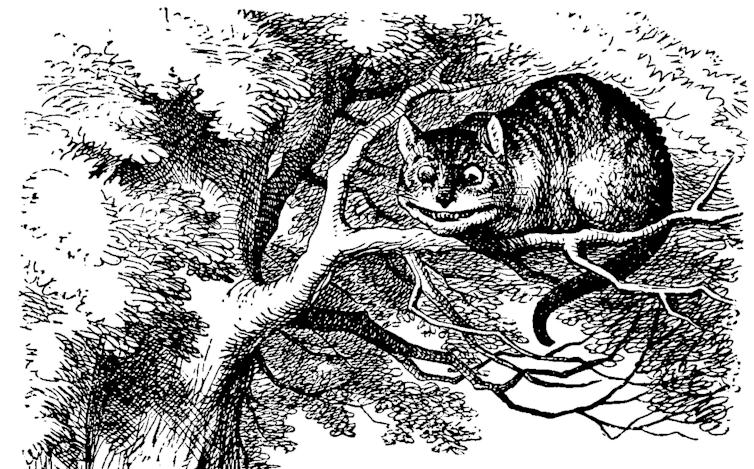
In Lewis Carroll’s “Alice’s Adventures in Wonderland,” a cat disappears bit by bit, eventually leaving only its smile hanging in the air. Again, new stories are also lots of fun, but the fun in the older stories may turn up in those new stories.

For example, that cat returns in many newer tales that aren’t even related to Alice in Wonderland, so knowing the cat’s history can make reading that new story more pleasurable.

I won’t deny that some old stories contain offensive language or reflect attitudes that we may not want to embrace. But even those stories can teach readers to think critically.

Not every old story is good, but when your teacher asks you to read one, consider the possibility that you might build your brain, grow your feelings or have some fun. It’s worth a try, at least.


Hello, curious kids! Do you have a question you’d like an expert to answer? Ask an adult to send your question to CuriousKidsUS@theconversation.com. Please tell us your name, age and the city where you live.

And since curiosity has no age limit – adults, let us know what you’re wondering, too. We won’t be able to answer every question, but we will do our best.

[ You’re smart and curious about the world. So are The Conversation’s authors and editors. You can read us daily by subscribing to our newsletter. ]The Conversation

Elisabeth Gruner, Associate Professor of English, University of Richmond

This article is republished from The Conversation under a Creative Commons license. Read the original article.
Unknown's avatar

Old white men dominate school English booklists. It’s time more Australian schools taught Australian books


Shakespeare’s plays are still some of the most studied texts in school English.
from shutterstock.com

Larissa McLean Davies, University of Melbourne

In recent weeks, Australian universities’ commitment to teaching Australian literature has come under scrutiny. This came amid revelations Sydney University has withdrawn funding from its Chair of Australian Literature – the nation’s first.

Later news of the possible closure of UWA Publishing compounded anxiety about the future of Australian literary studies. An article in The Australian newspaper noted there is no local university in which an undergraduate student can specialise in Australian literature.


Read more:
The open access shift at UWA Publishing is an experiment doomed to fail


The concern goes beyond tertiary studies. We conducted a project exploring secondary school teachers’ engagement with Australian texts. We found Australian books are not consistently taught in classrooms and, when they are, they more often than not marginalise female, refugee and Indigenous authors.

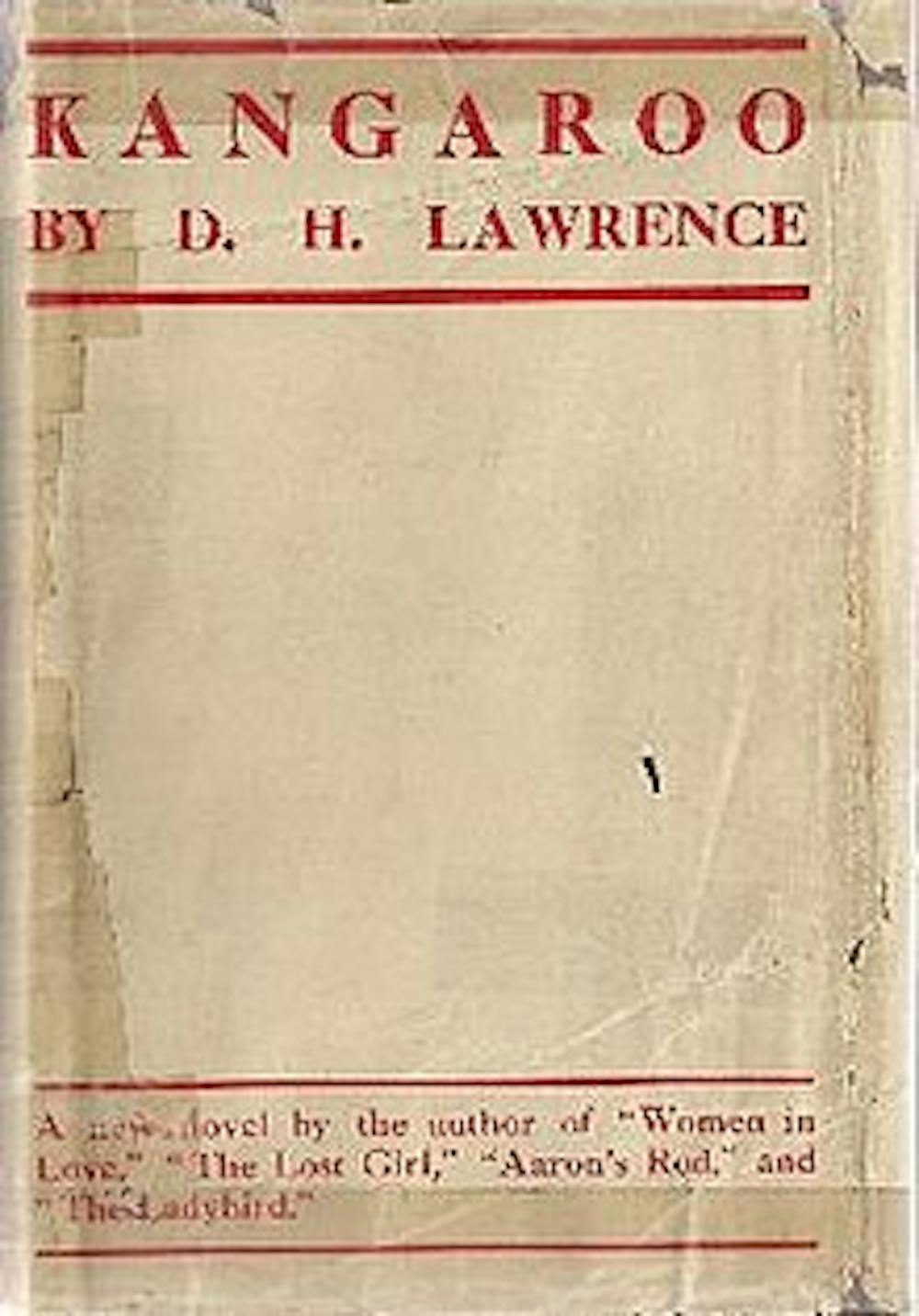
A professor famously said he would teach the novel Kangaroo, in the absence of appropriate texts by Australian authors.
Wikimedia commons

The demographic of Australian classrooms has changed significantly in the past fifty years. But the texts studied in English have remained remarkably stable.

In our multi-cultural society, where compulsory schooling is intended to help develop critically informed and empathetic citizens, this situation requires serious attention.

Why teachers don’t teach Aussie books

Studying English and literature in settler societies was historically intended to support students to value “Englishness”. As a result, Australian literature, if it was acknowledged at all, was systematically marginalised and maligned in the 19th and early 20th centuries.

In the 1940s – in a precursor to what we now call the “cultural cringe” – an English professor famously renounced Australian literature. He said that, in the absence of appropriate books by Australians, he would lecture on DH Lawrence’s novel, Kangaroo.


Read more:
‘Australia has no culture’: changing the mindset of the cringe


Australia’s first national curriculum, in 2008, attempted to respond to this enduring imperial literary legacy. It mandated teaching Australian literature, placing Aboriginal and Torres Strait Islander literature at the heart of this commitment.

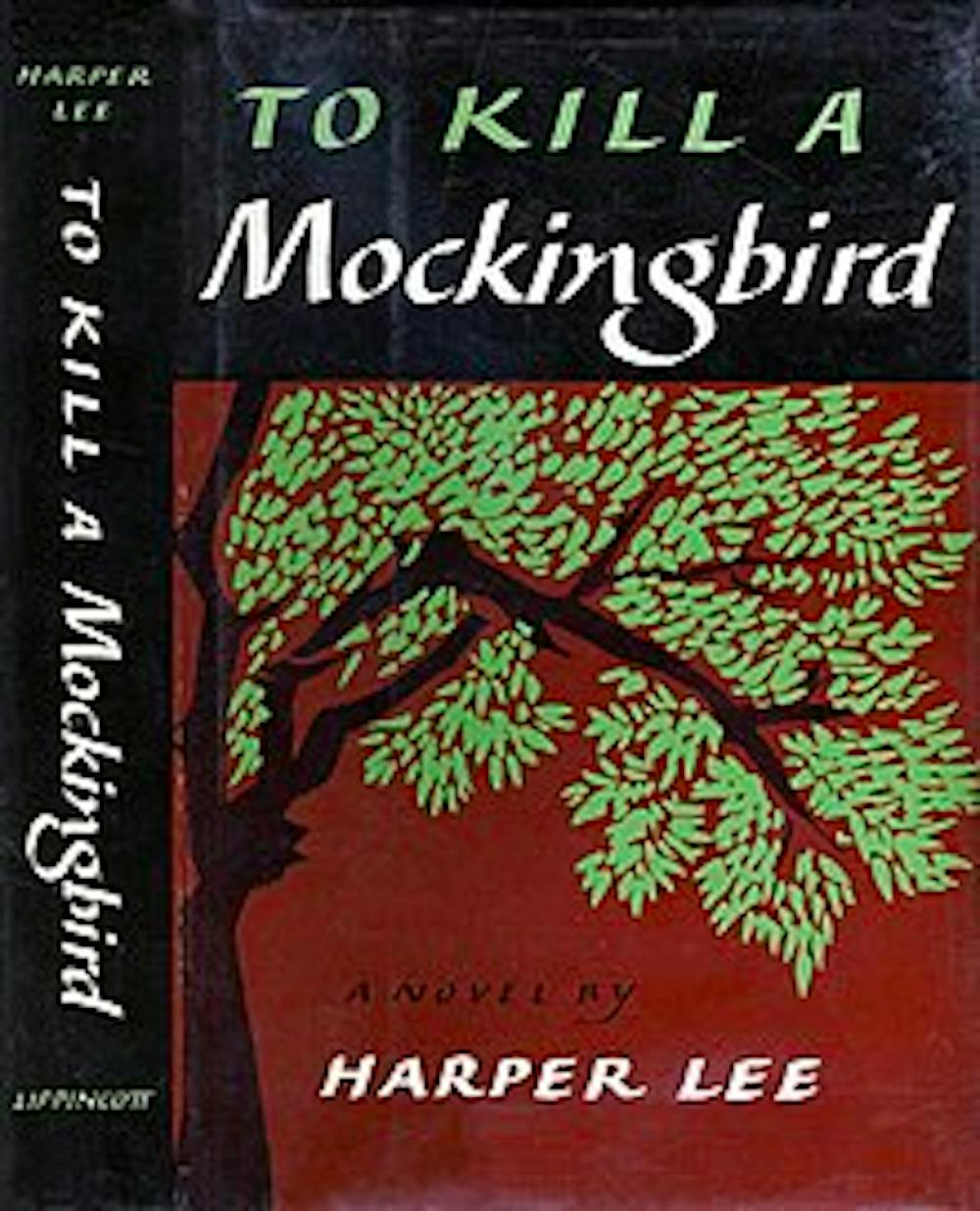
Harper Lee is one of two female authors on the list of the top 15 books taught by English teachers we compiled from our national survey.
Wikimedia commons

Most states and territories have mandated text lists for school senior years, which generally include titles by Indigenous authors. But recent research in Victoria has shown school uptake of these texts is limited.

Our research shows teachers are often reluctant to select books by Australian authors. Reasons for this include a limited knowledge of diverse Australian texts, often due to a lack of exposure to Australian literature at school and university.

There are fewer teaching resources for Australian literature too and teachers are concerned about inaccurately representing the stories of Indigenous Australians.

Some teachers we spoke to also raised questions about the quality of Australian literature, as compared with more established canonical texts. One teacher said:

While I appreciate that it is important to have Australian literature in the curriculum […] I find that Australian texts are often very similar and this limits the number of themes and ideas the students are exposed to over the course of their education.

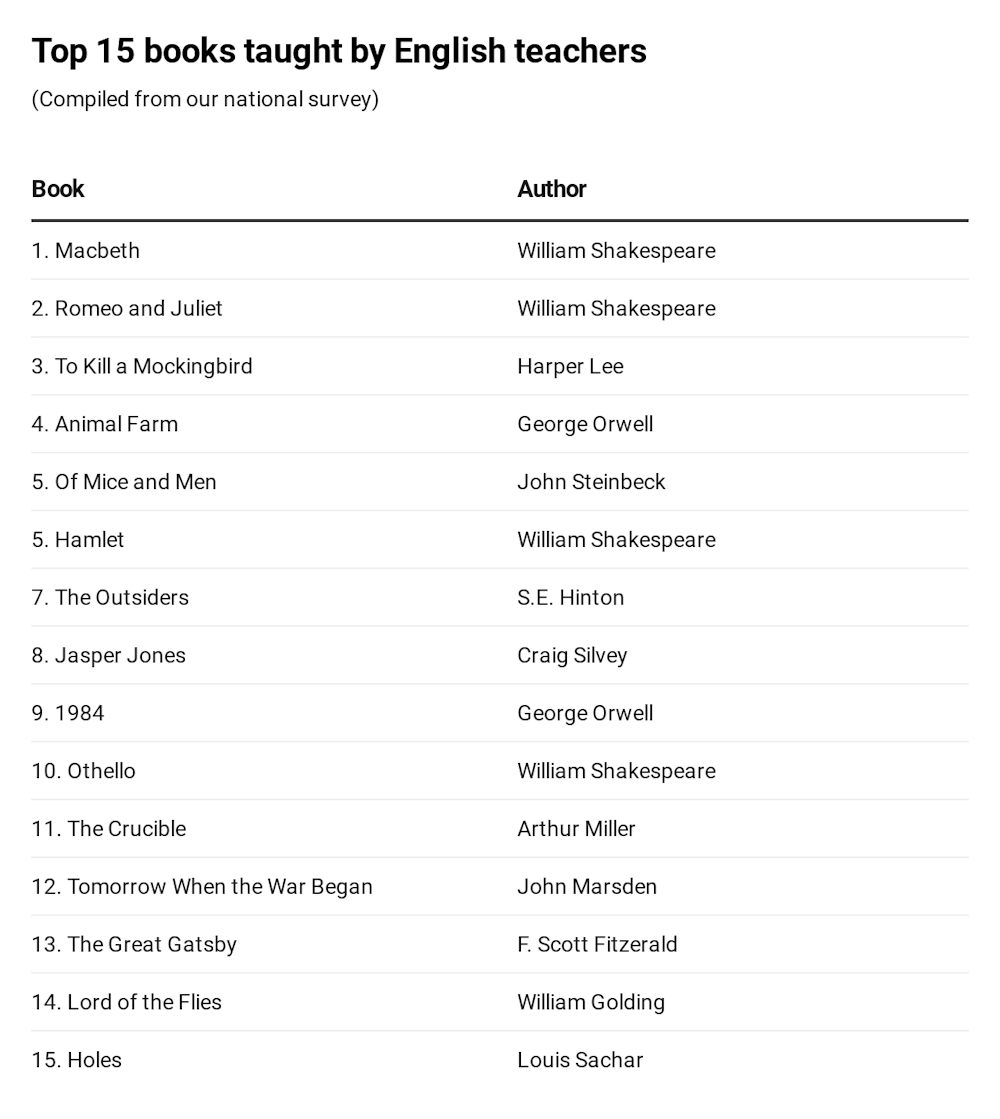
We also conducted a national survey of more than 700 English teachers, asking them what books they taught in class. The following top 15 texts were most referenced:


This should not be seen as a definitive list of texts most used in Australian classrooms. But it does offer insight into the relative status of Australian literature in the curriculum.

Most works on this list are written in the past, by male British or American writers. Most of these have formed part of the school literary canon for generations. There are only two texts by women, Hinton and Lee, and no texts by Australian women, migrant Australians or Aboriginal writers.


Read more:
Diversity, the Stella Count and the whiteness of Australian publishing


The only texts by Australians cited here are Marsden’s 1990s dystopian invasion series and Silvey’s 2009 coming of age novel.

How do we change it?

Our research showed teachers need more time, knowledge, resources and confidence to include more Australian literature in the classroom. This is not surprising given teachers we surveyed and interviewed often completed both secondary and tertiary studies in English without significant experiences of Australian literature.

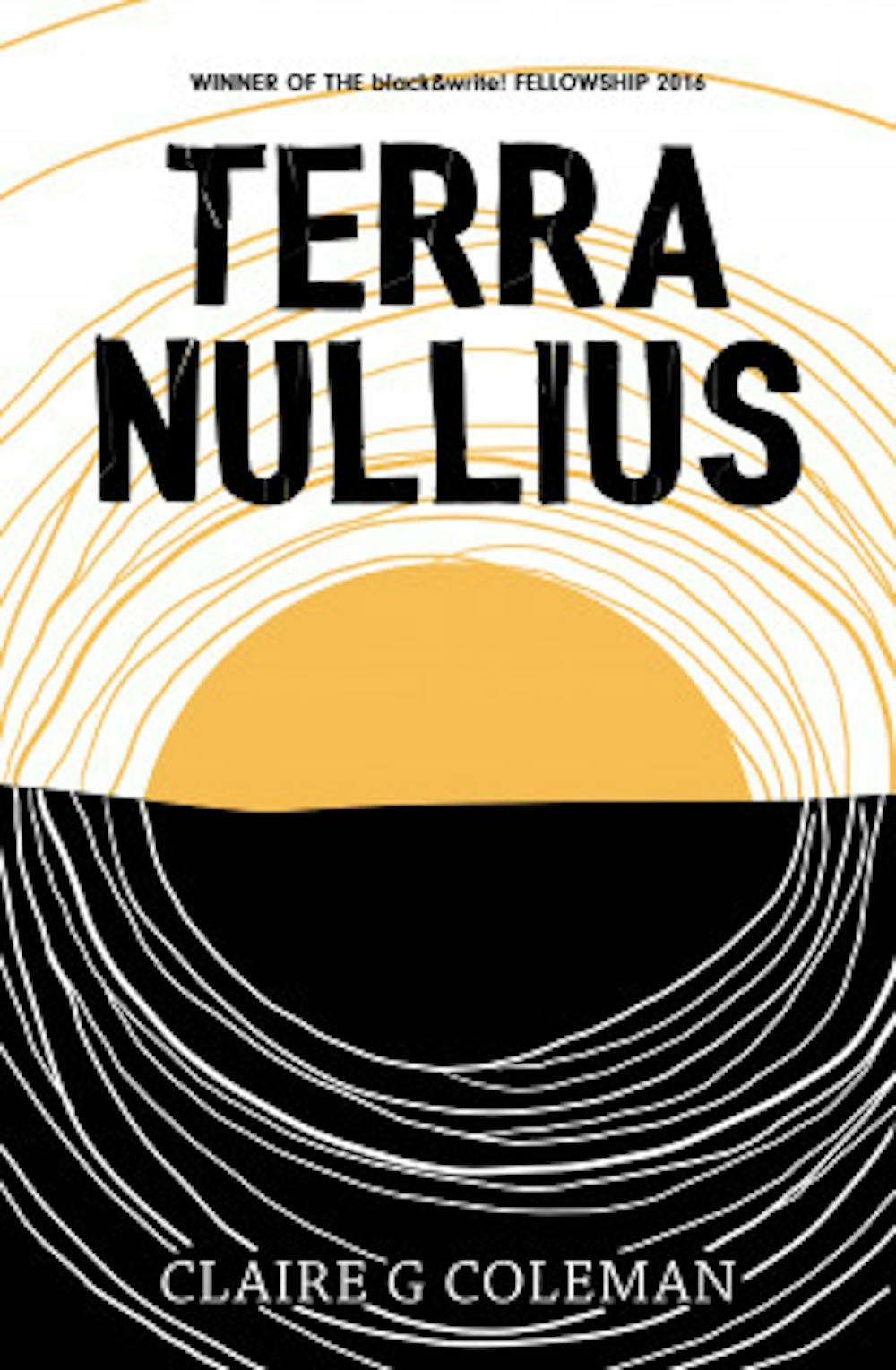
Coleman’s speculative fiction novel has been studied by our teacher researchers.

In response, colleagues and I have partnered with the Stella Prize (a literary award for Australian women writers) to develop the teacher-researchers project.

Teachers select a text from the Stella long-list. They then work intensively with the project team – which includes teacher-educators and Australian literary studies experts – and university archives or other cultural collections, to develop resources to teach their chosen texts that can be shared.

Texts in this pilot project have included Heat and Light by Ellen Van Neervan, Terra Nullius by Claire G. Coleman and The Hate Race by Maxine Beneba Clarke.

This project will expand the literary knowledge and experiences of teachers, students and school communities involved. But a concerted, bipartisan and enduring commitment to resourcing scholarship and teaching of Australian writing across universities and schools is imperative.

If we are to ensure all students experience Australian stories from the past and the present, Australian writing, in all its rich diversity, must be a central part of a literary education.The Conversation

Larissa McLean Davies, Associate Professor Language and Literacy Education, University of Melbourne

This article is republished from The Conversation under a Creative Commons license. Read the original article.
Unknown's avatar

2019 Readings Prize for New Australian Fiction Winner


The link below is to an article reporting on the winner of the 2019 Readings Prize for New Australian Fiction, ‘The Glad Shout,’ by Alice Robinson.

For more visit:
www.booksandpublishing.com.au/articles/2019/11/14/142143/the-glad-shout-wins-readings-prize-for-new-australian-fiction/

Unknown's avatar

Amazon and Library Ebook Lending


The link below is to an article that is worth considering in the library ebook lending controversy – for Amazon is probably the worst offender when it comes to this.

For more visit:
https://the-digital-reader.com/2019/10/25/sometimes-amazon-is-more-evil-than-the-major-publishers/

Unknown's avatar

How Words are Added to the Dictionary


The link below is to an article that takes a look at how words are added to the dictionary.

For more visit:
https://bookriot.com/2019/10/23/how-are-words-added-to-the-dictionary/

Unknown's avatar

Paying to Browse?


The link below is to an article that takes a look at paying a fee to browse physical bookshops/bookstores. Would you do so?

For more visit:
https://www.newyorker.com/culture/cultural-comment/should-we-pay-to-enter-bookstores

Unknown's avatar

2019 Baillie Gifford Prize for Nonfiction Shortlist


The link below is to an article that takes a look at the shortlist for 2019 Baillie Gifford Prize for Nonfiction, formerly the Samuel Johnson Prize.

For more visit:
https://www.booksandpublishing.com.au/articles/2019/10/23/141539/baillie-gifford-prize-for-nonfiction-2019-shortlist-announced/

Unknown's avatar

2019 Readings Prize for New Australian Fiction Winner


The link below is to an article reporting on the winner of the 2019 Readings Prize for New Australian Fiction – Alice Robinson’s second novel, The Glad Shout.

For more visit:
https://www.booksandpublishing.com.au/articles/2019/10/22/141519/the-glad-shout-wins-2019-readings-prize-for-new-australian-fiction/