Former Liberal Minister Christopher Pyne attracted critics for his political front. But he always had plenty of friends and networks, enabling him often to be a player, if not always a “fixer”.
After his election to the South Australian seat of Sturt at age 25, he went on to hold senior portfolios, notably education and defence, and to stride the parliamentary stage as Leader of the House of Representatives.
In his memoir, The Insider, the former politician provides his take, humorous and candid, on a tumultuous 26 parliamentary years.
In this podcast, Pyne talks about life after politics, and stories from the ‘Canberra bubble’.
“I don’t miss politics at all – because I left happy, and I wanted to go.
“So I’m not one of these politicians that was dragged kicking and screaming. I left when people wanted me to stay, which is a great rarity.”
Pyne is ultra candid about his ambition to be prime minister:
“I think when you’re 15, and you decided you want to be a member of the House of Representatives, you kind of think ‘I’m going to dream big.’ So of course I dreamt to be prime minister”.
Reality, it appears, didn’t hit for quite a while.
“I think that week when Malcolm [Turnbull] was deposed and nobody was suggesting that I should be running for leader, it dawned on me that the generation that was being elected, which was Scott Morrison and Josh Frydenberg, were a generation different to me.”
It seems sometimes literary fiction performs a bellwether function: signalling changes; alerting us to the directions in which a society is headed.
The 2020 Miles Franklin shortlist seems to bear this out in six novels whose topics shimmer with relevance: the continuing wounds of colonisation (for people and the environment); language and all its possibilities and failures; ditto families; and the issues that are intrinsic to fiction, like conflict and character, trauma and resilience, sex and art. And, in the case of these six novels, lost or vanished family members and the uncertain status of the dead.
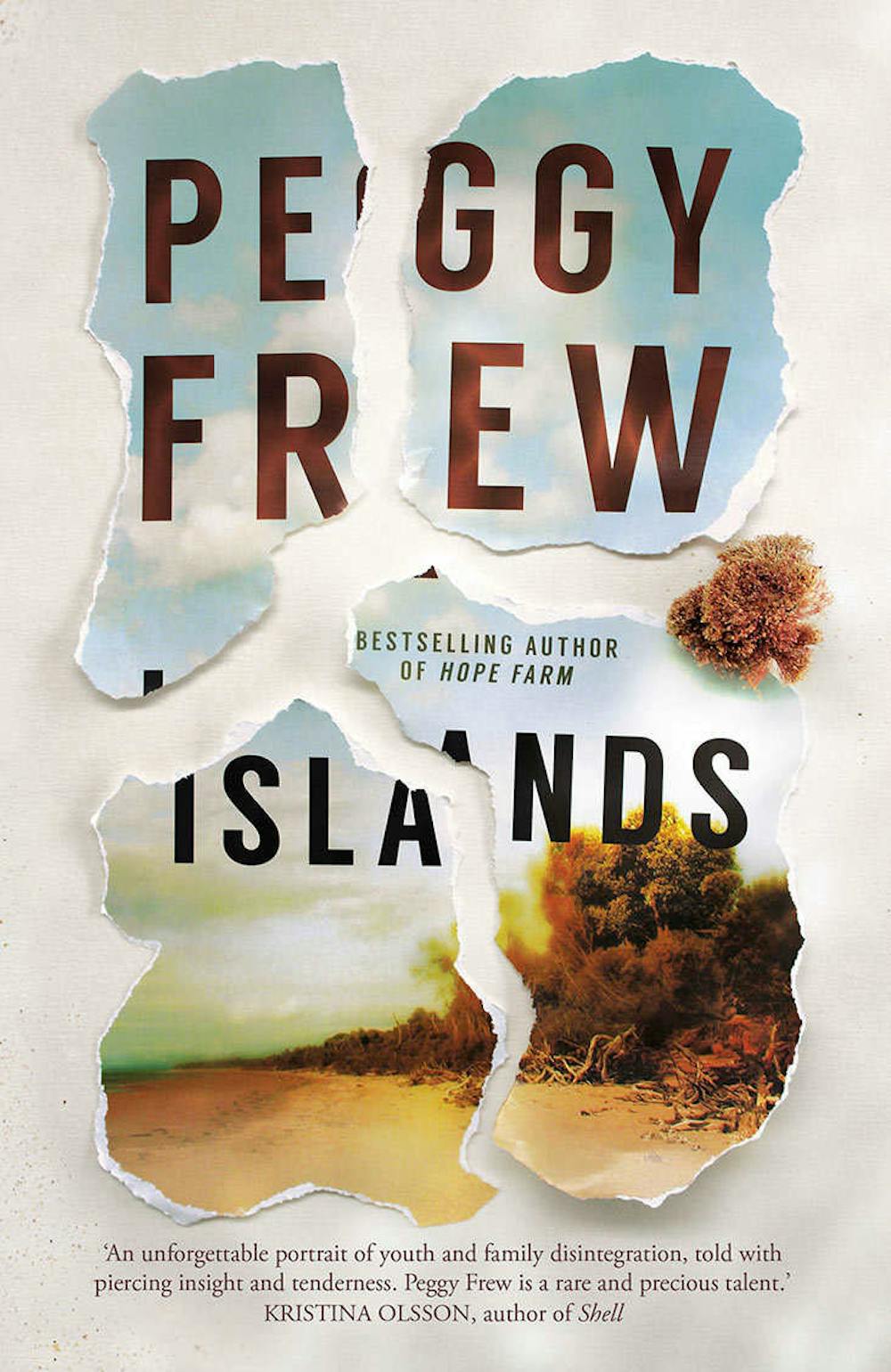
Islands
Peggy Frew’s Islands reads like a sequence of vignettes, focused through members of the Worth family and other, more tangential, characters. Frew demands and rewards a reader’s attention, because the impact of her structure is a lapidary arrangement of different voices, times, geographies.
The overall effect is of fragments of impressions, a prism that reflects and deflects the light cast by childhood: the presence and absence of the younger sister Anna, and then of the rejected mother and the incompetent father, until the remaining sister, Junie, is left almost alone, with every breath freighted by the disappearance of her sister:
Junie can look back on the past, when Anna was there. She can see, behind her, that world, where things were aligned. And then there is a signpost, a marker, which is Anna being gone. And after that the void opens …
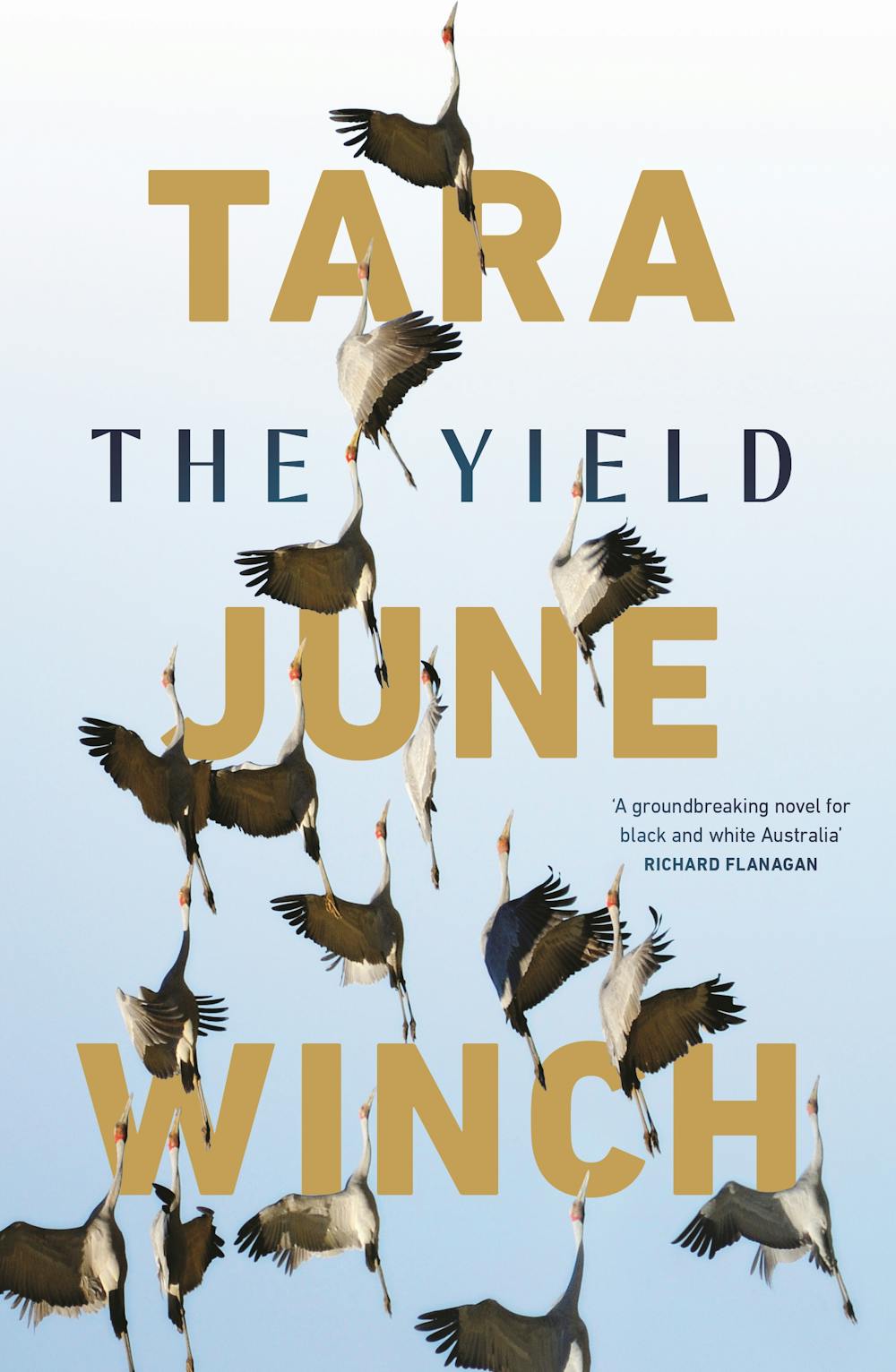
The Yield
Tara June Winch’s The Yield is another story of family crisis, of a daughter gone missing, a family stranded in the midst of the enduring trauma of invasion and the newer catastrophe of environmental mismanagement. All that, and then the death of grandfather Albert Gondiwindi and the impending loss of their family home.
This sounds like an unrelieved tragedy but the novel is full of light, not least because of the writing: practically every sentence is a marvel, language that does not merely describe but perfectly fits the world of things. The characters, too, are beautifully rendered, with Albert and his widow Elsie demonstrating how one can live fully and hold close all that seems lost.
As his legacy, Albert has left a dictionary full of words from his apparently lost language, which come with advice and responsibilities:
The spirit woman was empty-handed and showed me her hands … and she said, ‘Wanga-dyung.’ ‘What’s that mean?’ She said, ‘It means lost, but not lost always.’ I said okay, and she told me to practise it.
The “not lost always” is bequeathed to his sad granddaughter August, who starts learning, as grandmother Elsie insists, “We aren’t victims in this story anymore”.
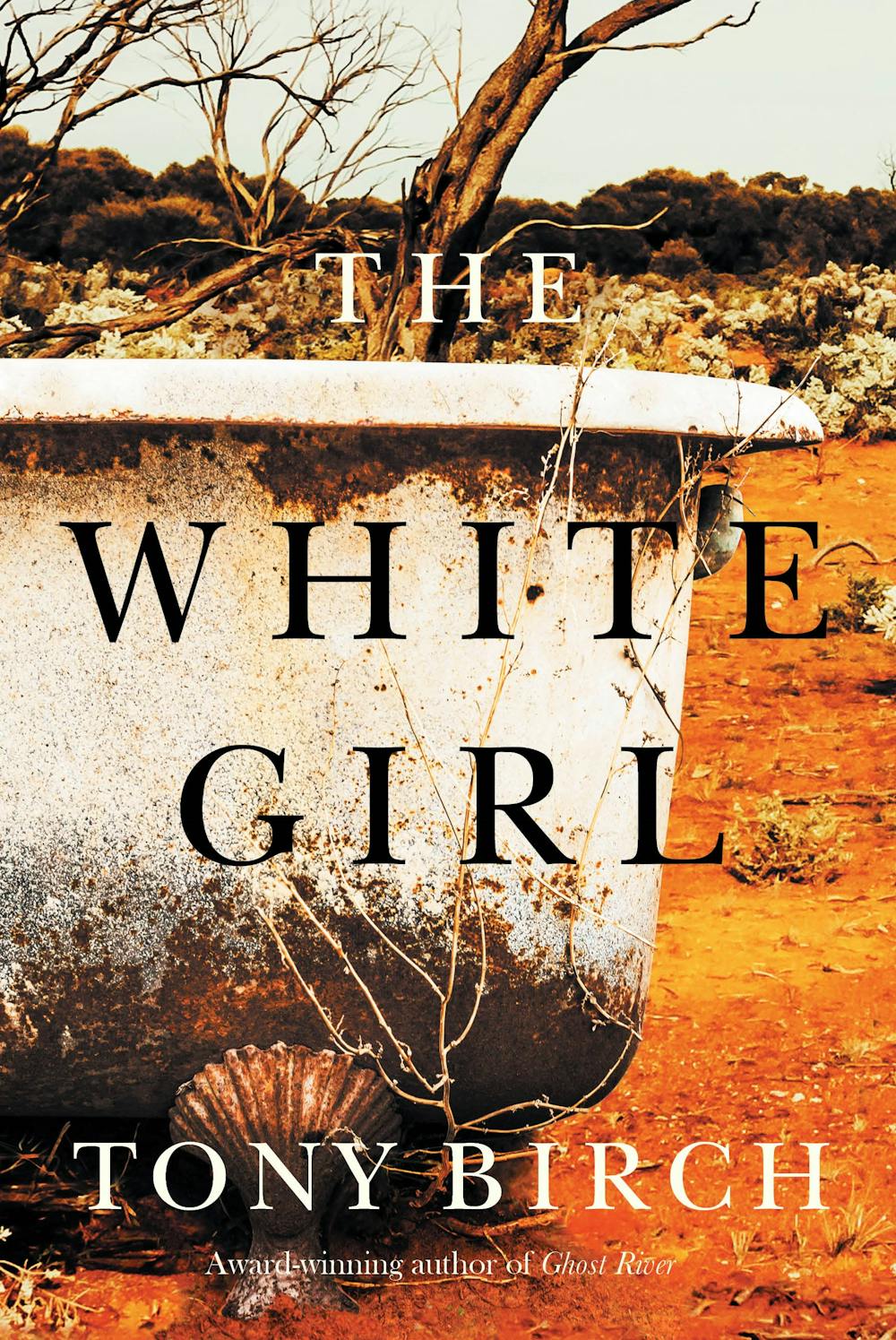
The White Girl
Another lost daughter, another unresolved mourning is at the heart of Tony Birch’s The White Girl, set during the period of the Aborigines Protection Act, which permitted white people to insult, assault, and confine Indigenous people without legal consequences.
Odette, grandmother of the eponymous “white girl”, has struggled to preserve her right to raise the baby, Sissy, left behind when her daughter disappeared. She struggles to maintain dignity in the face of unremitting abuse. When a local thug says to her, “I thought there was none of your lot left around here”, she replies, “Oh, my people are still here, son … We’ve always been here and we’re going no place”.
The name Odette recalls the swan: always just out of reach, always poised, always gracious. But she is also tough and decisive. When it’s time to leave town, illegally, to protect her granddaughter, and Sissy says, “We’re in trouble, aren’t we, Nan?”, Odette merely laughs:
Trouble? Our people have been in one sort of trouble or another from the first day we set eyes on a white person.
Exploded View
It wasn’t a good year for daughters.
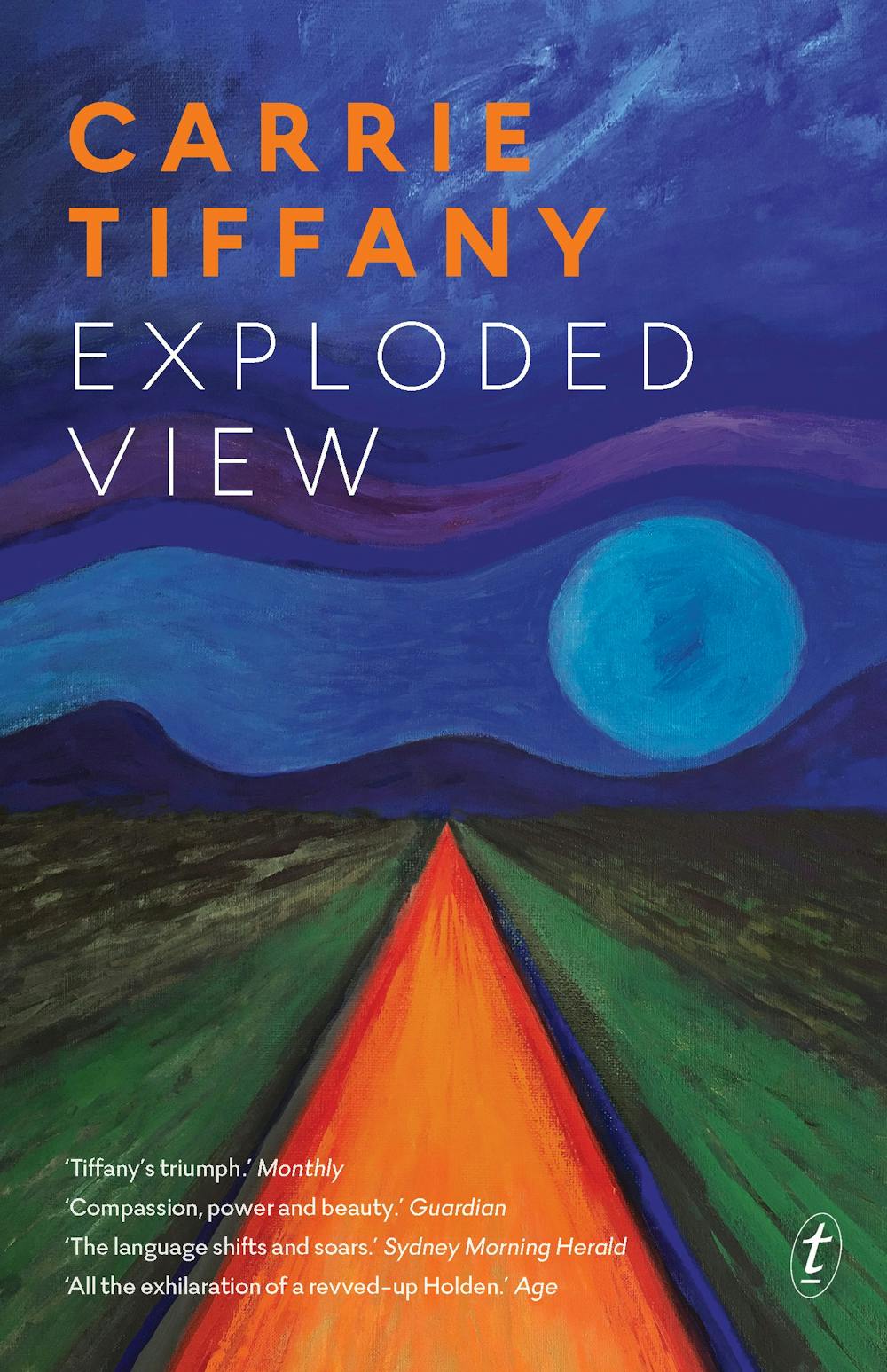
Carrie Tiffany’s Exploded View works like a negative Bildungsroman, focusing on a girl who practices elective mutism because “You have to stop listening to yourself to be able to speak”.
She avoids human contact, creeping into neighbours’ homes when they are out, creeping out of her own home at night, entirely dissociated and alone. This is not surprising given her backyard mechanic and abuser “Father Man”; her Mother who escapes into fantasies; her isolation from friends and protectors. She identifies with car bodies and engines but also assaults them — dropping sewing needles into their delicate moving parts, hacking holes into pipes. She insists, “There are many happy times in my family”, but her example of a happy time is only the hunt for Mother’s lost contact lens.
There seems little hope in the exploded view this novel offers of abused adolescents, but it is leavened by her determination not to cave in: “You are only lost to others”, the unnamed girl? observes, “not inside yourself”.
The Returns
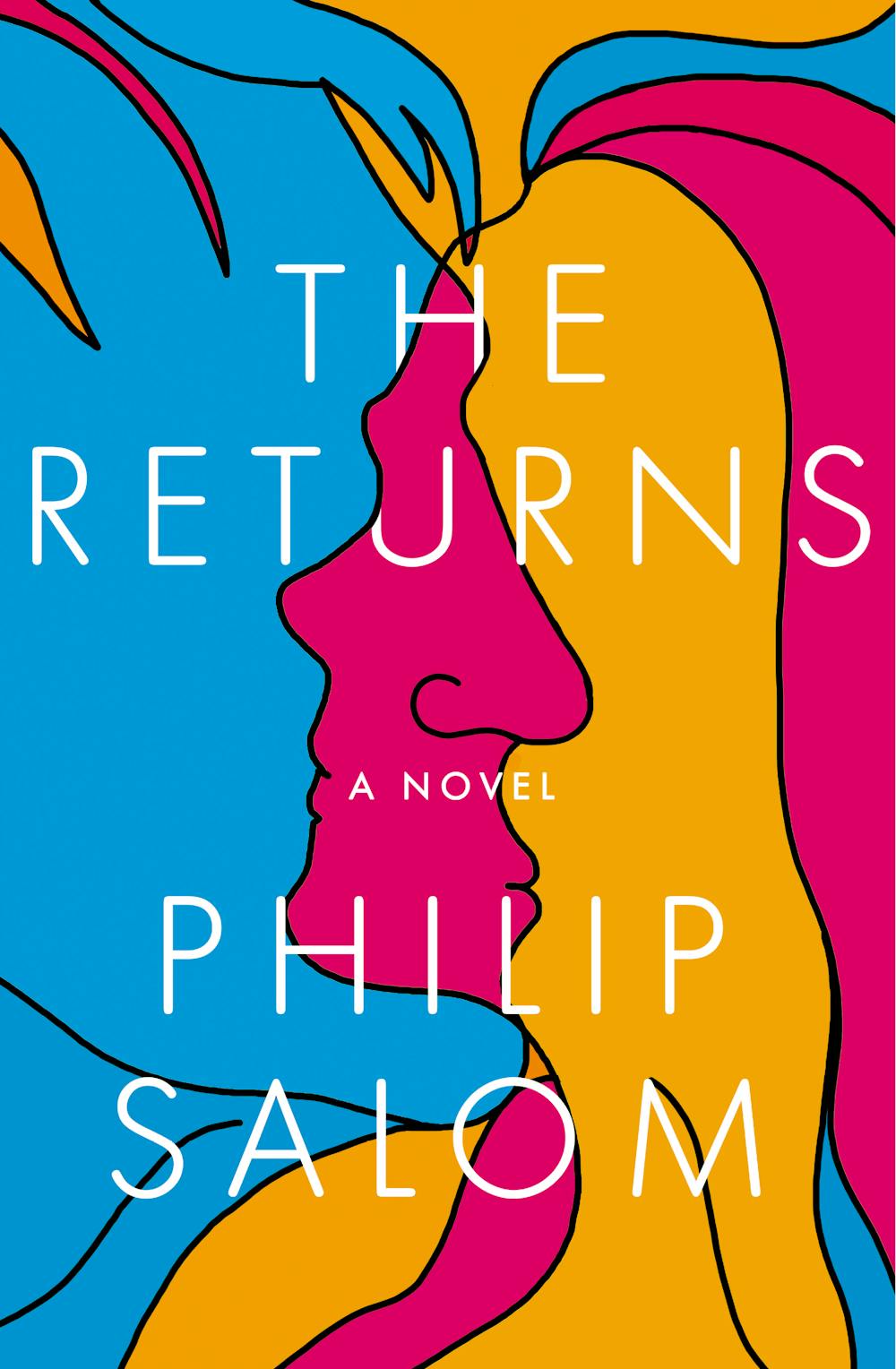
In The Returns, Philip Salom produces what in some lights reads like a metafiction.
It is the story of Trevor, an artist turned bookseller turned bookseller-artist whose dead father returns, inconveniently, to trouble him. It is the story of Elizabeth, daughter of an ex-cultist, a book editor who suffers from face blindness and recognises people by their shape and smell. It is the story of the art sector where only artists with a track record can expect to be exhibited, where “the book publishing scene looks like property management sometimes. Safe books in safe suburbs”.
Salom is a poet, and great swathes of this novel show this lineage:
[S]o many people want art to be romantic gestures and a clutch of the bowels, a dazzle born of insanity (first), suffering (second) or heroin, or beautiful lovers or genius from the fucking stars. Oh, art! Our body is made of stardust! No, it’s not.
Set in a slice of Melbourne struggling for recognition, between the dog shit and motor accidents and incompetent criminals, the cool eye of the painter and the cool voice of the editor deliver a cocktail of tenderness, irreverence and sometimes laugh-out-loud humour in the face of what feels a little like disaster.
No One
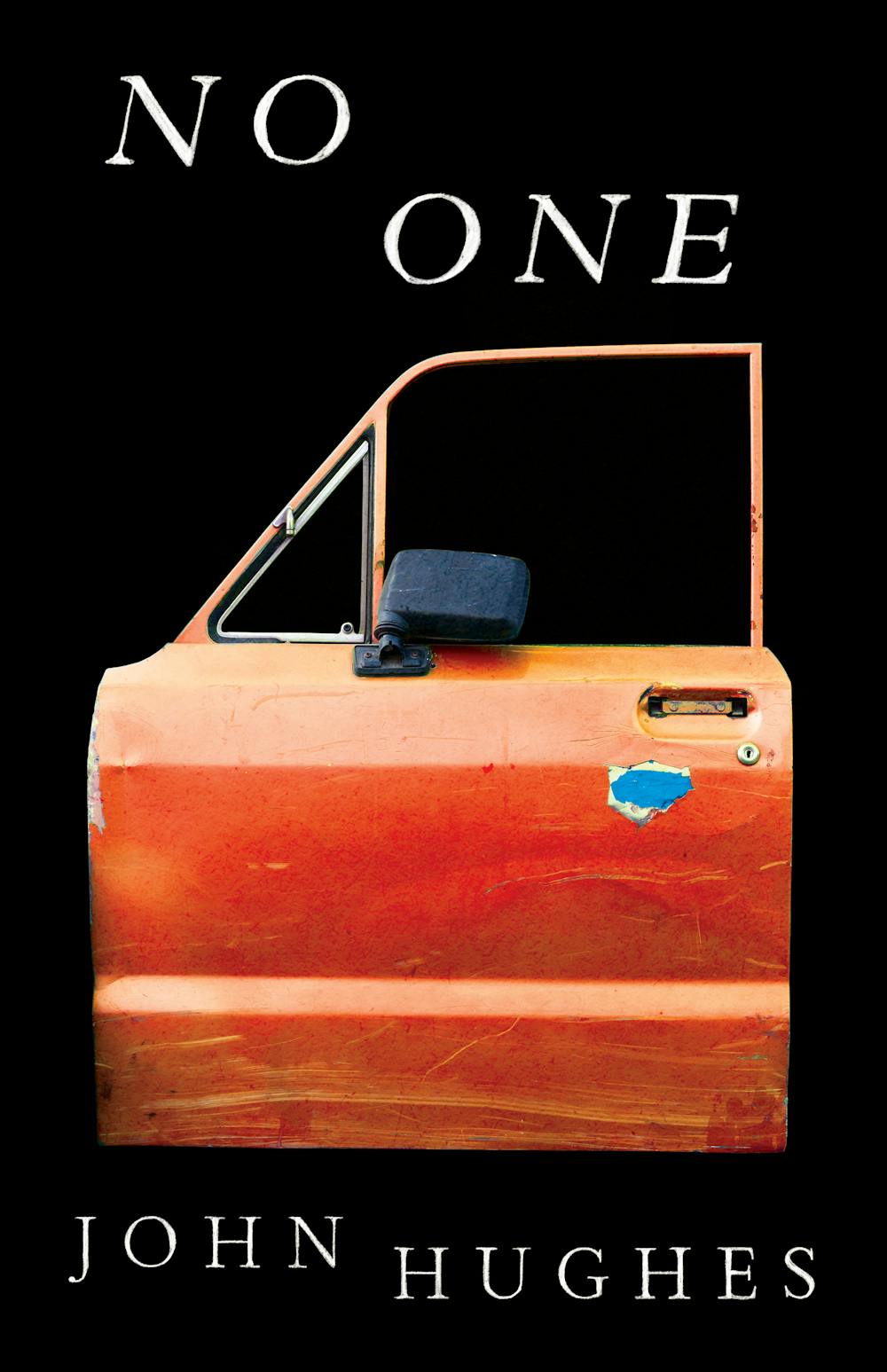
John Hughes’ No One follows the lonely narrator through his attempts to determine who or what he hit while driving past Redfern station one night. He can’t resolve the problem: there is no data to work with, and the absence in this accident operates as a sort of allegory for his life. He cannot, after all, resolve his own history – his lost homeland and parents, his invisibility.
“It’s like we walk on water”, he says, “so little trace do we leave of ourselves.” Even the strange relationship he develops with a young woman he calls the Poetess – one who carries the scars of her own abusive past – is built on water.
The narrative also seems an allegory of Australian history. Speaking of his history lecturer, he recalls:
You can’t alter historical injustice in the present, he said. Two hundred years after the fact – he was talking about colonisation – the crime continues, only it’s a criminal-less crime now, which means it can never be solved.
While this novel is desperately sad, the writing is exquisite, and the narrative offers the promise one can adapt; it is possible to achieve at least small moments of resolution.
The winner of the Miles Franklin will be announced on Thursday July 16.
Global support for the Black Lives Matter movement isn’t only about standing up against the injustice done to George Floyd, or Indigenous Australians in custody. People are also standing up against the entrenched racism that leads to a careless approach towards the lives of people who aren’t white.
Research shows 75% of Australians hold an implicit bias against Indigenous Australians, seeing them negatively, even if this is unconscious. Children absorb this bias, which becomes entrenched due to messages in the media and in books, and continues to play out at school and the broader community.
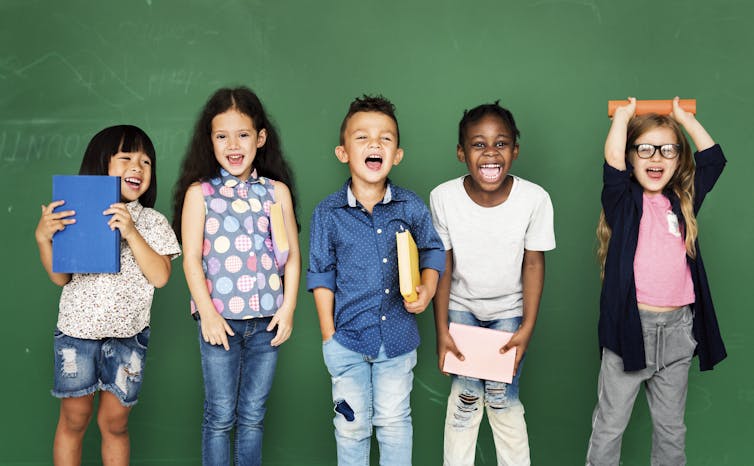
Making sure children have access to books showing diversity is one step in breaking the cycle that leads to entrenched racism.
First Nations groups are commonly absent from children’s books. Excluding the viewpoints, histories and suffering of First Nations Peoples can misrepresent history, and teach kids a white-washed version of the past.
A world of children’s books dominated by white authors, white images and white male heroes, creates a sense of white superiority. This is harmful to the worldviews and identities of all children.
Sharing stories through books
Evidence shows sharing Aboriginal and Torres Strait Islander stories helps break down stereotypes and prejudice. And this, importantly, helps empower Aboriginal children and improve their educational engagement and outcomes.
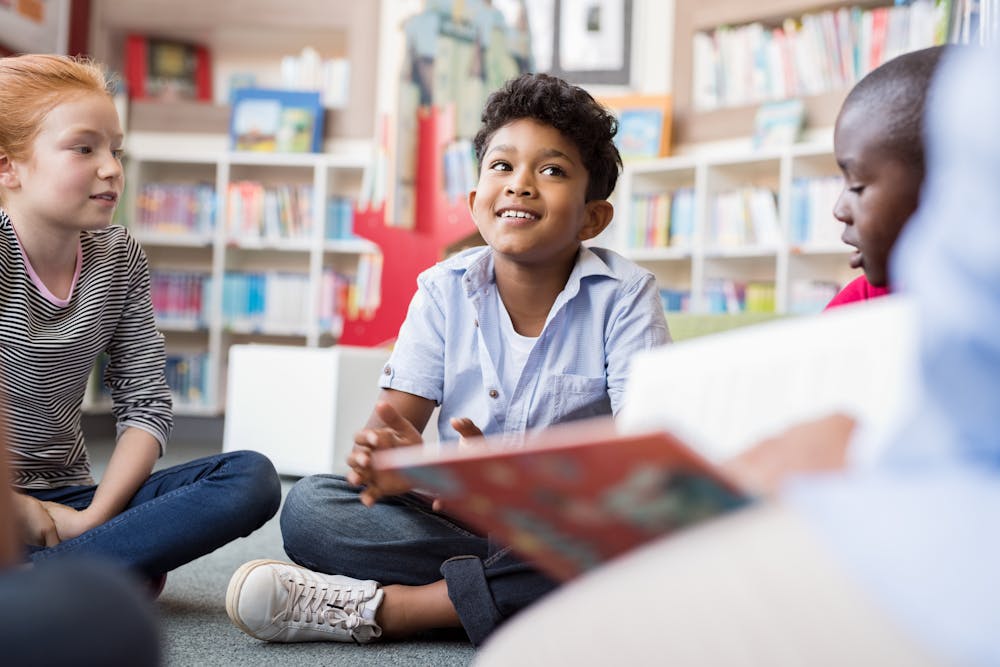
Books can empower and validate children’s identities. But they can also make them feel inferior. Shutterstock
This can also help adults become informed about Australia’s colonial history. Reading these books can help challenge their own unconscious biases and misunderstandings.
The challenge for teachers and parents is to access suitable children’s books and share them with the children in their care. We can use these stories as a foundation for conversations about culture and community.
This can help to drive change and support reconciliation.
Other ways of sharing diverse stories
Creating Books in Communities is a pilot project run by the State Library of Western Australia that helps create books with families about their everyday experiences. These books represent the families’ culture and language.
Projects like these are another way we can recognise and extend the voices of Aboriginal and Torres Strait Islander peoples.
Another project, On Country Learning, involves children and teachers learning through culture alongside Aboriginal elders. A preliminary review of the program shows it enriches teacher knowledge and motivates all children to learn.
Reading and listening to the stories of Aboriginal and Torres Strait Islander peoples can help teachers gain important knowledge and understanding. This helps them effectively engage with and teach Aboriginal and Torres Strait Islander students.
And it helps them teach all students about Aboriginal and Torres Strait Islander languages, histories and cultures.
To see real and lasting change children need everyday story books with heroes and characters that reflect their diverse backgrounds. To help this happen we can support groups such as the We Need Diverse Books Movement and LoveOZYA , which actively call for and promote diverse books for young people.
Affirmation of all children’s culture, language and identity at this pivotal time in world history is critical to the future of all our children.
Spoiler alert: this story details how The War of the Worlds ends.
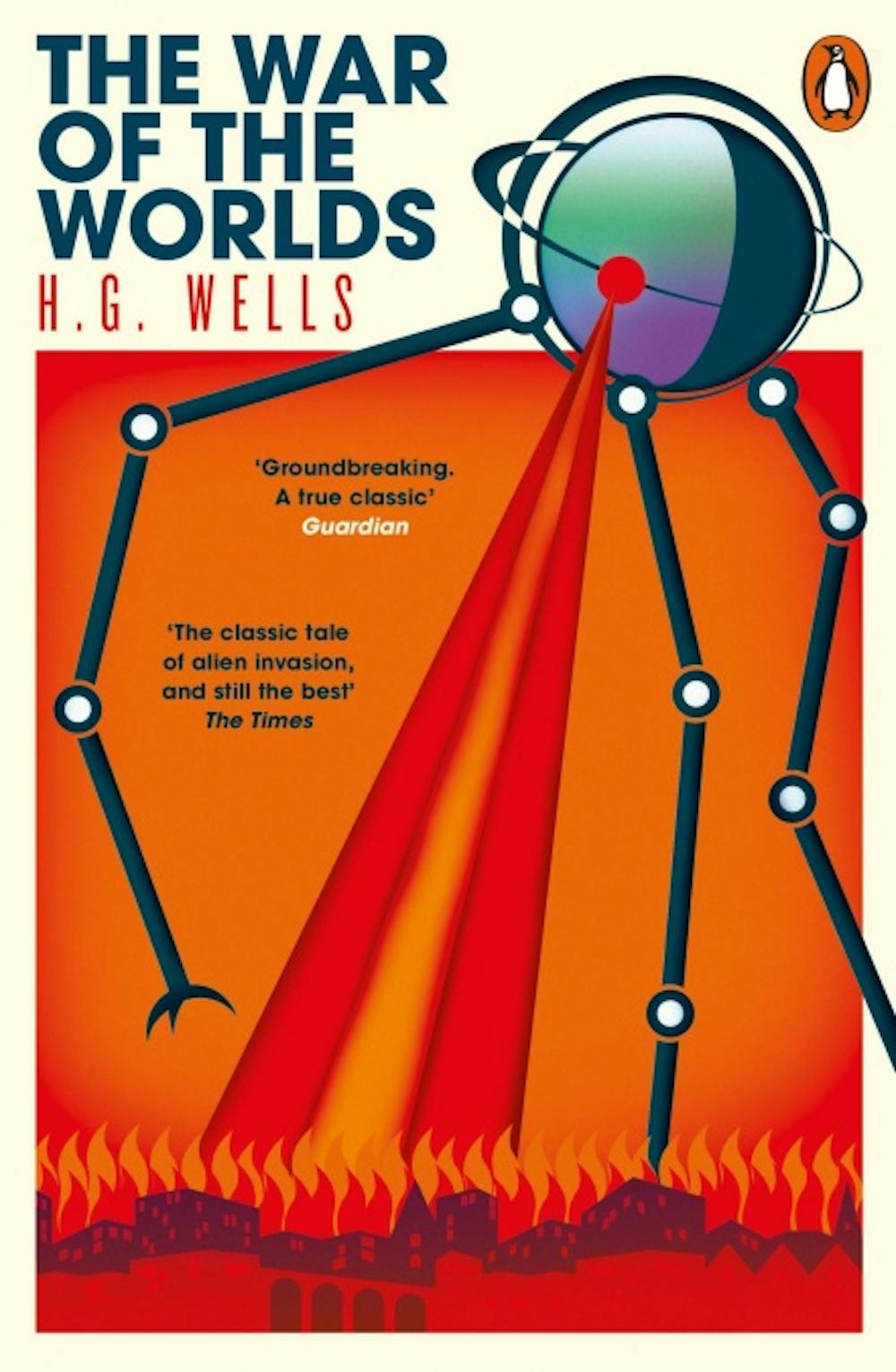
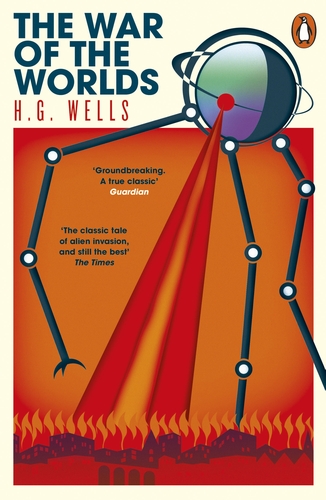
The latest screen adaption of H. G. Wells’ 1898 modern masterwork The War of the Worlds will hit our screens this week. Continuously in print since its first publication, the book is a literary gift that keeps on giving for producers and screenwriters. They recognise the story’s unerring capacity to find its mark with each generation.
Wells – who also wrote The Time Machine (1895) and The Invisible Man (1897) – helped pioneer the science fiction genre when he conceived this astonishing book. With an eyewitness narration that reads grippingly still, it tells of a Martian invasion of Earth.
The new War of the Worlds stars Gabriel Byrne (ZeroZeroZero), Elizabeth McGovern (Downton Abbey) and Daisy Edgar-Jones (Normal People).
Shock and awe
Set in London, Wells depicts a complacent world; of men “serene in their assurance” of their dominion over the planet. But humans get the shock of another reality when suddenly visited upon by blood-feeding and squid-like creatures possessed of “intellects vast and cool” that are “unsympathetic” to Earthlings whose planet they had long “regarded with envious eyes”.
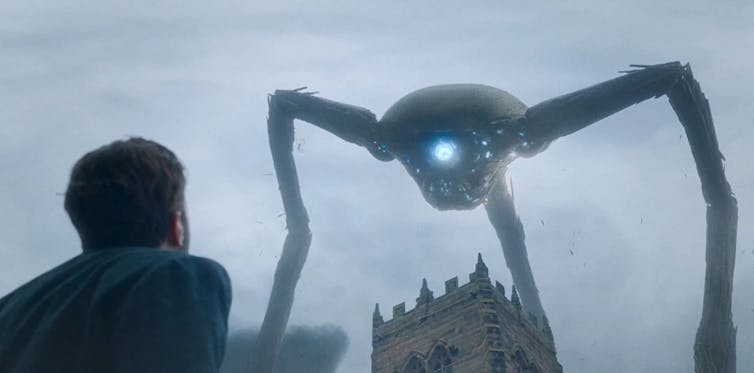
An advance party arrives inside metal cylinders shot from giant cannons stationed on Mars. From the cylinders come dozens of Martians, each operating a three-legged metal “fighting-machine” that attacks London’s helpless population by means of a “heat ray”. From these “whatever is combustible flashes into flame”, metal liquifies, glass melts and water “explodes into steam”.
Fleeing like rats from a burning ship, panic spreads like a contagion. The narrator describes a breakdown of law and order, and undergoes something of a breakdown himself.
Upper-class women arm themselves as they cross the country, because traditional deference has gone up in smoke. The “social body” of organisation – police, army, government – suffers “swift liquefaction”.
The Martians, however, had become too intelligent for their own good. They had made the Red Planet disease-free but forgotten about germ theory. And so while laying waste to London, they inhale a bug; a simple bacteria “against which their systems were unprepared” and so suffered a “death that must have seemed to them as incomprehensible as any death could be”.
London will rise again. The world has been spared. Humanity gets lucky — this time.
In the new Anglo-French television series, La Guerre Des Mondes, the action takes place in both London and France. Martian devastation is given wider latitude.
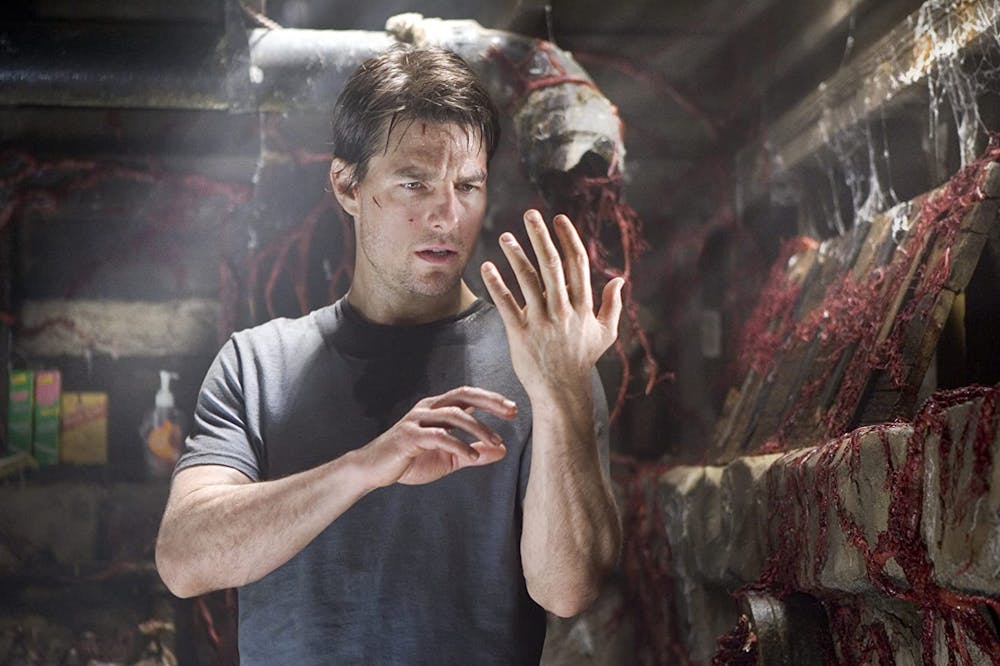
Tom Cruise and the red weed in the 2005 film. IMDB
One response is to consider our attraction to sci-fi. It sees the laws of science upended. Technology seems to make anything possible and to minds already accustomed to real technological transformation, sci-fi literature brings the now-thinkable future into the present.
But there’re less obvious elements to think about: themes that were important in 1898 and resonate still.
Invasion and imperialism
Wells’ book touched something existentially British during their Pax Britannica period of relative peace. Across the Channel, Europe seethed with diplomatic intrigue and tensions culminating in the first world war.
The new sci-fi genre connected to an older “invasion literature” genre; a long-standing British apprehension of the Continent, especially its renascent German threat. Wells hints at this when he writes that the arrival of the cylinders (before the Martians emerged from them) “did not [initially] make the sensation that an ultimatum to Germany would have done”.
Then there’s the imperialism angle. Was Wells tapping a source of late-Victorian shame at the true source of British wealth and power? Then, a quarter of the world map was coloured British Empire pink. London was the epicentre of modern imperialism — the coordination point for the suffering of millions and the plunder of their lands.
Moreover, Belgium, Germany, France, and also the USA, were engaged in the “scramble for colonies” in Africa and Asia. Under the veneer of sci-fi, Wells describes what it’s like to be a people facing a powerful invader.
A BBC version was set in Edwardian times.
Fear is the contagion
A very different perspective says something about our species and our idealised self-conception. In 1908 the Russian novelist and revolutionary Alexander Bogdanov, drew on WOTW for inspiration. In his novel Red Star protagonist Leonid travels to Mars to learn about communism from Martians who had made their own revolution and now lived in peace. Leonid despairs of the congenitally “unstable and fragile” nature of human relationships and looks to another planet for guidance.
The Earth-bound communist project of the 20th century ended badly, to say the least. But our human vulnerability to invasion, to tyranny, to economic catastrophe, and even to the bacteriological danger from microbes resistant to antibiotics, continues to haunt us.
The latest adaptation is set in our time with smartphones and the internet. Here again our 21st-century complacency is shattered, and our vulnerability laid bare.
Fear is a contagion in WOTW, and its Londoners show little heroism in the face of an alien invader.
Bacteria did in Wells’ Martians and might do for us too – unless drugs to overcome resistance are developed. Through sci-fi, we can explore our fear of the invisible foe.
Global warming might be our other enemy – the red skies of Australia’s last bushfire season fresh in our memory and reminiscent of Well’s novel.
Jeff Wayne created the progressive musical version of The War of the Worlds, featuring Justin Hayward (The Moody Blues), Chris Thompson (Manfred Mann’s Earth Band), Phil Lynott (Thin Lizzy), Julie Covington and David Essex.
The narrative provides a hugely enjoyable fantasy. But we need to think about what science fiction might be doing to our relationship with science fact, especially if we consume it as a tranquilliser to displace and sublimate our fears of invisible threats.
If we do, then the incomprehensibility felt by Wells’ Martians may add that little bit more to our discord regarding the sources and solutions to global warming. Humans got lucky in The War of the Worlds. They didn’t need to do anything to survive. We can’t count on luck to save us or our planet.
War of the Worlds double episode will premiere July 9 on SBS and continue weekly from July 16. Episodes will be available on SBS On Demand on the same day as broadcast.







 At the BookShelf


You must be logged in to post a comment.