Unknown's avatar

Five books from the 19th century that will help you understand modern America better


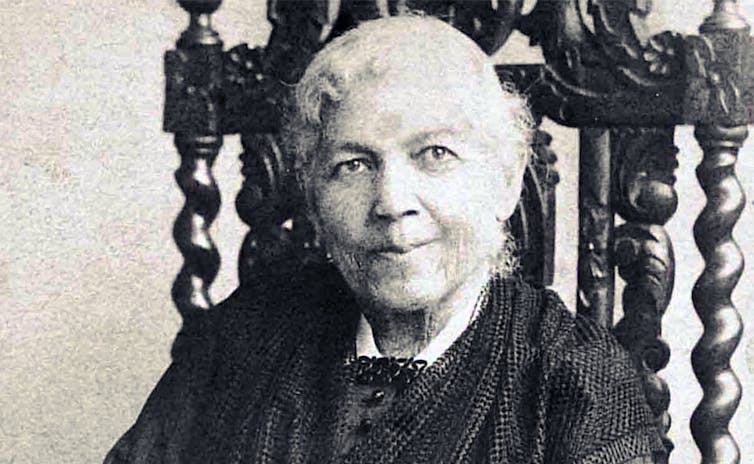
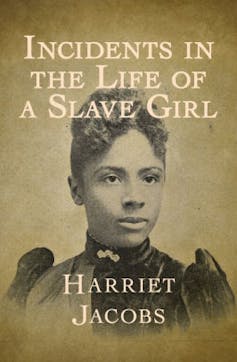
Harriet Jacobs, writer of Incidents in the Life of a Slave Girl.
Wikimedia

Jillian Spivey Caddell, University of Kent

There’s a reason why one of the most important American novels of the twentieth century, Ralph Ellison’s Invisible Man (1952), begins with an epigraph by the writer Herman Melville and an allusion to the ghosts who haunted Edgar Allan Poe.

If you want to understand anything about the US in the 20th and 21st centuries, you need to know 19th-century American literature. The 19th century was when many, if not most, of the problems and ideologies that define American culture were codified, and literature of the period shows creative responses to this change.

For the first half of the 19th century, a lot of ink was spilt worrying whether the US would ever have a literature of its own. Many famous writers, including Ralph Waldo Emerson and Walt Whitman, urged Americans to leave English literature behind and take up specifically American themes, peoples and spaces.

At the same time, indigenous and enslaved Americans such as Harriet Jacobs, William Apess and Frederick Douglass used their pens and their rhetorical might to urge the US government to end race and ethnicity-based persecution and genocide.

After the American Civil War (1861-1865), writers rarely worried about whether the country had a literature and whether it was any good (it quite obviously was). They had innovated new genres (think of Emily Dickinson’s spare and searing verses) and turned their attention to issues of inequality embedded in American culture, as in Kate Chopin’s proto-feminist novella The Awakening and Charles Chesnutt’s exposure of racism and white supremacy in the post-Reconstruction South.

The following five works embody both the beauty of 19th-century American literature as well as its ability to change hearts and minds.

1. Incidents in the Life of a Slave Girl by Harriet Jacobs (1861)

Jacobs’ slave autobiography may not be the earliest written or the most famous, but it’s a devastatingly effective piece of storytelling that reads like a novel. Jacobs’ story of surviving slavery is so remarkable a narrative that sheds a rare light on the female experience of slavery.

Written under a pseudonym (Linda Brent), for a long time scholars assumed it must be fiction written by a white abolitionist. It wasn’t until African-American and feminist scholars unearthed the true identity in 1987 of Harriet Jacobs that the truth of her life story was accepted. Her narrative has since become a classic text of resistance, and it’s an essential read for understanding how white supremacy continues to function in America today.

2. Leaves of Grass by Walt Whitman (1855; last new edition 1881)
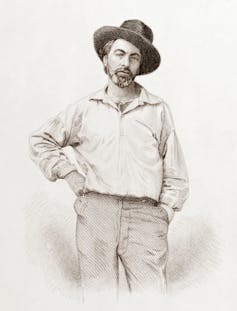
Engraving of Walt Whitman from Leaves of Grass.
Wikimedia

Walt Whitman was a virtually unknown journalist and printer when the first edition of Leaves of Grass thundered upon the American literary world. The strange book listed no author and contained a casual engraving of Whitman with hand on hip and head cocked to the side. Most importantly, it included poems like the world had never seen before. Poems with long cascading lines and little rhyme or metre to be found. Whitman continually added to and edited Leaves of Grass over the course of his life, crafting his biography in poetry that we now recognise as revolutionary in both form and content. It made Whitman a touchstone for 20th-century poets like Allen Ginsberg and Adrienne Rich.

3. Little Women by Louisa May Alcott (1868-69)

If you’ve seen the most recent movie adaptation of Little Women (or any of the many previous adaptations), you’ll know that there’s something about Alcott’s novel (originally two novels, now published as one) that strikes a chord. Written in the shadow of the Civil War, Little Women draws upon Alcott’s own remarkable family life among famous Transcendentalist writers and thinkers in Concord, Massachusetts. It’s a skillfully crafted book about how the dreams of childhood do and, more often, do not come to fruition.

4. The Conjure Woman by Charles Chesnutt (1899)
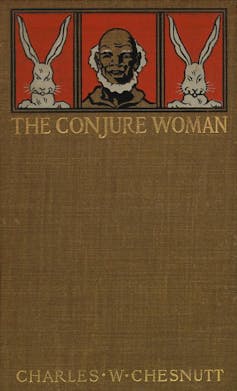
First edition book cover of The Conjure Woman.
Wikimedia

In the late 19th centuries, a genre called “local color” dominated American literary magazines. These stories introduced areas of the increasingly expanding United States to those living in urban centres. African-American writer Charles Chesnutt turned this genre on its head in his series of “conjure” stories – tales of magic and cunning told by a formerly enslaved man named Julius to entertain a white northern businessman. Julius’ stories weave together African-American folklore and Southern Gothic ambience to expose white supremacy in the south before the Civil War. These stories indirectly comment on the racism that continued to haunt the post-Civil War US under a different guise.

5. Benito Cereno by Herman Melville (1855)

While these days Melville’s gargantuan 1851 novel Moby-Dick may be more famous (and
you should definitely read that too, when you have a few months to spare), nothing packs a punch quite like the novella Benito Cereno. Based on the story of a real slave revolt on board a ship, the text is paced like a horror story and full of ambivalences and doubled meanings. It reveals the true horror of race-based chattel slavery and anticipates the eruption of violence that would tear apart the United States within a few short years.The Conversation

Jillian Spivey Caddell, Lecturer in nineteenth-century American literature, University of Kent

This article is republished from The Conversation under a Creative Commons license. Read the original article.
Unknown's avatar

US Book Sales Down


The link below is to an article reporting on the fall in US book sales as a result of the coronavirus pandemic – which is hardly a surprise.

For more visit:
https://goodereader.com/blog/bookselling/print-sales-are-crashing-due-to-coronavirus

Unknown's avatar

The Oldest Bookshop in The US


The link below is to an article that takes a look at the oldest bookshop in the US, founded in 1745.

For more visit:
https://lithub.com/how-americas-oldest-bookstore-has-survived-across-the-centuries/

Unknown's avatar

The Impact of coronavirus on Bookshops in Washington State


The link below is to an article that takes a look at the impact of coronavirus on bookshops and bookstores in the US state of Washington.

For more visit:
https://slate.com/culture/2020/03/coronavirus-diaries-bookstore-sales-impact-washington-state.html

Unknown's avatar

The Literary Community in the US During the Coronavirus Pandemic


The link below is to an article that considers the literary community in the US in the midst of the coronavirus pandemic.

For more visit:
https://lithub.com/editors-note-literary-community-in-a-time-of-global-pandemic/

Unknown's avatar

The Impact of Coronavirus on US Libraries


The link below is to an article that looks at the impact of coronavirus on US libraries and their services.

For more visit:
https://goodereader.com/blog/digital-library-news/thousands-of-libraries-are-cancelling-events-or-closing-completely

Unknown's avatar

The Impact of Coronavirus on US Indie Publishers and Booksellers


The link below is to an article that considers the impact of coronavirus on independent publishers and booksellers in the USA.

For more visit:
https://www.publishersweekly.com/pw/by-topic/industry-news/bookselling/article/82667-coronavirus-impact-begins-to-spread.html

Unknown's avatar

A must-read list: The enduring contributions of African American women writers


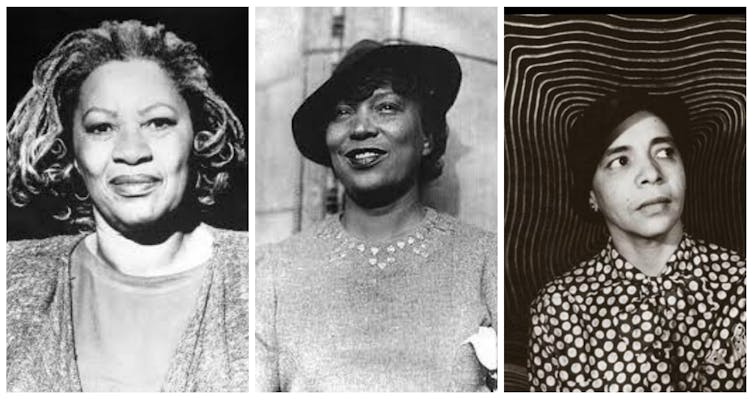
Toni Morrison, Zora Neale Hurston and Nella Larsen are on this short list of enduring must-read writers.
Left to right: Nobel Prize, U.S. Library of Congress, Yale archive

Nancy Kang, University of Manitoba

In Mules and Men (1935), anthropologist, creative writer and Harlem Renaissance upstart Zora Neale Hurston relays the evocative folktale “Why the Sister in Black Works Hardest.” Fatigued after the work of Creation, God casts a massive bundle onto the earth. Intrigued by the mysterious object, a white Southern woman during the antebellum era asks her husband to retrieve it. Reluctant to tote the load himself, the master instructs a slave to fetch it.

Soon wearied of the task, the slave then commands his wife to shoulder the burden. She does so, excited at the prospect of exploring the contents. When she opens the package, however, what leaps out at her and Black women for all posterity is none other than hard work.

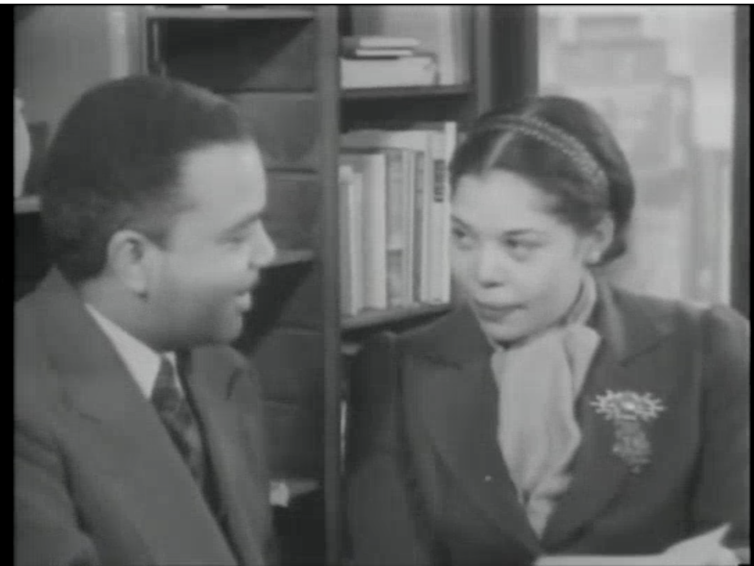
Ann Petry (right) was interviewed after she won a fiction award for ‘The Street.’
All-American news 4 / All American news IV / All-American news reel no. 4/Library of Congress

African American women writers have tackled the hard work of representing a diverse spectrum of lived and imagined experiences, including and especially their own. This labour occurs against the backdrop of centuries-long struggles with racist oppression and gender-based violence, including — but not limited to — slavery’s culture of endemic rape, forced or interrupted motherhood, infanticide, concubinage, fractured families and egregious physical and mental abuse.

Hard work as groundwork

Renowned abolitionist Frederick Douglass recalls in his 1845 slave narrative how witnessing the serial whippings of his Aunt Hester impacted him “with awful force.” He explains, “it was the blood-stained gate, the entrance to the hell of slavery, through which I was about to pass. It was a most terrible spectacle.”

These ordeals also emerge in slave narratives by women. Harriet Jacobs’ Incidents in the Life of a Slave Girl (1861) emphasizes such travails. A target of relentless sexual harassment by her much-older master, Jacobs laments, “When they told me my new-born babe was a girl, my heart was heavier than it had ever been before. Slavery is terrible for men; but it is far more terrible for women.”

Once emancipated, African American women still faced staggering impediments when pursuing educational, entrepreneurial and employment opportunities. Political participation meant restrictions on voting rights both as women and as people of colour. Racist caricatures impugned everything from a woman’s intelligence and moral capacity to her skin color, texture of hair and body shape. Stereotypes like the docile Mammy, the Tragic Mulatta, the clownish Topsy, the oversexed Jezebel, the greedy Welfare Queen, the amoral Hoodrat and the Mad Black Woman (still prevalent today) remain testaments to a history of disrespect and erasure.

Hurston’s tale symbolizes the enduring social struggles Black women have faced living in what feminist critic bell hooks has termed white supremacist capitalist patriarchy.

In addition to influential autobiographers like Maya Angelou, dramatists like Lorraine Hansberry and poets like Gwendolyn Brooks, fiction writers have consistently demonstrated how imaginative art can simultaneously inform, persuade, entertain, catalyze social change and address individual as well as collective concerns.

Here is a short list of pivotal texts by African American women from the past century. These writers are but a small sample of the artists and intellectuals whose output resisted the force of what contemporary feminist critic Moya Bailey has termed misogynoir, or the corrosive fusion of anti-Blackness and misogyny prevalent in popular culture today. These women have completed the groundwork — and hard work — of envisioning a more just, inclusive society going forward.

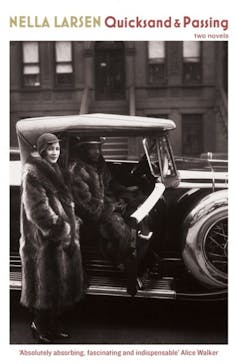
Quicksand (1928) and Passing (1929) by Nella Larsen

These novellas follow mixed-race women whose uneasy status on the colour line (including the lure of passing as white) complicates their lives in dangerous, even fatal ways. Passing is revolutionary for its depiction of homoerotic tension between two upper-middle-class Black women. Quicksand offers insight into the exoticization of African American women abroad and the contest between art and domesticity as viable avenues for a fulfilling life.


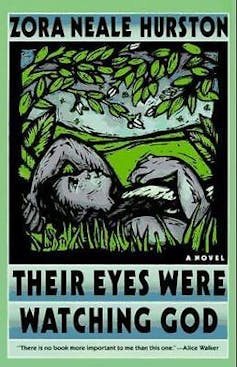
Their Eyes Were Watching God (1937) by Zora Neale Hurston

This story is the lyrical account of thrice-married Janie Crawford who finds a mature vision of love and fulfillment amid incessant gossip and a difficult family history. The all-Black township of Eatonville, Fla., and the rich “muck” of the Everglades contribute to a portrait of community health, daily striving and resolute self-awareness.


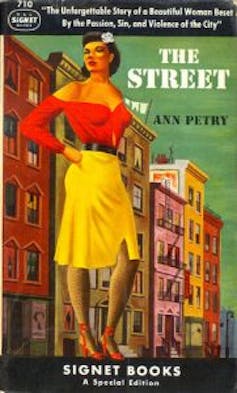
The Street (1946) by Ann Petry

This social realist novel follows single mother Lutie Johnson as she attempts to make a life for her young son in a predatory urban space. Weathering sexism, racism, classism, poverty and intense personal frustration, Lutie attempts to resist the brutality of the environment that gives the novel its loaded name.


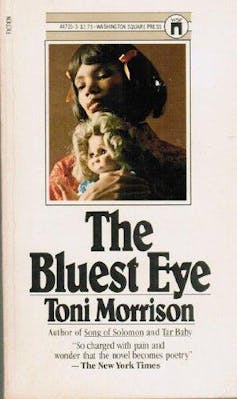
The Bluest Eye (1970) by Toni Morrison

This book is a searing portrait of a young girl’s coming-of-age and eventual undoing in the years following the Great Depression. Tumultuous family dynamics, psychological trauma and incest, the quest for compassion and self-love, and the toxic myth of Black ugliness coalesce in this first novel by the Nobel Laureate and author of neo-slave narrative Beloved (1987).


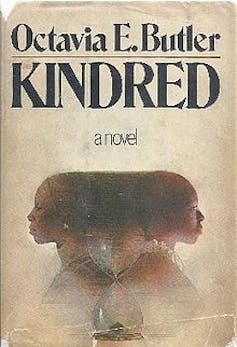
Kindred (1979) by Octavia Butler

Oscillating between the 1970s and the early 19th century, this science fiction odyssey (re)connects a contemporary Black woman writer and her white husband with her ancestors on a Maryland plantation. The novel is buoyed up by the dramatic tension of time travel and the juxtaposition of the pre-civil War Antebellum-era with Civil Rights-era racial attitudes, including those about interracial love and allyship.


The Women of Brewster Place (1982) by Gloria Naylor

Structured like a narrative quilt, these interconnected experiences of seven women span different generations, professions, class backgrounds and understandings of their place in the world. The eroded apartment complex that links them is the backdrop for unbearable pain as well as the promise of transformation and reconciliation.


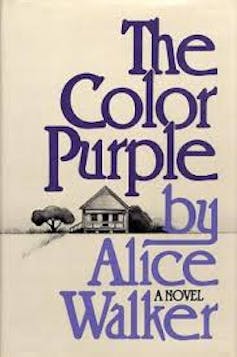
The Color Purple (1982) by Alice Walker

A tale of two sisters, Celie and Nettie, this novel constellates their love and longing via letters and imagined conversations across the Atlantic. Unsparing in its critique of domestic violence and toxic masculinity, yet tender in its treatment of various human weaknesses, the novel underscores Black women’s need for self-regard and mutual care. Not only are these acts revolutionary, but they also offer a glimpse of the divine.The Conversation

Nancy Kang, Assistant Professor of Women’s and Gender Studies and Canada Research Chair in Transnational Feminisms and Gender-Based Violence, University of Manitoba

This article is republished from The Conversation under a Creative Commons license. Read the original article.
Unknown's avatar

America’s postwar fling with romance comics


With over 100 issues, ‘Young Love’ was one of the longest running romance comics series.
Gary Lee Watson Comic Book Collection, Irvin Department of Rare Books and Special Collections, University of South Carolina Libraries, Author provided

Michael C. Weisenburg, University of South Carolina

Last year, comic book enthusiast Gary Watson donated his massive personal collection to the Irvin Department of Rare Books and Special Collections at the University of South Carolina.

As the reference and instruction librarian, I’m tasked with getting to know the collection so I can exhibit parts of it and use the materials for teaching. One of the great pleasures of assessing and cataloging Watson’s collection has been learning about how comic books have changed over time. Sifting through Watson’s vast collection of 140,000-plus comics, I’m able to see the genre’s entire trajectory.

Before World War II, superheroes were all the rage. Reflecting anxieties over the Great Depression, the rise of fascism and the march to war, readers yearned for mythical figures who would defend the disenfranchised and uphold liberal democratic ideals.

Once the war ended, the content of comic books started to change. Superheroes gradually fell out of fashion and a proliferation of genres emerged. Some, such as Westerns, offered readers a nostalgic fantasy of a pre-industrial America. Others, like true crime and horror, hooked readers with their lurid tales, while science fiction comics appealed to the wonders of technological advancement and trepidation about where it might lead us.

But there was also a brief period when the medium was dominated by the romance genre.

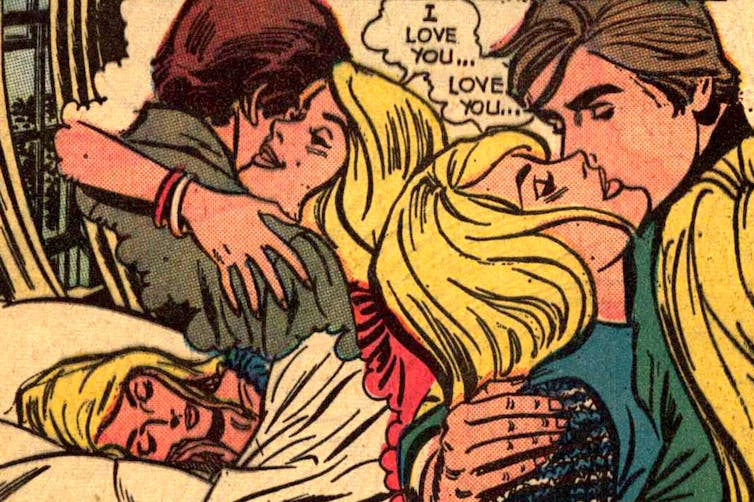
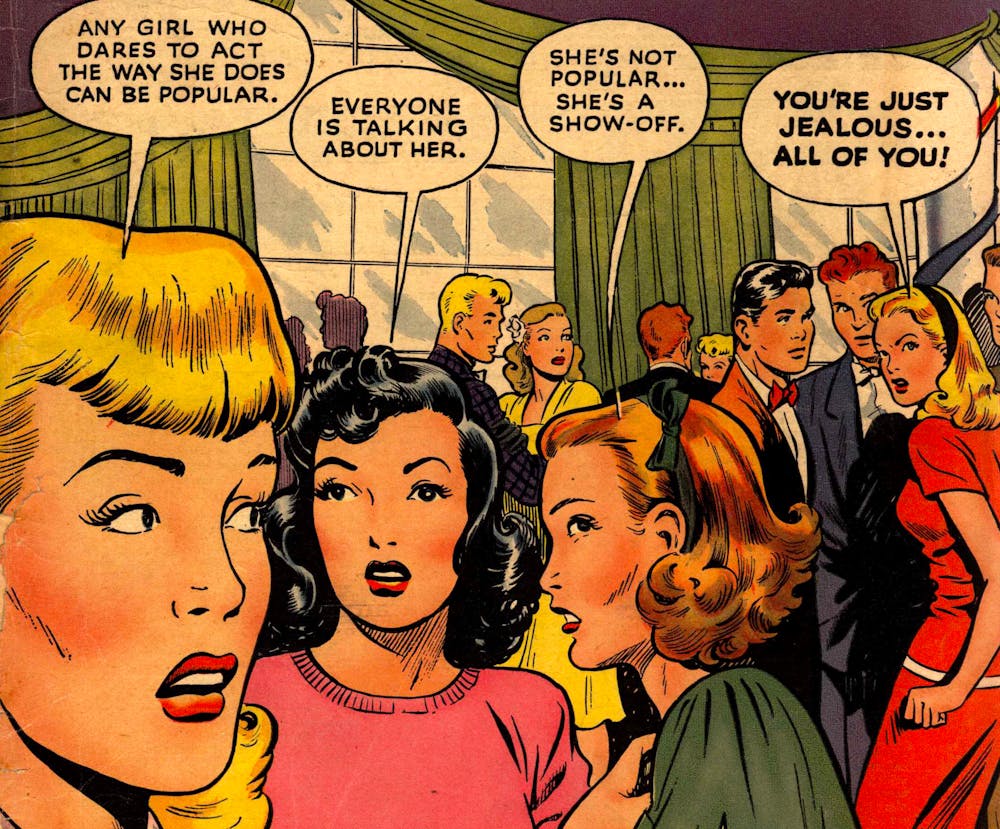
Grounded in artistic and narrative realism, romance comics were remarkably different from their superhero and sci-fi peers. While the post-war popularity of romance comics only lasted a few years, these love stories ended up actually having a strong influence on other genres.

Romance comics’ origin story

Though today they are most famous for creating “Captain America,” the creative duo of Joe Simon and Jack Kirby launched the romance comic book genre in 1947 with the publication of a series called “Young Romance.”

Teen comedy series like “Archie” had been around for a few years and occasionally had romantic story lines and subplots. Romance pulps and true confession magazines had been around for decades.

But a comic dedicated to telling romantic stories hadn’t been done before. With the phrase “Designed for the More Adult Readers of Comics” printed on the cover, Simon and Kirby signaled a deliberate shift in expectations of what a comic could be.

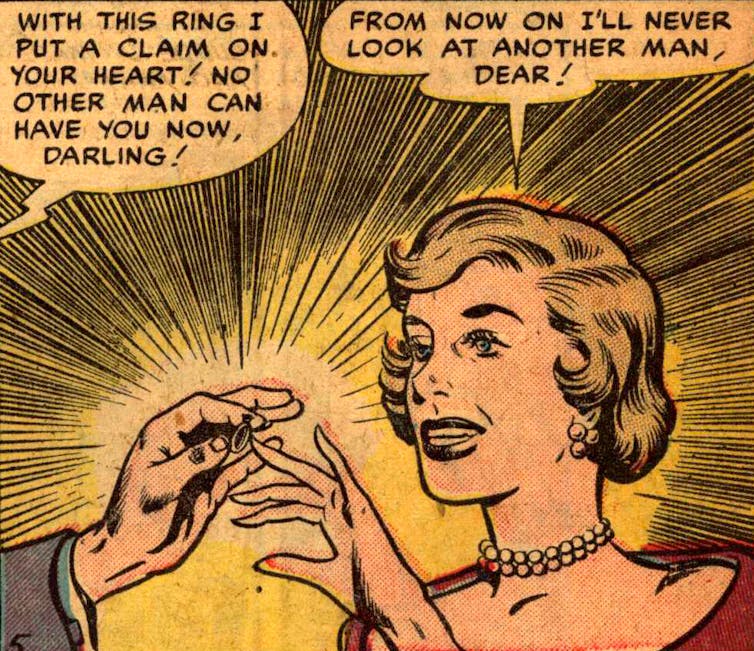
While most scholars have argued that romance comics tend to reinforce conservative values – making marriage the ultimate goal for women and placing family and middle-class stability on a pedestal – the real pleasure of reading these books came from the mildly scandalous behavior of their characters and the untoward plots that the narratives were ostensibly warning against. With titles like “I Was a Pick-Up!,” “The Farmer’s Wife” and “The Plight of the Suspicious Bridegroom,” “Young Romance” and its sister titles quickly sold out of their original print runs and began outselling other comics genres.

Issue #1 of ‘Teen-Age Romances’ (St. John, 1949).
Gary Lee Watson Comic Book Collection, Irvin Department of Rare Books and Special Collections, University of South Carolina Libraries, Author provided

Other publishers noticed the popularity of the genre and followed suit with their own romance titles, most of which closely followed Simon and Kirby’s style and structure. By 1950, about 1 in 5 of all comic books were romance comics, with almost 150 romance titles being sold by over 20 publishers.

The rage for all things romance was so sudden that publishers eager to take advantage of the new market altered titles and even content in order to save on second-class postage permits. Second-class or periodical postage is a reduced rate that publishers can use to save on the cost of mailing to recipients. Rather than apply for new permits every time they tested a new title, comics publishers would simply alter a failing title while retaining the issue numbering in order to keep using the preexisting permit. To comics historians, this is a telltale sign that the industry is undergoing a sudden change.

One striking example of this is when comics publisher Fawcett ended its failing superhero comic “Captain Midnight” in 1948 with issue #67 and launched its new title, “Sweethearts,” in issue #68. In this case, the death of a superhero comic became the birth of a romance comic.

Issue #3 of ‘Bride’s Romances’ (Quality Comics, 1953).
Gary Lee Watson Comic Book Collection, Irvin Department of Rare Books and Special Collections, University of South Carolina Libraries, Author provided

With so many new titles flooding newsstands and department stores, the bubble was bound to burst. In what comic book historian Michelle Nolan has dubbed “the love glut,” 1950 and 1951 witnessed a rapid boom and bust of the romance genre. Many romance titles were canceled by the mid-1950s, even as stalwarts of the genre, such as “Young Romance,” remained in print into the mid-1970s.

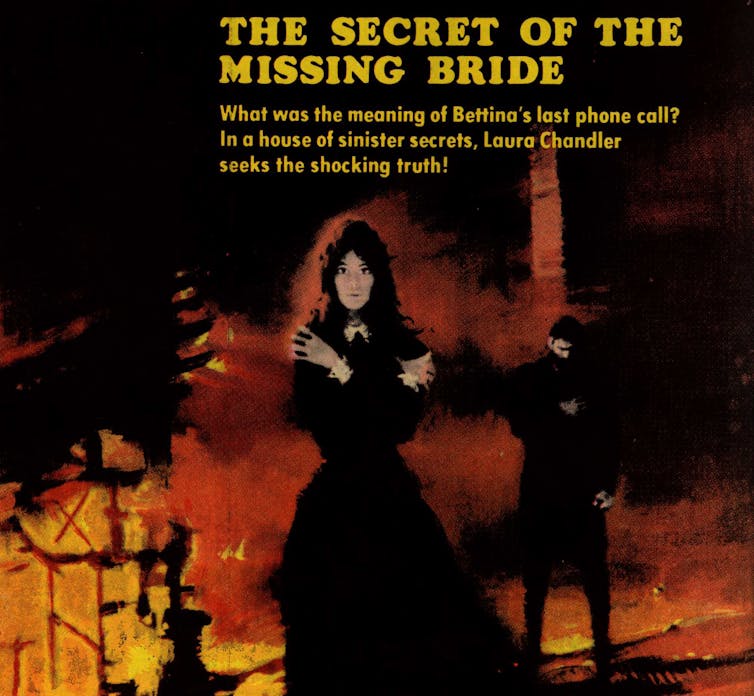
There was the brief popularity of the sub-genre of gothic romance comics in the 1970s – series with names like “The Sinister House of Secret Love” and “The Dark Mansion of Forbidden Love.” But romance comics would never approach their brief, postwar peak.

Gothic romances – like this issue of ‘The Dark Mansion of Forbidden Love’ – had a brief run in the 1970s.
Gary Lee Watson Comic Book Collection, Irvin Department of Rare Books and Special Collections, University of South Carolina Libraries, Author provided

A brief boom, an enduring influence

Among collectors, issues of romance comics are less sought after than those of other genres. For this reason, they tend to go under the radar.

Romance comics, however, featured work by pioneering artists like Lily Renée and Matt Baker, both of whom worked on first issue of “Teen-Age Romances” in 1949.

Baker is the first-known black artist to work in the comic book industry and Renée was one of comics’ first female artists. Prior to working on “Teen-Age Romances,” they both drew “good girl art” – a set of artistic tropes borrowed from pinups and pulp magazines – for several titles. Their work in both genres exemplifies how earlier pulp magazine themes of desire and seduction could readily be applied to newer genres.

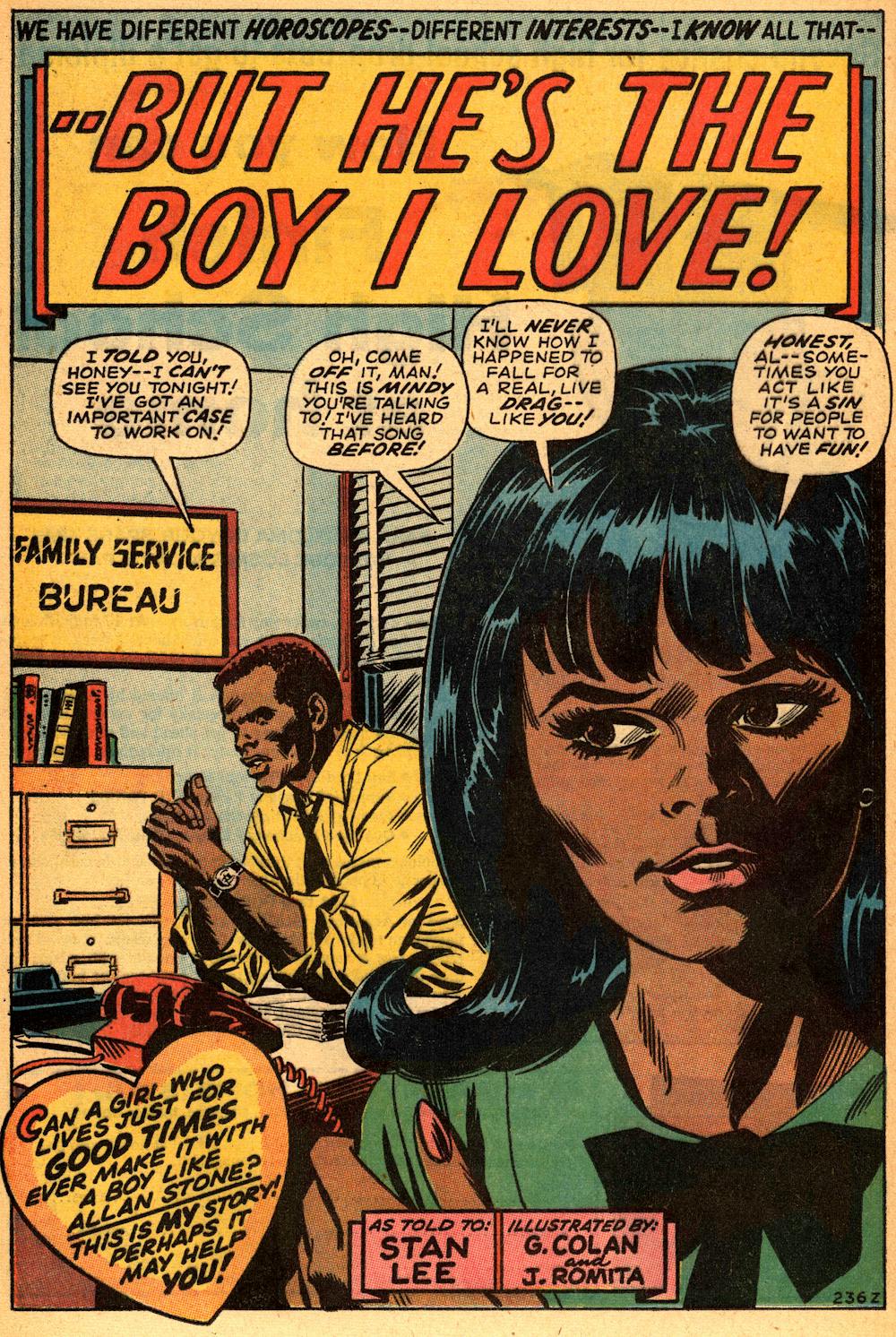
‘But He’s the Boy I Love’ was one of the few romance comic to feature black characters.
Gary Lee Watson Comic Book Collection, Irvin Department of Rare Books and Special Collections, University of South Carolina Libraries, Author provided

After the “love glut,” sub-genre mashups nonetheless emerged. For example, cowboy romances were briefly popular. Later, in response to the civil rights movement, Marvel published the 1970 story “But He’s the Boy I Love,” which was the first story in a romance comic to feature African-American characters since Fawcett’s three-issue run of “Negro Romance” in 1950.

Even after romance comics largely fell out of fashion, the genre’s visual tropes and narrative themes became more prevalent during what’s known as the “Silver Age,” a superhero revival that lasted from 1956 to 1970. Titles such as “Superman’s Girl Friend Lois Lane” often borrowed heavily from romance for their plots to generate intrigue and tension in the hopes of driving up sales.

Issue 89, in which Lois marries Bruce Wayne, is a prime example of such marketing techniques. Issues such as these were often situated as “what if” narratives that offered readers speculative story lines, such as “What if Lois Lane married Bruce Wayne?” Though they’re generally thought of as separate from the superhero canon, these love stories show that comic book writers had internalized the main narrative techniques of romance comics even if the genre itself was in decline.

But other comics didn’t merely use romantic themes for the occasional gimmick issue. Instead, they made the love lives of their characters a central plot point and a fundamental aspect of their characters’ identities. Comics such as the “Fantastic Four” and the “X-Men” rely heavily on the heated emotions and jealousies found in group dynamics and love triangles.

Take Wolverine. Presumably tough and stoic, he’s so enamored of Jean Grey – and so envious of her love interest, Scott Summers – that you could argue that unrequited love is one of his primary motivations throughout the series.

Thanks to romance comics, even stoic superheroes got bitten by the love bug.

[You’re smart and curious about the world. So are The Conversation’s authors and editors. You can get our highlights each weekend.]The Conversation

Michael C. Weisenburg, Reference & Instruction Librarian at Irvin Department of Rare Books & Special Collections, University of South Carolina

This article is republished from The Conversation under a Creative Commons license. Read the original article.
Unknown's avatar

If the Romance Writers of America can implode over racism, no group is safe


While 97% of Romance Writers of America members are women, only 14% are people of color.
Refat/Shutterstock.com

Christine Larson, University of Colorado Boulder

Over the past month, Romance Writers of America, one of the country’s largest writing associations, with over 9,000 members, has erupted in a race-related scandal.

The controversy began when diversity activist and romance writer Courtney Milan, in a pointed tweet, criticized racial stereotypes that appeared in a book by a fellow member. Writers took sides. A punishment was handed down. Backlash ensued.

Now the very existence of the 40-year-old organization is in doubt. But you’d never know it from the cheeky media coverage, which hasn’t been able to resist casting the controversy as a battle between forlorn lovers.

CNN, for instance, describes the Romance Writers of America as “more scandalized than a dowager countess finding her headstrong niece alone on the lap of a rakish duke,” while NBC News tells us there’s “lots of passion but not too much love” among the writers.

As a former journalist, I get the appeal of a saucy lead. But as a scholar who’s spent nearly a decade studying romance writers and their networks, I see how portraying the incident as a catfight or a relationship gone wrong oversimplifies the controversy, which has serious implications for the rest of the publishing industry – and beyond.

It all falls apart

To briefly recap what happened: In August, Romance Writers of America member Courtney Milan, who is Chinese American, Twitter-shamed a novel written by a white member, calling it a “racist mess” for its depiction of Asian women.

The book’s author filed an ethics complaint, accusing Milan of bullying and damaging her business prospects. In December, Milan was suspended from the organization for a year and banned from future leadership positions.

The result shocked almost everyone involved. Milan has been a vocal and effective advocate for inclusion. In protest, nine members of the board resigned, including eight women of color. The president and executive director quit. The RITA Awards – the Oscars of romance publishing – were canceled, while major publishers pulled their sponsorship from the annual conference.

A tradition of support

Here’s why it matters: For 40 years, romance writers have been successfully pushing back against second-class treatment in the publishing industry.

My research suggests this is due to their surprisingly effective – and somewhat counterintuitive – approach to social networking and support.

Unlike other professional organizations, they welcome novices, share trade secrets and readily exchange advice about how to leverage new technology to advance their careers. These tactics have helped authors improve the terms of their publishing contracts, pioneer new promotional techniques and form a grassroots network of writers that can quickly adapt to changes in the market.

Disrespect and exclusion united romance authors in the first place. The Romance Writers of America was formed in 1980, when a diverse group of white, black and Latina women writers got fed up with being dismissed by mostly male agents and editors. In an era before email, the group managed to build a far-reaching network of women authors and editors who encouraged one another and taught each other to succeed.

The group’s efforts eventually led to some serious wins.

For instance, many romance authors write under several pseudonyms, which create distinctive brands for their various series. For decades, the romance publisher Harlequin didn’t let authors own the rights to their own pseudonyms. That meant if authors changed publishers, they couldn’t bring along their pen names and the fans who followed them, which hurt their ability to negotiate good terms. But in 2002, the Romance Writers of America – under President Shirley Hailstock, who is black – persuaded Harlequin to let authors keep their own pseudonyms, even when they switched publishers.

Then, when e-books and digital self-publishing came along, the group’s tradition of advice sharing and innovation catapulted the careers of romance writers. My research shows that romance writers’ median income nearly doubled after the explosion of self-publishing. This took place at a time when authors in other genres saw massive declines in income.

Diverse writers still left behind

But the group’s gains have not been equally shared by all authors.

In my study of more than 4,000 romance authors, I found romance authors of color earned about 38% of white romance authors in 2014. Another study found that only about 8% of traditionally published romance novels are written by authors of color. Until last summer, no black writer had won a RITA. In interviews, writers of color told me about some stunningly racist comments from editors at romance conferences that the organization failed to publicly address.

Furthermore, while 97% of Romance Writers of America members are women, only 14% are people of color.

These statistics mirror those of the publishing industry as a whole. According to a forthcoming report for the Authors Guild that I wrote, authors of color across all publishing categories earn about half the median income of white authors. Roughly 80% of book editors are white. Authors of color write just 7% of children’s books, while black authors pen only 2% to 3% of stories in science fiction magazines.

When publishing organizations attempt to change, the backlash can be swift. In perhaps the the most glaring example, in 2015, a set of right-wing, anti-diversity science fiction authors known as the Sad Puppies formed a voting bloc to try to prevent diverse authors from winning at the annual Hugo awards, science-fiction’s most prestigious award ceremony.

What could have been

The Romance Writers of America has tried prioritize inclusiveness over the past few years.

Members – including Milan – sought reform by openly talking about issues on social media while also utilizing the organization’s traditional, behind-the-scenes networking. Vociferous Twitter debates over diversity ensued; the hashtag #RitasSoWhite circulated; bestselling authors used their award acceptance speeches
or their prominent platforms to call for fair treatment for authors regardless of race, sexual orientation or ability.

Moved by these efforts, the membership elected a very diverse board in 2019, with nearly half made up by authors of color. Judging procedures for the RITAs were changed, and other diversity measures adopted. Three women of color won RITAs last August, and 20 out of the 30 speakers or winners at the ceremony made it a point to celebrate diverse authors.

In the end, however, it wasn’t enough. For many, the ruling against Milan was the last straw. The fallout, which includes the disbanding of the Las Vegas chapter on Jan. 20, continues.

Taken together, these events suggest that even organizations that seem to be addressing issues of inclusion in good faith are susceptible to fracturing. Either that, or exclusion is so deeply ingrained in certain institutions that it can’t ever be adequately addressed – and the entire organization needs to be torn down.

This could be bad news for other predominantly white groups and industries trying to evolve. Witness the ongoing struggles of the film industry to diversify, the continued predominantly white male makeup of Silicon Valley or the bitter divide over the organizers and participants in the Women’s March. All have faced calls for change. To many, the results have been unsatisfactory.

For a time, the Romance Writers of America seemed to be showing that change could occur from within. Now that seems increasingly far-fetched.

Whatever happens, this controversy can serve as a lesson about the profound challenges of building relationships and instituting organizational change in the digital age.

[ Like what you’ve read? Want more? Sign up for The Conversation’s daily newsletter. ]The Conversation

Christine Larson, Assistant Professor of Journalism, University of Colorado Boulder

This article is republished from The Conversation under a Creative Commons license. Read the original article.