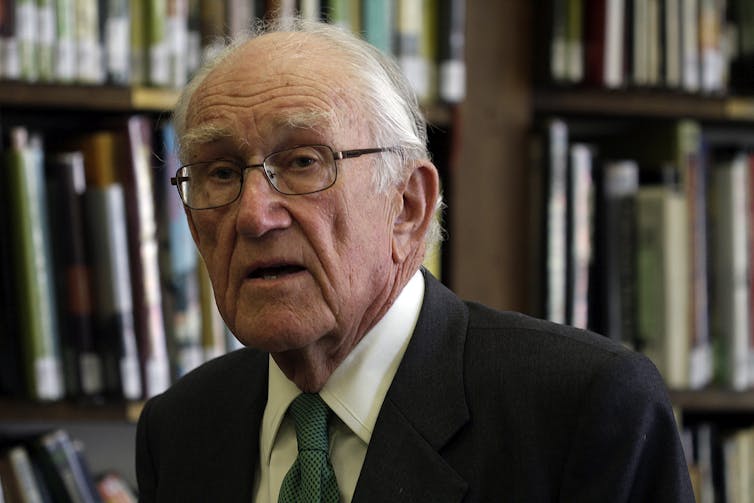
Members of the Liberal Party’s latter-day “broad church” could do worse than secure copies of these Malcolm Fraser’s manifesto for a new political party. AAP/ Luis Enrique Ascui
Malcolm Fraser died on March 20, 2015, just a little more than three years ago. One can only speculate what he would have made of a three-year Malcolm Turnbull interregnum, but it is a fair assumption he would have been disgusted by the behaviour of the Liberal party’s hard right and its media acolytes.
At the time of his death, Fraser had quixotically lent himself to efforts to establish a “reform” party as a centrist alternative – in the tradition of Menzies and Deakin – to the existing political parties.
So no doubt the former Liberal prime minister’s disgust would have been aggravated during last week’s leadership upheavals, in which reactionary elements came within a handful of votes of hijacking the party of Robert Menzies, and before that Alfred Deakin.
While this attempted hijacking may has been averted – for now – the danger has not passed, nor has the possibility of a split between the Liberal Party’s conservative and moderate wings.
Scott Morrison is from the conservative flank of the Liberal Party, as is his deputy Josh Frydenberg.
If the two leaders were in doubt about the task confronting them in restoring confidence in a Coalition government, this should have been dispelled by the latest Newspoll. It revealed a collapse in support for the government whose primary vote plunged four points to 33%, while Labor’s increased six points to 41%. This was the first poll since Malcolm Turnbull was deposed as prime minister.
Turnbull’s mistake, among several in the wake of his 2016 near-death political experience, was to allow himself to be persuaded that, to shore up support in the conservative heartland and outflank Pauline Hanson, he needed to shift further to the right.
In the end, he was devoured by those he had sought to appease, or as Winston Churchill might’ve advised: “An appeaser is one who feeds a crocodile hoping it will eat him last”.
This brings us back to Malcolm Fraser and the “forgotten people” of Australian politics. This is the phrase Menzies used when he established the Liberal Party in 1944 out of the embers of the United Australia Party he had led at the outset of the second world war.
Menzies’ “forgotten people” were defined as those caught between a union-dominated Labor Party and a conservative establishment. What the father of the Liberal Party had in mind was the artisan and small business class, broadly defined.
As Menzies put it in his slight memoir, Afternoon Light.
We took the name “Liberal” because we were determined to be a progressive party, willing to make experiments; in no sense reactionay, but believing in the individual, his rights and his enterprise…
It is interesting that the word “progressive” has become a weapon wielded by the right in its relentless culture wars against the left, in what has proved to be a debilitating era in Australian politics.
In this debasement of the political debate, phrases like “political correctness” and “identity politics” and “virtue signalling” have been weaponised to the point where these phrases have corrupted reasonable discussion.
Fraser’s attempt before he died to promote a centrist liberal alternative to the existing parties was aimed at representing the “forgotten people” in Australian politics.
These were not Menzies’ “forgotten people” who had found a home in John Howard’s “broad church” of latter-day Liberals, but a small “l” liberal wedge in the centre. They have long felt disenfranchised.
The so-called “sensible centre”, caught between a conservative party trending reactionary and a Labor party led by union-backed factional apparatchiks is more numerous than party operatives on either side would have you believe.
As mentioned in a previous column the same-sex marriage vote demonstrated a much larger cohort in the centre of Australian politics than might be conceded by the political class.
But back to Fraser. While his “reform” party never saw the light of day beyond a small circle of small “l” Melbourne liberals, members of the Liberal Party’s latter-day “broad church” could do worse than secure copies of these documents.
This is not because I believe Fraser’s reformist movement would have gained traction, necessarily, but because its 24-point manifesto reflects views widely held in the liberal and moderate centre of Australian politics.
Space does not permit publication of the Fraser manifesto in its entirety, but salient points include:
calls for tougher ethical sanctions on members of parliament who breached a code of conduct along with the establishment of an anti-corruption commission
a cap on donations to political parties and a requirement these donations be disclosed in real time
the introduction of a market-based emissions trading scheme and bold targets for renewable energy
early moves to a Republic
an end to the incarceration of asylum seekers in off-shore detention centres
an independent foreign policy
a requirement for a two-thirds majority in parliament to sanction the commitment of Australia’s armed forces to war.
In this latest period, disenfranchised voters of the moderate centre vote for minor parties, including the Greens, as a protest. This is not because they feel affinity for the more doctrinaire positions of the Greens, but out of despair at the Hobson’s choice being offered by the major parties.
In their calculations about how to rebuild the Coalition’s shattered credibility, Morrison and Frydenberg should remind themselves that a lot of Australians are fed up with politics as usual.
<!– Below is The Conversation's page counter tag. Please DO NOT REMOVE. –>
People are antagonistic to attempts by unscrupulous politicians and their friends in the media to hijack the political debate. They are sick of being caught in the slipstream of the tiresome culture wars.
The Miles Franklin authors with their novels, clockwise from top left: Felicity Castagna, Eva Hornung, Kim Scott, Michelle de Kretser, Catherine McKinnon and Gerald Murnane. Courtesy Perpetual/ Copyright Agency/ Martin Ollman/Timothy Hillier. Eva Hornung image: Noni Martin., CC BY-NC-ND
The Miles Franklin award is famously for “a novel which is of the highest literary merit and presents Australian life in any of its phases”. That’s a very broad palette, yet for most of the award’s existence — 1957 to the present — it has recognised a rather narrow field of “Australian life”.
The 60 novels honoured to date include 42 written by 28 men, and 18 written by 14 women. Almost to a person, these winning authors are Anglo-Australian. While their narratives cover an impressive range of issues, topics, periods, structure and narrative voice, it is notable that in a country described by our prime minister as “the world’s most successful multicultural society”, the Miles Franklin seems to have remained a bastion of monoculture.
Until recently, that is. Women authors are appearing more frequently – on the shortlists and as prize winners – and the cultural and linguistic heritage of authors is similarly expanding. This year the mix of shortlist authors, and the content of their novels, is impressively diverse.
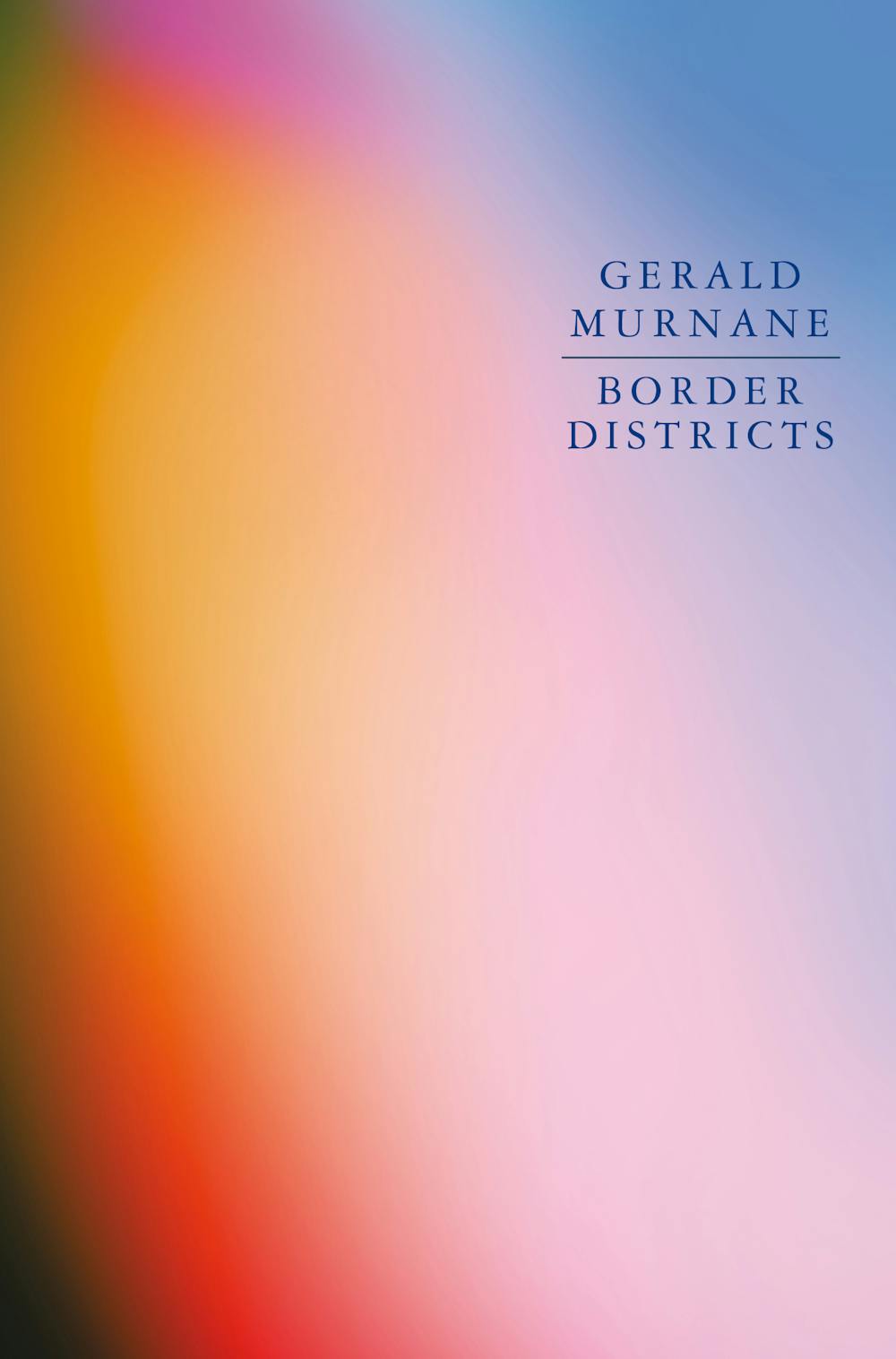
Border Districts
Gerald Murnane’s Border Districts is explicitly a literary novel, one with no overt plot and really only one voice. The narrator is fastidious to the point of primness, narrow and self-absorbed: a fussy old man who drifts into Grandpa Simpson moments, telling stories that wander from point to point with no apparent destination. Yet this work is also a remarkable account of memory, its fractures, and its fragments. This gives the lie to the narrator’s insistence that he is writing a report, not a novel, and casts a gentle melancholy over the work.
The unnamed narrator seems to have lived a life at arms length, remaining encased in abstractions, neglecting to experience anything at first hand. What I found the most desolate image in the novel is his childhood collection of glass marbles. The material expression of his life’s effort to “recollect” and “preserve” his memories and moods, they are no more than tiny flashes of colour, frozen in their glass bubbles, seeing and saying nothing.
In his sense of colour, and his hankering for the clarity of memory, is the suggestion that he contains within himself another man, one who yearns to feel.
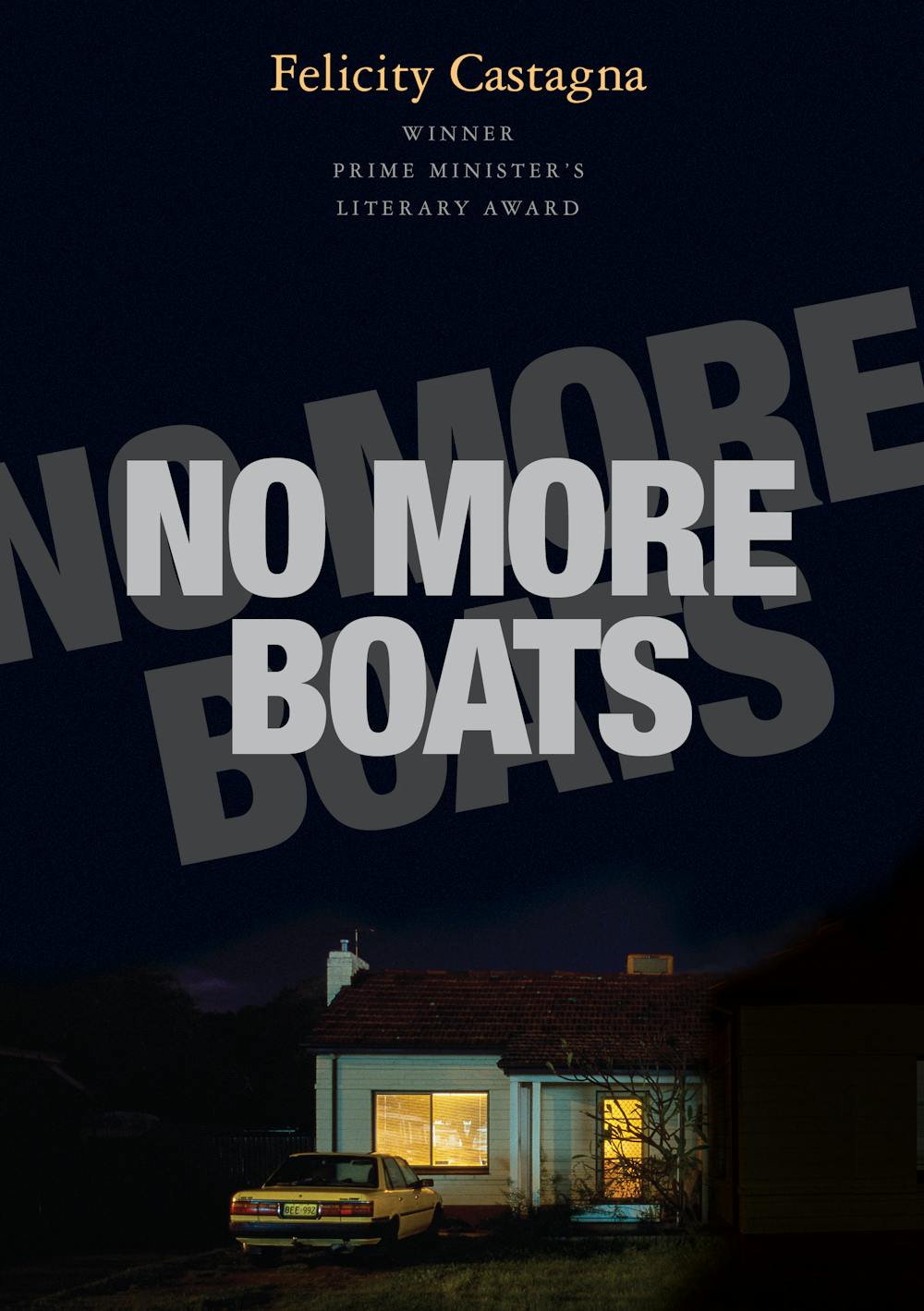
No More Boats
Felicity Castagna’s No More Boats opens in 1967, the year Harold Holt disappeared and, through the magic of narration, incorporates in the opening pages what is yet to come: 2001, the Tampa crisis, the September 11 attacks. In these pages, Antonio, the protagonist, is both young Italian migrant, and the ageing man who has become the face of: “We will decide who comes to this country …”
He and Rose live in Parramatta, where young men like their son Francis are testing out models of masculinity; where young women like their daughter Clare are crafting lives beyond their parents’ oversight; a rich human zoo that provides the stage for a brilliantly observed and sensitively recounted novel illuminating the politics of identity, family, community and nation.
His family are forced to confront the public scandal of Antonio’s xenophobia, to understand why a migrant in a migrant community could be so thoroughly seduced by the violent logic of the hard right. There are no real answers, of course; but beyond the family’s distress and the community’s upheaval is the shadow of two centuries of Australia struggling against “too many boats”.
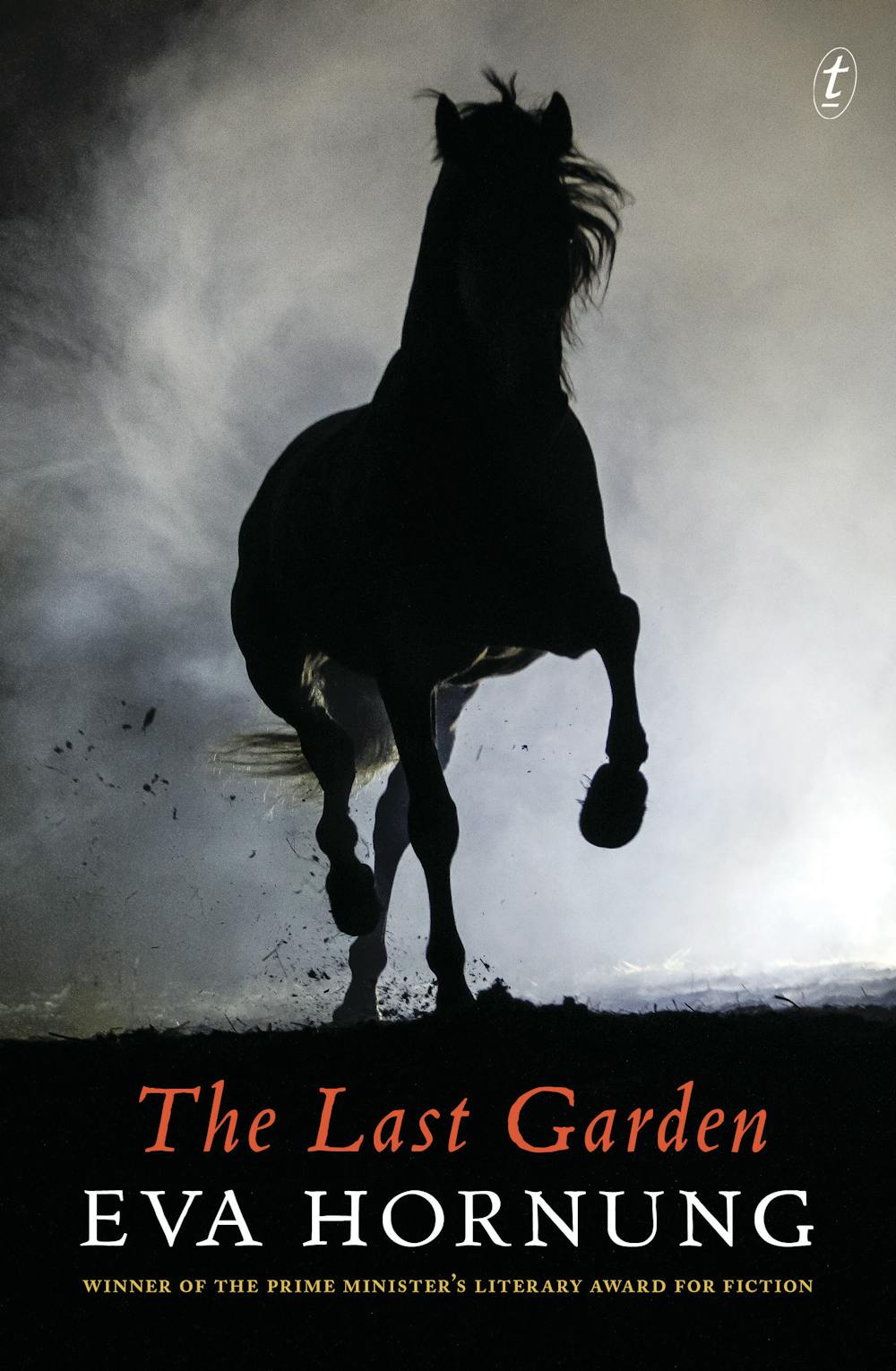
The Last Garden
Eva Hornung’s The Last Garden is based in a South Australian religious community named – perhaps ironically – Wahrheit. There is little truth here though, and easily as many secrets and violences as are found beyond Wahrheit’s boundaries. These are flushed out by the tragedy that opens the novel, where Matthias Orion, not-fully-committed member of the church, destroys everything he can reach on his property, and slaughters first his wife and then himself.
Their 15-year-old son Benedict arrives home from boarding school to discover this horror; and even as it breaks him, so too it marks the end of the community’s Nebelung, their mythical home. The novel is told through a careful interlacing of Benedict’s and the pastor’s perspectives. The latter fails miserably to care sufficiently for the deeply traumatised Benedict, who after all has become “part of the wound” the community finds itself suffering.
Left largely to himself, and to the horses that escaped his father’s murderous rampage, and to the fox that stands in for that angel of death, Benedict lives with, and like, the animals. In that living he finds a way to recover some sense of self, and to re-enter his community: though whether as messiah or as restored son is uncertain.
The Life to Come
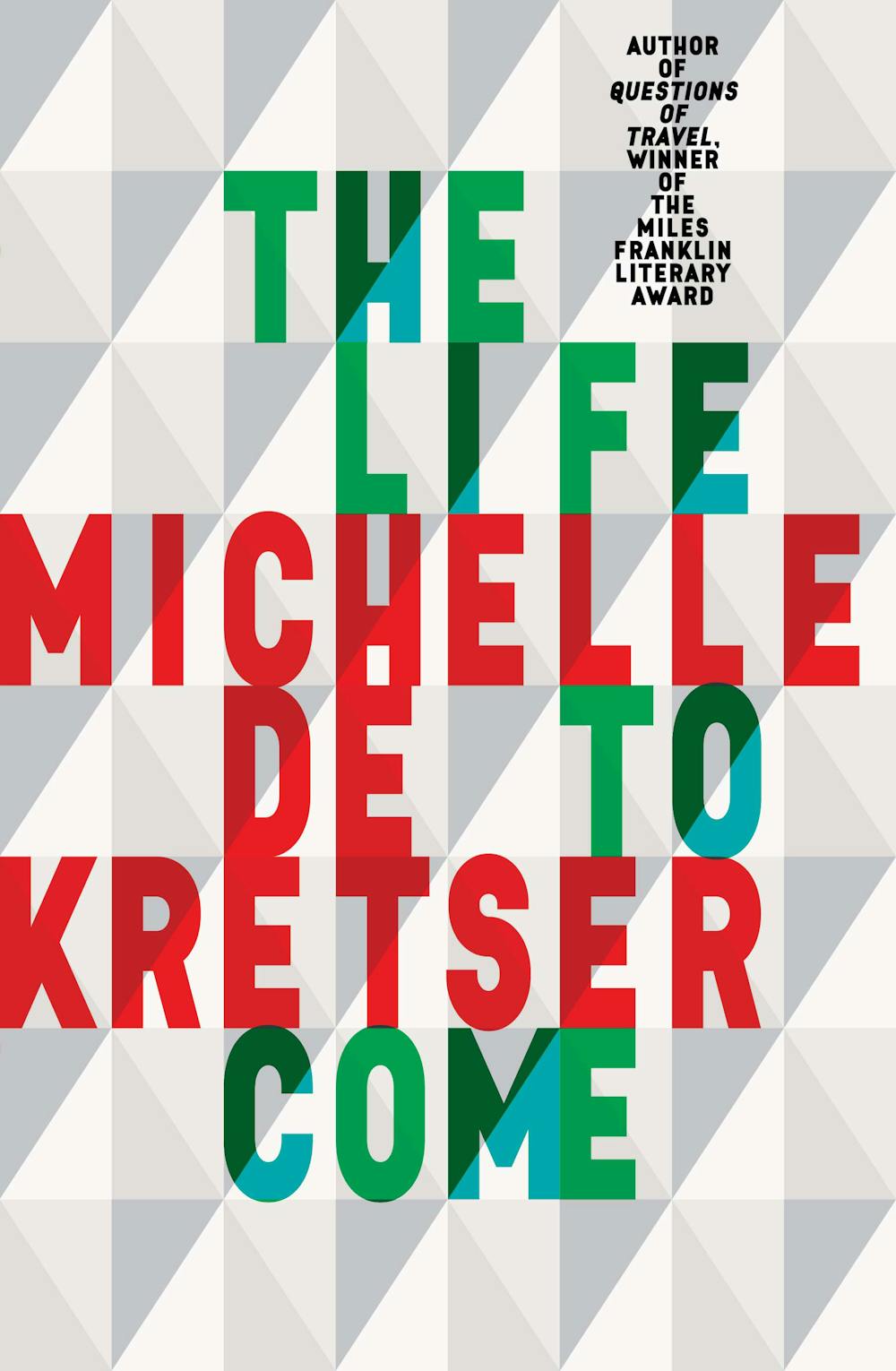
The Life to Come, Michelle de Kretser’s new novel – actually a discontinuous narrative in five sections – offers an insider-outsider view of contemporary Australian society through the shifting focalisations, points of view and voices that comprise the sections. The threads that weave it together are Pippa, a self-satisfied, hyper-performative, not-quite-good-enough novelist, and “real” novelist George Meshaw, who disdains her shallow conceits and her populist writing style.
Pippa is the more visible of the two. She spends much of the novel charming and then disappointing friends, and struggling under the burden of her mother-in-law’s condescension, while always firmly focused on herself. George appears principally through his novels – the last of which, along with Pippa’s last, are tossed in the bin by Pippa’s disenchanted neighbour, who had hoped to find warmth and meaning in these works, but found only words.
While the stories are set in Sydney and in Paris, with references also to Sri Lanka, the twin foci of this novel (for me, at least) are, first, an excoriating critique of Australian colonialist attitudes and politics, and next the burning realisation that – as one character observes – “The only life in which you play a leading role is your own”; we are all merely bit players in the lives of others.
Storyland
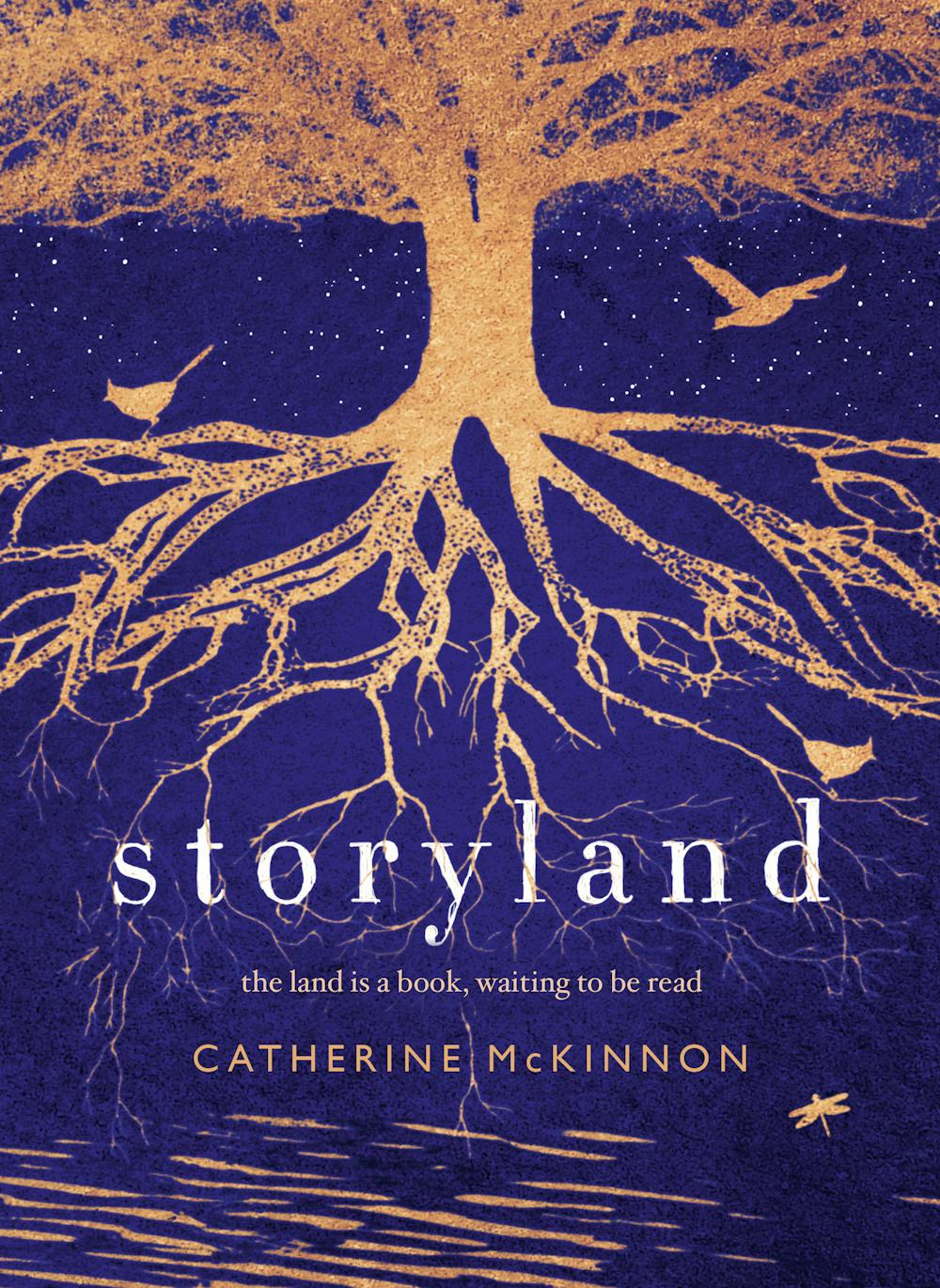
Catherine McKinnon’s Storyland is also structured in five discrete sections, the transitions here being characterised by the pulsing of time, rather than the geographical shifts of de Kretser’s work. Storyland starts and ends in the Illawarra region, during the early days of colonisation, where the possibility of trust or friendship between the local Wadi Wadi people and the invading British is constantly thwarted.
The sections between swoop up through the 19th and 20th centuries to a post-apocalypse future, and then cascade down again. Key elements – a river, a cave, a clever man’s axe – appear in each time period, connective tissue that binds them together. Characters too reappear, individuals or their descendants struggling with colonial society and its mores, with missed opportunities for connection, with the collapse of the environment and human society.
I read this novel as a migrant, and as a person of European descent, so I am not well positioned to evaluate the merits of McKinnon’s use of Aboriginal language and representation of the Aboriginal characters, but for me they were both convincing and moving. Story is not politics, but in it we can find ways to review ourselves and our histories, and perhaps begin to find points of conciliation.
Taboo
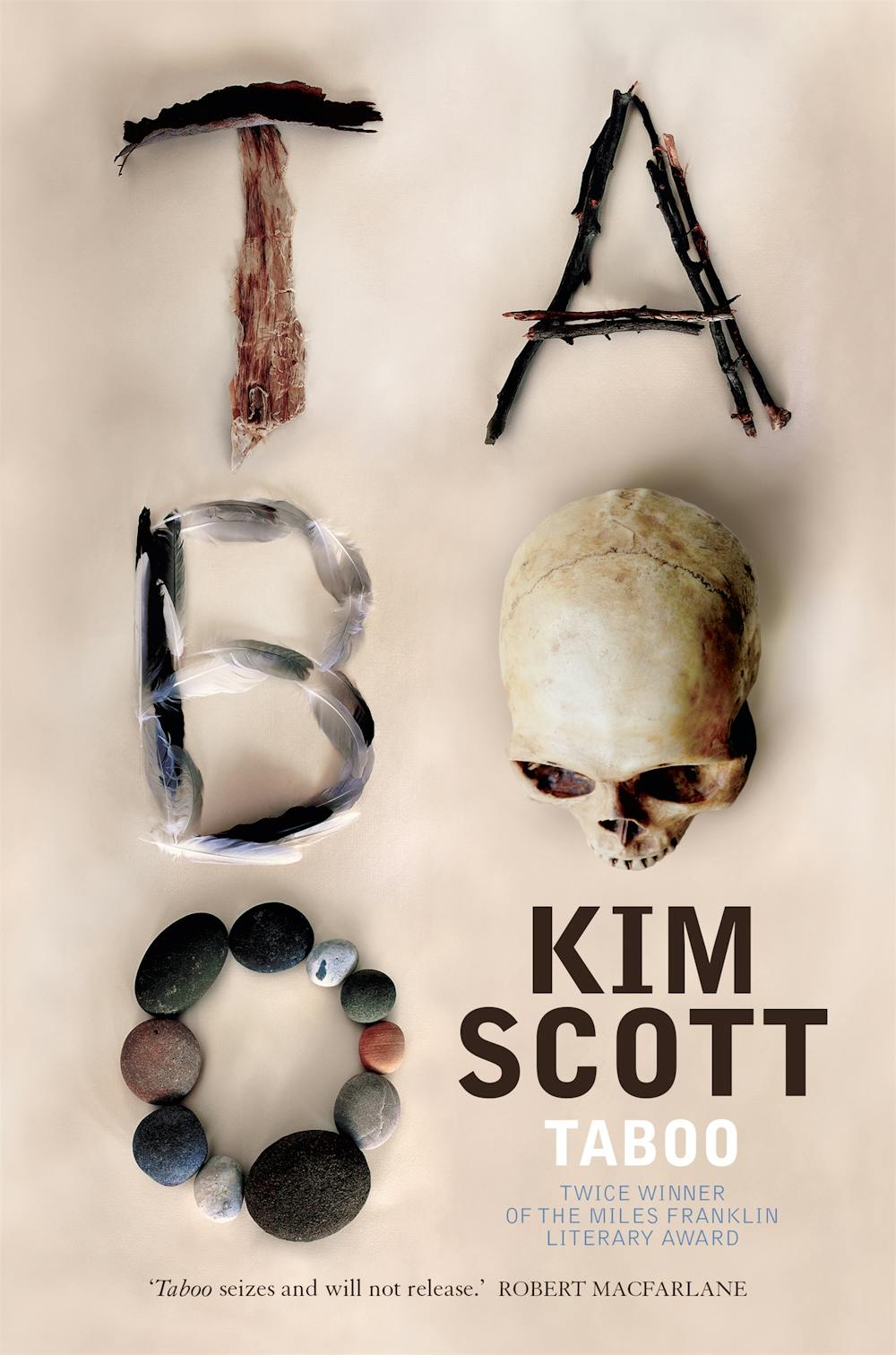
Taboo, by Kim Scott, is located squarely in the post-Apology present, when the Australian government can express regret for the Stolen Generations while maintaining the Northern Territory Intervention; and when Aboriginal communities across the country are building new ways to enter the future without deserting the past.
Focalised primarily through the young woman Tilly, daughter of an Aboriginal man who, toward the end of his life, realised the power of language to heal his community’s wounds, it follows the people of Kepalup and their establishment of a Peace Park to settle the ghosts of local Aboriginal people slaughtered by the ancestors of local pastoralists.
Though the novel is necessarily tragic – killings, stolen children, wrecked lives – it also has something generous and pragmatic at its heart. Says Uncle Wilfred of the white community: “Sorry for the history, they say. Know it’s our country, our ancestral country. They’re not gunna give the land back, but know we’re the right people.”
Despite the record of massacre, despite the clumsy interventions by white people – well-meaning but condescending, unaware of how little they know of Noongar culture – the community turns to recovering their language, retelling stories, reclaiming culture, and finding “magic in an empirical age”.
These six novels convincingly meet the criteria of the Miles Franklin, providing accounts of Australian life in all its phrases, in stories of “the highest literary merit” that craft a kaleidoscopic portrait of this society.
<!– Below is The Conversation's page counter tag. Please DO NOT REMOVE. –>
The winner of the Miles Franklin will be announced at the Melbourne Writers Festival on Sunday 26th August from 4pm at Deakin Edge, Fed Square.
Guy Pearce as the Chandleresque private investigator Jack Irish: in the early years of Australian crime fiction, convicts and bushrangers featured prominently. Lachlan Moore
Most countries produce crime fiction, but the versions vary according to national self-concepts. America admires the assertive private eye, both Dashiell Hammett’s late 1920s Sam Spade and the nearly as tough modern feminists, such as Sara Paretsky. Britain prefers calm mystery-solvers, amateurs like Hercule Poirot or Lord Peter Wimsey or sensitive police like Ian Rankin’s Edinburgh-based John Rebus. The French seem to favour semi-professionals who are distinctly dissenting – in 1943 Léo Malet’s Nestor Burma stood up to Nazi occupiers nearly as overtly as to Paris criminals.
Australia’s rich and varied tradition of crime fiction and detectives, though little-known and more rarely described, reveals a range of national myths, fantasies, and even elements of truth-telling about a country whose origin lay in convictions for crime.
The first Australian crime novel appeared in 1818, but production has been uneven. Most mysteries have been published here in the period since 1980, with substantial local publicity and reviewing. Before then, locally-written and Australia-set mysteries usually arrived from England, asserting colonial authority, and then banning American publishers through an “International Market Agreement”.
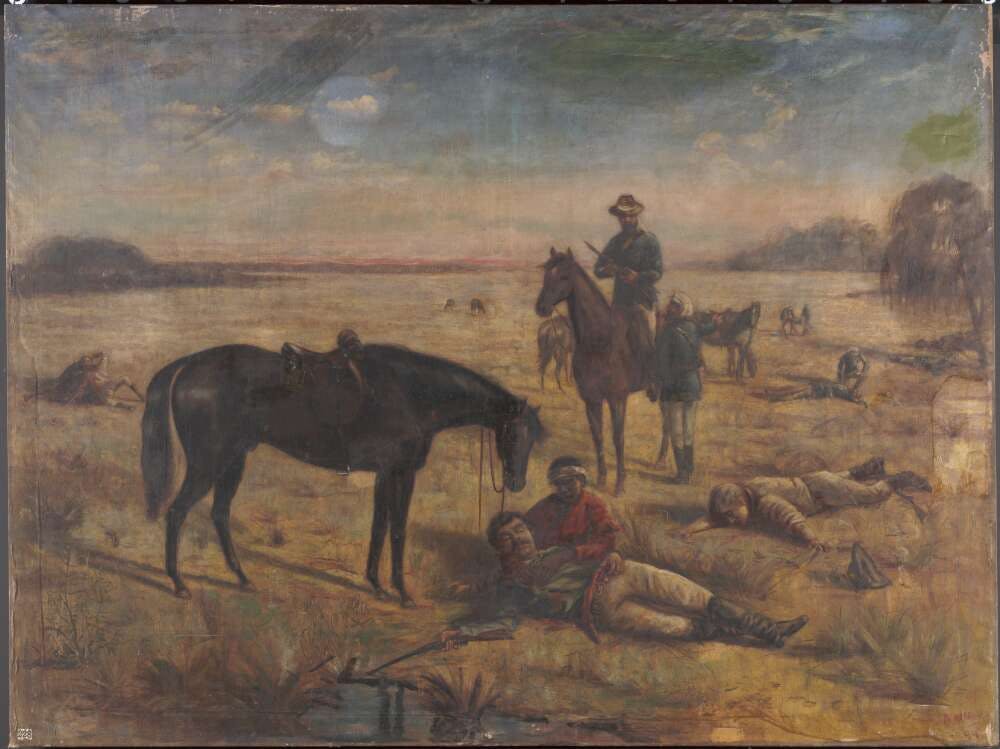
Death of Captain Starlight with his head in Warrigal’s lap, by Patrick William Marony (1858-1939). Australia’s first crime novel was about a bushranger. Wikimedia Commons
Writers sent manuscripts off to London, and a hundred or so hardbacks would arrive for local libraries, with almost no publicity and little impetus to develop the form here. But things changed with an American challenge to the “Agreement” in 1976 and the waning influence of Britain in general. In 1980 Peter Corris’s The Dying Trade began a flow of local productions – some from English firms now based here, like Allen and Unwin, who produced Jennifer Rowe with their Tolkien earnings.
Back at the start, transportation was a natural subject: in the first book of all, Thomas Wells’ Michael Howe, The Last and Worst of the Tasmanian Bushrangers (1818), Howe is a real escaped convict turned bushranger, with fictionally exaggerated adventures. Another theme was the wrongfully-convicted man like Quintus Servinton (1831) by Henry Savery.
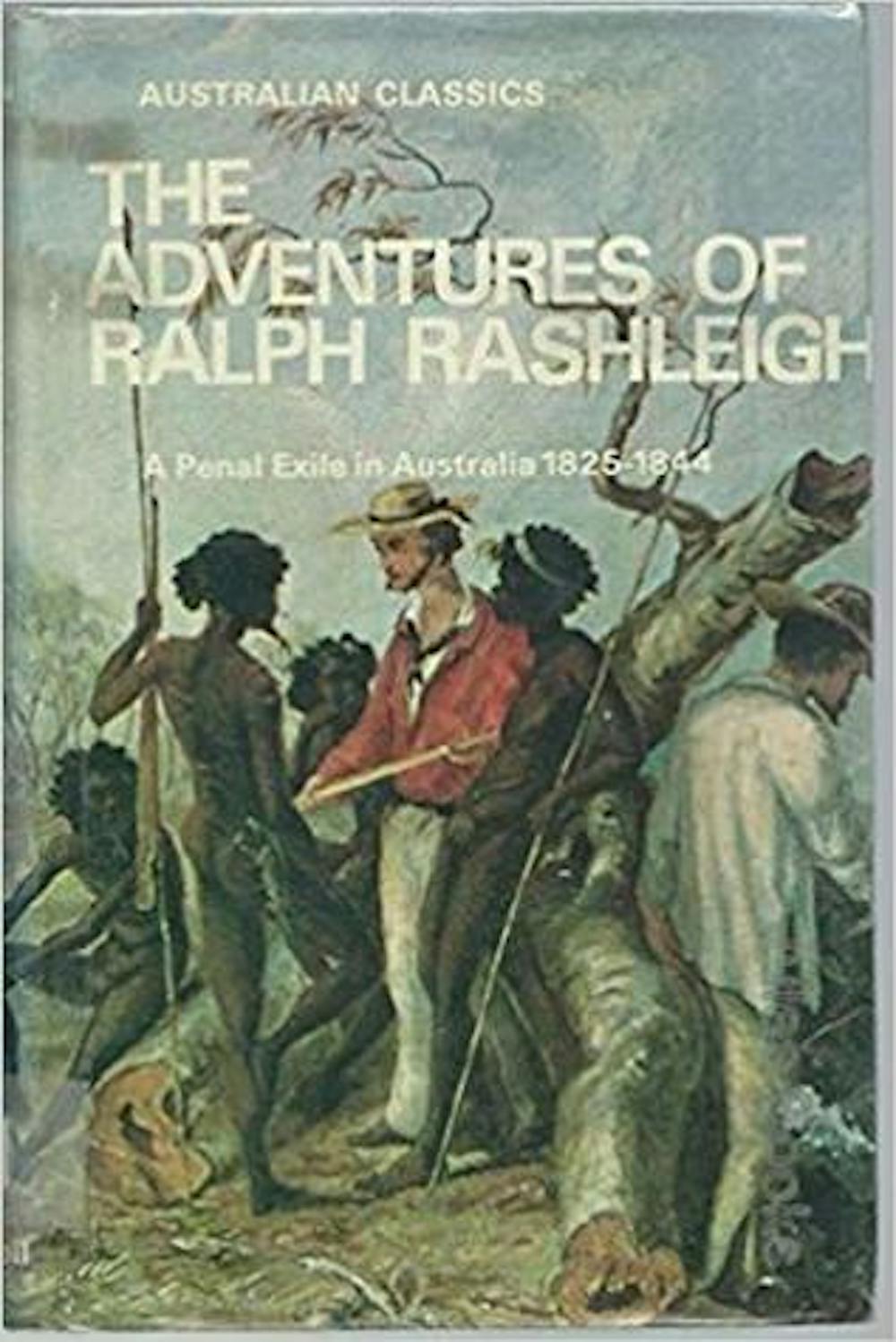
The strongest convict novel is The Adventures of Ralph Rashleigh: he experiences harsh imprisonment, then escapes to live with bushrangers, and then mostly genial Indigenes: written in 1845, probably by ex-convict James Tucker, the novel was not published for over 80 years.
Criminal threats to free settlers were central to Tales of the Colonies (1843) by Charles Rowcroft: an immigrant Tasmanian family encounters the exciting land and its fauna but also bushrangers and the historical and rather noble Indigenous leader Musquito.
In Alexander Harris’s The Emigrant Family (1849) English incomers meet a vigorous native-born family as well as a range of trouble-makers. The settler thriller moved up to squatter level in Henry Kingsley’s rambling The Recollections of Geoffry Hamlyn (1859), which offers “every known cliché of Australian life” according to Arcady in Australia: The Evocation of Australia in 19th Century English Literature, an excellent critical book by Coral Lansbury – mother of Malcolm Turnbull.
Author provided
Crime fiction illuminated the 1850s goldfields experience, mostly through short stories in the Australian Journal featuring police detectives known as “mounted troopers”, who controlled theft and crime of all kinds: they and the miners generated an early form of mateship.
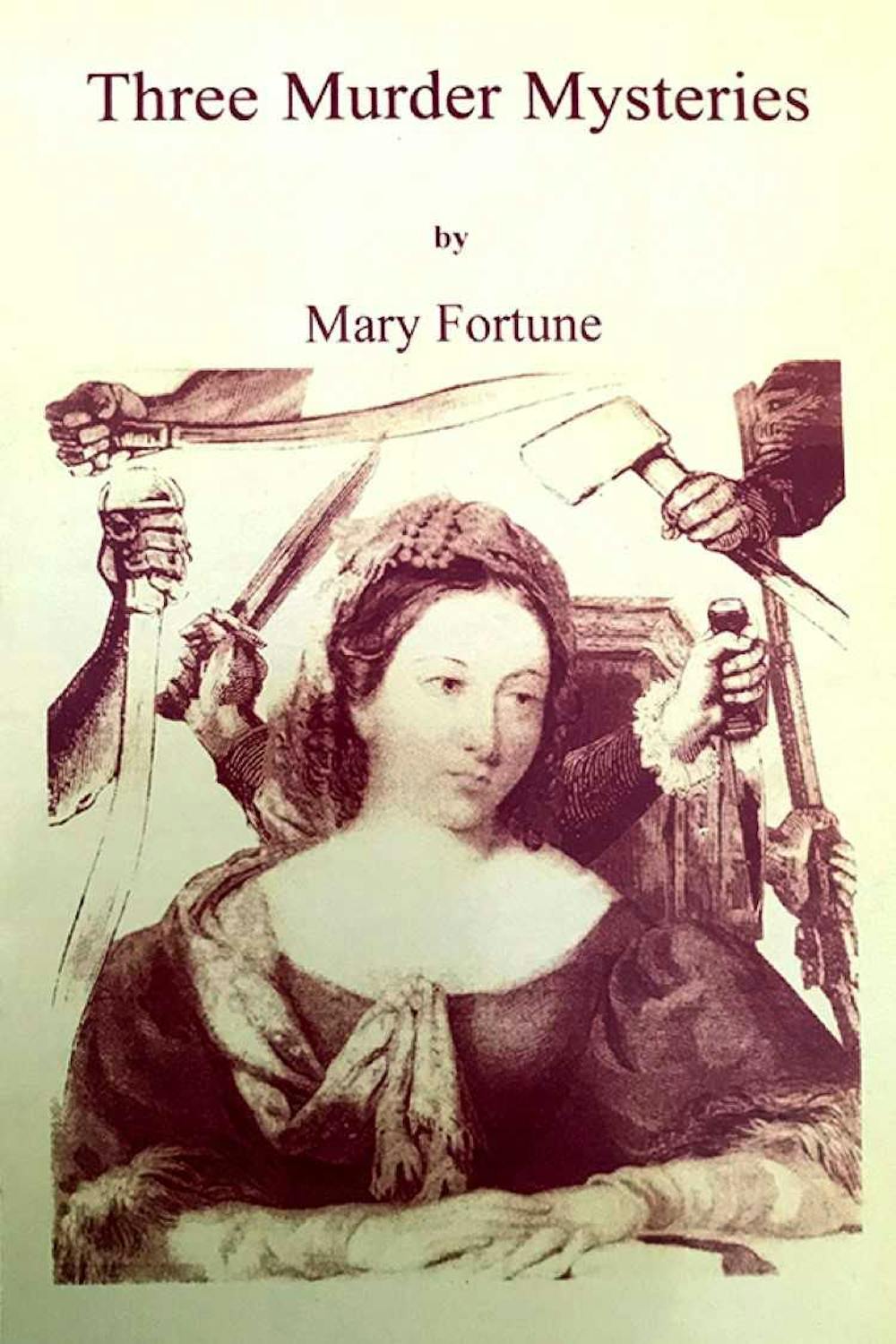
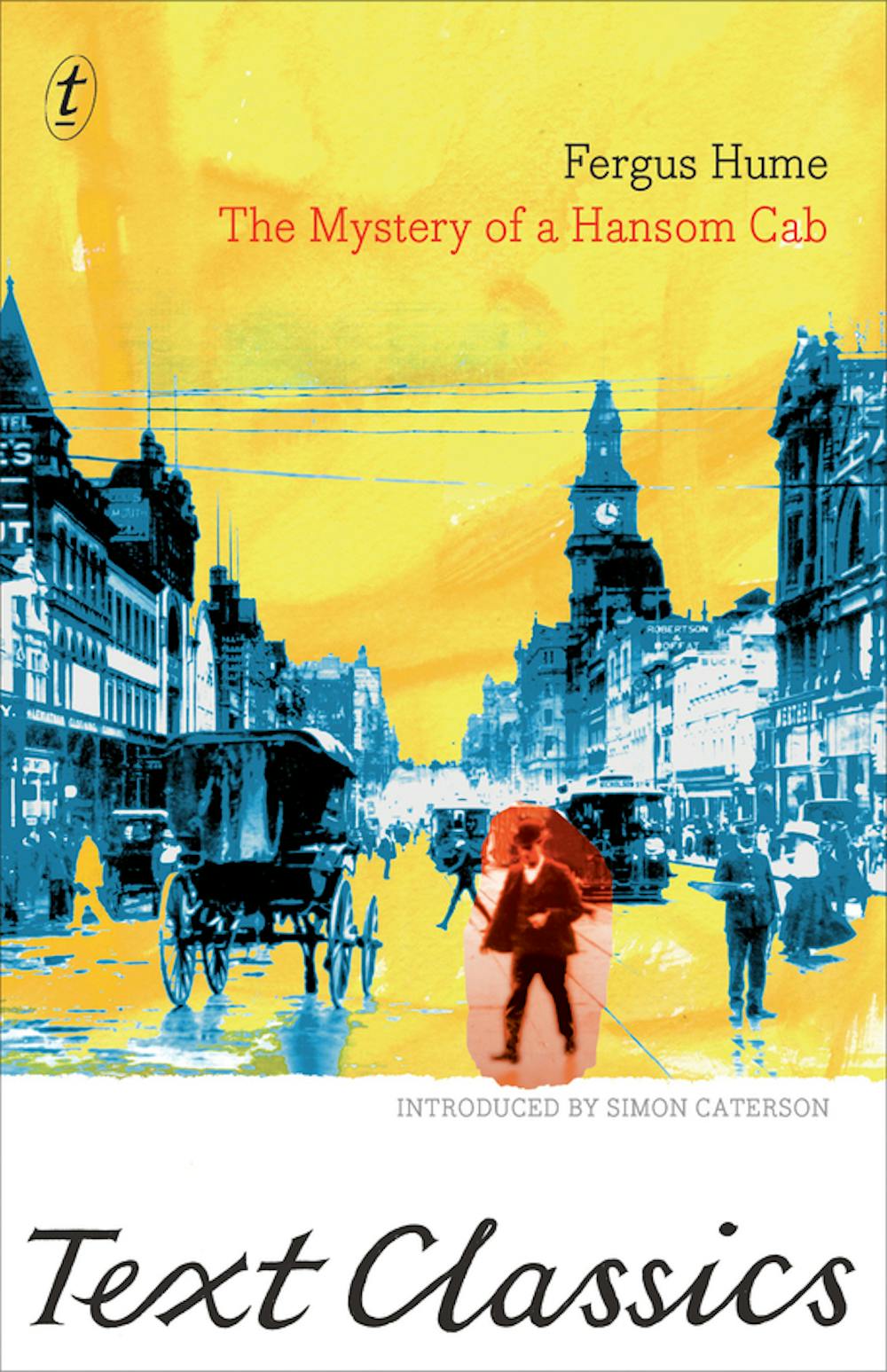
The most prolific author was Mary Fortune who, Lucy Sussex’s research has shown, wrote hundreds of crime stories to the end of the century, and has begun to be re-published. The new gold-rich urban Australia was explored, especially when Donald Cameron produced the intriguing, and almost totally forgotten, The Mysteries of Melbourne Life (1873), followed by Fergus Hume’s highly readable The Mystery of a Hansom Cab (1886): Melbourne-set and published, it then became in London the first best-seller in world crime fiction.
There had been retrospective fictions that essentially criticised the harsh convict colony and ennobled the transportees. The Broad Arrow (1859) by “Oliné Keese” (English visitor Caroline Leakey) is about a brave, true woman convict; His Natural Life by England-born Marcus Clarke offers a long, well-researched story of a maltreated, wrongly-convicted man, appearing first as a serial in the Australian Journal.
In that version he finally escapes from Norfolk Island, becomes a successful goldfields shopkeeper, and eventually returns wealthy to his much-diminished English family. But when it became a book Clarke was persuaded to drop the optimistic “Aussie-success” ending for popular novel melodrama: the escaping hero drowns tragically, and the title becomes the unironic For the Term of His Natural Life.
A more romantic and now fully Australian account of past crime and redemption was the very popular Robbery Under Arms (1881-2) by “Rolf Boldrewood”. The bushranger-turned-convict is no Anglo hero but a tough native Australian: he and his patient girlfriend end up as successful rural property-owners. So crime fiction developed a positive patriotic approach which would soon mesh with the bush myth asserted by popular writers like Lawson and Paterson – also fictional, as the cities grew.
Author provided
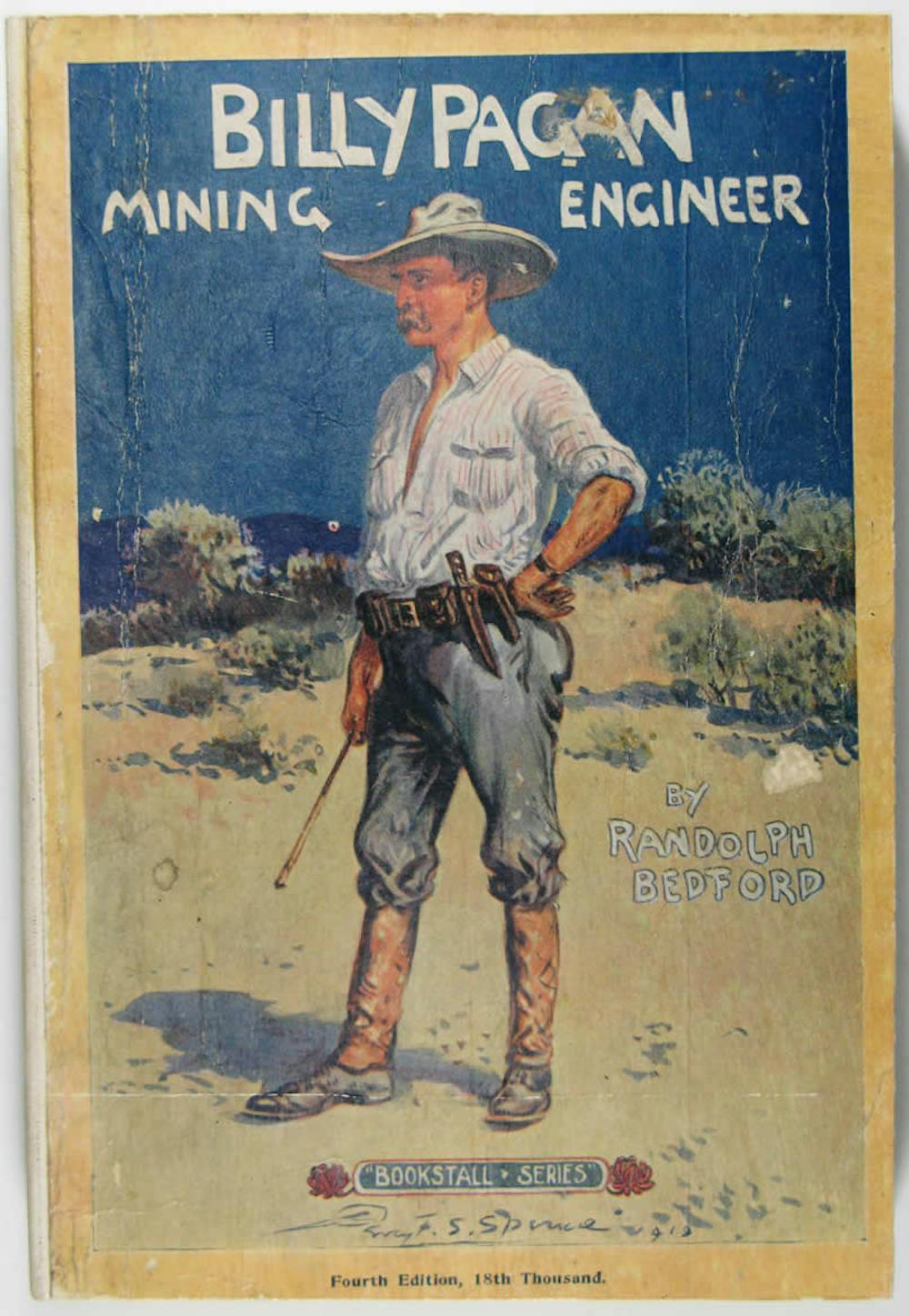
In the late 19th century there were predictable urban mysteries and better rural dramas by writers like Rosa Praed and Mary Gaunt, as well as the distinctly Australian sporting thriller, notably those set at the races by Nat Gould, and also bold roving amateur detectors such as Randolph Bedford’s Billy Pagan, Mining Engineer (1911).
But national mythic features could also be negative: notably absent have been police – while they were familiar overseas, here the memory of transportation limited them to Fortune’s people-friendly troopers, well-separated from convictism.
Equally lacking was any serious treatment of Indigenous people: they only appeared as lurking threats or helpful trackers, except in Arthur Vogan’s The Black Police (1890) in which an England-born New Zealander, who had taken a job in outback Queensland, told a bleak story about the racism he found there.
Between the wars, London publishers continued their dominance and there appeared two striking responses from local crime writers. Their novels can have “zero-setting”: though occurring in Australia they offer almost no local detail at all. Or they can be the opposite, “touristic” crime fiction, all bush and kangaroos, with the villain often consumed by the land itself in fire or flood.
Errol Flynn, circa 1940: his thriller Showdown is very capable. Wikimedia Commons
The success of Arthur Upfield’s long series of “Bony” mysteries was not primarily based on his intelligent half-Indigenous detective but, including for overseas readers, came from the many grand outback landscapes that are so well described, to which Bony relates so strongly.
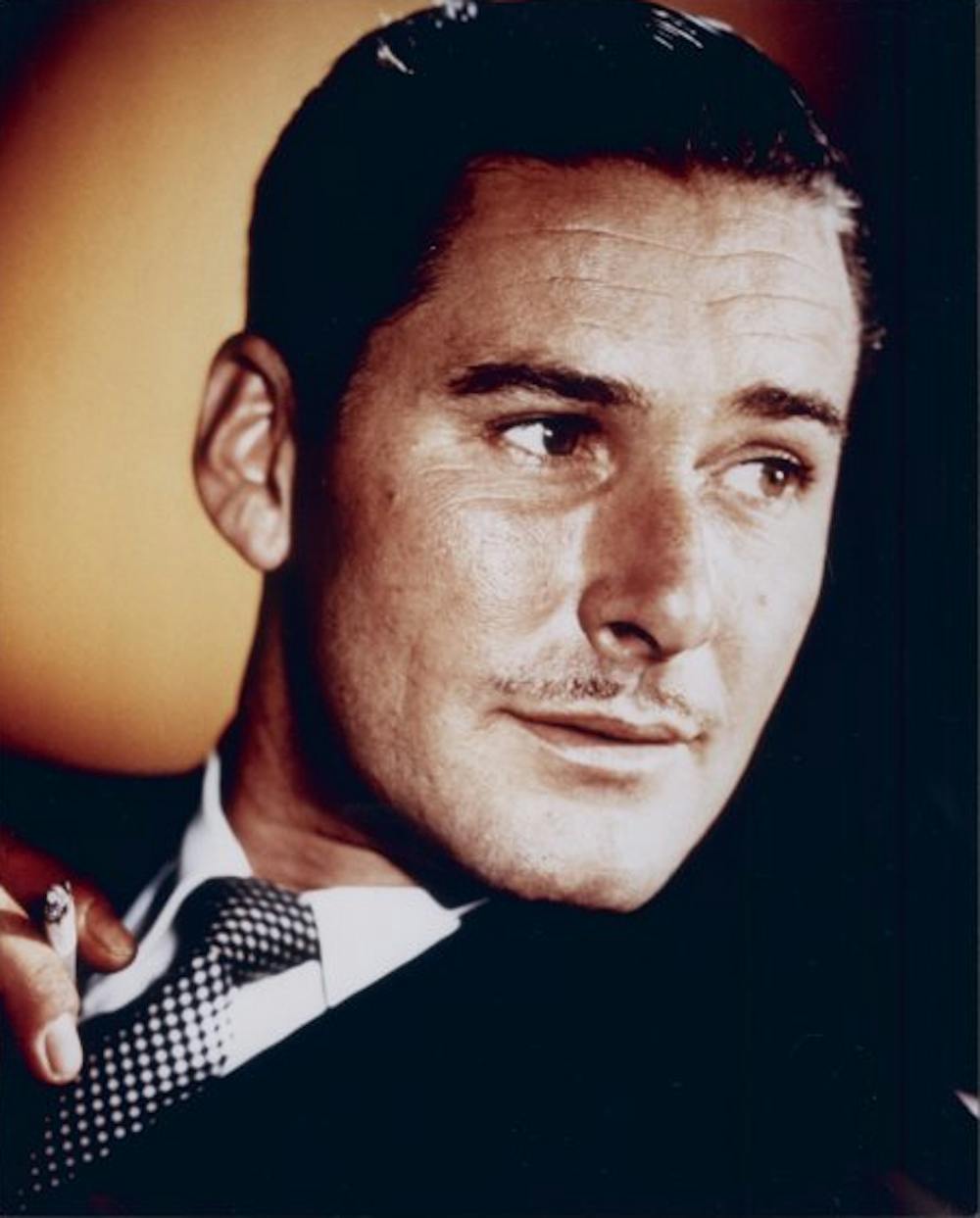
At the same time, interest developed in the formerly minor “crime novel”, the name for a story without detection and tending to sympathise with the criminal – an Adelaide-set series came from Arthur Gask. Classical mysteries were often set in the northern islands, as by Beatrice Grimshaw and Paul Maguire and, amazingly, the Hollywood actor and Tasmanian journalist, Errol Flynn, whose Showdown (1946) is a very capable thriller.
Successful women
In the 1930s Jean Spender, adopting the English style, deployed an under-heroic police detective and she was followed post-war by other successful women. June Wright’s restrained policemen usually marry the young Melbourne lady amateur detective, but she also created a fine nun-detective, Mother Paul. Sydney-based Pat Flower, from Hell for Heather (1962) on, produced a sequence of psychothrillers as potent as those by international stars such as Patricia Highsmith or Barbara Vine (the pseudonym of Ruth Rendell).
Effective post-war male crime writers existed, such as Sidney Courtier and A. E. Martin, but they too were mostly England-published and little noticed or remembered. The American private eye had a brief presence in and after World War II, with many Americans in the country and English book imports rare: both US-based and local tough-guys thrived like those by the ultra-prolific “Carter Brown” (Alan G. Yates).
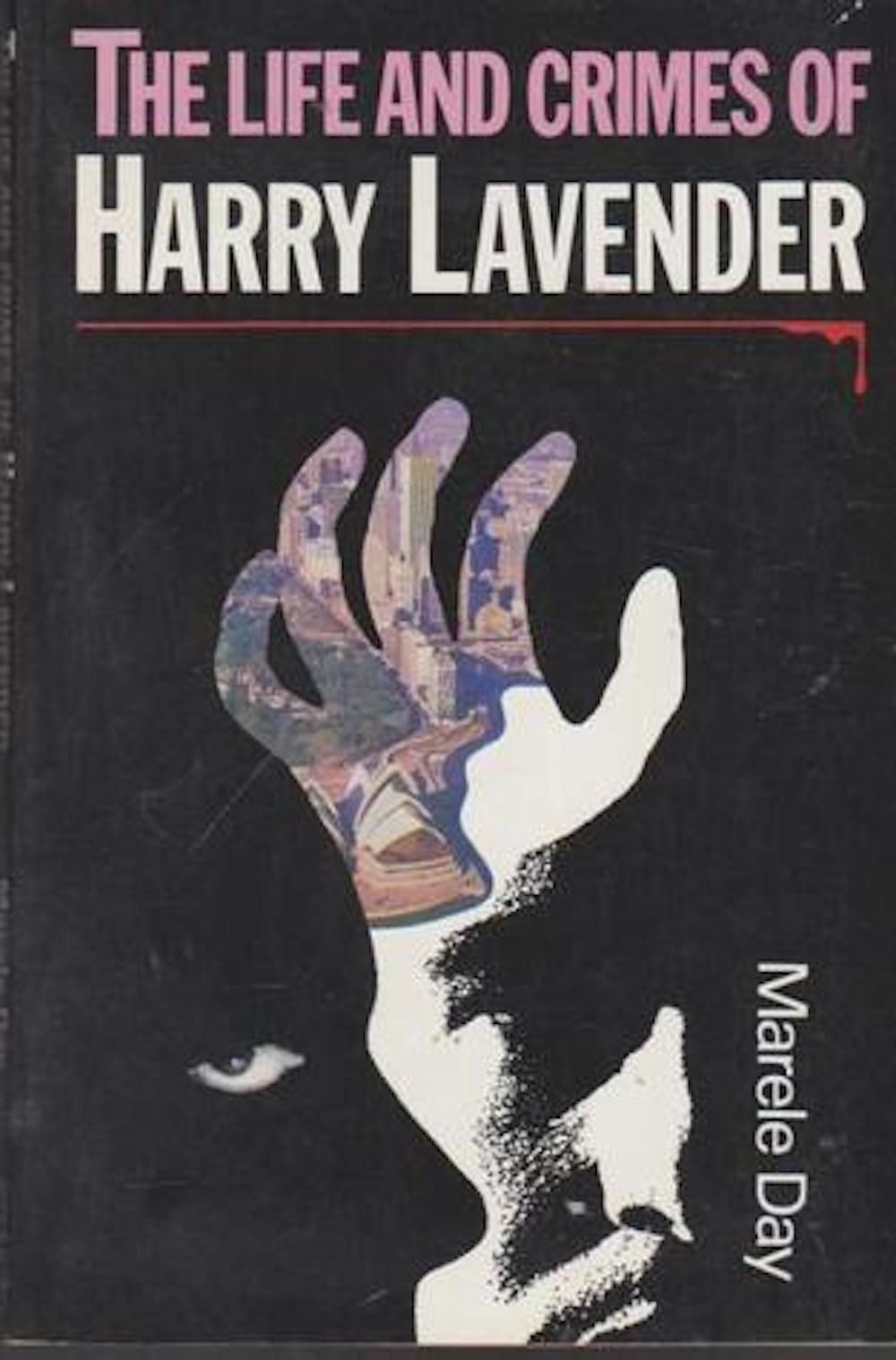
They faded, but the form would return when, feeling abandoned by Britain and looking more across the Pacific, readers were offered their own version of the American mode. The Dying Trade (1980), published in Sydney, with full local publicity, featured a truly Aussie tough guy, Cliff Hardy, and the author, Peter Corris, academic and journalist, stimulated more Sydney-based detectives, Marele Day’s elegant feminist Claudia Valentine, glamorous lesbian cop Carol Ashton by Claire McNab, and the thoughtful English-style amateur Verity “Birdie” Birdwood from publisher Jennifer Rowe. Now local readers could enjoy a wealth of their own national crime fiction, newly embodying many forms of contemporary conviction.
Melbourne soon followed with Shane Maloney’s wry amateur inquirer Murray Whelan and Peter Temple’s Chandleresque private investigator Jack Irish, so well realised on television by Guy Pearce.
The crime novel continued through Garry Disher and his genuinely tough Wyatt, while the psychothriller and other sub-genres flourished, especially from the ever-productive Gabrielle Lord. Finally, major male writers started to employ police – Disher by 1995 with Inspector Challis in The Dragon Man and Peter Temple’s very successful The Broken Shore (2005) introduced injured cop Joe Cashin.
Modern retrospection arose from Australian acceptance of the innovative mode of historical crime fiction pioneered by Umberto Eco in The Name of the Rose (1980). Melbourne led with Kerry Greenwood’s glamorous 1920s investigator Lady Phryne Fisher in Cocaine Blues (1989); later Marshall Browne offered a turn-of-the century Melbourne thriller series.
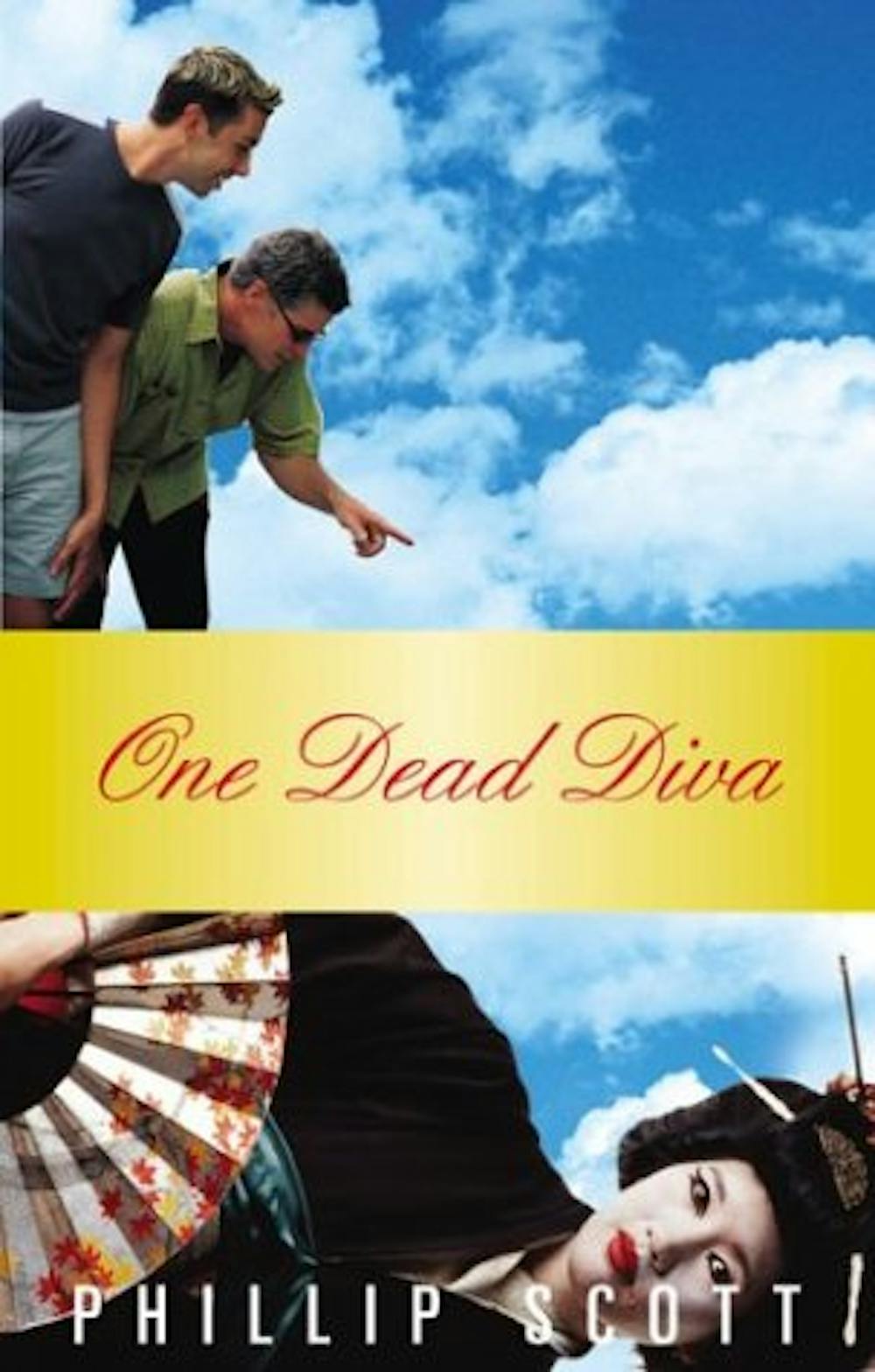
International gay crime fiction arrived: Claire McNab handled the female side forcefully, while for the men Adelaide’s notorious Duncan drowning was reworked in Roger Raftery’s The Pink Triangle (1981) and Phillip Scott’s amusing opera-related series started with One Dead Diva (1995).
Indigenous crime fiction writers also appeared. Mudrooroo Narogin produced, then as Colin Johnson, Wild Cat Falling (1965), a potent crime novel about a Perth teenager; later crime stories featured his Detective-Inspector Watson Holmes Jackamara, a figure both ironic and revealing. Archie Weller wrote a strong crime novel The Day of the Dog (1981) and tough short stories; Philip McLaren’s major novel Scream Black Murder (1995) has Indigenous police detectives, male and female, facing both public and personal challenges in Sydney’s Redfern.
Since 2000 Australian crime fiction has strengthened further, mostly with new voices. Day, Rowe and McNab all put an early end to their series and in 2017 Corris has called it a day – Cliff is smiling as the story finishes. Temple’s darkest novel, Truth, won the Miles Franklin national prize in 2010, but his recent death has saddened readers.
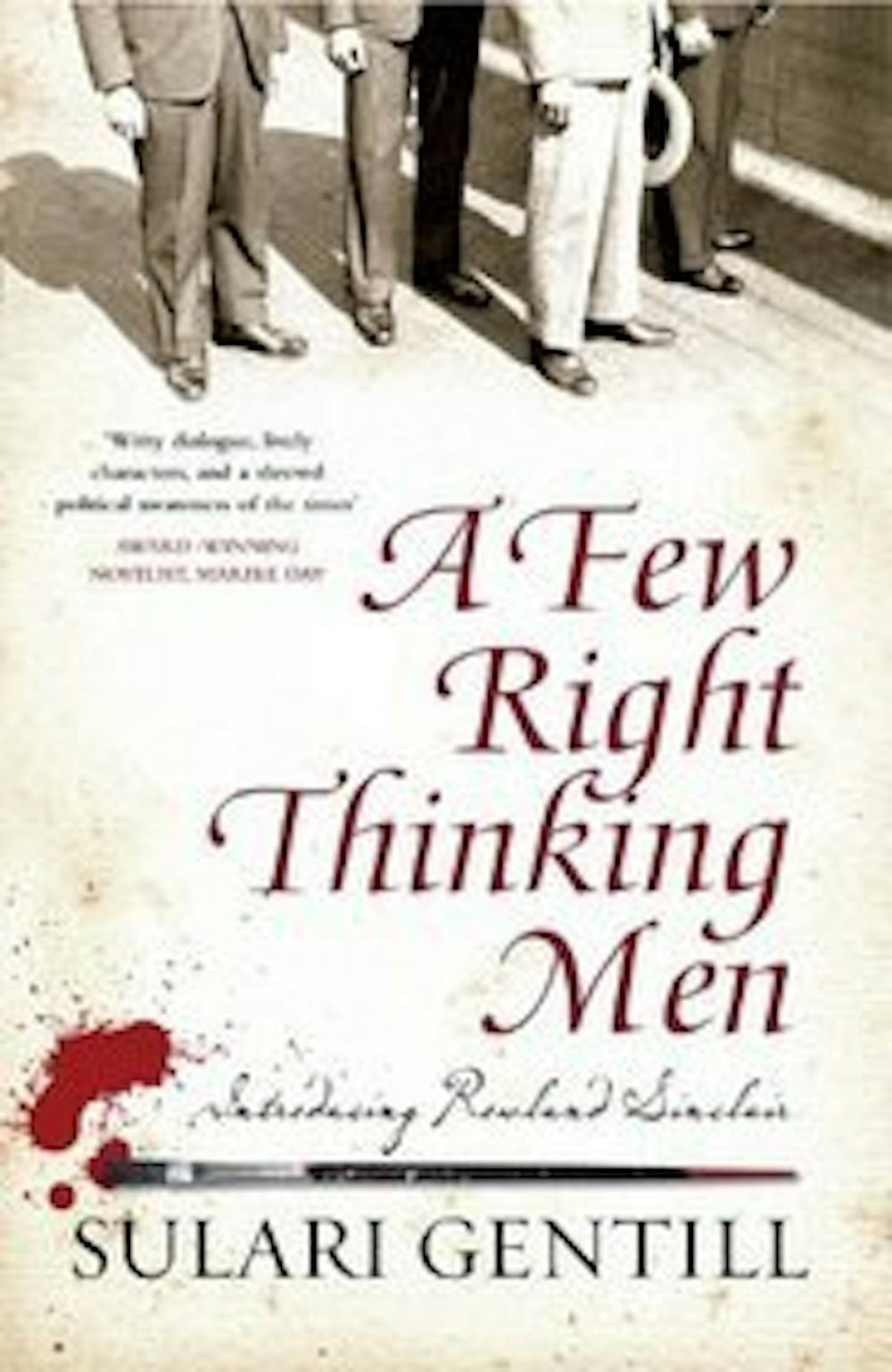
Historicism has continued. Sulari Gentill explores the politics of the 1930s in her Rowland Sinclair series, and Lady Phryne has re-appeared, but Greenwood now also turns to the “cozy” tradition with large detecting chef Corinna Chapman. Police presence has grown, with notably realistic treatments by former female officers, P.M. Newton, Karen M. Davis and Y.A. Erskine; and there are others, like Leigh Giarratano’s subtle detective Jill Jackson and Felicity Young’s Senior Sergeant Stevie Hooper, tall, brave and based in Perth, like several other modern investigators, including Alan Carter’s “Cato” Kwong, a police detective from a long-present Chinese family.
Australian women crime writers are now in a clear majority, and they also offer private eyes: Gabrielle Lord has a series about Gemma Lincoln, and Angela Savage’s well-developed Thailand-based novels feature Jayne Keeney. The psychothriller remains vigorous: journalist Caroline Overington produced the intriguing Ghost Child (2009), while Honey Brown offers deeply imaginative stories like Red Queen (2009).
The crime novel thrives among male writers — Disher’s man re-asserted his presence in Wyatt (2010) and Andrew Nette produced the both local and international Gunshine State (2016); the comic crime novel emerged in Robert G. Barrett’s series about the idiotic bogan Les Norton. Other traditions continue: Tara Moss keeps feminism alive in her Mak Vanderwall series, while Nicole Watson’s The Boundary (2011) is a powerful Brisbane-based, Indigenous-oriented narrative.
Unique features appear in Australian crime fiction, and not just the five different authors who focus their mysteries on the Melbourne Cup. More notable are Leigh Redhead’s series about Simone Kirsch, the stripper-detective, starting with Peepshow (2004), revealing in several ways, and the two fascinating poem-based mysteries by the sadly late Dorothy Porter: The Monkey’s Mask (1994) and El Dorado (2007).
Such brilliant exotics, and the richness of the tradition as a whole, show how far Australian crime fiction has come from convicts and bushrangers, without losing its continuing relationship with changing national concerns and the social and personal myths it can both test and validate.
Although the 2018 Closing the Gap report on Indigenous disadvantage highlighted the importance of literacy for Indigenous Australians, progress remains slow. But, while reading is widely considered an unmitigated good and a marker of prestige, it is not a simple issue for some Indigenous Australians.
I have been investigating the politics of reading for Indigenous Australians by visiting the Murri Book Club, an Indigenous book club, in Townsville and discussing the role of books and reading in its members’ lives. As one woman told me:
No one ever read to me as a child. The only reading we ever had was church … reading at Bible studies. We had to get hit with a stick to sit still and stop moving and making noises … And so, to me, reading was restrictive, I suppose, and boring because of that part. It was never fun.
One of the concerns for members of the Murri Book Club is that books and reading are linked to the ongoing history of assimilation that, even now, presumes a divide between Indigenous oral story-telling and non-Indigenous literacy. This is why the members of the club show more ambivalence towards reading than might be expected of a typical book club.
Book clubs have been described by scholar Marilyn Poole as “one of the largest bodies of community participation in the arts in Australia”. Current research suggests that these clubs are overwhelmingly white, middle-class, middle-aged and female. Members of most mainstream book clubs are part of what Wendy Griswold has termed “the reading class”, which is small in size but immense in cultural influence.
Janeese Henaway, the Indigenous Library Resources Officer at the library, started the book club in 2011 and introduced me to the group. Janeese was raised just south of Townsville in a town called Ayr. When Janeese was asked to facilitate a book club, it was suggested to her that they follow the model practised by the Brisbane-based Reconciliation Reading Group that has met monthly in the Queensland State Library for over 15 years.
But Janeese was unsure about how to proceed.
I didn’t know at that point how to run the club in a way that was culturally appropriate … I explained that we did not then want to go to a book club and have heavy discussions on Indigenous issues. The group predominantly wanted a light, entertaining and enjoyable experience. Although we’re Murris, we are also readers.
One woman told me she joined the group because she wanted to set an example for her son. While many book clubs operate within an unspoken discourse of self-improvement, it is rare for book club members to be so explicit.
For this member, reading is a cultural resource that carries significant weight. As she tells it, her son is much more interested in (Indigenous) culture and, for him, reading and culture are “two separate things”. She recalls him asking, “Why I gotta read for? I’m gonna be an Island boy, man, when I grow up. You don’t need to read”. For her son, culture is about story, not about reading.
There is a long history, particularly throughout the assimilation era, of Aboriginal and Torres Strait Islander people being actively prevented from speaking their languages. Members of the Murri book club are aware that policies of assimilation mean less access to oral stories. The imposition and authority of the written word can be seen to clash with Indigenous practices of oral story-telling. A commitment to reading can make some Indigenous people feel that they must sacrifice other cultural values that have sustained them as individuals, families and communities for millennia.
Members of the Murri book club experience this sacrifice as a cultural compromise. One member, an Aboriginal and Torres Strait Islander Indigenous Liaison Officer at a tertiary institution, suggested the solution is more Indigenous-authored texts that record Indigenous knowledge. But he is also aware that the focus on reading has come at a cost:
But these guys … [the others in the Murri book club] I envy them … Like the oral stories are there [for me], but they’re not in that layer that these guys have. And then because of that book, the authority of the book, when you get them old people to talk, they say, ‘Ah, that’s not true. It’s not in a book.’ Only, every now and then, they say, ‘It doesn’t all have to be in a book.’
In response to this recollection of the authority of books as a source of truth, another member responded: “But keep in mind that you were trained in that way … Print had authority over the spoken word.”
Although she loves reading, this member rarely reads the book club books. She comes along primarily for social reasons — for connecting with community. In spite of her love of books and reading, she is very conscious of the fact that books, and the authority of written language, were key tools in undermining oral traditions in her home of the Torres Strait. Indeed, the Murri book club, as a whole, are more aware than most that reading is connected to power.
In their discussions, the Murri Book Club has taken a communal institution so often associated with white, middle-class culture and remade it as a force for decolonising contemporary cultures of reading. It challenges assumptions not only about book clubs, but also about Aboriginal and Torres Strait Islander Australians. While reading can come with significant cultural baggage for some Indigenous people, it can also be a powerful tool.






 Stephen Knight is the author of
 In their discussions, the Murri Book Club has taken a communal institution so often associated with white, middle-class culture and remade it as a force for decolonising contemporary cultures of reading. It challenges assumptions not only about book clubs, but also about Aboriginal and Torres Strait Islander Australians. While reading can come with significant cultural baggage for some Indigenous people, it can also be a powerful tool.
 At the BookShelf
You must be logged in to post a comment.