Unknown's avatar

‘Fifty Shades of Grey,’ 10 years later: Self-publishing wasn’t novel then, but now it’s easier to reach a niche audience


Substantial cultural commentary and numerous studies addressed how the ‘infamous’ novel influenced both readers and the publishing industry.
(Shutterstock)

Elizaveta Poliakova, York University, Canada

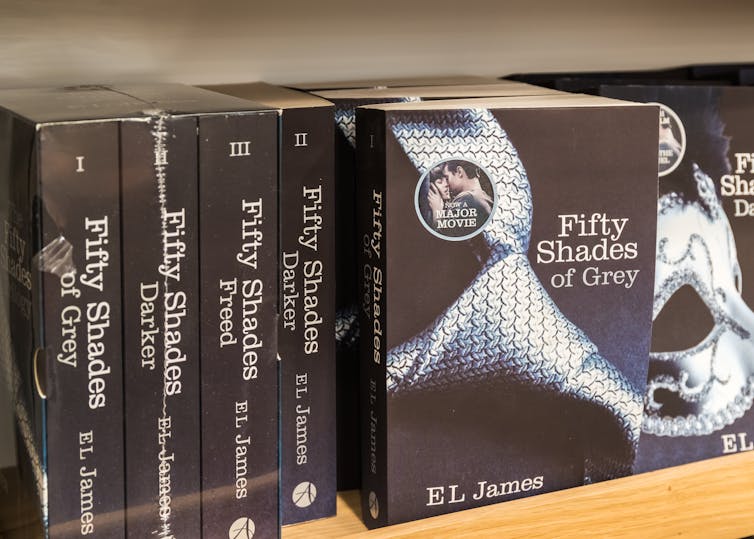
It has been 10 years since E.L. James decided to self-publish her first novel, Fifty Shades of Grey. The plot of the story centres on a college student who enters a relationship with a wealthy businessman involving BDSM practices — bondage, dominance/submission, sadism/masochism — and becomes his submissive.
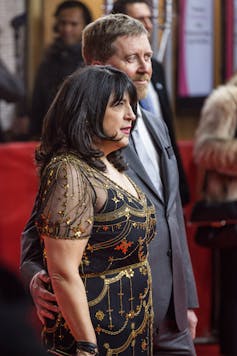
A standing woman in an evening gown is accompanied by a man in a suit.
Some critics commend author E.L. James, pictured here, for enticing more authors to experiment with self-publishing.
(Shutterstock)

The story was first developed as a fan-fiction project in 2009 based on the Twilight series, originally titled Master of the Universe. However, after being reprimanded for the mature content by the administrators of a fan fiction website, James decided to self-publish the book in 2011 with the help of an online publisher, The Writers’ Coffee Shop.

James’s book and its sequels — Fifty Shades Darker and Fifty Shades Freed — became a global sensation. The trilogy sold more than 65 million copies after James signed a contract with a traditional publisher, Vintage Books, an imprint of Random House.

Substantial cultural commentary and numerous studies addressed how the “infamous” novel influenced both readers and the publishing industry.

Some people critiqued the book for linking sex and violence without delving into the level of communication required to make BSDM safe and truly consentual. Others discussed how it harmed women’s already fragile role in a patriarchal world, or commended it for starting dialogue around BDSM — and enticing more authors to experiment with niche topics and self-publishing.


Read more:
Violence dressed up as erotica: Fifty Shades of Grey and abuse


Role of gatekeepers has shifted

This is an interesting time in publishing and other areas of the cultural industries, because the roles of gatekeepers are changing. Today, it is much easier to appeal to a niche audience than it was 10 years ago. Self-publishing is here to stay.

Some people commend self-publishing as a great way to ensure that audiences can access a diversity of genres and voices that have traditionally been marginalized by mainstream publishers. Others condemn it because of the lack of gatekeepers to assess the content being produced. A few consider it a get-rich-quick-scheme.

However, these assumptions are based on a limited knowledge of contemporary self-publishing practices.

Self-publishing isn’t new

The phenomenon of self-publishing is often linked to online book production methods, which allow authors to produce an ebook with a few strokes of the keyboard, making their work available to a global audience. However, there is a much richer history of self-publishing that goes further back than its digital counterpart.

A number of prominent authors started off by privately printing their work. For instance, Jane Austen privately published Sense and Sensibility in 1811, and Mark Twain self-published The Adventures of Huckleberry Finn in 1885. Although self-publishing might appear as the new buzzword, it is not a novel phenomenon in the publishing industry.

Even though self-publishing was a practice some authors adopted in the 18th and 19th centuries, the distribution methods and number of copies were often limited.
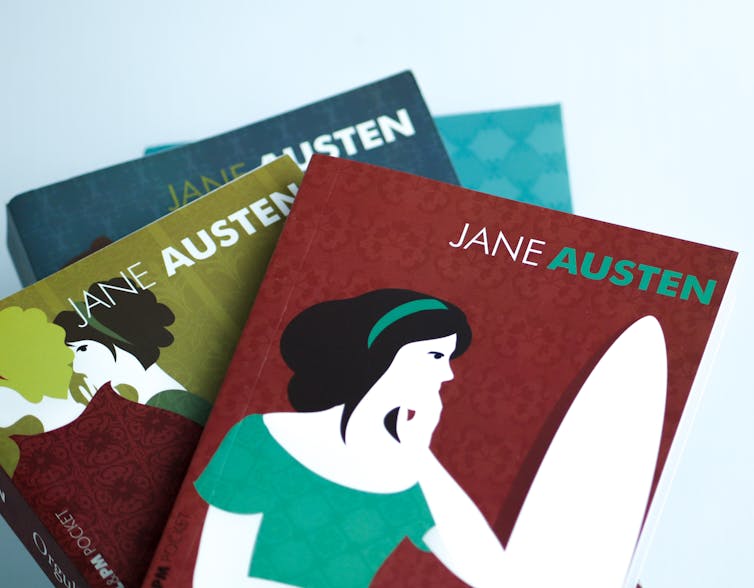
A stack of Jane Austen books
Yes, Jane Austen’s ‘Sense and Sensibility’ actually has something in common with ‘Fifty Shades of Grey’: self-publishing.
(Shutterstock)

Amazon & self-publishing

In the past 10 years, the phenomenon of self-publishing grew massively with the help of Amazon, Wattpad and other online publishing tools.

The real game changer to self-publishing was Amazon when it introduced Kindle Direct Publishing in 2007. It became possible for authors to share their work worldwide through a convenient global distributor.

Amazon can be linked to the popularization of electronic books (ebooks) through its promotion of the Kindle — also introduced in 2007 — which prices literary works as low as 99 cents.

In 2012, a year after its publication, Fifty Shades of Grey was the best- and fastest-selling series ever on Kindle.

Self-publishing on the rise

It is difficult to trace the actual number of self-published books because platforms like Amazon assign their own classification, making the ISBN unnecessary. However, Bowker, a company that assesses and reports bibliographical information (such as ISBN data), provides reports showing that self-publishing has been on the rise.

In 2011, the company registered 148,424 printed self-published books with an additional 87,201 ebooks. Only six years later, in 2017, the registered number of self-published books was more than a million. The numbers kept rising the following year, with over 1.5 million self-published books registered in Bowker’s system.

In the past 10 plus years, self-publishing has kept growing as an industry potentially due to ebook adoption and online publishing companies, which indicates that it certainly has the possibility to have a permanent place in the publishing ecosystem.

Wattpad: virtual library of the future?

In 2006, Kevin Kelly, former editor of Wired magazine, proposed the idea of “liquid books” all housed in a universal library, which anyone could access freely. A year after Kelly’s proposal, a platform emerged that made the idea of a universal library a viable possibility.

Wattpad was originally a start-up founded in Canada by Allen Lau and Ivan Yuen in 2007. Originally a website, the company launched a mobile app in 2008, which is now easily accessed from any hand-held device.

At first, the founders of the site uploaded books in the public domain to attract users. Once enough people became aware of Wattpad, writers started to upload their own stories to share with an online audience. Now Wattpad has a range of categories of books and stories for all types of readers, ranging from traditional romance and mystery to spiritual genres and the paranormal. A virtual library of user-generated content, both mainstream and niche, emerged that supported the self-publishing boom.

Wattpad takes prides in the fact that it presents its authors with opportunities to obtain worldwide recognition by working with global media companies. For instance, the self-published novel The Kissing Booth became a Netflix original movie after it found success and a loyal audience on Wattpad. Hence, Wattpad became a place for traditional industries to browse for new content.

Arguably, this signals that self-publishing isn’t going anywhere, and that traditional media companies are quick to take advantage of this new model of production.

After more than 10 years in the industry, Wattpad has developed ties to traditional media outlets that can potentially only get stronger.

What’s next?

Self-publishing could be a solution to a number of problems authors face — from trying to reach a niche market to producing controversial content, as was the case with the work of E.L. James.

Something else to keep in mind when evaluating the usefulness of self-publishing is the possibility of producing and purchasing books and ebooks from home during a pandemic.

Could the pandemic contribute to a shift that potentially makes self-publishing accepted as a viable and legitimate form of book production? Maybe we’ll get an answer in another 10 years.The Conversation

Elizaveta Poliakova, PhD Candidate, Communications and Culture, York University, Canada

This article is republished from The Conversation under a Creative Commons license. Read the original article.
Unknown's avatar

Yes, audiobooks count as ‘real reading’. Here are 3 top titles to get you started


Shutterstock

Brigid Magner, RMIT University and Linda Daley, RMIT University

Audiobook listening has been called a “silent revolution” in the publishing industry over the last decade. The US audiobook market is estimated to be worth US$1.1 billion annually and is growing at a rate of more than 10% each year. Industry insiders say this is a fresh market, with 37% of Australian audiobook listeners only taking up the habit in the last year.

Audiobook downloads (up 15% on the previous year) were part of a pandemic boost for publisher revenues. Some are read by the authors themselves or by famous actors including Elizabeth Moss and Tom Hanks.

But are listeners really reading? If we challenge what we think we know about reading, audiobooks can be seen as not just a cheat’s shortcut for catching up on classics and bestsellers, but a new way to engage more people with stories.


Read more:
How reading aloud can be an act of seduction


From vinyl to digital

Audiobooks are not new. The term refers to any authored print book vocalised through a variety of technologies — from records through to cassette players, and CDs. Digitally downloaded or streamed audiobooks have added a new dimension to this heritage technology, traditionally viewed as a compensatory tool for visual impairment or reading difficulties such as dyslexia and the rarer condition of alexia.

The surge in audiobook sales is likely a halo effect of the huge popularity of podcasts. But audiobooks are single-voiced, immersive listening experiences. Audiobooks do not include book-length texts “read” by an automated voice.

Audible (owned by Amazon) dominates the audiobook market and is now getting into the “original audiobook” game, meaning they produce the audio version rather than a book publisher. Other services offer “born audio” productions. Storytel Originals bypass print as the starting point in the traditional book publishing cycle.

Librivox — a site dedicated to making “all books in the public domain available, narrated by real people and distributed for free” emerged from a group of friends reading aloud from Joseph Conrad’s The Secret Agent. It draws its 15,000 titles from Project Gutenburg’s 60,000 free ebooks.

Unlike the commercial services, with narration and soundscapes on par with radio drama productions, the quality of Librivox audiobooks is highly variable. There are excellent recordings and “readings that sound as if they come from your worst nightmare of community theatre — either monotone or way over the top”, according to one LA Times reviewer.

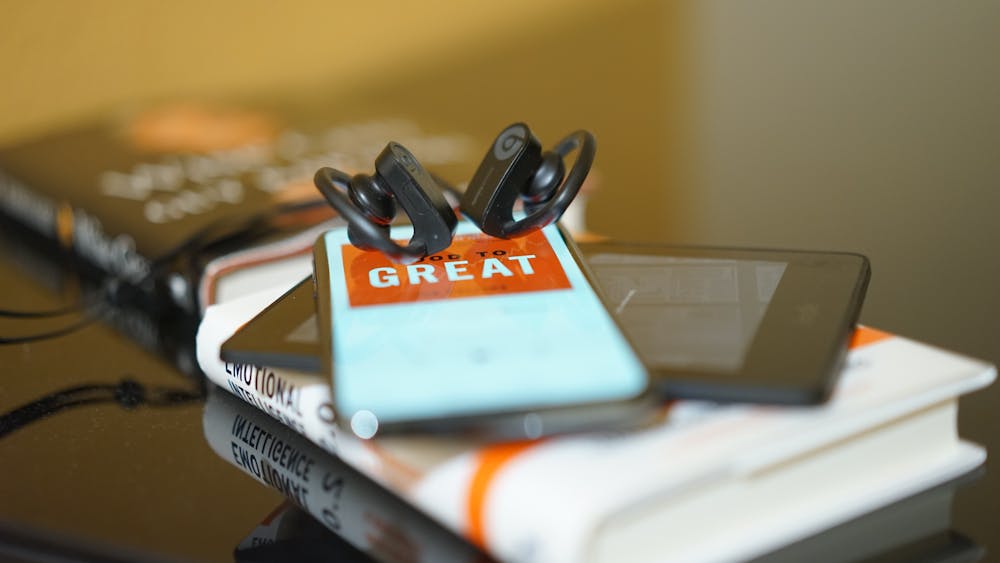
earbuds on phone and books
Audiobooks are different to podcasts because they are voiced by one person and are immersive listening experiences.
Unsplash, CC BY

How we read

Reading is a complex process. Rather than a single cognitive act of decoding, we know from imaging technologies that reading engages several discrete actions within the brain’s visual region. When the reader encounters an irregular letter-sound relationship, neurologist Stanislas Dehaene tells us the auditory brain region fires up as well.

When reading, we engage a bundle of brain skills that have evolved over centuries if not millennia. A recent study used fMRI scans to show people generate word meaning in the same way whether they see it or hear it.

Though reading is still usually thought of as a stationary, silent and solo practice, there is a long tradition of reading communally and aloud. This is not only reading by adults to children, but also among adults.

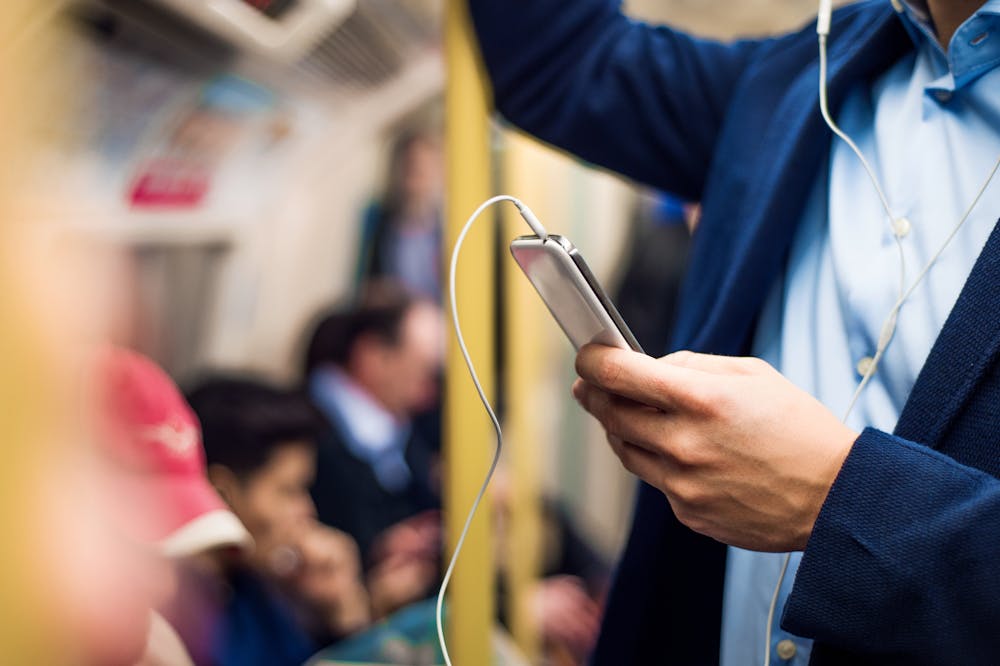
Streamed audiobooks available through smartphones enable reading-as-listening while mobile. The kinetic dimension of reading-as-listening while moving through space, commuting, walking or while driving is yet to be fully understood.

person with headphones waiting for a bus
How moving while listening affects our reading experience is yet to be fully understood.
Unsplash/Henry Be, CC BY


Read more:
Books offer a healing retreat for youngsters caught up in a pandemic


New reading, old storytelling

Audiobooks challenge established practices and assumptions about reading, but also remind us of the oral cultures of storytelling from which print cultures developed.

In Australia, streamed audiobook listening might offer a 21st century way of celebrating the affective, imaginative and kinetic dimensions of the Indigenous songlines that criss-cross the continent, either by remediating print books or bypassing the written form altogether.

Listening to audiobooks may help to close the gender gap common with reading literature. The Reading the reader report from Macquarie University found that more than 60% of “frequent readers” are women. Of “non-readers”, three quarters are men. Yet, men and women are equally likely to consume digital format books such as ebooks and audiobooks. Audiobooks may inspire more male readers to participate in bookclubs, which traditionally involve more women than men.

Man on train with phone and headphones
Reading on the tram or train.
Shutterstock


Read more:
Freud, Nietzsche, Paglia, Fanon: our expert guide to the books of The White Lotus


Audiobooks could also be used more in higher education. Princeton University Press recently announced the release of their PUB audio series, signalling new educational formats for scholars and students.

Rather than being one act for one purpose, literacy researcher Sam Duncan argues reading is a bigger umbrella than we may have previously realised, under which sits a diversity of practices, involving different “skills, challenges and pleasures”.

Listening-as-reading to vocalisations of books enables a level of imaginative and affective engagement that should not be diminished by our traditional assumptions.

book cover Carpentaria

Audible

Here are three great books to listen to:

1. Carpentaria by Alexis Wright

The audiobook of Alexis Wright’s epic Carpentaria, is narrated by Noongar actor and dramaturg Isaac Drandich. Using a range of voices, he offers the reader-as-listener an enhanced experience.


Audible

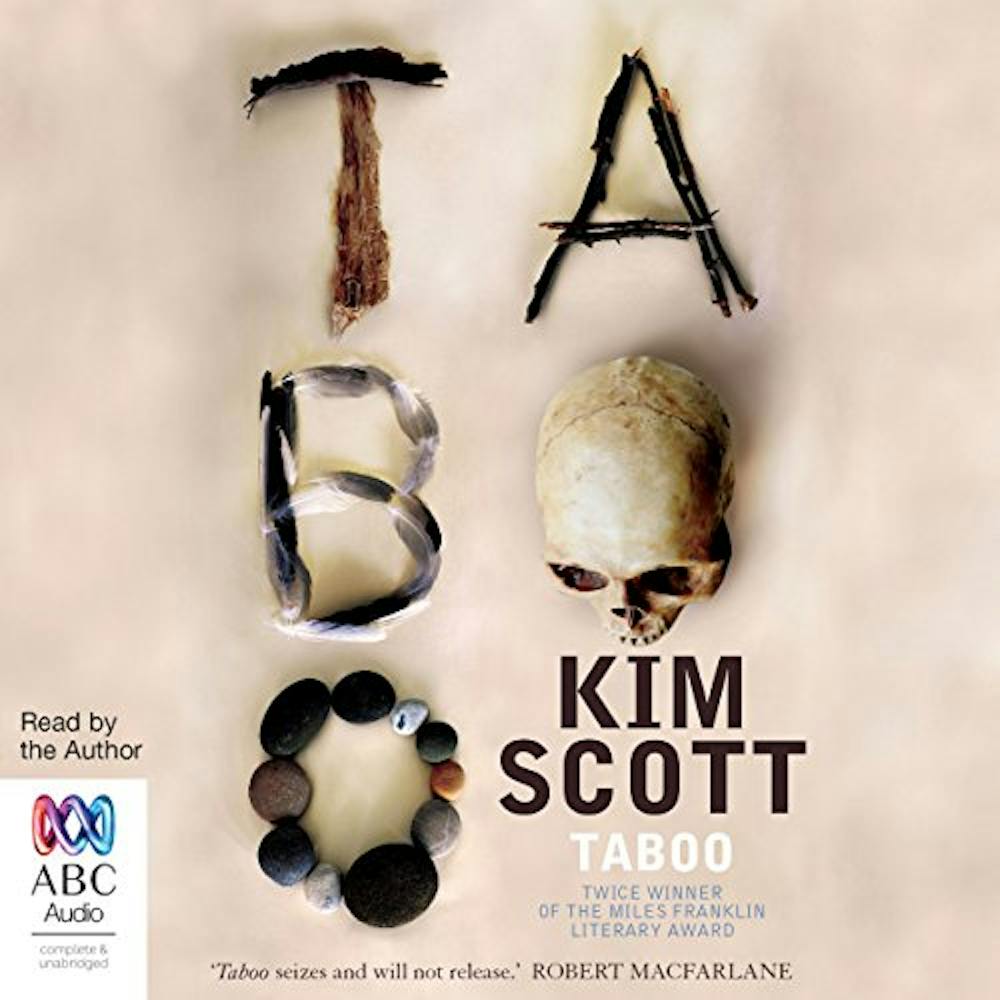
2. Taboo by Kim Scott

Reading his own book, Kim Scott’s gentle voice animates his sparse prose style beautifully.

The novel dramatises a brutal past event and its present day reckoning.

3. The Odyssey by Homer. Translated by Emily Wilson.

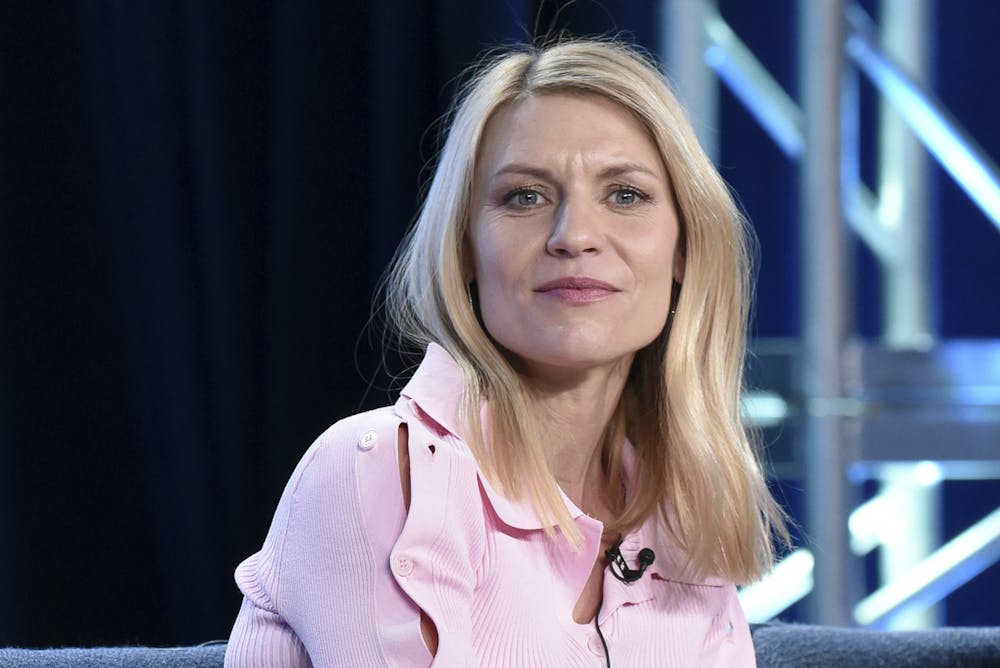
Claire Danes’s vocalising of Emily Wilson’s translation brings this ancient text into the contemporary world through plain speaking and her emphasis on satellite characters. The Conversation

woman in pink jacket
Actor Claire Danes’ narration of The Odyssey gives the text a modern tone.
Richard Shotwell/Invision/AP

Brigid Magner, Senior Lecturer in Literary Studies, RMIT University and Linda Daley, Senior lecturer, RMIT University

This article is republished from The Conversation under a Creative Commons license. Read the original article.
Unknown's avatar

Not My Review: Beyond Ash and Sand (Book 1) – Dark Sea’s End by Richard Nell


Unknown's avatar

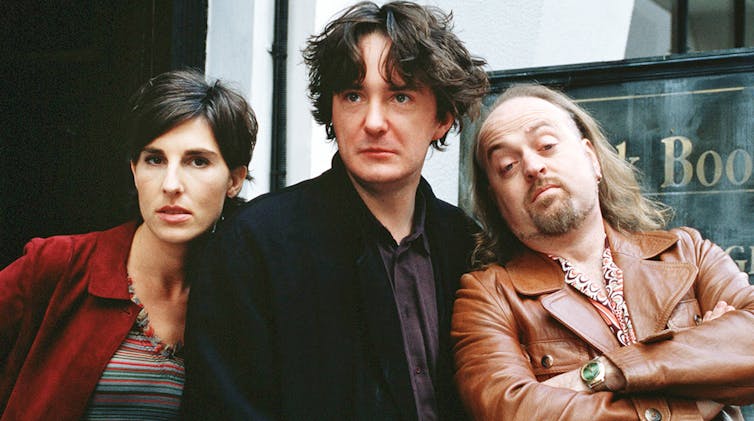
Think of it this way: at least you’re not locked down with drunken, misanthropic bookshop owner Bernard Black


Channel 4

Daryl Sparkes, University of Southern Queensland

Our writers nominate the TV series keeping them entertained during a time of COVID.

Imagine if you were locked down with a recalcitrant alcoholic who belligerently passed scorn upon anyone who came into his orbit. A man who bullied and cajoled the only other person locked in with him, gaining sadistic pleasure from psychological torture.

Well, this is who I am spending my pandemic with. Luckily, he is on the other side of the screen. His name is Bernard Black.

Running for three seasons from 2000 to 2004, the television series Black Books starred Dylan Moran as the perpetually drunk and surly bookseller Black, Bill Bailey as his innocent and naïve offsider Manny Bianco and Tamsin Greig as fellow red wine connoisseur and best friend, Fran Katzenjammer.

The main plot revolves around the misadventures of the three main characters, mostly instigated by Bernard’s misanthropic distaste for anyone who dares enter his bookstore or, indeed, the public at large. This includes any loose associations with people he refers to as “friends”.

Bernard spends most of his time in a bookshop he doesn’t want anyone to come into, with an assistant who annoys him with his constant desire to please. Fran is continually trying to improve Black’s attitude and behaviour to the outside world — and always failing dismally.

Come to think of it, Bernard would probably relish being in lockdown.

‘A death ship’

Moran, the series’ creator, told The Observer in 2000:

Running a second-hand bookshop is a guaranteed commercial failure. It’s a whole philosophy. There were bookshops that I frequented and I was always struck by the loneliness and doggedness of these men who piloted this death ship.

Bernard loathes going into the outside world. On the rare occasion when he does, things always turn out bad for him. He is the epitome of the stereotyped drunken Irish rogue who sees his bookshop as his castle of misery. Inside it, he subjugates anyone foolish enough to enter with belittling and insults.

In the hands of a lesser talent this would come across to an audience as boorish and puerile. But in the hands of Moran, with his clever word play and childlike antics, the character is almost charming and witty.


Read more:
Noice. Different. Unusual. Watching Kath and Kim as a (locked down) historian


The fact that Bernard’s tantrums and bad behaviour always end up backfiring on him is central to the show’s success. He’s the one who suffers the most from his churlishness.

Still, Moran doesn’t get to steal every scene. He plays off against the seasoned performers Bailey and Greig, each with comedy chops as finely honed as Moran.

Usually, television comedies get better the longer they run, as the characters are fleshed out more and the actors get more comfortable with the material. Think how much better the later episodes of Friends or Seinfeld were compared to the earlier ones.

But Black Books doesn’t suffer from this slow start. The earlier episodes are as great as the later ones. And there are cameos from some of the best of British comedians: Martin Freeman, Simon Pegg, David Walliams from Little Britain and Academy Award winner Olivia Colman.

A comedy booster

It is a very British comedy, often leaning into the abstract and surreal in the tradition of The Young Ones, Father Ted and Monty Python.

Who can forget Bernard’s couch, which swallows children whole? Or when Manny is trapped in the bookstore overnight and roasts dead bees found on the window sill on a campfire spit?


Read more:
Life of Brian at 40: an assertion of individual freedom that still resonates


In one episode, when Manny asks “Is space hot?”, Bernard replies,

Of course it is, where else do you think we get pineapples from.

It’s a shame Black Books didn’t run longer. It certainly wasn’t stale by the end of its third season. But British TV comedy shows are renowned for not wearing out their welcome.

Other major sitcoms of the same era like Spaced, Extras, The Mighty Boosh and even the immensely popular Little Britain and The Office only ran for two or three seasons.

Perhaps Black Books isn’t enough to see you through all of lockdown. But it is a much needed comedy booster shot (pardon the pun). At the very least, it will make you thankful you’re not locked up with Bernard Black.


Black Books is available on Netflix, Britbox and Apple TV.The Conversation

Daryl Sparkes, Senior Lecturer (Media Studies and Production), University of Southern Queensland

This article is republished from The Conversation under a Creative Commons license. Read the original article.
Unknown's avatar

The Witchlands Series by Susan Dennard


Unknown's avatar

Not My Review: Billy Summers by Stephen King


Unknown's avatar

Not My Review: We Are Each Other’s Harvest – Celebrating African American Farmers, Land, and Legacy by Natalie Baszile


We Are Each Other’s Harvest – Celebrating African American Farmers Land and Legacy by Natalie Baszile

Unknown's avatar

2021 Booker Prize Longlist


Unknown's avatar

Not My Review: Fatal Contact – How Epidemics Nearly Wiped Out Australia’s First Peoples by Peter Dowling


Book review: Fatal Contact is a timely account of how epidemics devastated our First Peoples

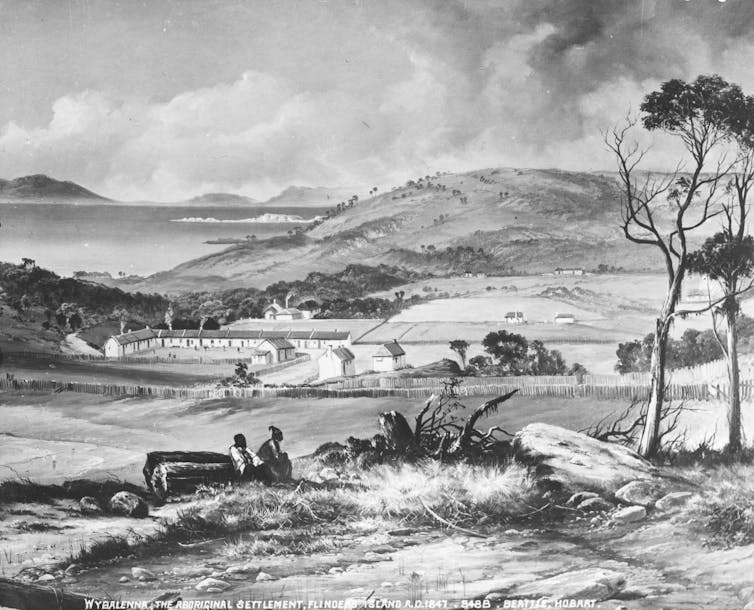
Wybalenna, Flinders Island: the Aboriginal settlement 1847.
Courtesy of Libraries Tasmania

Cassandra Pybus, University of Tasmania

Review: Fatal Contact: How Epidemics Nearly Wiped Out Australia’s First Peoples by Peter Dowling (Monash University Publishing)

Aboriginal and Torres Strait Islander readers are advised this article contains images and names of deceased people.


As Peter Dowling reminds us in his introduction to this book, violence on the colonial frontier accounted for many thousands of deaths among the First Peoples — a truth unremembered in a process of historical amnesia labelled the “great Australian silence” by anthropologist W. E. H. Stanner.

Australia’s sense of its past in collective memory, Stanner said in his famous 1968 Boyer lectures, was:

a view from a window which has been carefully placed to exclude a whole quadrant of the landscape […] a cult of forgetfulness practised on a national scale.

A great deal has shifted in our understanding of the past since Stanner shocked the historical profession into a halting engagement with the truth of Australia’s settlement.

Yet, as historian Billy Griffiths pointed out in the anthology Fire, Flood and Plague, a key part of the “great Australian silence” has been our continued willingness to see pandemic disease that eliminated the great majority of the First People as “inevitable and apolitical”.


Read more:
Friday essay: the ‘great Australian silence’ 50 years on


In the face of the current pandemic, playing out on a global stage, Griffiths writes, we can observe that “it is not only about microbes; it is also about culture, politics and history”. The radically different consequences of this pandemic as experienced by different peoples has shown us we cannot blithely assume spread of disease is without responsibility.

This is what Dowling would have us understand in his timely and meticulous account of “the greatest human tragedy in the long history of Australia”. He examines the recurring outbreaks of fatal epidemics of smallpox, measles, syphilis, influenza and tuberculosis (TB), which “nearly wiped out Australia’s First Peoples”.

Catastrophic impact

At the time of colonisation, these diseases were so endemic in Britain that a high degree of immunity existed in the population, as well as medical strategies to control epidemic spread. But in the virgin-soil communities of Australia’s First Peoples, everyone was susceptible, with no-one spared. So there was no-one to provide basic needs for the sick.

The impact was catastrophic, as illustrated in the multiple accounts of the smallpox outbreak at Sydney Cove in 1789. This is widely known about now, but a wave of epidemics, including smallpox, continued to decimate the First Peoples well into the 20th century.

West view of Sydney Cove taken from the Rocks, at the rear of the General Hospital, 1789.
Courtesy of Mitchell Library, State Library of New South Wales.

Alongside smallpox, syphilis also reached epidemic proportions in the Sydney region in the first few decades of settlement, gradually extending into every corner of the continent.

The scourge of syphilis was apparent in the early colony in Tasmania and a major contributor, along with influenza, to the rapid mortality that had all but eliminated the peoples of the south-eastern quadrant of the island by 1830.

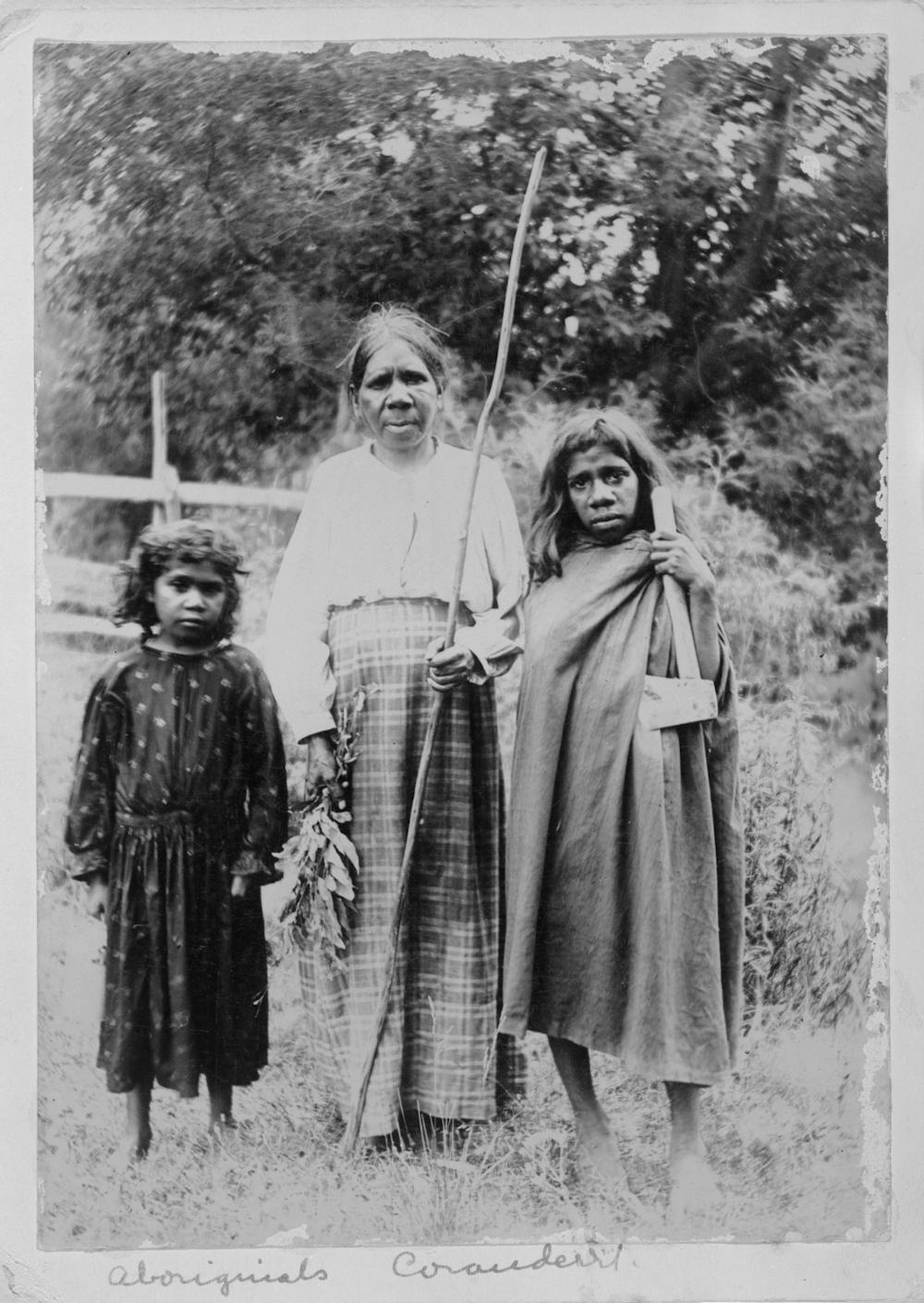
Women and children at Corranderk in Victoria.
Courtesy of State Library of Victoria.

It was in Victoria where the magnitude of the disease was most apparent. In 1839, a cohort of Aboriginal Protectors were appointed to various districts across Victoria. They all reported overwhelming syphilis infection, accounting for as many as “nine out of ten” of the many sick and dying.

One reported of the First People in his district “the most extensive ravages […] will render them extinct within a few years”.

Another despairingly complained “no medicine has been placed at my disposal”.

Worst in camps

Epidemics reached into isolated First People’s communities well out of sight of authorities — the Spanish Flu of 1918 managed to spread its deadly tentacles into communities of the Western Desert. However, outbreaks were much more likely in the government-supervised camps, reserves, missions and stations, where dispossessed First Peoples were forcibly relocated.

Uniformly, these places of concentration had overcrowded and inadequate housing, low nutritional diets and bad water supply, combined with individual distress and depression — conditions favourable to the incubation and spread of diseases.

The First People’s high susceptibility to disease, Dowling argues, was probably a consequence of chronic untreated TB among those forced into camps and settlements.

He examines the settlement on Flinders Island in Tasmania between 1832 and 1847, which became infamous for its horrendous death rate, mythologised by the colonists who had expelled these people simply due to their “pining away”.

The records examined by Dowling show these people actually died of either TB itself or an associated respiratory illness worsened by TB’s immunosuppressant effects.

TB was also known to have been an efficient killer in the Victorian settlements at Lake Hindmarsh and Coranderrk: the attributed cause of more than 30% of recorded deaths in those places between 1876 and 1900. At these same settlements, a measles epidemic in 1874-5 killed 20% of people.

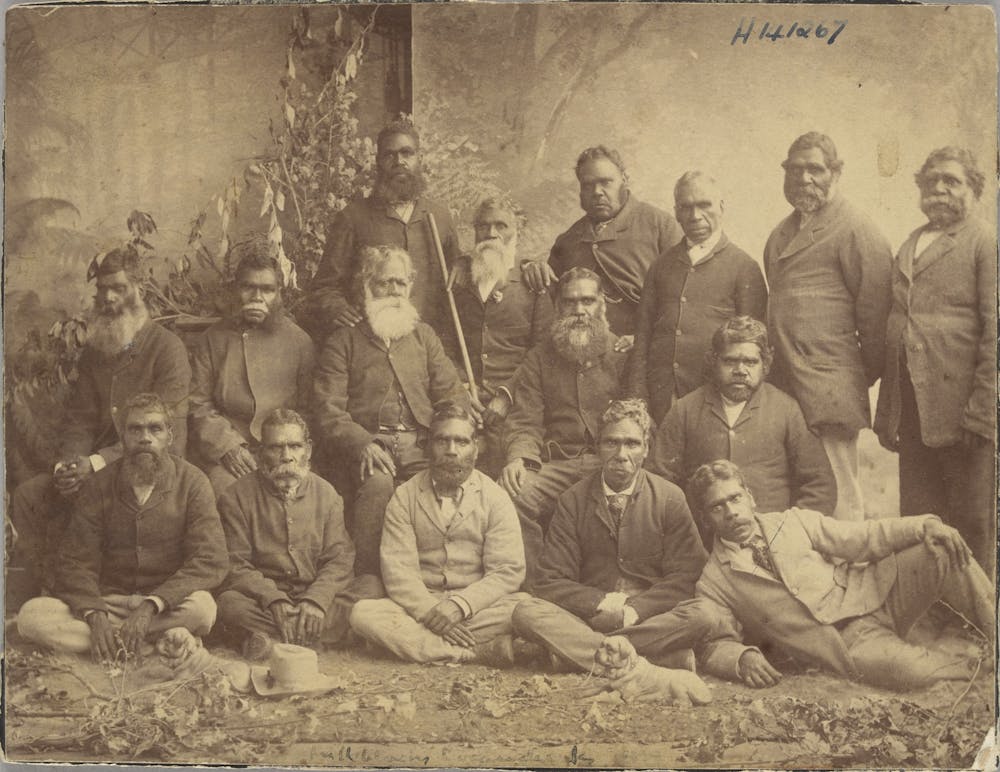
A group of Aboriginal men at Coranderrk Station, Healesville.
Courtesy of State Library of Victoria

It is no coincidence this was the same story as at the notorious concentration camps for dispossessed Boers the British created in South Africa at the end of the 19th century, where various epidemic diseases were allowed to rage.


Read more:
The COVID-19 crisis in western NSW Aboriginal communities is a nightmare realised


As I write, I am acutely aware most communities of First Peoples have the lowest vaccination rates in the nation — even though the government has assured us repeatedly vaccination for these most vulnerable communities was their highest priority.

In despair, I repeat the mantra: the past is not even past.The Conversation

Cassandra Pybus, Adjunct Professor in History, University of Tasmania

This article is republished from The Conversation under a Creative Commons license. Read the original article.

Unknown's avatar

Freud, Nietzsche, Paglia, Fanon: our expert guide to the books of The White Lotus


Mario Perez/HBO

Jane Howard, The Conversation

Freud and Nietzsche may not be what you have in mind when thinking of pool-side reads, but they are among the books flipped through in The White Lotus — the tense, new TV drama about the lives of the rich and privileged as they overlap at a Hawaiian resort.

Are Paula and Olivia truly delving into the mind of the anti-colonial thinker Frantz Fanon, or indeed, into Camille Paglia’s deconstruction of the Western literary canon? Or are they just books for show: an intellectual performance to hide secret glances and gossip?

Either way, frequent book covers speak loudly in the show. So here, then, is what the experts think you should know about these props and the stories they tell.

Maybe you will find one to pick up the next time you fly off for your island holiday. Just try to avoid the White Lotus resort.

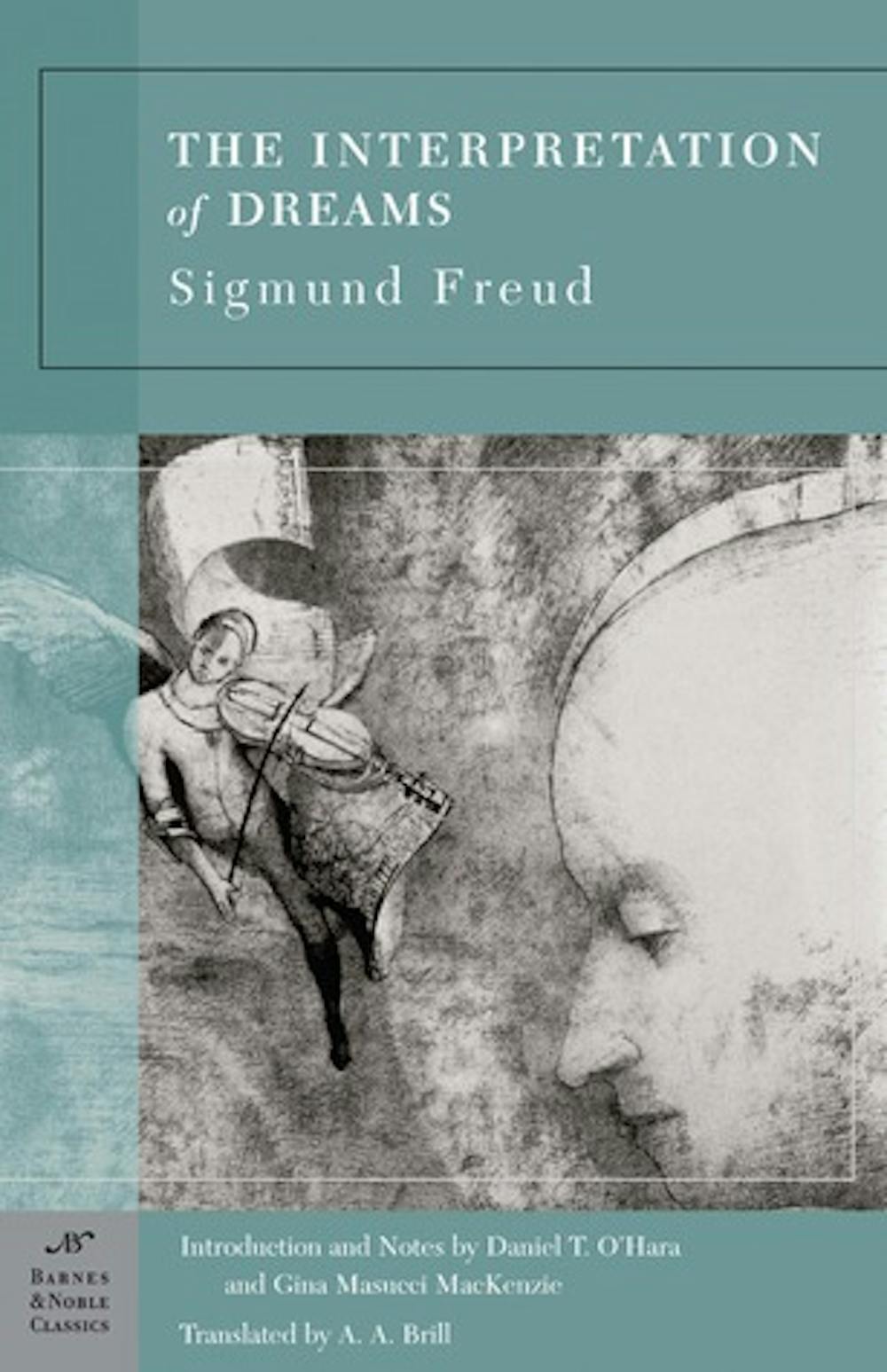
The Interpretation of Dreams, by Sigmund Freud

“If I cannot bend the heavens above, I will move Hell.” Sigmund Freud quotes the poet Virgil to describe his aim in this book of explaining the meaning of dreams — by recourse to his theory of the unconscious mind.

The Interpretation of Dreams

Freud always considered Interpretation of Dreams his masterpiece, and ensured it would be published in 1900 to mark its significance.

Dreams had traditionally been viewed as either senseless or vehicles of communication with the divine. Freud instead contended all dreams involve the fulfilment of a wish.

In adults, he wrote, many of the wishes we have are of such an “edgy” nature their fulfilment would wake us up if staged too directly.

So, in order to at once fulfil these unconscious wishes and stay asleep, the “dream work” of the sleeping mind distorts the wish, using mechanisms of displacement (making insignificant things seem important, and the other way around), condensation (bringing together multiple ideas in single images), and transforming words into the seemingly random images.

Packed with striking dream analyses, and containing perhaps the best systematic statement of Freud’s theory of the mind, this book is an influential classic.

—Matthew Sharpe, Associate Professor in Philosophy


Read more:
Unravelling the mysteries of sleep: how the brain ‘sees’ dreams


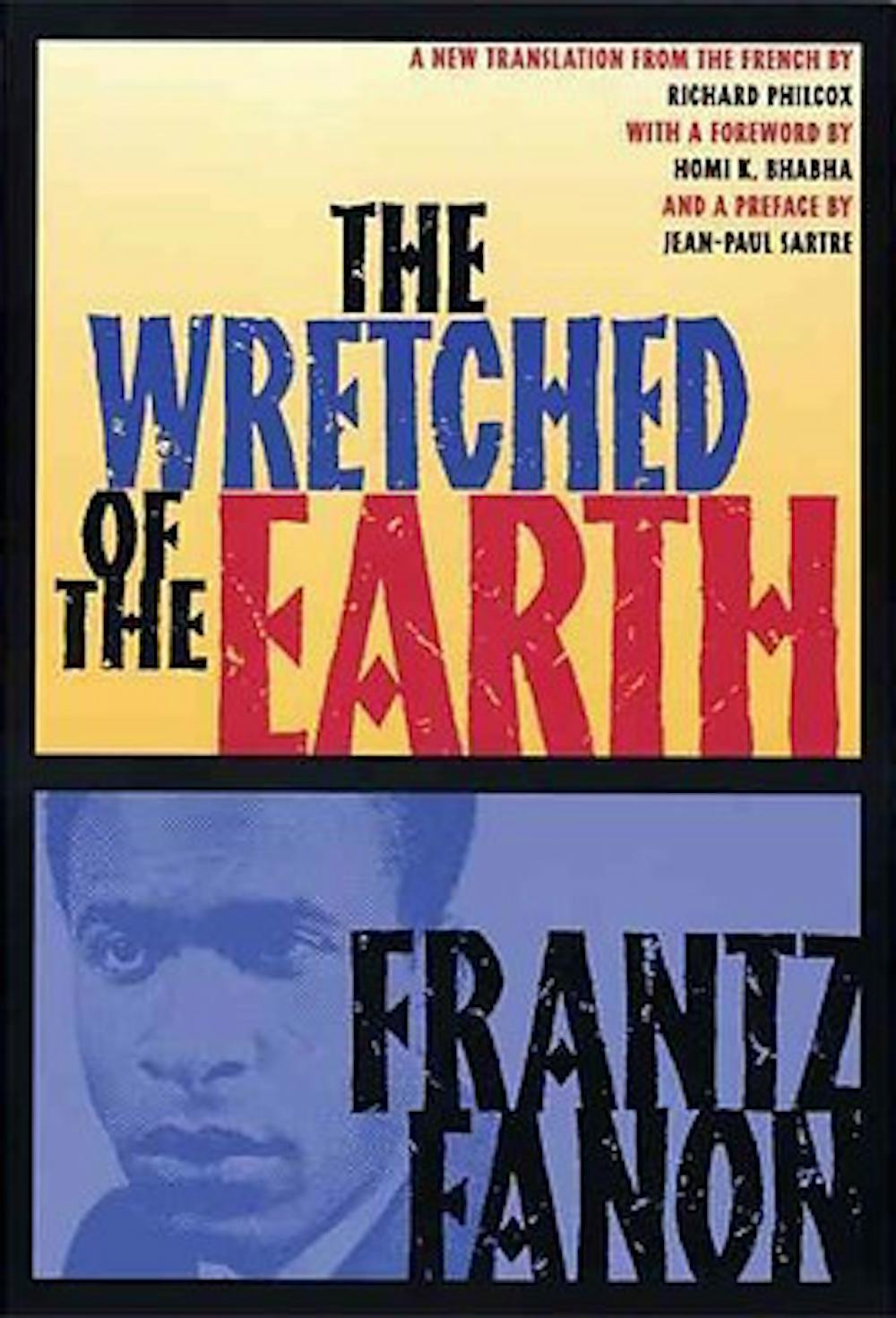
The Wretched of the Earth, by Frantz Fanon

Psychiatrist and anti-colonial thinker Frantz Fanon was born in 1925 in the French colony of Martinique. After the second world war, he studied in France. Later, in 1953, he moved to Algeria, joining the Algerian National Liberation Front.

The Wretched of the Earth

The Wretched of the Earth (originally published as Les damnés de la terre in 1961) was written at the height of the Algerian War of Independence. Based on Fanon’s first-hand experience of working in colonial Algeria, it is a classic text of postcolonial studies, examining the physical and psychological violence colonised people experience.

Fanon’s book is a lucid and damning account of the impact of colonialism: the ways it irrevocably changes people, their societies and their culture.

A passionate call to resist colonisation and oppression, The Wretched of the Earth was seen as dangerous by colonial powers at the time of its publication. It is still an important anti-colonial work today.

—Isabelle Hesse, Lecturer in English


Read more:
Why Fanon continues to resonate more than half a century after Algeria’s independence


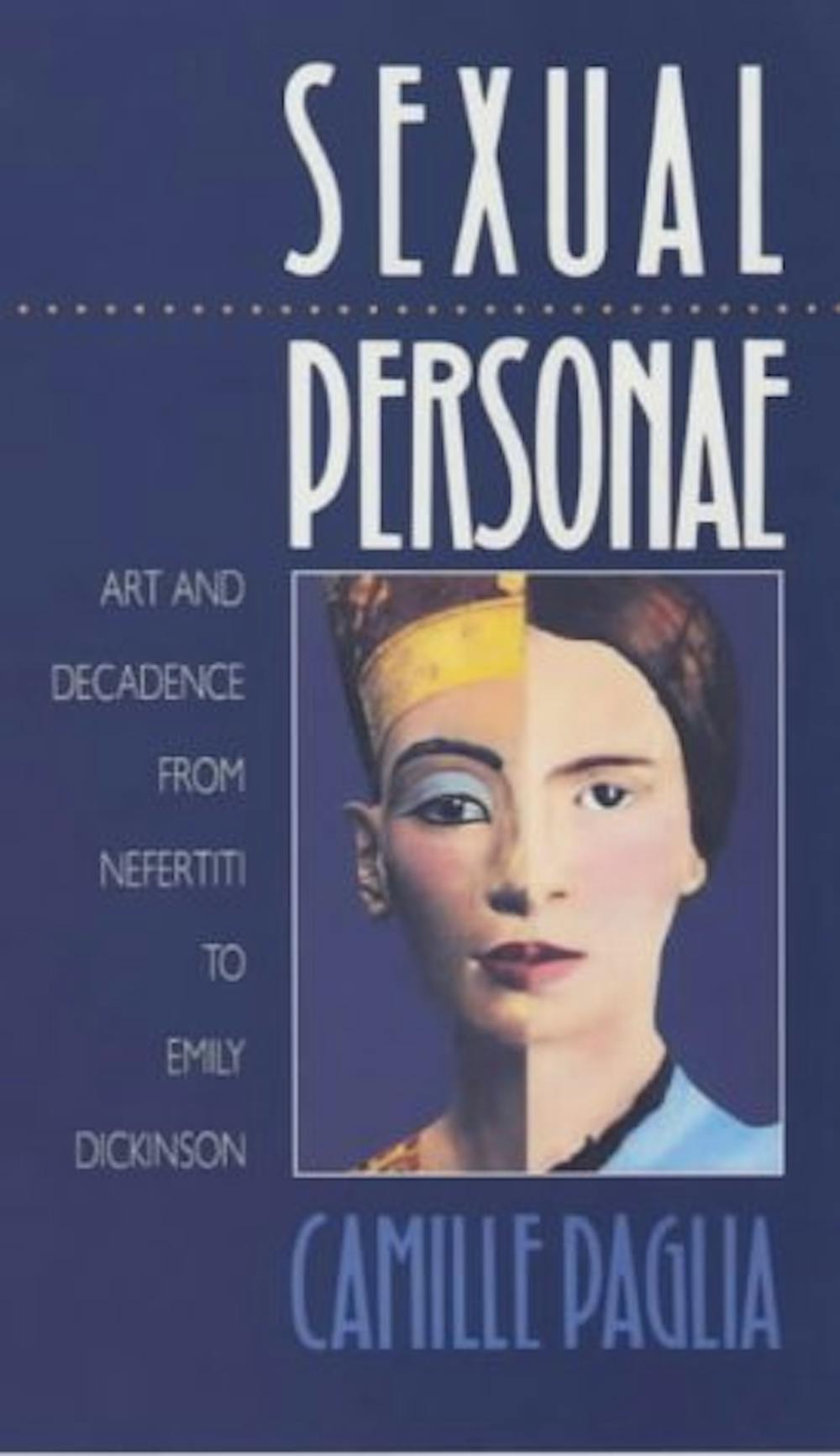
Sexual Personae, by Camille Paglia

Camille Paglia’s Sexual Personae: Art and Decadence from Nefertiti to Emily Dickinson (1990) is a provocative survey of Western canonical art and culture.

Sexual Personae book cover

On its publication, Sexual Personae was considered iconoclastic, groundbreaking and subversive for, as Paglia wrote, its focus on “amorality, aggression, sadism, voyeurism and pornography in great art”.

The book was both lauded for its insights into sex, violence and power; and labelled anti-feminist and sinister in its views about gender and sexuality.

Sexual Personae discusses the decadence and enduring influence of paganism in Western culture. Paglia connects sexual freedom to sadomasochism and argues that our self-destructive and lustful Dionysian impulses are in tension with our Apollonian instincts for order.

Named after Ingmar Bergman’s Persona (1966), Paglia’s book charts recurrent types in the Western imagination, such as the “beautiful boy”, the “femme fatale” and the “female vampire”. Through these personae, she discusses works such as the Mona Lisa, Wuthering Heights and The Picture of Dorian Gray. Particularly famous is the chapter on Emily Dickinson and Paglia’s analysis of the brutal and sadistic metaphors in Dickinson’s poetry.

Paglia’s Sexual Personae is both electrifying and divisive; still one of the most important texts in 1990s sexual politics.

—Cassandra Atherton, Professor of Writing and Literature

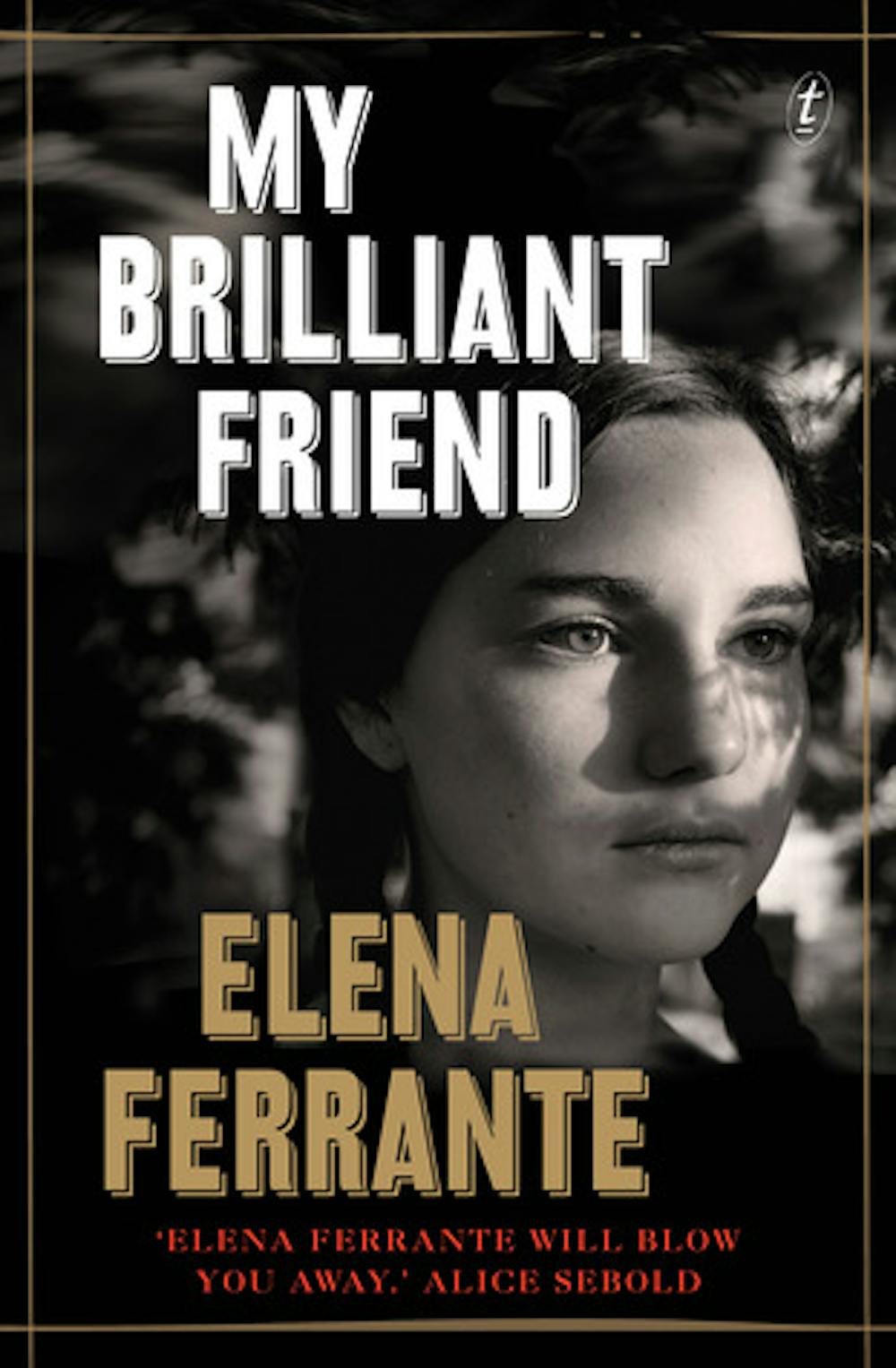
My Brilliant Friend, by Elena Ferrante

Elena Ferrante’s My Brilliant Friend (2011), the first volume of her Neapolitan Series, is a feminist coming-of-age story that begins with a mystery.

My Brilliant Friend cover

In the first few pages, a distinguished writer, Elena (known as Lenù), learns an old friend, Raffaella (or Lila), has disappeared without a trace. Lila’s disappearance prompts Lenù to begin writing the story of her life, focusing particularly on the pair’s complicated friendship.

Focusing on their childhood in 1950s Naples, she writes unsentimentally of poverty, violence, familial conflicts and organised crime.

The novel is densely plotted and written with unsparing accuracy about the characters of Naples, but Lenù’s candid narration makes for an utterly engrossing reading experience. In plain, fast-paced prose she describes a grim childhood full of misogyny and domestic violence, but enlivened by her friendship with Lila.

Ferrante gives us a moving portrait of friendship. Over the course of the novel, both girls begin to see glimpses of how they might move beyond the limitations of the world they have inherited.

—Lucas Thompson, Lecturer in English


Read more:
Elena Ferrante: a vanishing author and the question of posthuman identity


The Portable Nietzsche, edited and translated by Walter Kaufmann

For Nietzsche, to write philosophy was to render one’s experience into life-affirming art — even if that art rocked the very foundations of culture itself.

The Portable Nietzsche cover

Walter Kaufmann’s translations in The Portable Nietzsche (1954) showcase much of the power and beauty of one of the finest minds in Western culture.

Here is Nietzsche’s devastating psychological portrait of St Paul; here is the infamous announcement of the death of God. They sit together with his complex notion of cheerfulness practised in the face of the terrifying collapse of certainties.

Despite his reputation in some quarters as a malevolent destroyer, Nietzsche’s actual aim of avoiding nihilism is well-captured here.

His cavorting and richly subversive “fifth gospel”, Thus Spoke Zarathustra, is reproduced in full, as is Twilight of the Idols, one of his last works and a fine condensation of his mature project.

Kaufmann’s translations are now dated and his selection of Nietzsche’s works is occasionally eccentric, but The Portable Nietzsche goes an admirable way to presenting Nietzsche’s many aspects: the shy recluse, the loather of anti-Semites, the brilliant transfigurer of pain into texts of depth and beauty, and the lover of life, come what may.

—Jamie Parr, Lecturer in Philosophy


Read more:
Explainer: Nietzsche, nihilism and reasons to be cheerful


Blink, by Malcolm Gladwell

Malcolm Galdwell’s Blink (2005) opens with an anecdote about a kouros: an ancient Greek statue bought by the Getty Museum in 1985 for just under $10 million. Despite months of due diligence to check the authenticity of the statue, the Getty was duped – the statue had been made in the 1980s.

Blink cover

The discovery of the fake was attributed to an art historian who, according to Gladwell, knew as soon as he clapped eyes on it that it was not the real deal.

This instant of recognition (a “blink”) is what Gladwell describes as the “power of thinking without thinking”. Gladwell argues going with your gut can often lead to far superior decisions than thinking things over.

Blink is an entertaining collection of anecdotes, from art-historians to “marriage-whisperers” who can tell if a relationship is going to last from watching split-second videos of partners interacting. But, as the saying goes, the plural of anecdote is not data.

—Ben Newell, Professor of Cognitive Psychology

None of these strike your fancy? The characters also pick up Judith Butler, Aimé Césaire and Jacques Lacan — just more light reads on feminism, colonialism and psychoanalysis.

White Lotus is now streaming on Binge.The Conversation

Jane Howard, Deputy Section Editor: Arts + Culture, The Conversation

This article is republished from The Conversation under a Creative Commons license. Read the original article.