
The link below is to an article that takes a look at the 2018 Davitt Awards.
For more visit:
https://blog.booktopia.com.au/2018/08/14/davitt-awards-2018/

The link below is to an article that takes a look at the 2018 Davitt Awards.
For more visit:
https://blog.booktopia.com.au/2018/08/14/davitt-awards-2018/
The link below is to an article that looks at the 2018 Inky Award Shortlist.
For more visit:
The link below is to an article that takes a look at the Ned Kelly Awards shortlist for 2018.
For more visit:
https://blog.booktopia.com.au/2018/07/31/ned-kelly-shortlists/
The link below is to an article that takes a look at the Ned Kelly Awards longlist.
For more visit:
https://blog.booktopia.com.au/2018/07/06/ned-kelly-awards-2018-longlists-announced/

Stephen Knight, University of Melbourne
Most countries produce crime fiction, but the versions vary according to national self-concepts. America admires the assertive private eye, both Dashiell Hammett’s late 1920s Sam Spade and the nearly as tough modern feminists, such as Sara Paretsky. Britain prefers calm mystery-solvers, amateurs like Hercule Poirot or Lord Peter Wimsey or sensitive police like Ian Rankin’s Edinburgh-based John Rebus. The French seem to favour semi-professionals who are distinctly dissenting – in 1943 Léo Malet’s Nestor Burma stood up to Nazi occupiers nearly as overtly as to Paris criminals.
Australia’s rich and varied tradition of crime fiction and detectives, though little-known and more rarely described, reveals a range of national myths, fantasies, and even elements of truth-telling about a country whose origin lay in convictions for crime.
The first Australian crime novel appeared in 1818, but production has been uneven. Most mysteries have been published here in the period since 1980, with substantial local publicity and reviewing. Before then, locally-written and Australia-set mysteries usually arrived from England, asserting colonial authority, and then banning American publishers through an “International Market Agreement”.
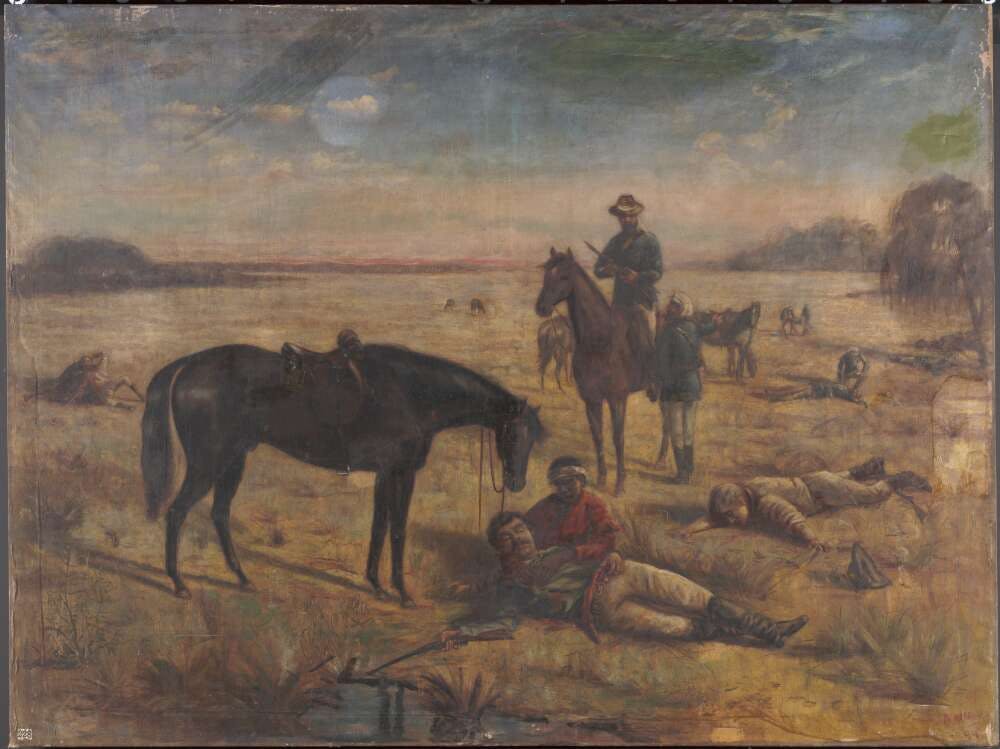
Writers sent manuscripts off to London, and a hundred or so hardbacks would arrive for local libraries, with almost no publicity and little impetus to develop the form here. But things changed with an American challenge to the “Agreement” in 1976 and the waning influence of Britain in general. In 1980 Peter Corris’s The Dying Trade began a flow of local productions – some from English firms now based here, like Allen and Unwin, who produced Jennifer Rowe with their Tolkien earnings.
Back at the start, transportation was a natural subject: in the first book of all, Thomas Wells’ Michael Howe, The Last and Worst of the Tasmanian Bushrangers (1818), Howe is a real escaped convict turned bushranger, with fictionally exaggerated adventures. Another theme was the wrongfully-convicted man like Quintus Servinton (1831) by Henry Savery.
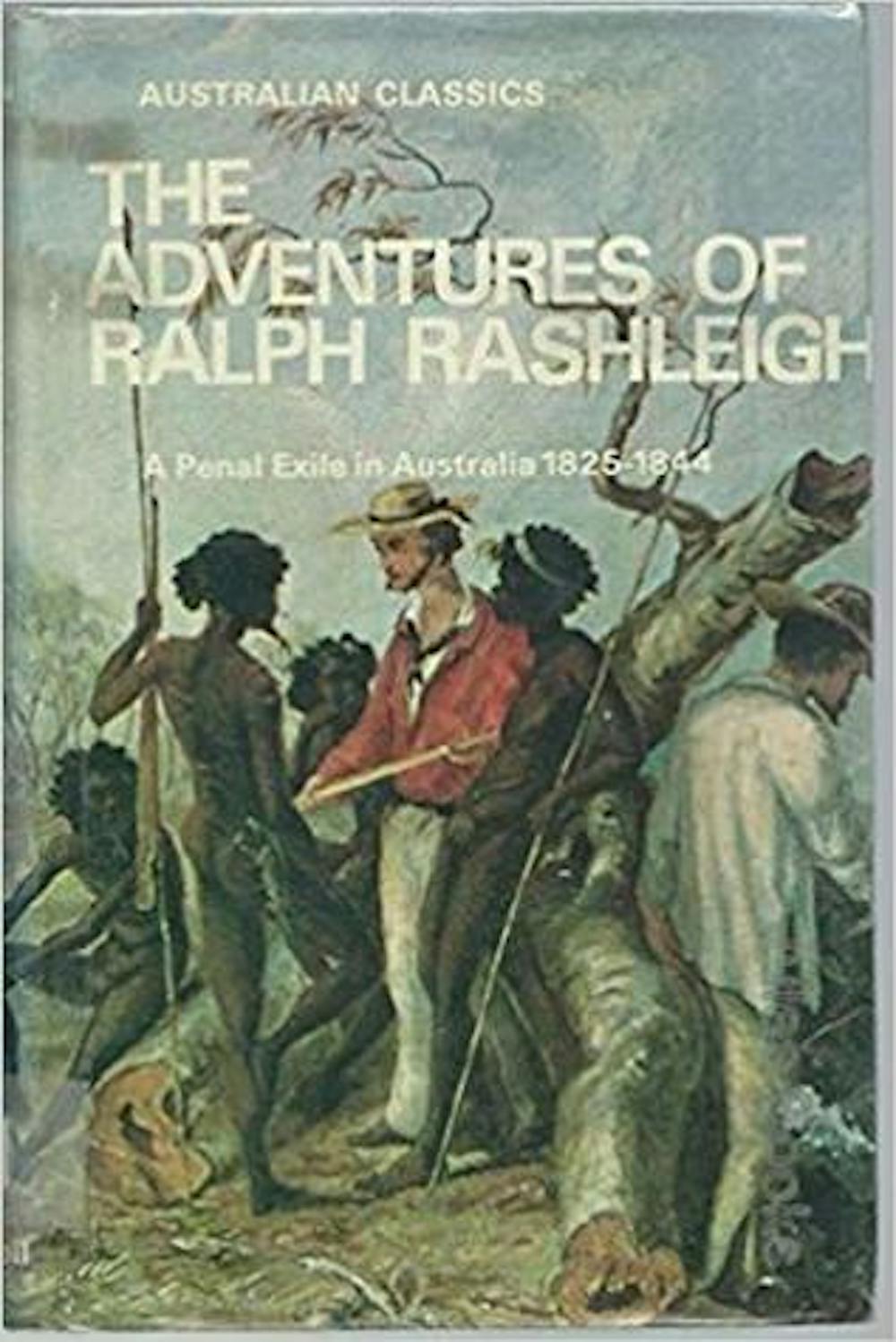
The strongest convict novel is The Adventures of Ralph Rashleigh: he experiences harsh imprisonment, then escapes to live with bushrangers, and then mostly genial Indigenes: written in 1845, probably by ex-convict James Tucker, the novel was not published for over 80 years.
Criminal threats to free settlers were central to Tales of the Colonies (1843) by Charles Rowcroft: an immigrant Tasmanian family encounters the exciting land and its fauna but also bushrangers and the historical and rather noble Indigenous leader Musquito.
In Alexander Harris’s The Emigrant Family (1849) English incomers meet a vigorous native-born family as well as a range of trouble-makers. The settler thriller moved up to squatter level in Henry Kingsley’s rambling The Recollections of Geoffry Hamlyn (1859), which offers “every known cliché of Australian life” according to Arcady in Australia: The Evocation of Australia in 19th Century English Literature, an excellent critical book by Coral Lansbury – mother of Malcolm Turnbull.
Crime fiction illuminated the 1850s goldfields experience, mostly through short stories in the Australian Journal featuring police detectives known as “mounted troopers”, who controlled theft and crime of all kinds: they and the miners generated an early form of mateship.
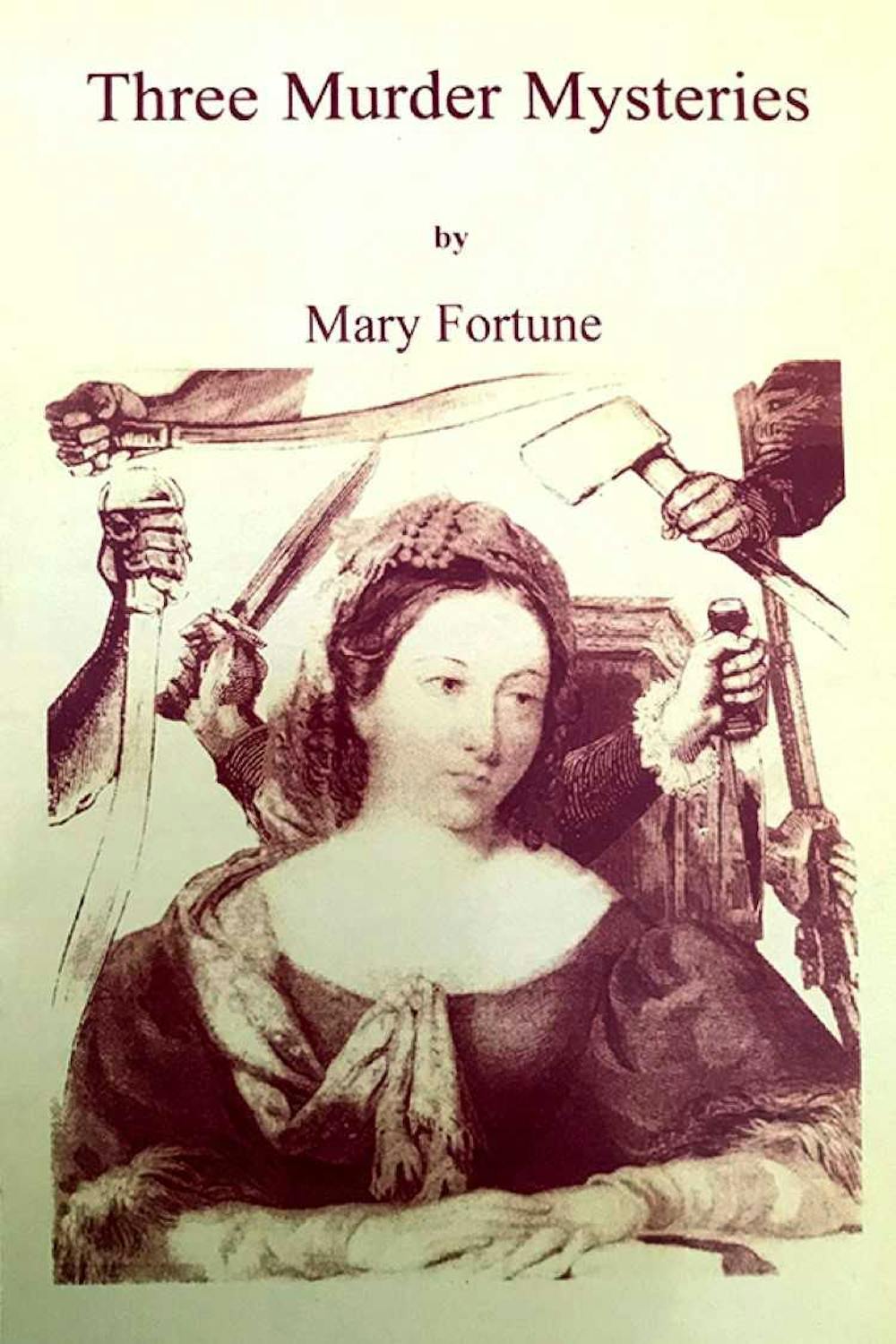
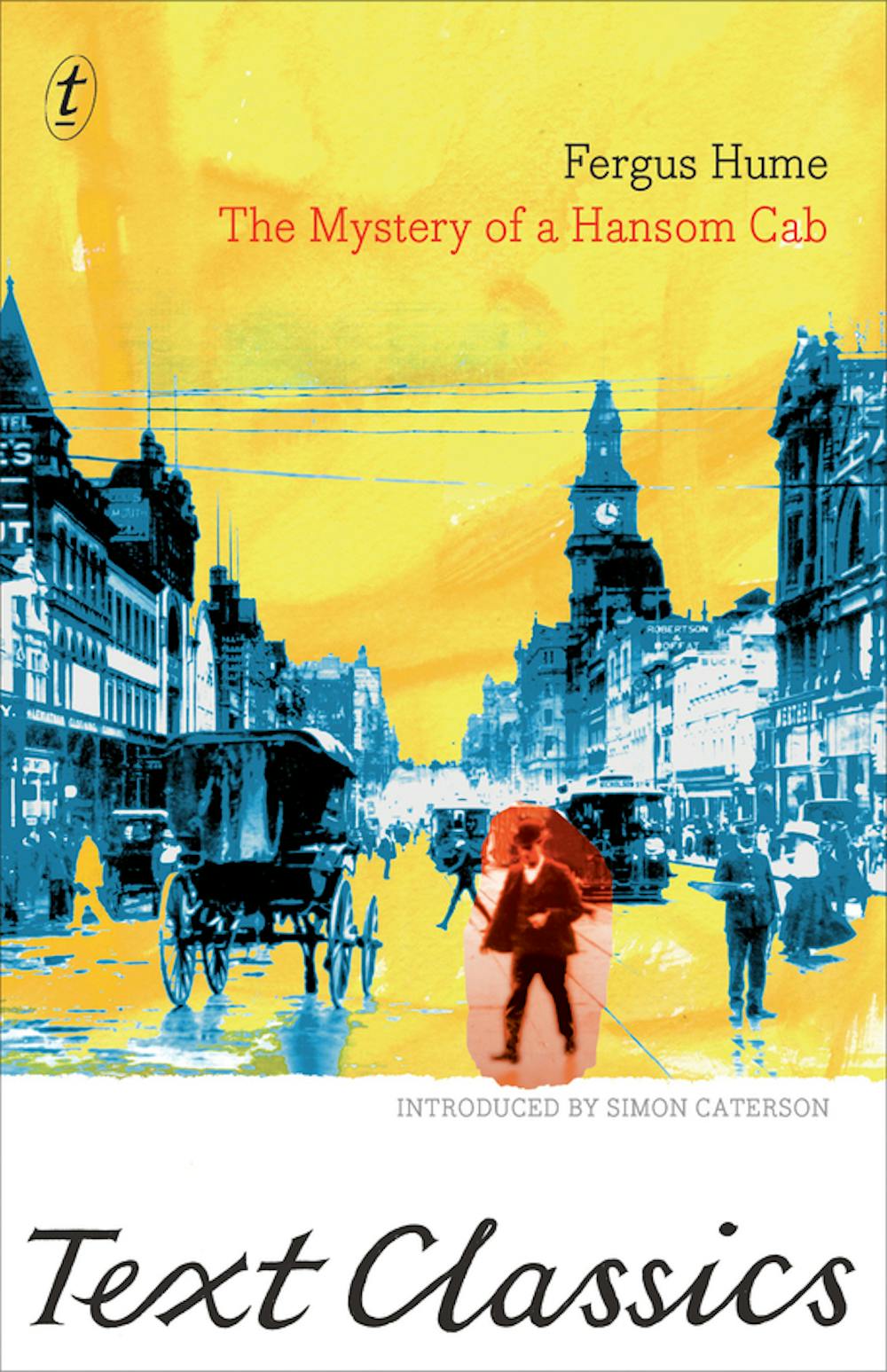
The most prolific author was Mary Fortune who, Lucy Sussex’s research has shown, wrote hundreds of crime stories to the end of the century, and has begun to be re-published. The new gold-rich urban Australia was explored, especially when Donald Cameron produced the intriguing, and almost totally forgotten, The Mysteries of Melbourne Life (1873), followed by Fergus Hume’s highly readable The Mystery of a Hansom Cab (1886): Melbourne-set and published, it then became in London the first best-seller in world crime fiction.
There had been retrospective fictions that essentially criticised the harsh convict colony and ennobled the transportees. The Broad Arrow (1859) by “Oliné Keese” (English visitor Caroline Leakey) is about a brave, true woman convict; His Natural Life by England-born Marcus Clarke offers a long, well-researched story of a maltreated, wrongly-convicted man, appearing first as a serial in the Australian Journal.
In that version he finally escapes from Norfolk Island, becomes a successful goldfields shopkeeper, and eventually returns wealthy to his much-diminished English family. But when it became a book Clarke was persuaded to drop the optimistic “Aussie-success” ending for popular novel melodrama: the escaping hero drowns tragically, and the title becomes the unironic For the Term of His Natural Life.
A more romantic and now fully Australian account of past crime and redemption was the very popular Robbery Under Arms (1881-2) by “Rolf Boldrewood”. The bushranger-turned-convict is no Anglo hero but a tough native Australian: he and his patient girlfriend end up as successful rural property-owners. So crime fiction developed a positive patriotic approach which would soon mesh with the bush myth asserted by popular writers like Lawson and Paterson – also fictional, as the cities grew.
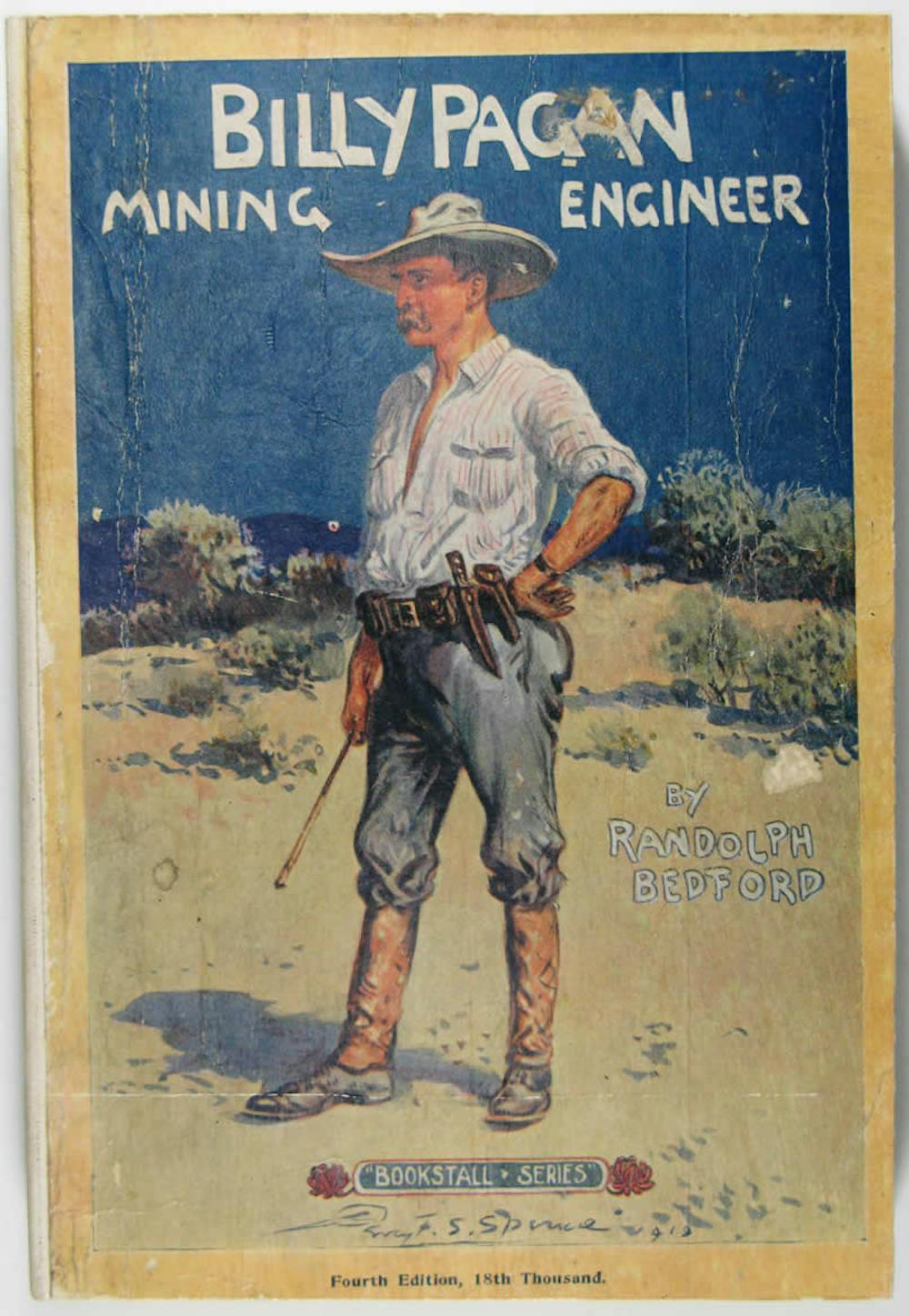
In the late 19th century there were predictable urban mysteries and better rural dramas by writers like Rosa Praed and Mary Gaunt, as well as the distinctly Australian sporting thriller, notably those set at the races by Nat Gould, and also bold roving amateur detectors such as Randolph Bedford’s Billy Pagan, Mining Engineer (1911).
But national mythic features could also be negative: notably absent have been police – while they were familiar overseas, here the memory of transportation limited them to Fortune’s people-friendly troopers, well-separated from convictism.
Equally lacking was any serious treatment of Indigenous people: they only appeared as lurking threats or helpful trackers, except in Arthur Vogan’s The Black Police (1890) in which an England-born New Zealander, who had taken a job in outback Queensland, told a bleak story about the racism he found there.
Read more:
Friday essay: the complex, contradictory pleasures of pulp fiction
Between the wars, London publishers continued their dominance and there appeared two striking responses from local crime writers. Their novels can have “zero-setting”: though occurring in Australia they offer almost no local detail at all. Or they can be the opposite, “touristic” crime fiction, all bush and kangaroos, with the villain often consumed by the land itself in fire or flood.
The success of Arthur Upfield’s long series of “Bony” mysteries was not primarily based on his intelligent half-Indigenous detective but, including for overseas readers, came from the many grand outback landscapes that are so well described, to which Bony relates so strongly.
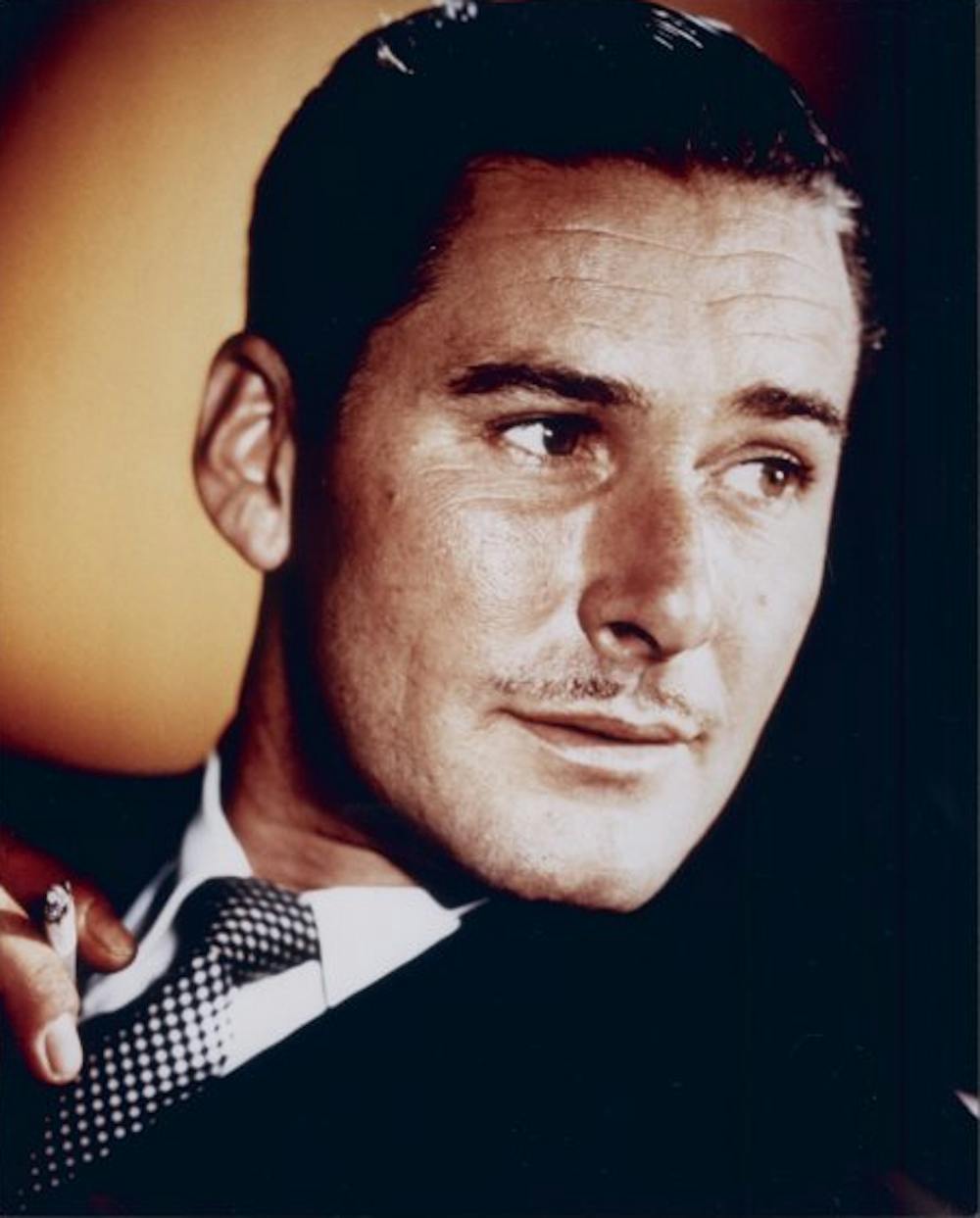
At the same time, interest developed in the formerly minor “crime novel”, the name for a story without detection and tending to sympathise with the criminal – an Adelaide-set series came from Arthur Gask. Classical mysteries were often set in the northern islands, as by Beatrice Grimshaw and Paul Maguire and, amazingly, the Hollywood actor and Tasmanian journalist, Errol Flynn, whose Showdown (1946) is a very capable thriller.
In the 1930s Jean Spender, adopting the English style, deployed an under-heroic police detective and she was followed post-war by other successful women. June Wright’s restrained policemen usually marry the young Melbourne lady amateur detective, but she also created a fine nun-detective, Mother Paul. Sydney-based Pat Flower, from Hell for Heather (1962) on, produced a sequence of psychothrillers as potent as those by international stars such as Patricia Highsmith or Barbara Vine (the pseudonym of Ruth Rendell).
Effective post-war male crime writers existed, such as Sidney Courtier and A. E. Martin, but they too were mostly England-published and little noticed or remembered. The American private eye had a brief presence in and after World War II, with many Americans in the country and English book imports rare: both US-based and local tough-guys thrived like those by the ultra-prolific “Carter Brown” (Alan G. Yates).
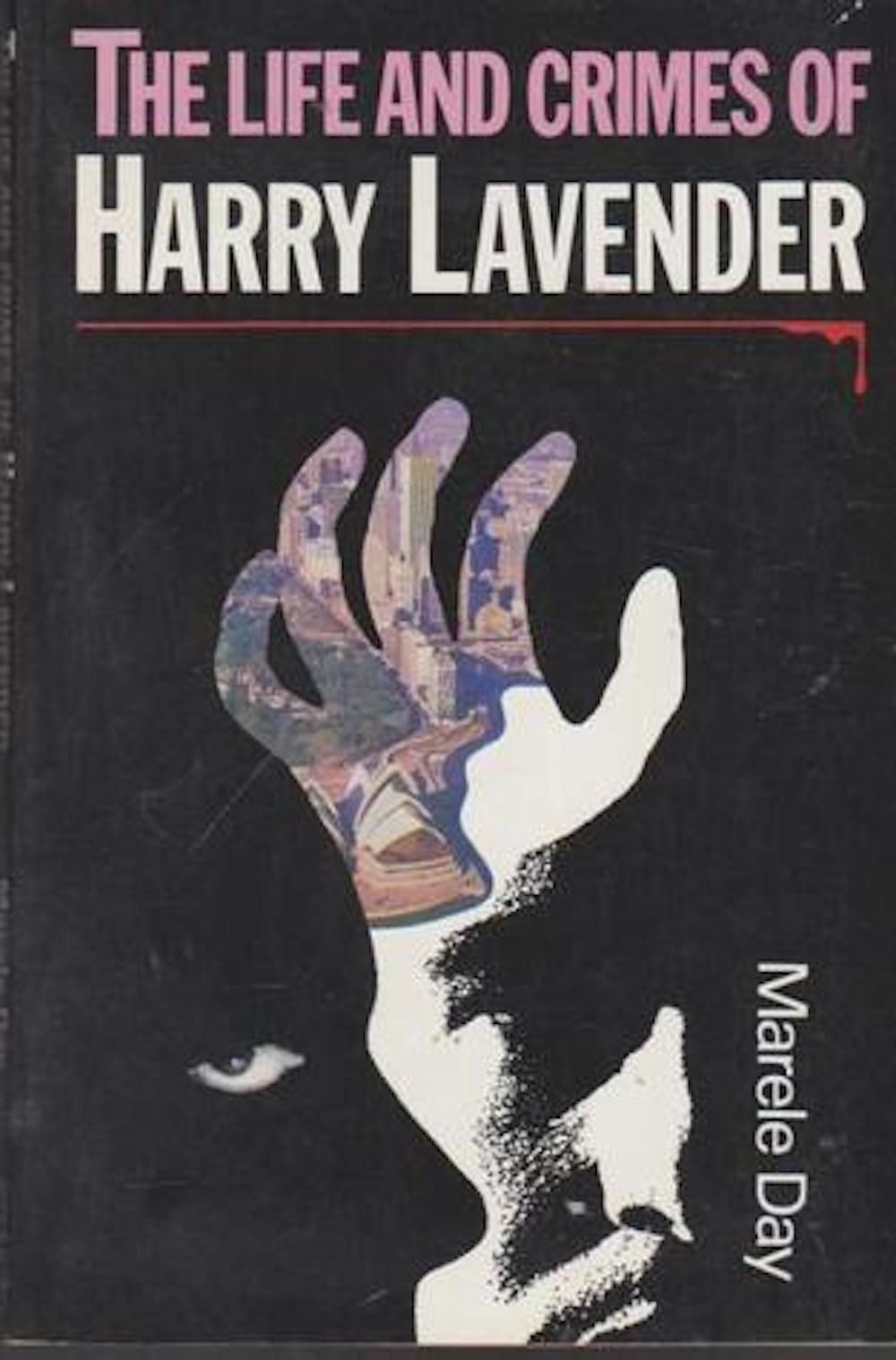
They faded, but the form would return when, feeling abandoned by Britain and looking more across the Pacific, readers were offered their own version of the American mode. The Dying Trade (1980), published in Sydney, with full local publicity, featured a truly Aussie tough guy, Cliff Hardy, and the author, Peter Corris, academic and journalist, stimulated more Sydney-based detectives, Marele Day’s elegant feminist Claudia Valentine, glamorous lesbian cop Carol Ashton by Claire McNab, and the thoughtful English-style amateur Verity “Birdie” Birdwood from publisher Jennifer Rowe. Now local readers could enjoy a wealth of their own national crime fiction, newly embodying many forms of contemporary conviction.
Melbourne soon followed with Shane Maloney’s wry amateur inquirer Murray Whelan and Peter Temple’s Chandleresque private investigator Jack Irish, so well realised on television by Guy Pearce.
The crime novel continued through Garry Disher and his genuinely tough Wyatt, while the psychothriller and other sub-genres flourished, especially from the ever-productive Gabrielle Lord. Finally, major male writers started to employ police – Disher by 1995 with Inspector Challis in The Dragon Man and Peter Temple’s very successful The Broken Shore (2005) introduced injured cop Joe Cashin.
Modern retrospection arose from Australian acceptance of the innovative mode of historical crime fiction pioneered by Umberto Eco in The Name of the Rose (1980). Melbourne led with Kerry Greenwood’s glamorous 1920s investigator Lady Phryne Fisher in Cocaine Blues (1989); later Marshall Browne offered a turn-of-the century Melbourne thriller series.
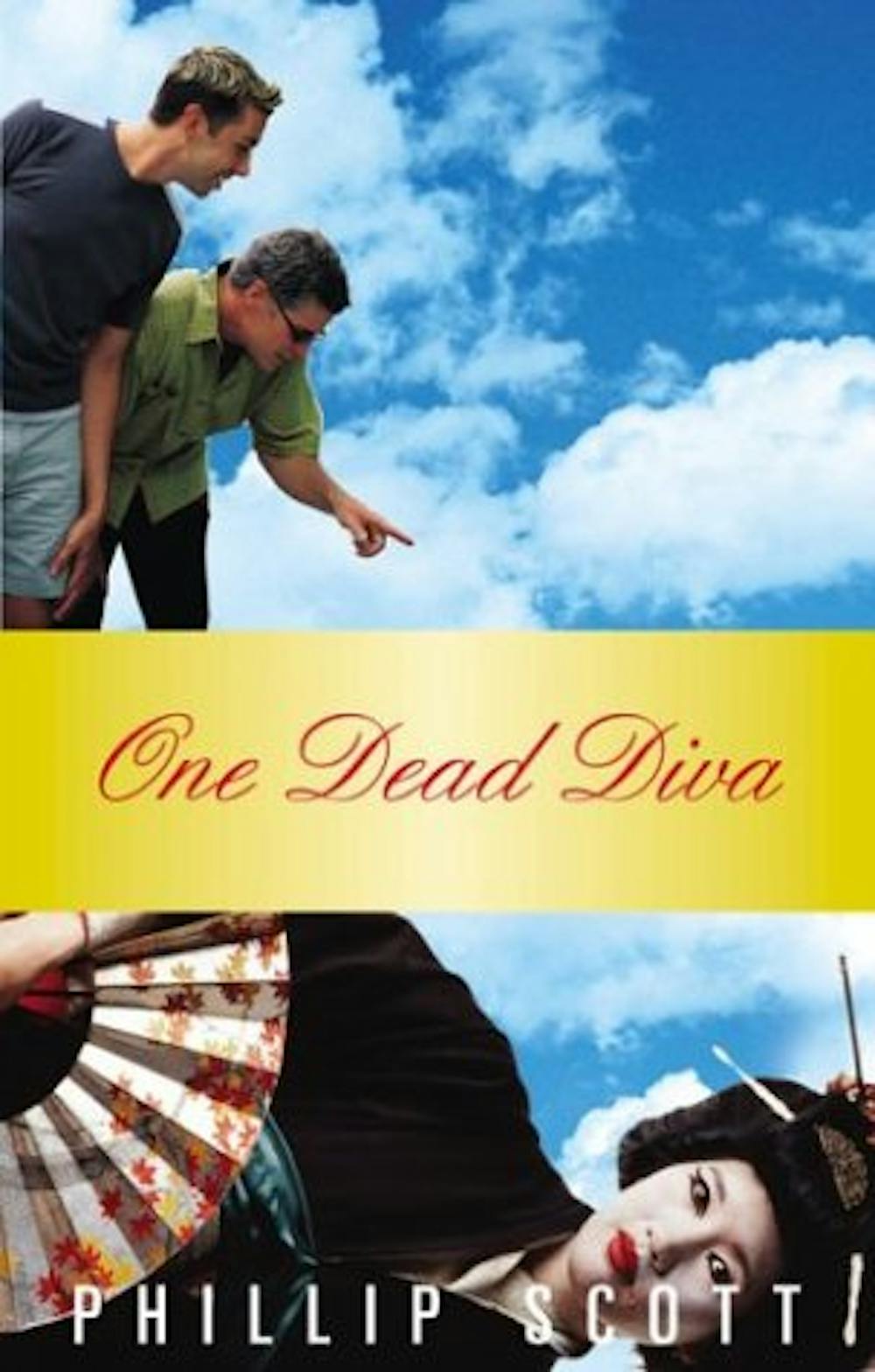
International gay crime fiction arrived: Claire McNab handled the female side forcefully, while for the men Adelaide’s notorious Duncan drowning was reworked in Roger Raftery’s The Pink Triangle (1981) and Phillip Scott’s amusing opera-related series started with One Dead Diva (1995).
Indigenous crime fiction writers also appeared. Mudrooroo Narogin produced, then as Colin Johnson, Wild Cat Falling (1965), a potent crime novel about a Perth teenager; later crime stories featured his Detective-Inspector Watson Holmes Jackamara, a figure both ironic and revealing. Archie Weller wrote a strong crime novel The Day of the Dog (1981) and tough short stories; Philip McLaren’s major novel Scream Black Murder (1995) has Indigenous police detectives, male and female, facing both public and personal challenges in Sydney’s Redfern.
Since 2000 Australian crime fiction has strengthened further, mostly with new voices. Day, Rowe and McNab all put an early end to their series and in 2017 Corris has called it a day – Cliff is smiling as the story finishes. Temple’s darkest novel, Truth, won the Miles Franklin national prize in 2010, but his recent death has saddened readers.
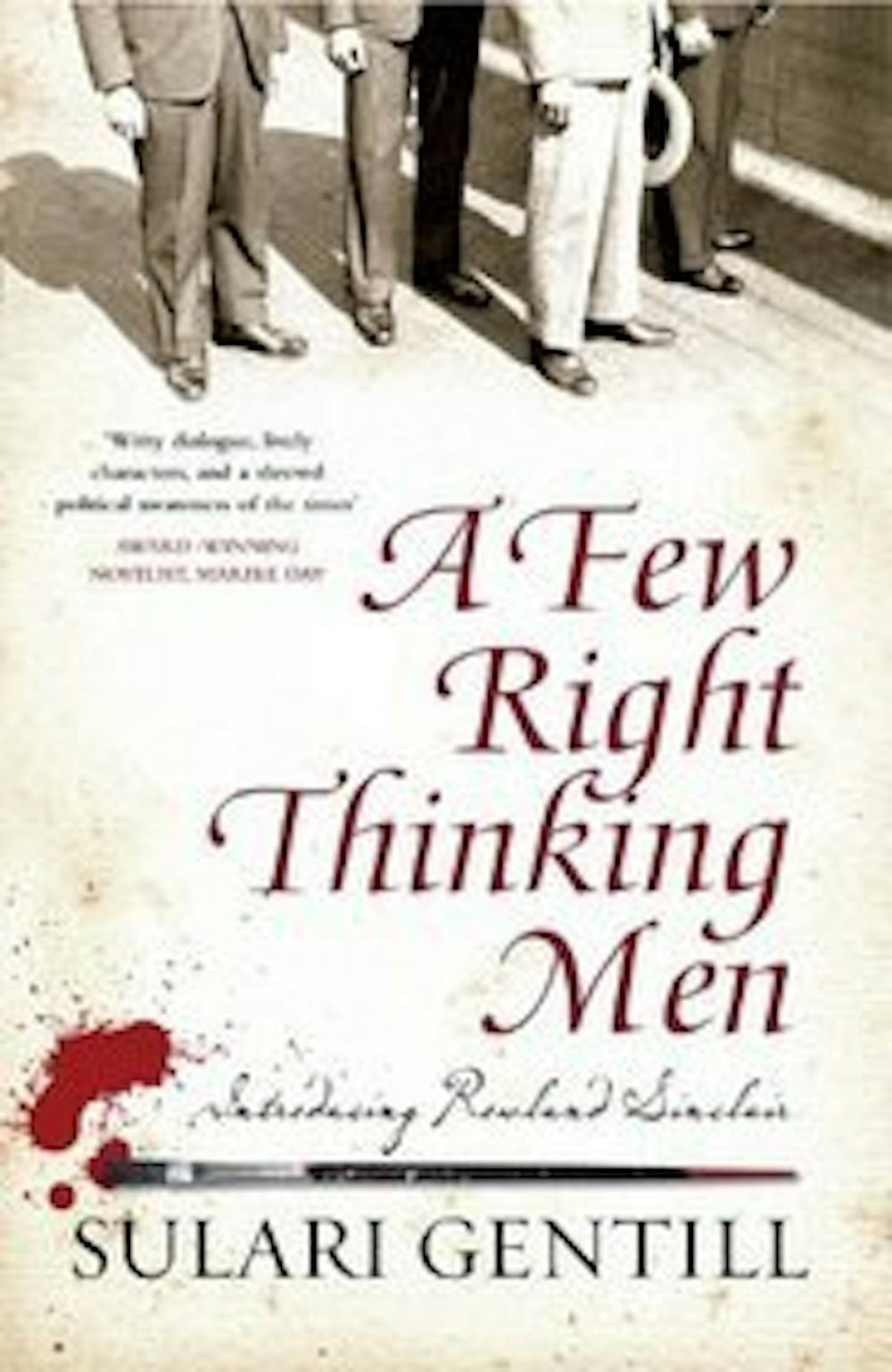
Historicism has continued. Sulari Gentill explores the politics of the 1930s in her Rowland Sinclair series, and Lady Phryne has re-appeared, but Greenwood now also turns to the “cozy” tradition with large detecting chef Corinna Chapman. Police presence has grown, with notably realistic treatments by former female officers, P.M. Newton, Karen M. Davis and Y.A. Erskine; and there are others, like Leigh Giarratano’s subtle detective Jill Jackson and Felicity Young’s Senior Sergeant Stevie Hooper, tall, brave and based in Perth, like several other modern investigators, including Alan Carter’s “Cato” Kwong, a police detective from a long-present Chinese family.
Australian women crime writers are now in a clear majority, and they also offer private eyes: Gabrielle Lord has a series about Gemma Lincoln, and Angela Savage’s well-developed Thailand-based novels feature Jayne Keeney. The psychothriller remains vigorous: journalist Caroline Overington produced the intriguing Ghost Child (2009), while Honey Brown offers deeply imaginative stories like Red Queen (2009).
The crime novel thrives among male writers — Disher’s man re-asserted his presence in Wyatt (2010) and Andrew Nette produced the both local and international Gunshine State (2016); the comic crime novel emerged in Robert G. Barrett’s series about the idiotic bogan Les Norton. Other traditions continue: Tara Moss keeps feminism alive in her Mak Vanderwall series, while Nicole Watson’s The Boundary (2011) is a powerful Brisbane-based, Indigenous-oriented narrative.
Unique features appear in Australian crime fiction, and not just the five different authors who focus their mysteries on the Melbourne Cup. More notable are Leigh Redhead’s series about Simone Kirsch, the stripper-detective, starting with Peepshow (2004), revealing in several ways, and the two fascinating poem-based mysteries by the sadly late Dorothy Porter: The Monkey’s Mask (1994) and El Dorado (2007).
Such brilliant exotics, and the richness of the tradition as a whole, show how far Australian crime fiction has come from convicts and bushrangers, without losing its continuing relationship with changing national concerns and the social and personal myths it can both test and validate.
 Stephen Knight is the author of Australian Crime Fiction: A 200-Year History
Stephen Knight, Honorary Research Professor, University of Melbourne
This article was originally published on The Conversation. Read the original article.

Maggie Nolan, Australian Catholic University
Although the 2018 Closing the Gap report on Indigenous disadvantage highlighted the importance of literacy for Indigenous Australians, progress remains slow. But, while reading is widely considered an unmitigated good and a marker of prestige, it is not a simple issue for some Indigenous Australians.
I have been investigating the politics of reading for Indigenous Australians by visiting the Murri Book Club, an Indigenous book club, in Townsville and discussing the role of books and reading in its members’ lives. As one woman told me:
No one ever read to me as a child. The only reading we ever had was church … reading at Bible studies. We had to get hit with a stick to sit still and stop moving and making noises … And so, to me, reading was restrictive, I suppose, and boring because of that part. It was never fun.
One of the concerns for members of the Murri Book Club is that books and reading are linked to the ongoing history of assimilation that, even now, presumes a divide between Indigenous oral story-telling and non-Indigenous literacy. This is why the members of the club show more ambivalence towards reading than might be expected of a typical book club.
Book clubs have been described by scholar Marilyn Poole as “one of the largest bodies of community participation in the arts in Australia”. Current research suggests that these clubs are overwhelmingly white, middle-class, middle-aged and female. Members of most mainstream book clubs are part of what Wendy Griswold has termed “the reading class”, which is small in size but immense in cultural influence.
Read more:
Three reasons why the gaps between Indigenous and non-Indigenous Australians aren’t closing
Janeese Henaway, the Indigenous Library Resources Officer at the library, started the book club in 2011 and introduced me to the group. Janeese was raised just south of Townsville in a town called Ayr. When Janeese was asked to facilitate a book club, it was suggested to her that they follow the model practised by the Brisbane-based Reconciliation Reading Group that has met monthly in the Queensland State Library for over 15 years.
But Janeese was unsure about how to proceed.
I didn’t know at that point how to run the club in a way that was culturally appropriate … I explained that we did not then want to go to a book club and have heavy discussions on Indigenous issues. The group predominantly wanted a light, entertaining and enjoyable experience. Although we’re Murris, we are also readers.
One woman told me she joined the group because she wanted to set an example for her son. While many book clubs operate within an unspoken discourse of self-improvement, it is rare for book club members to be so explicit.
For this member, reading is a cultural resource that carries significant weight. As she tells it, her son is much more interested in (Indigenous) culture and, for him, reading and culture are “two separate things”. She recalls him asking, “Why I gotta read for? I’m gonna be an Island boy, man, when I grow up. You don’t need to read”. For her son, culture is about story, not about reading.
There is a long history, particularly throughout the assimilation era, of Aboriginal and Torres Strait Islander people being actively prevented from speaking their languages. Members of the Murri book club are aware that policies of assimilation mean less access to oral stories. The imposition and authority of the written word can be seen to clash with Indigenous practices of oral story-telling. A commitment to reading can make some Indigenous people feel that they must sacrifice other cultural values that have sustained them as individuals, families and communities for millennia.
Read more:
Read, listen, understand: why non-Indigenous Australians should read First Nations writing
Members of the Murri book club experience this sacrifice as a cultural compromise. One member, an Aboriginal and Torres Strait Islander Indigenous Liaison Officer at a tertiary institution, suggested the solution is more Indigenous-authored texts that record Indigenous knowledge. But he is also aware that the focus on reading has come at a cost:
But these guys … [the others in the Murri book club] I envy them … Like the oral stories are there [for me], but they’re not in that layer that these guys have. And then because of that book, the authority of the book, when you get them old people to talk, they say, ‘Ah, that’s not true. It’s not in a book.’ Only, every now and then, they say, ‘It doesn’t all have to be in a book.’
In response to this recollection of the authority of books as a source of truth, another member responded: “But keep in mind that you were trained in that way … Print had authority over the spoken word.”
Although she loves reading, this member rarely reads the book club books. She comes along primarily for social reasons — for connecting with community. In spite of her love of books and reading, she is very conscious of the fact that books, and the authority of written language, were key tools in undermining oral traditions in her home of the Torres Strait. Indeed, the Murri book club, as a whole, are more aware than most that reading is connected to power.
 In their discussions, the Murri Book Club has taken a communal institution so often associated with white, middle-class culture and remade it as a force for decolonising contemporary cultures of reading. It challenges assumptions not only about book clubs, but also about Aboriginal and Torres Strait Islander Australians. While reading can come with significant cultural baggage for some Indigenous people, it can also be a powerful tool.
Maggie Nolan, Senior lecturer in Humanities, Australian Catholic University
This article was originally published on The Conversation. Read the original article.

Julia Horne, University of Sydney
The Donald and Myfanwy Horne Room will open today in a gracious space in the State Library of New South Wales. One side of it is adorned with objects from the home where I lived with my family, my father Donald Horne (1921-2005), author of The Lucky Country and numerous other books, and my mother, journalist and editor Myfanwy Horne (1933-2013) who wrote as Myfanwy Gollan.
The rest of the room is set aside for study based on ideals of scholarly curiosity, imaginative inquiry and intellectual creativity. As my father wrote shortly before he died, words like curiosity and imagination help “celebrate scholarship and the marvels of the intellectual life more generally”.
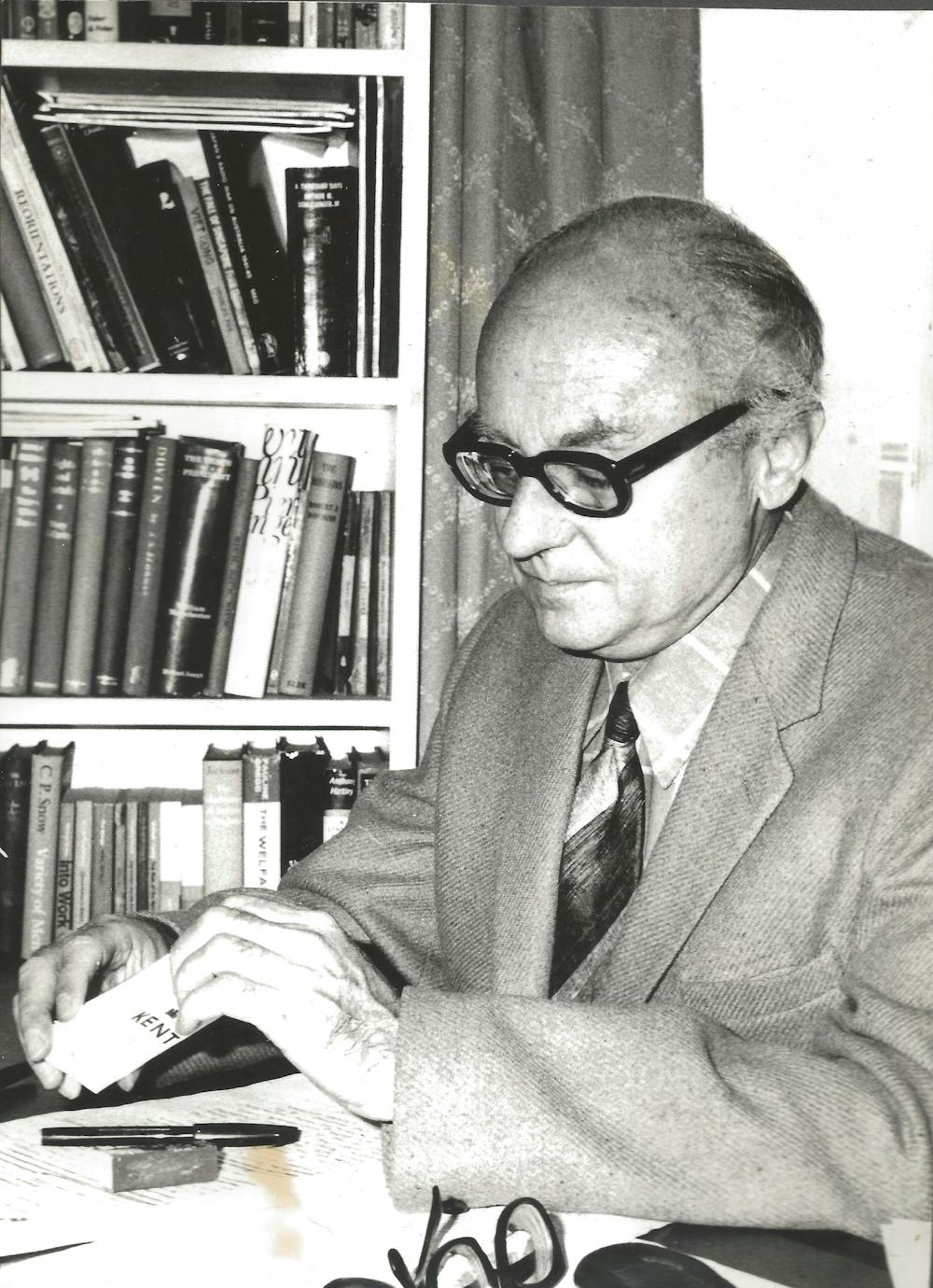
The State Library has selected certain objects from my family home to inspire their scholars and fellows program — an upholstered mid-20th century armchair, a large 19th century pedestal desk and a collection of some 4000 books.
The armchair, now upholstered in a dark green material over the original knobbly grey fabric, was acquired by my parents to furnish their first home in 1960, a small, rented two-bedroom garden flat in Sydney’s leafy Double Bay.
It was on this chair, in 1964, that my father sat “pen in hand, pad on knee”, as my mother later wrote, “to write The Lucky Country”. I was too young to remember this act of defiance, as some now see it — after all, surely a serious writer sits at a desk. The act itself was born out of necessity, and only later became symbolic (at least in my parents’ minds) when my father acquired a new string to his professional bow — a writer of books.
Read more:
Donald Horne’s ‘lucky country’ and the decline of the public intellectual
In the early years of their marriage in their small flat, my parents had a choice: to turn a spare room into a dining room or into a study with a desk. A dining room it became, and instead of a desk, they purchased a mahogany dining table. Not only does this choice show the importance of the dining room in middle class Australia, but also the consequence my parents gave to the well-planned dinner party. My father even brought to his marriage several signature dishes, including a delectable petit pois dish I still cook to this day as well as Ted Moloney’s and George Molnar’s Cooking for Bachelors (1959).
The Lucky Country came out of formal quests for knowledge, but also arose out of congenially robust discussion around the dining room table. My mother acquired a new professional role, as editor of all her husband’s books and much of his other published writing. The armchair, then, marks a state of transformation in my parents’ working and personal lives and in their home, as an enduring workshop of ideas.
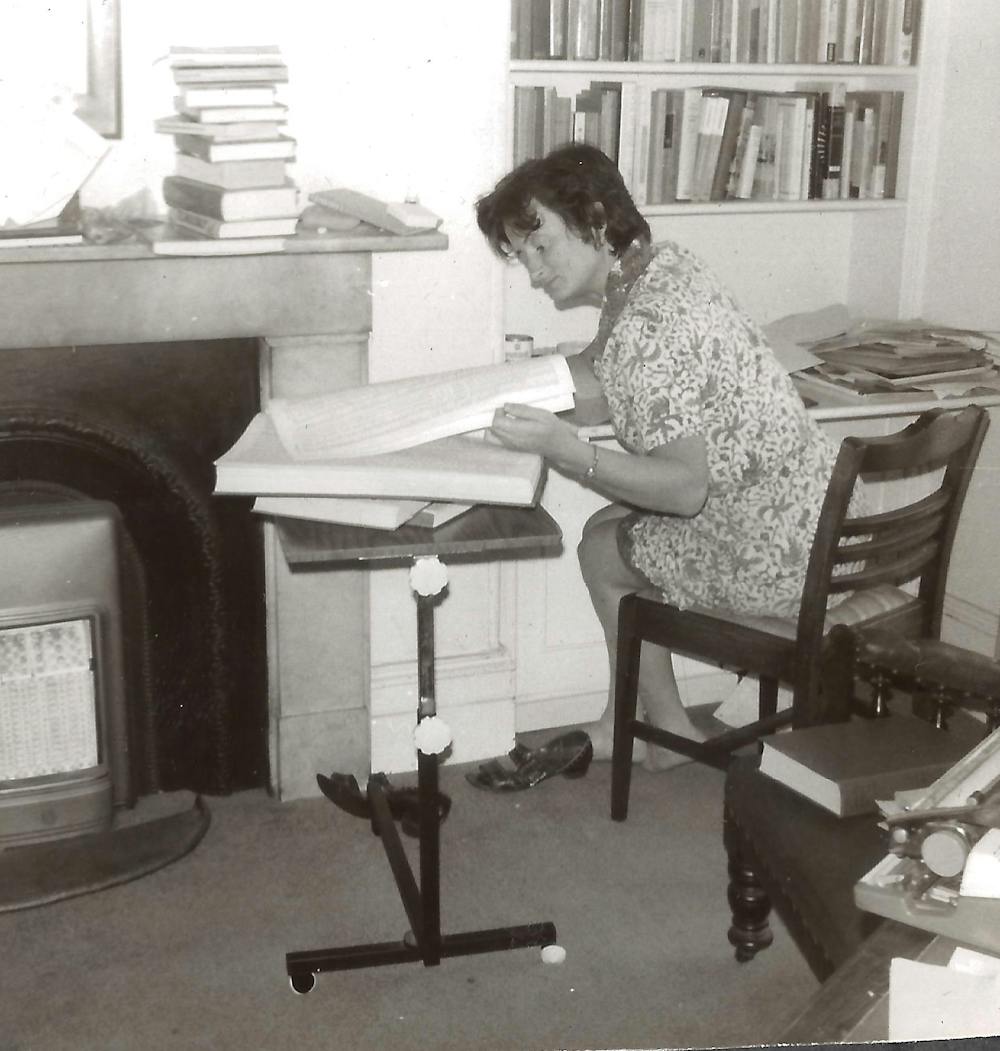
In 1966, we moved from our rented flat to our new house, a late 19th century two-storey terrace with room for both a dining room and a study. It remained my parents’ home for the rest of their lives and was not sold until 2015. The spacious, high-ceiling upstairs room at the front was soon furnished as a writers’ study.
Book cases graced either side of the fireplace, one with a small built-in desk for my mother to work at on her typewriter. The French doors leading on to the front verandah were shaded by heavy, satin, mustard coloured curtains. The centrepiece was the large, 19th century pedestal desk chosen by my mother. Placed in the middle of the room at a slightly raffish angle, my father savoured the room as a place to write, surrounded by bookcase-lined walls.
As he later wrote, “sitting at the desk Myfanwy had chosen for me became one of our essential ceremonies” of intellectual life together. “My writing came from a joint workshop of which she was a part. Not only the dinners and lunch parties that helped keep things going: without her emotional support and intellectual support I don’t know that I would have ‘become a writer’.”
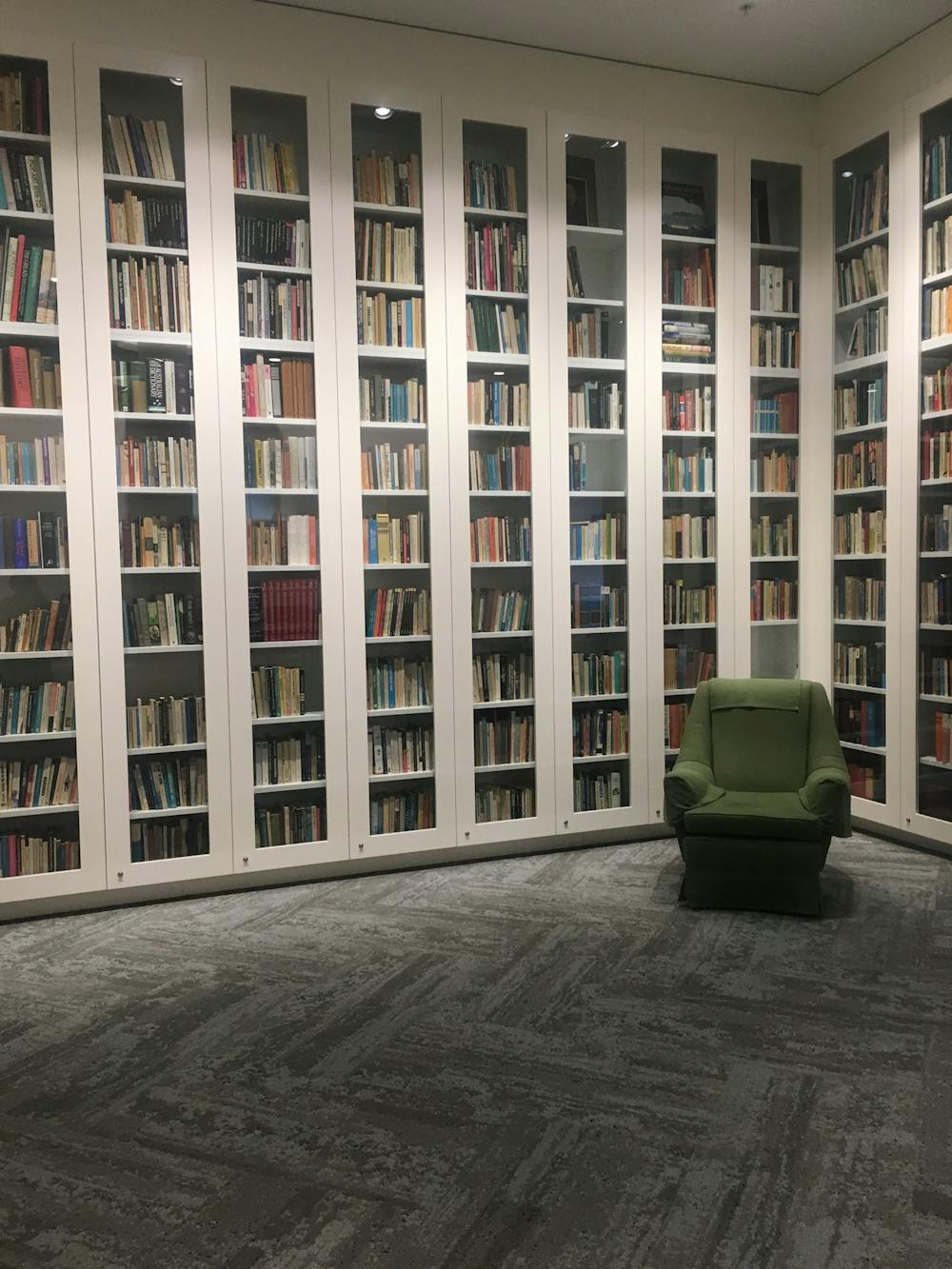
Books that influenced my father’s writing and thinking are now displayed in beautiful glass cabinetry in the State Library. You can peruse the spines for a quick trip through 20th century ideas, global politics and history, its revolutions, art, political philosophy, sociology. Well-thumbed copies include A Vindication of the Rights of Woman by the 18th century advocate of women’s rights, Mary Wollstonecraft, and The Eiffel Tower and Other Mythologies by the 20th century cultural theorist, Roland Barthes, for its critique of bourgeois culture.
Many of the books include his annotations — paper clips, discrete dots, vertical lines and squiggles — making it possible to trace some of what inspired his own social and political critique. The English translations of the writings of the Italian Marxist philosopher Antonio Gramsci, for instance, were marked up for his favourite passages on hegemony, “common sense” and the idea that we are all intellectuals. They represent, in many ways, his scholarly footnotes.
“I’ll just go to the study to look it up,” is a refrain I often heard from my parents. Rather than reconstruct their study, the artefacts in the State Library’s Donald and Myfanwy Horne Room have been chosen to continue the intellectual pursuit of conversation and ideas.
 You can work at the desk, sit in the green armchair and — by application to the librarian — peruse the books and decipher the scrawls left by my father. These objects are not only tokens of two productive writing lives, but an inspiration to future generations who believe that books and ideas matter.
Julia Horne, University Historian and Principal Research Fellow, History, University of Sydney
This article was originally published on The Conversation. Read the original article.
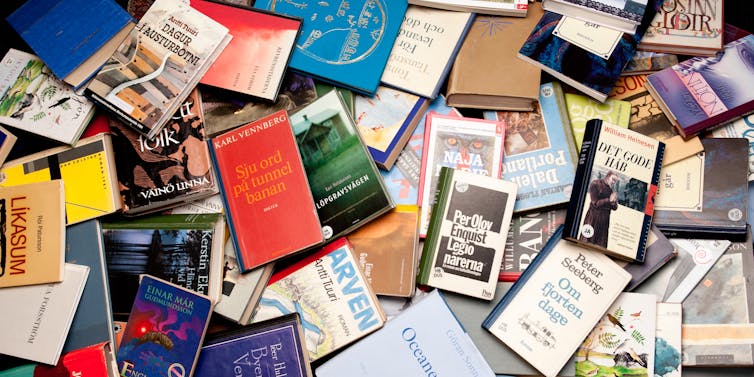
Alice Whitmore, Monash University
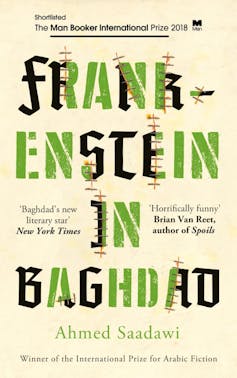
With today’s announcement of the winner of the Man Booker International Prize shortlist, translation again finds itself in the foreground of the literary landscape. This year’s shortlist includes novels translated from a diverse array of languages including Arabic (Frankenstein in Baghdad by Ahmed Saadawi), Hungarian (László Krasznahorkai’s The World Goes On) and Korean (The White Book by Han Kang).
In 2016, the prize evolved from a biennial event, designed to honour one living author’s overall contribution to fiction on the world stage, to a yearly prize for fiction in translation. In Australia, too, literary translation is experiencing something of a moment. Shokoofeh Azar’s The Enlightenment of the Greengage Tree, translated from Farsi, was recently shortlisted for the Stella Prize.
While Europe remains the overwhelming source of translated fiction in Australia, European writing is no longer restricted to classics and bestsellers. Scandinavian crime thrillers are still reliable favourites, but we are also seeing a greater range of Scandinavian literary fiction in translation, alongside relatively underrepresented European languages like Polish and Hungarian.
Witold Szabłowski’s Dancing Bears (translated by Antonia Lloyd-Jones) and Péter Gárdos’s Fever at Dawn (translated by Liz Szász) are outstanding recent examples of the latter.
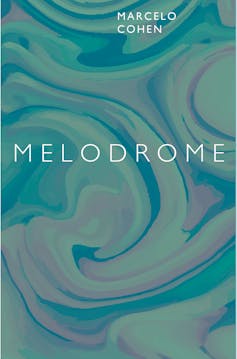
There are also more works of Asian, Middle Eastern and Latin American literature emerging in translation: Un-su Kim’s forthcoming novel The Plotters, translated by Sora Kim-Russell; Nir Baram’s A Land Without Borders, translated by Jessica Cohen; and Chris Andrews’s forthcoming translation of Marcelo Cohen’s Melodrome, to name just a few.
This suggests the growing openness of Australian readerships towards the rich cultural imaginations of the most intensely othered parts of the world. Literary connections with places like these also link Australia more closely to the experiences of its growing migrant communities.
Two decades ago, translation scholars Susan Bassnett and André Lefevere argued that, as a result of the “coming of age” of translation studies and cultural studies, both disciplines had shifted away from their “Eurocentric beginnings” towards “a new internationalist phase”. Since then, reading cultures across the English-speaking world have taken a similar turn, embracing and engaging with translated literature as never before.

In Australia, small and independent presses have been leading the charge. Brow Books, the new books imprint of Melbourne literary magazine The Lifted Brow, recently announced a co-publishing agreement with UK-based publisher Tilted Axis Press. Brow Books will be kicking off the partnership in August with the Australian publication of South Korean novelist Han Yujoo’s The Impossible Fairytale (translated by Janet Hong).
In 2018 the rights to Brow Books’ first translated title – the short fiction collection Apple and Knife, written by Indonesian-born Intan Paramaditha and translated by New Zealand scholar Stephen Epstein – were sold to Harvill Secker, an imprint of Random House UK, demonstrating that Australian translations have global appeal, too.
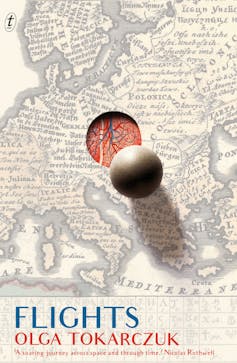
Other, more established independent presses have strengthened their commitment to translated literature in recent years. Text Publishing is a mainstay of literary translation in Australia, and is the local publisher of two titles on this year’s Man Booker International longlist: Wu Ming-Yi’s The Stolen Bicycle and Olga Tokarczuk’s Flights, (the latter has been shortlisted for the prize). Text also publishes acclaimed international authors like Herman Koch, Yuri Herrera and Marie Darrieussecq, and has been known to dabble in popular psychology, memoir, and other non-fiction genres in translation.
Melbourne and London-based Scribe and Sydney-based Giramondo have both made strides in publishing translated literature. With the launch of Giramondo’s new Southern Latitudes series, devoted to writers from the southern hemisphere, it is set to publish more Latin American work in translation in coming years.
What emerges from this snapshot of the literary translation scene, both here and abroad, is the crucial role played by small and independent presses. Such publishers are the lifeblood of marginal, challenging and “unprofitable” literature, whether local or international.
The fact is, Australians are reading – and publishing – literature in translation, and their tastes are broader than ever. Indeed, in the face of mounting political isolationism, translated fiction might just be the thing to save us. Translation provides a kind of window (if a temporary and sometimes foggy one) onto the experiences and imaginations of people we would never normally have the chance to observe.
 These books give us a glimpse of lives just as real and complex and miserable and beautiful, imaginations just as vivid and dark and brilliant and playful as our own. If Australians are reading more widely, this can only be a good thing.
Alice Whitmore, Assistant lecturer, Monash University
This article was originally published on The Conversation. Read the original article.
The link below is to an article that takes a look at the winners of the 2018 Australian Book Industry Awards.
For more visit:
https://blog.booktopia.com.au/2018/05/04/abia-2018-winners/
 At the BookShelf

You must be logged in to post a comment.