Unknown's avatar

Old white men dominate school English booklists. It’s time more Australian schools taught Australian books


Shakespeare’s plays are still some of the most studied texts in school English.
from shutterstock.com

Larissa McLean Davies, University of Melbourne

In recent weeks, Australian universities’ commitment to teaching Australian literature has come under scrutiny. This came amid revelations Sydney University has withdrawn funding from its Chair of Australian Literature – the nation’s first.

Later news of the possible closure of UWA Publishing compounded anxiety about the future of Australian literary studies. An article in The Australian newspaper noted there is no local university in which an undergraduate student can specialise in Australian literature.


Read more:
The open access shift at UWA Publishing is an experiment doomed to fail


The concern goes beyond tertiary studies. We conducted a project exploring secondary school teachers’ engagement with Australian texts. We found Australian books are not consistently taught in classrooms and, when they are, they more often than not marginalise female, refugee and Indigenous authors.
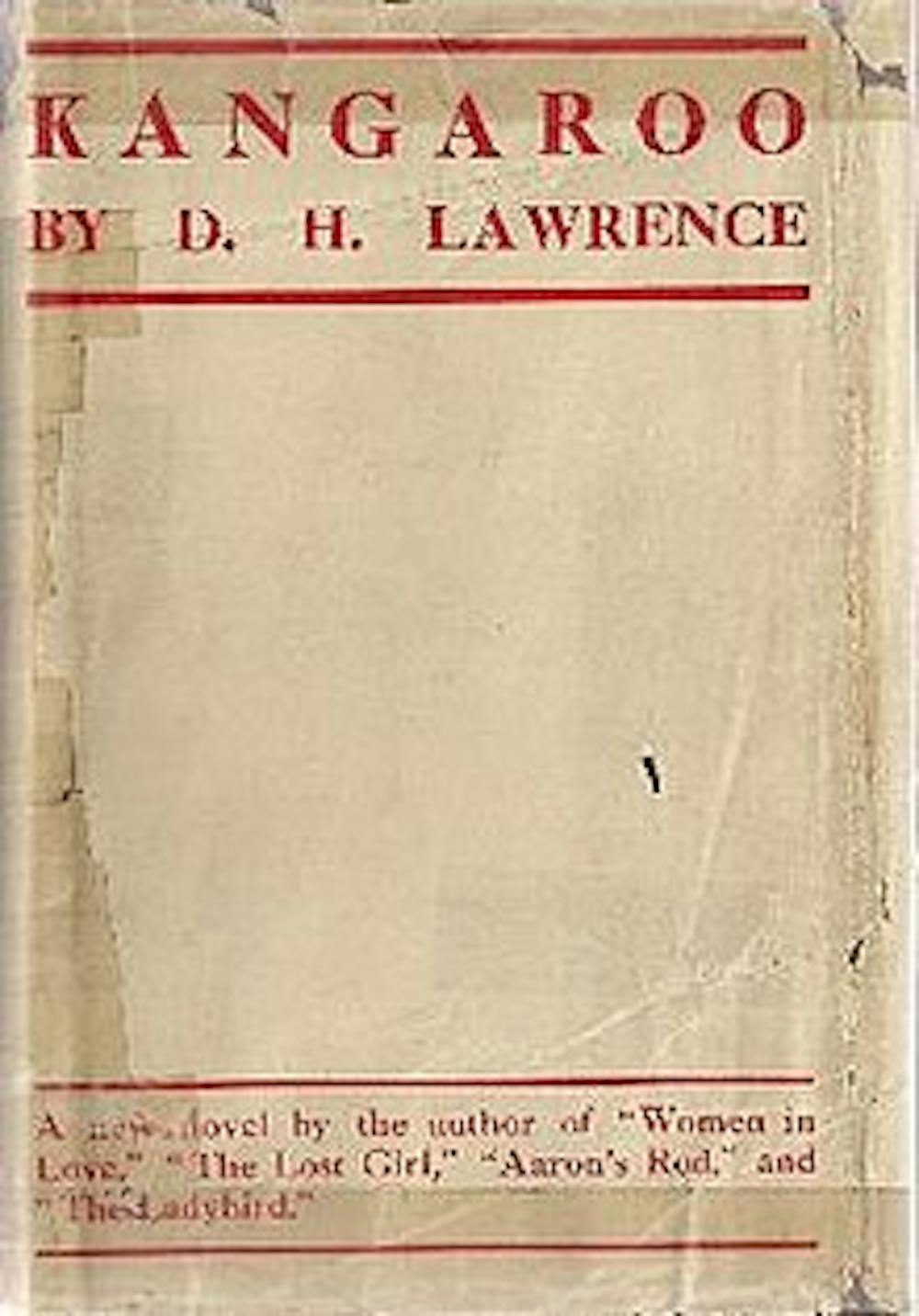
A professor famously said he would teach the novel Kangaroo, in the absence of appropriate texts by Australian authors.
Wikimedia commons

The demographic of Australian classrooms has changed significantly in the past fifty years. But the texts studied in English have remained remarkably stable.

In our multi-cultural society, where compulsory schooling is intended to help develop critically informed and empathetic citizens, this situation requires serious attention.

Why teachers don’t teach Aussie books

Studying English and literature in settler societies was historically intended to support students to value “Englishness”. As a result, Australian literature, if it was acknowledged at all, was systematically marginalised and maligned in the 19th and early 20th centuries.

In the 1940s – in a precursor to what we now call the “cultural cringe” – an English professor famously renounced Australian literature. He said that, in the absence of appropriate books by Australians, he would lecture on DH Lawrence’s novel, Kangaroo.


Read more:
‘Australia has no culture’: changing the mindset of the cringe


Australia’s first national curriculum, in 2008, attempted to respond to this enduring imperial literary legacy. It mandated teaching Australian literature, placing Aboriginal and Torres Strait Islander literature at the heart of this commitment.
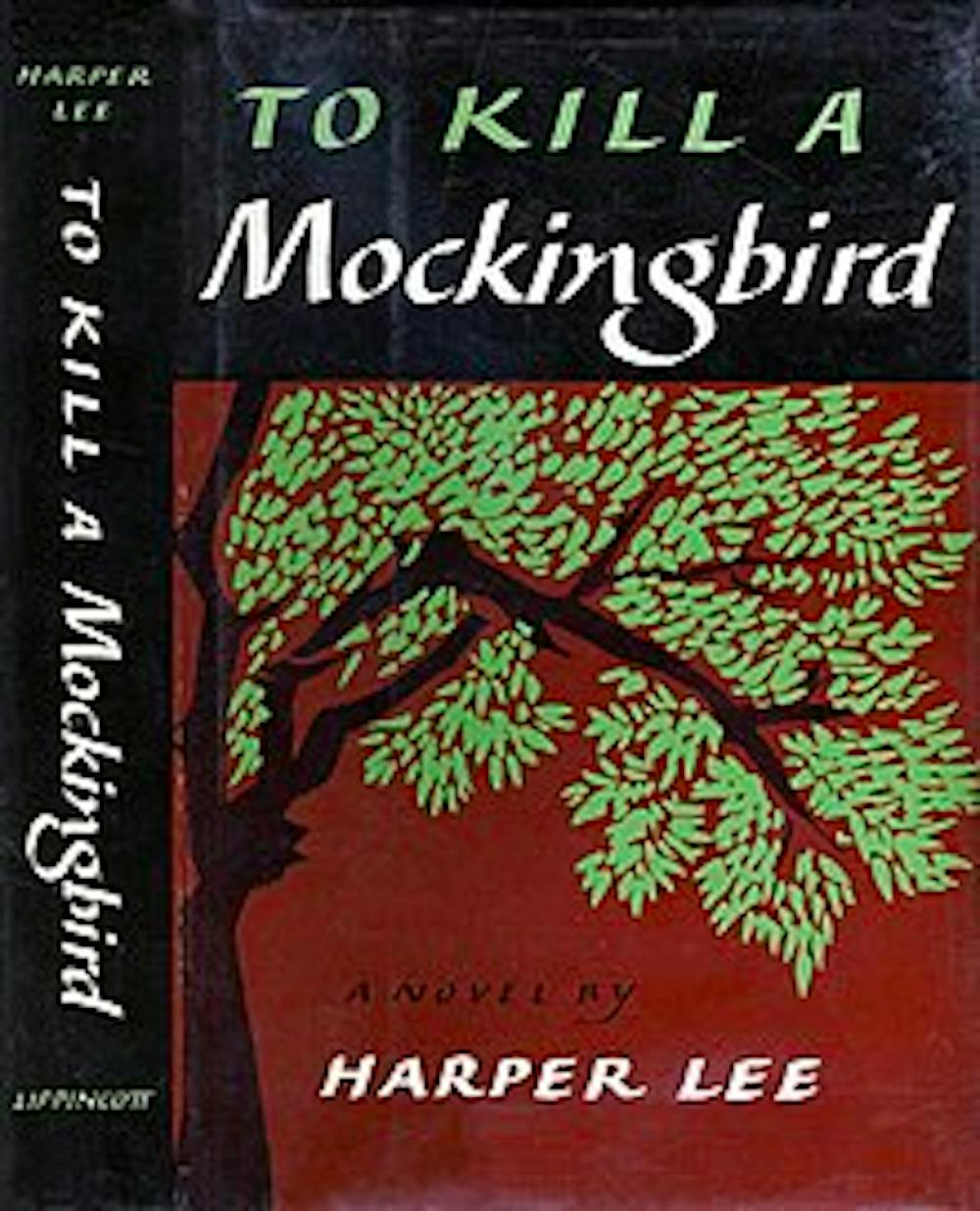
Harper Lee is one of two female authors on the list of the top 15 books taught by English teachers we compiled from our national survey.
Wikimedia commons

Most states and territories have mandated text lists for school senior years, which generally include titles by Indigenous authors. But recent research in Victoria has shown school uptake of these texts is limited.

Our research shows teachers are often reluctant to select books by Australian authors. Reasons for this include a limited knowledge of diverse Australian texts, often due to a lack of exposure to Australian literature at school and university.

There are fewer teaching resources for Australian literature too and teachers are concerned about inaccurately representing the stories of Indigenous Australians.

Some teachers we spoke to also raised questions about the quality of Australian literature, as compared with more established canonical texts. One teacher said:

While I appreciate that it is important to have Australian literature in the curriculum […] I find that Australian texts are often very similar and this limits the number of themes and ideas the students are exposed to over the course of their education.

We also conducted a national survey of more than 700 English teachers, asking them what books they taught in class. The following top 15 texts were most referenced:
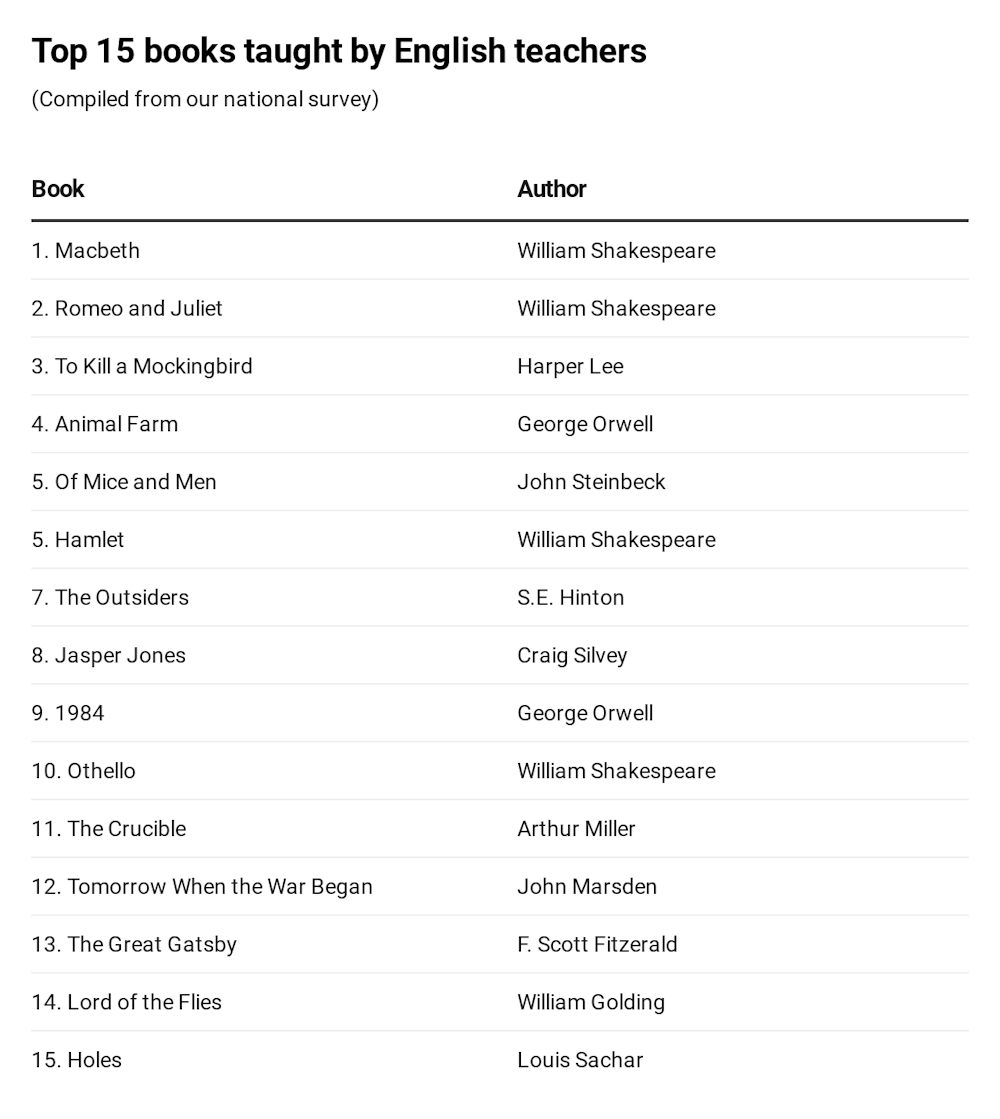


This should not be seen as a definitive list of texts most used in Australian classrooms. But it does offer insight into the relative status of Australian literature in the curriculum.

Most works on this list are written in the past, by male British or American writers. Most of these have formed part of the school literary canon for generations. There are only two texts by women, Hinton and Lee, and no texts by Australian women, migrant Australians or Aboriginal writers.


Read more:
Diversity, the Stella Count and the whiteness of Australian publishing


The only texts by Australians cited here are Marsden’s 1990s dystopian invasion series and Silvey’s 2009 coming of age novel.

How do we change it?

Our research showed teachers need more time, knowledge, resources and confidence to include more Australian literature in the classroom. This is not surprising given teachers we surveyed and interviewed often completed both secondary and tertiary studies in English without significant experiences of Australian literature.
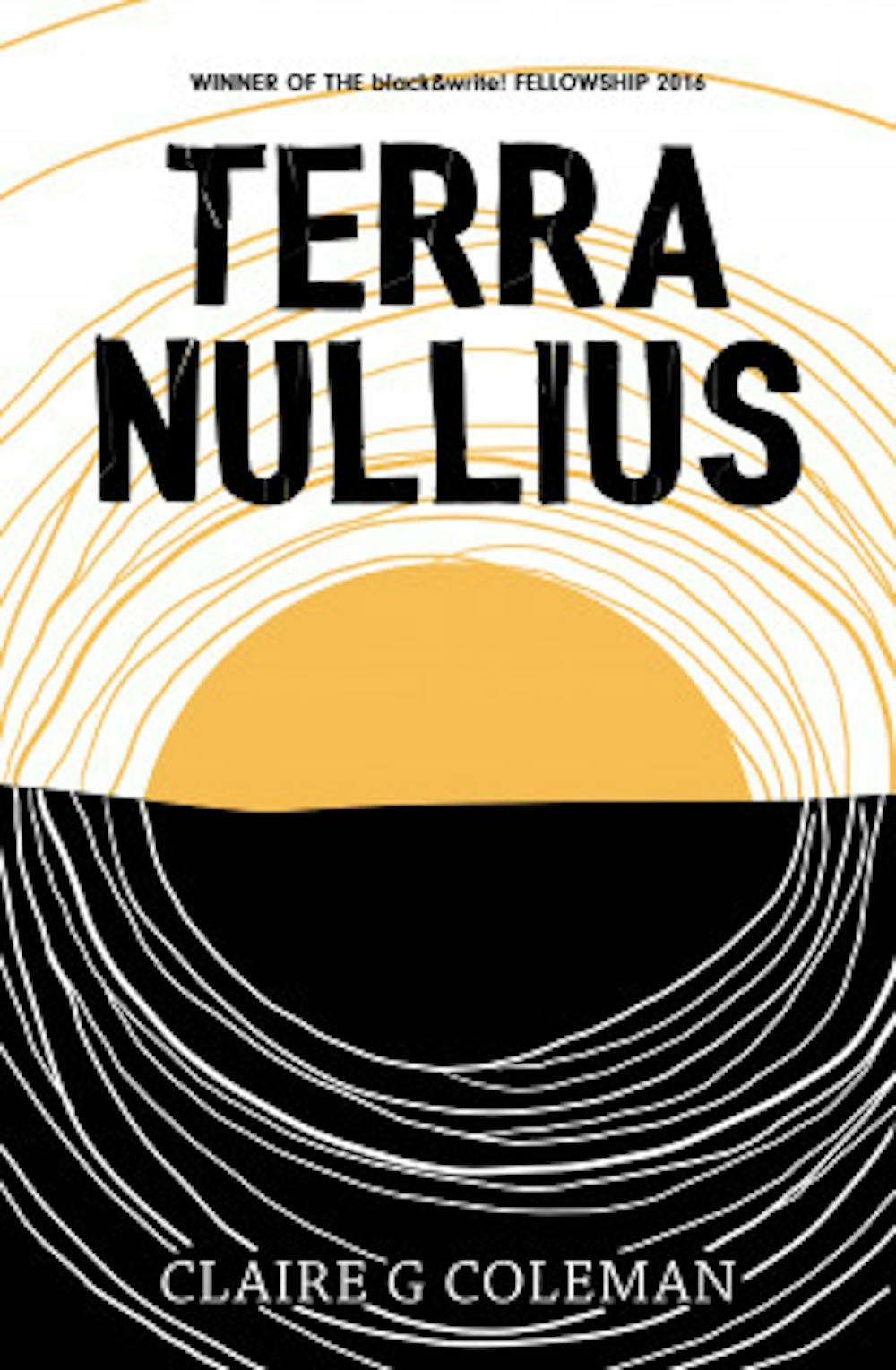
Coleman’s speculative fiction novel has been studied by our teacher researchers.

In response, colleagues and I have partnered with the Stella Prize (a literary award for Australian women writers) to develop the teacher-researchers project.

Teachers select a text from the Stella long-list. They then work intensively with the project team – which includes teacher-educators and Australian literary studies experts – and university archives or other cultural collections, to develop resources to teach their chosen texts that can be shared.

Texts in this pilot project have included Heat and Light by Ellen Van Neervan, Terra Nullius by Claire G. Coleman and The Hate Race by Maxine Beneba Clarke.

This project will expand the literary knowledge and experiences of teachers, students and school communities involved. But a concerted, bipartisan and enduring commitment to resourcing scholarship and teaching of Australian writing across universities and schools is imperative.

If we are to ensure all students experience Australian stories from the past and the present, Australian writing, in all its rich diversity, must be a central part of a literary education.The Conversation

Larissa McLean Davies, Associate Professor Language and Literacy Education, University of Melbourne

This article is republished from The Conversation under a Creative Commons license. Read the original article.
Unknown's avatar

2019 Readings Prize for New Australian Fiction Winner


The link below is to an article reporting on the winner of the 2019 Readings Prize for New Australian Fiction, ‘The Glad Shout,’ by Alice Robinson.

For more visit:
www.booksandpublishing.com.au/articles/2019/11/14/142143/the-glad-shout-wins-readings-prize-for-new-australian-fiction/

Unknown's avatar

‘Like volcanoes on the ranges’: how Australian bushfire writing has changed with the climate


Grace Moore, University of Otago

Bushfire writing has long been a part of Australian literature.

Tales of heroic rescues and bush Christmases describe a time when the fire season was confined only to summer months and Australia’s battler identity was forged in the flames.

While some of these early stories may seem melodramatic to the modern reader, they offer vital insights into the scale and timing of fires and provide an important counterpoint to suggestions from some politicians this week that Australia’s fire ecology remains unchanged in the 21st century.


Read more:
Mr Morrison, I lost my home to bushfire. Your thoughts and prayers are not enough


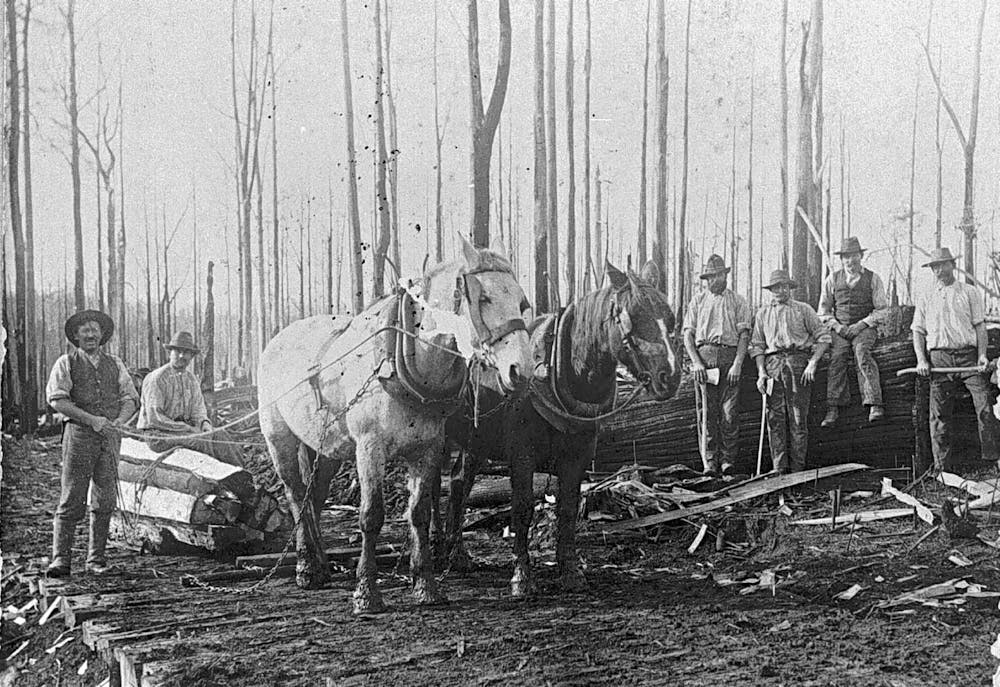
After an apparent bushfire, a horse team pulls timber at Lavers Hill in Victoria, circa 1895.
Museum Victoria/NLA

A contender for the first fictional representation of an Australian bushfire is Mary Theresa Vidal’s The Cabramatta Store (1850). Although she does not specify a month, Vidal is very clear regarding the season and the oppressive, sweltering heat:

It was one of the hottest days of an unusually hot and dry Australian summer. No breeze stirred the thin, spare foliage of the gum-trees, or moved the thick grove of wattles which grew at the back of a rough log hut.

Vidal’s account of the bushfire that ensues is evocative and intense:

The tall trees were some of them red hot to the top; the fire seemed to run apace, and every leaf and stack was so dry there was nothing to impede its progress.

Postcards from Australia


Cambridge University Press

Vidal was not alone in treating fire as a fleeting, one-off incident. Other early accounts, such as Ellen Clacy’s 1854 romance story A Bushfire, or the prolific novelist William Howitt’s A Boy’s Adventures in the Wilds of Australia of the same year follow Vidal in depicting the bushfire as an isolated catastrophe.

Howitt’s novel takes the form of a notebook kept by Herbert, a recent young migrant, who recounts the wonder of his new life in the Bush. Though he doesn’t experience a fire at first-hand, Herbert regales the reader with another family’s bushfire adventure in lieu of his own. Yet in closing his account, dated January 14, he writes:

I wonder whether, after all, I shall see a bush-fire. During the last week we have seen lurid smoke by day, and a deep-red cloud by night … immense fires are raging in the jungle.

For Herbert, surviving a bushfire is a settler rite of passage and again, the dating of his entry emphasises the fire as a uniquely summer concern. The boyish narrator, though, cannot appreciate the trauma and severity of Antipodean fire.

An annual event

Over time, the settler community began to understand fire as a recurring phenomenon and the tone of fire stories shifted from a triumphant celebration of settler endurance, to a more brooding acceptance that the flames would return another year.


Dymocks

So season-bound was this understanding, a sub-genre of bushfire fiction emerged: the Christmas fire story. These works responded to the Victorian enthusiasm for yuletide tales, while at the same time highlighting the often horrific seasonal tribulations of bush-dwellers.

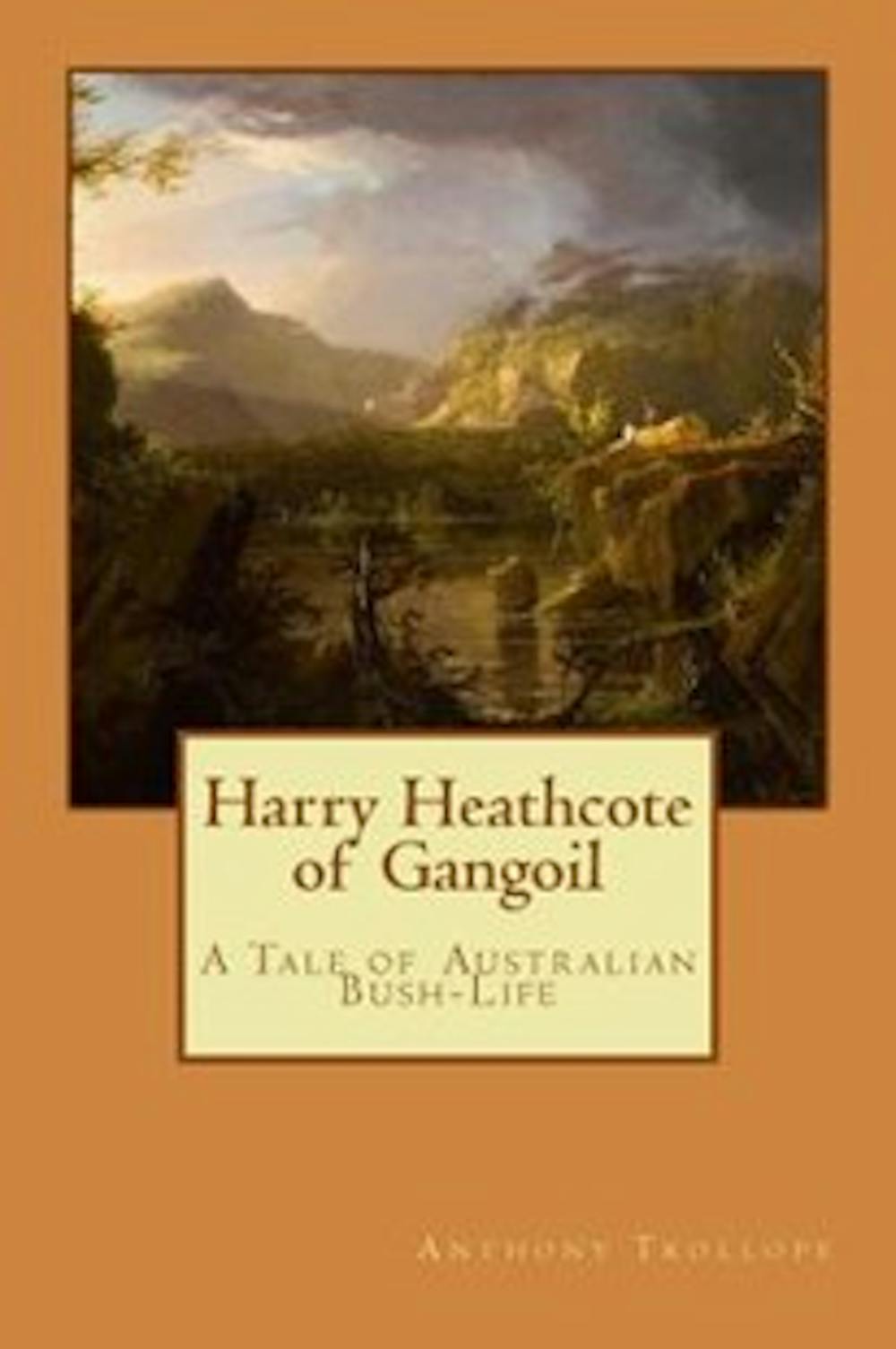
While there are many examples of Christmas fire stories, one of the best-known is Anthony Trollope’s novella Harry Heathcote of Gangoil (1874).

The plot, which takes place in the sugar-growing region of Queensland, revolves around the protagonist Harry’s deep fear of fire. Trollope highlights the hostility of the climate, the dangers posed by deforestation, and the deep-rooted anxieties that haunted migrant farmers each summer.

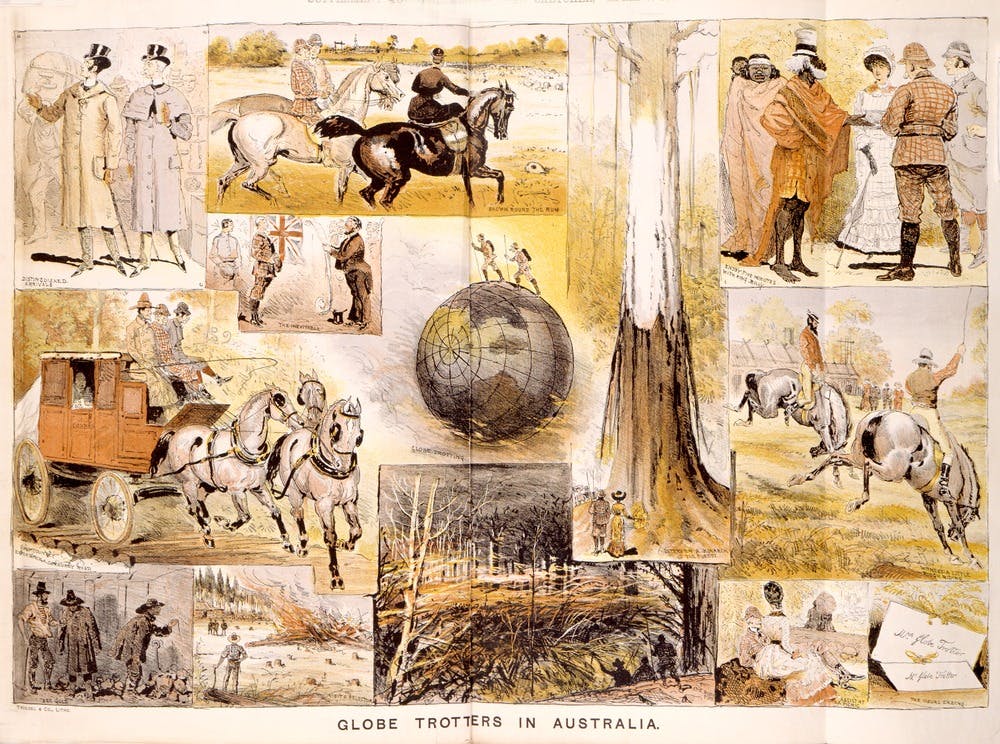
Exotic and dangerous tales from Australia – these images were published in The Australasian sketcher, April 9, 1884 – depicted life for settlers and visitors to those back in England.
Troedel & Co, lithographer/State Library of Victoria

There are countless other works that allow us to map the Victorian era fire season.

Henry Kingsley’s sprawling 1859 novel The Recollections of Geoffry Hamlyn begins with another date reference:

Near the end of February 1857 … it was near the latter end of summer, burning hot, with the bushfires raging like volcanoes on the ranges, and the river reduced to a slender stream of water.

Once again here, the date identifies fires specifically with the summertime.

Climate emergency fiction

While 19th century fire stories offer a date-stamped and clearly defined fire season, today’s novelists work with a much less predictable set of environmental conditions.

The backdrops for the crime novelist Jane Harper’s thrillers The Dry (2016) and The Lost Man (2018) are tinder-dry rural communities, where years of drought mean fire could erupt at any moment.

Realist writing is capturing changing conditions, just as it did for settlers more than 150 years ago. Australia may always have been the “continent of fire”, as historian Tom Griffiths terms it, but literature shows us those fires are more prolific and less predictable now than ever before.The Conversation

Grace Moore, Senior lecturer in English, the University of Otago, New Zealand, University of Otago

This article is republished from The Conversation under a Creative Commons license. Read the original article.
Unknown's avatar

UWA Publishing has helped take Australian poetry into the world. Its closure would be catastrophic for poets


Some of the many poetry books published in recent years by UWA Publishing.
UWA/Shutterstock

John Kinsella, Curtin University

I start with a disclaimer: I am a UWA Publishing poet. I have published a book of poetry with them (as well as a novel), and have two books forthcoming with them in 2020 — The Weave, a collection of poetry co-written with Thurston Moore, and an edited and introduced volume, The Collected Poems of C.J. Brennan, the great, Sydney-dwelling, symbolist poet (1870-1932).

Now, with UWAP on the verge of being shut down, partly through what I and many others see as a misguided sense of what constitutes an interface between universities and the broader public, the fate of these books is unclear.

The University of Western Australia has proposed that “UWA Publishing operations, in their current form, come to an end” to be replaced by an open-source digital publishing model. The jobs of its employees and director Terri-ann White would likely be “surplus to requirements”. In a statement released late last week it said

Current publishing works already in train this year and next year are expected to continue, as will consultation on innovation that will assist UWA Publishing to adapt to the demands of modern publishing, with options to examine a mix of print, greater digitisation and open access publishing.

But even if contracted books are published, the closure of this publisher would be catastrophic for Australian poetry. It would be as if those books didn’t exist as something connected to a future vision of writing with purpose and community. It’s a way of killing a humanistic, inter-cultural conversation. It ignores the people who do so much to make these conversations happen.

Many voices

UWAP, especially since 2016, publishes many poetry books a year — a very unusual act of creative support and belief. Its dynamic list includes such essential voices as Ania Walwicz, Candy Royalle, Peter Rose, Quinn Eades, Kate Lilley, David McCooey, and so many other voices of the now, along with collected and selected “greats” like Francis Webb, Lesbia Harford, and Dorothy Hewett.

Yes, I speak here from the inside, as an author. Yet I also speak from the outside as a reader of poetry, and with the incredible feeling of loss I get as a reader, at this ill-thought out proposal.

UWAP publishes many “big name” writers and scholars, but also many marginalised voices and/or voices that might find it hard to publish through purely market-driven publishing houses. It is part of the country’s literary and scholarly collective conscience.

Poetry is an active ingredient of social justice not only in what it can say and talk about, but in the way that it places language under pressure, and questions how expression is used in general discourse, and why. Words of oppression are so easily accepted — poetry questions the uses and “deployment” of language.

UWAP, under Terri-ann White, is part of a clutch of poetry publishers in Australia — and there are not many — who make a commitment to poetry beyond the canonical, and with a strong sense of the need to enact this scrutiny of language. What is said in poetry is seen to matter, and I believe it does.

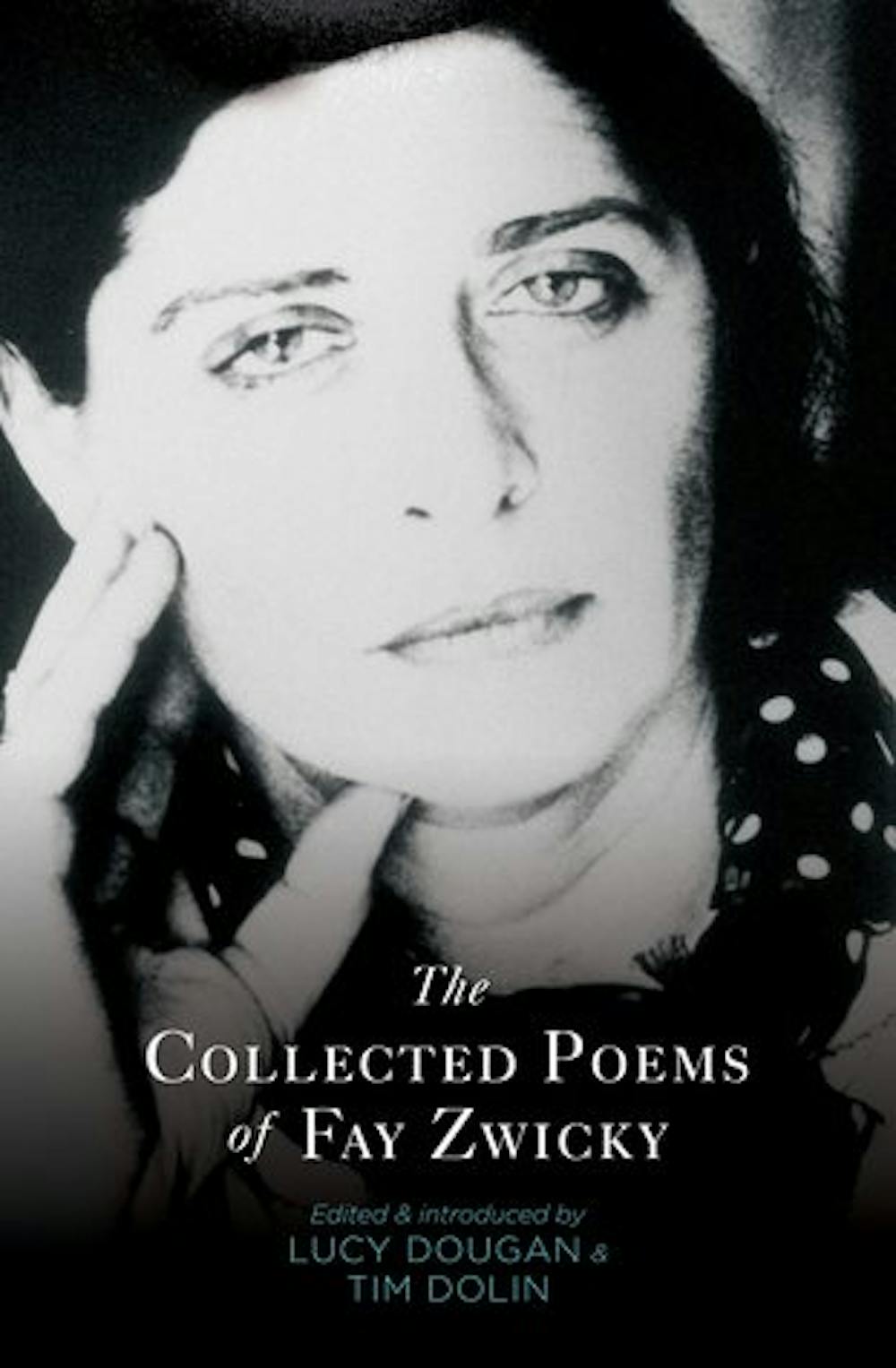
I will never forget speaking to the late Fay Zwicky in 2017, in her last weeks, about her forthcoming Collected Poems (UWAP, edited by Lucy Dougan and Tim Dolin) and her discussion of proofs and the book itself. A life’s work — one of the great bodies of poetry produced in Australia.

Zwicky had published volumes of poetry with other vital publishers in the Australia poetry community, University of Queensland Press and Giramondo. And then the collation of a life’s work — a big project that required so much attention and goodwill. It was clearly necessary, if not essential, to her.

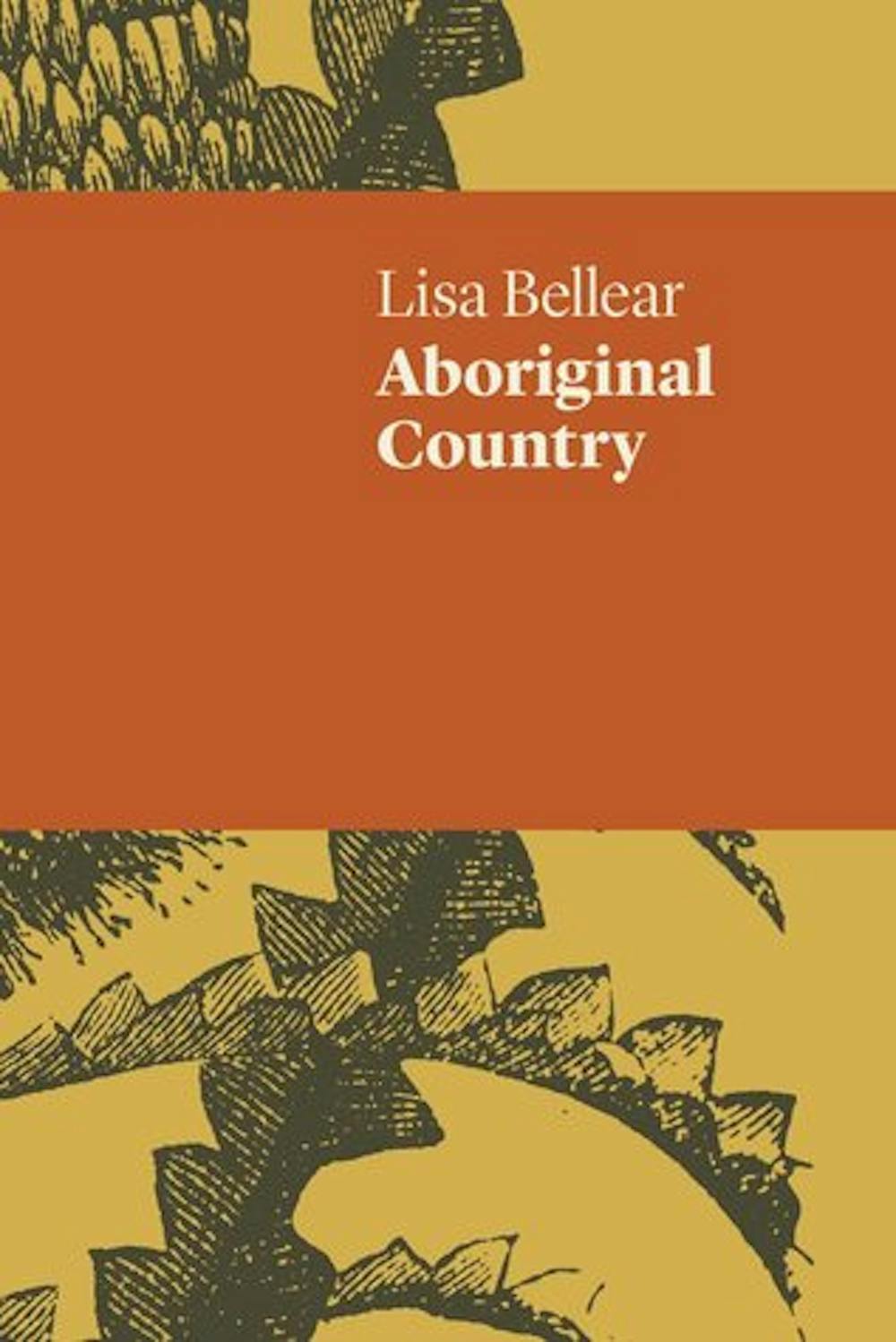
One of the many titles on the UWAP list that had a remarkable effect on so many readers, and which I noted in the Australian Book Review’s 2018 Books of the Year feature, was a collation of Lisa Bellear’s poetry — Aboriginal Country. As I said then, “the emphatic, committed voice of this remarkable Goernpil woman, feminist, poet, photographer, and activist shines through.” Not to have had access to Bellear’s work is unimaginable now we have encountered it gathered in this way.

There is huge engagement in seeing such a work through to press. It was edited (by Jen Jewel Brown), supported and seen onto the shelves via UWAP. An act of belief and support, among many such acts in a given year; all necessary.

Vitally, UWAP’s poetry list effectively manages that seemingly complex interaction between local work and that from the rest of the country. It seems too often assumed that a WA publisher will necessarily only publish WA work. Now, don’t get me wrong, I am a total believer in local publishing, but there’s also a strong necessity for a publisher that brings many localities together, as Magabala Books in Broome does with Australian Aboriginal writing.

UWAP publishes poets (and writers in general) from all over the country, and brings in some overseas titles as well. Terri-ann White actively takes her lists to readers and publishers outside Australia, and is an energetic and steadfast voice in international publishing for her authors, and for Australian and world literature.

To close UWAP would be a damaging of shared difference, of making community and discussion out of diverse voices.

While I have had the good fortune over the years to publish with some of the major poetry houses around the English-speaking world, I am especially proud and excited when a book of mine is selected for the UWAP list.

Shutting down UWAP would sever many ties and disrupt many conversations just begun, or prevent other conversations, especially of conscience, ever taking place.The Conversation

John Kinsella, Professor of Literature and Environment, Curtin University

This article is republished from The Conversation under a Creative Commons license. Read the original article.
Unknown's avatar

The open access shift at UWA Publishing is an experiment doomed to fail


Open access publishing enables free and easy dissemination of work, but this does not meant that it engages with literary culture. Titles are isolated from bookshops, reviews, and cultural conversations.
Photo by Fred Kearney on Unsplash, CC BY-SA

Emmett Stinson, Deakin University

There has been no shortage of bad news for Australia’s literary and publishing sector in the last year. Major literary journals Island and Overland have been defunded. Only 2.7% of Australia Council funding went to books and writing. The Chair in Australian Literature at University of Sydney is not being renewed.

Two major projects by literary academics were recommended for funding by the Australian Research Council’s peer-review process in 2018, but were rejected by ministerial discretion. Melbourne University Publishing’s CEO, Louise Adler, resigned after the university asked for a change in editorial direction.

And now University of Western Australia has announced dramatic changes to its highly-decorated press, University of Western Australia Publishing. These changes involve not renewing the contract of Director Terri-ann White, deemed “surplus to requirements”, and an end to current publishing activities.

It would be hard to blame writers and literary academics for feeling paranoid. Just because you’re paranoid, it doesn’t mean they’re not out to get you.

A decline in literary publishing

In 2006, Mark Davis published The Decline of the Literary Paradigm in Australian Publishing.

He argued that between WWII and the 1990s, Australian publishers embraced their role in shaping national culture by subsidising unprofitable literary works with profits from more commercial titles. But by the 2000s, publishers had become neoliberal organisations that sought to maximise profits rather than support literary culture.

We are now seeing this same logic applied by universities.

Universities are increasingly focused on metrics driving enrolments, international rankings and research excellence. This, in turn, supports government funding and research grant income. Universities increasingly prioritise these metrics over cultural contributions that are harder to quantify.


Read more:
Why Australia needs a new model for universities


A statement released by UWA claims the changes will help “to guarantee modern university publishing into the future”, foreshadowing “a mix of print, greater digitisation and open access publishing.”

This statement might appear to mirror recent events at Melbourne University Press last year, but these situations are very different.

A leading literary publisher

Academics had long questioned Melbourne University Press’ publication of works with commercial and political appeal but no clear scholarly or cultural value.

Professor Ronan McDonald summed up this view earlier this year when he wrote that Melbourne University Press was “a trade press irritatingly obliged to publish a few academic titles”.

Melbourne University reaffirmed its commitment to the Press by hiring a respected scholarly publisher, founding director of Monash University Publishing Nathan Hollier, with a track record of producing scholarly titles alongside prize-winning works for a general readership.

UWA Publishing, on the other hand, is one of our leading literary publishers, cultivating authors and significant titles often overlooked by commercial publishers.

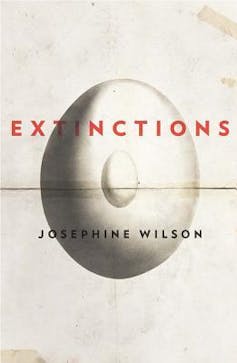
It published Josephine Wilson’s Extinctions, which won the Miles Franklin Award in 2017; is one of Australia’s foremost publishers of poetry; and has published scholarly works by leading Australian humanities academics, such as John Frow, Ross Gibson, and Ken Gelder. It has also published a series of traditional Noongar stories retold by the award-winning author Kim Scott

It has always balanced commitments to scholarly publishing with a significant literary list.

Open access university presses: a failed experiment

The notion that a respected publishing house can be replaced by open access publishing is disproved by examining other Australian university presses, such as the now-closed University of Adelaide Press, founded in 2009 with a mission to be an open access publisher.


Read more:
Grief, loss, and a glimmer of hope: Josephine Wilson wins the 2017 Miles Franklin prize for Extinctions


While the press generated many interesting titles, it failed to have a cultural impact. Open access enables free and easy dissemination of work, but this does not meant that it engages with literary culture. Scholars can access works freely, but titles are isolated from bookshops, reviews, and cultural conversations.

Sydney University Press, which was relaunched in 2003 after closing in 1987, has employed a “hybrid approach” to open access. It is now returning to a more standard university publishing model, establishing a research series with dedicated editorial boards of academics, and even publishing a novel, Joshua Lobb’s The Flight of Birds, shortlisted for the Readings New Fiction Prize in 2019.

Open access has an important role to play in academic publishing, but it is laughable to claim UWA Publishing’s cultural impact can simply be replaced through open access.

Can it be saved?

There is a campaign underway to save UWA Publishing, including a petition with over 6,000 signatures.

It is hard to know at this stage if it will have any effect. It may be the publishing house is the victim of larger financial pressures currently affecting University of Western Australia.

This, of course, is the problem for the literary sector more generally: when cuts are needed, literature is always first on the chopping block.The Conversation

Emmett Stinson, Lecturer in Writing and Literature, Deakin University

This article is republished from The Conversation under a Creative Commons license. Read the original article.

Unknown's avatar

Reading progress is falling between year 5 and 7, especially for advantaged students: 5 charts


Are we failing to challenge the reading
skills in advantaged students?
from shutterstock.com

Peter Goss, Grattan Institute

There is a hidden problem with reading in Australian schools. Ten years’ worth of NAPLAN data show improvements in years 3, 5 and 9. But reading progress has slowed dramatically between years 5 and 7.

And, somewhat surprisingly, the downward trend is strongest for the most advantaged students.

Years 5-7 typically include the transition from primary to secondary school. Yet the reading slowdown can’t just be blamed on this transition, because numeracy progress between the years has improved. So, what is going wrong with reading?

Reading base camp is higher each year

Progress in reading is like climbing a mountain. The better your reading skills, the higher you are. The higher you are, the further you can see. And the further you can see, the more sense you can make of the world.

Like a real mountain, the reading mountain must be tackled in stages. NAPLAN – the National Assessment Program, Literacy and Numeracy – provides insight into those stages, by measuring reading skills at years 3, 5, 7 and 9.

The good news is that the average level of reading skills of year 3 students – reading base camp – is getting higher.

To make the results easier to interpret, I’ve converted the NAPLAN data into the equivalent year level of reading achievement. For instance, in 2010, children in year 3 were reading at equivalent year level 2.6 when they sat NAPLAN. This means they were four-and-a-half months behind a benchmark set at the long-run average for metropolitan non-Indigenous students.

By 2019, the mean reading achievement among all year 3 children was equivalent to year 3.0, meeting this benchmark.

Over ten years, the improvement has been worth about five months of extra learning.


Reading progress improved in years 7-9

There is more good news in secondary school. Recent cohorts have made better progress between years 7 and 9 than earlier cohorts. My best estimate is that learning progress has increased by almost three months of learning over this two-year stage of schooling.


Students in years 3-5 haven’t made the same gains. But (if anything) they are heading in the right direction.


But progress in years 5-7 has fallen

Something is going wrong between year 5 and 7. Students are making six months less progress than they used to. It’s not that they are getting worse at reading; they just aren’t climbing as fast as previous cohorts.


This drop in reading progress can’t simply be attributed to the transition from primary to secondary. Among other things, numeracy progress during this stage of schooling has increased by about six months since 2010.

It’s as if students have started skipping a term in each of their final two years of primary school, but only in English, not in maths. And not all groups of students are affected equally.

Advantaged students are affected the most

Reading progress has slowed the most for students from advantaged backgrounds. For instance, students whose parents are senior managers make ten months less progress from year 5 to 7 than earlier cohorts.


Interestingly, the student groups with the biggest slowdown in years 5-7 have also shown the most improvement in year 5 reading.

This pattern – big gains in year 5 that evaporate by year 7 – rules out poor early reading instruction as a cause. This reading problem isn’t about phonics, but a failure to stretch students in upper primary school.

My analysis also shows:

  • the years 5-7 reading slump is happening in every state and territory
  • Queensland and Western Australia had big drops in years 5-7 reading progress in 2015, the year those two states moved year 7 from primary to secondary
  • students from English-speaking backgrounds are affected more than those who don’t speak English at home
  • neither gender nor Indigenous status affects the strength of the slowdown.

So, what is going on?

Maybe some primary school teachers focus more on helping students reach a good minimum standard of reading, and not on how far they go. This fits with the trend in year 5; no need to push hard if students are already doing well.

But it doesn’t explain the large drop in progress in Queensland and WA the year they shifted year 7 to secondary school.

Maybe schools push hard on literacy and numeracy until students have done their last NAPLAN test in that school. This would help explain the 2015 drop in reading progress for Queensland and WA, but not the divergent picture for reading and numeracy progress, including in the Queensland/WA change-over year.

Maybe students are reading less as technology becomes ubiquitous. This could explain the difference between reading and numeracy. But why would it reduce progress between years 5 and 7 but not between years 3 and 5 or 7 and 9?

Increased use of technology also fails to explain the sudden slump in Queensland and WA in 2015.

Other potential explanations need to explain the complex pattern of outcomes, including the fact the reading slowdown is so widespread even while numeracy progress is going the other way.

My best guess is that some advantaged primary schools focus on literacy and numeracy until the year 5 NAPLAN tests are done, but then switch to project-based learning, leadership or year 6 graduation projects. These “gap year” activities don’t displace maths hour (which drives numeracy progress) but may disrupt reading hour or other activities that build reading skills.

Meanwhile, disadvantaged primary schools are very aware of the need to keep building their students’ reading levels to set them up for success in secondary school.

This story is speculative, but it fits the data.

What next?

Education system leaders need to figure out what is happening in reading between years 5 and 7, and quickly. They should look closely at upper primary years, as well as the transition to secondary school. This is much more subtle than a traditional back-to-basics narrative.

In the meantime, teachers in years 5, 6 and 7 should be aware their students are making less progress than previous cohorts, and focus on extending reading capabilities for students who are already doing well. All students deserve to climb higher on their reading mountain.The Conversation

Peter Goss, School Education Program Director, Grattan Institute

This article is republished from The Conversation under a Creative Commons license. Read the original article.

Unknown's avatar

2019 Victorian Premier’s History Award Winner


The link below is to an article reporting on the winner of the 2019 Vctorian Premier’s History Award – Phil Roberts for ‘Avenue of Memories.’

For more visit:
https://www.booksandpublishing.com.au/articles/2019/10/15/140846/phil-roberts-wins-victorian-premiers-history-award-for-avenue-of-memories/

Unknown's avatar

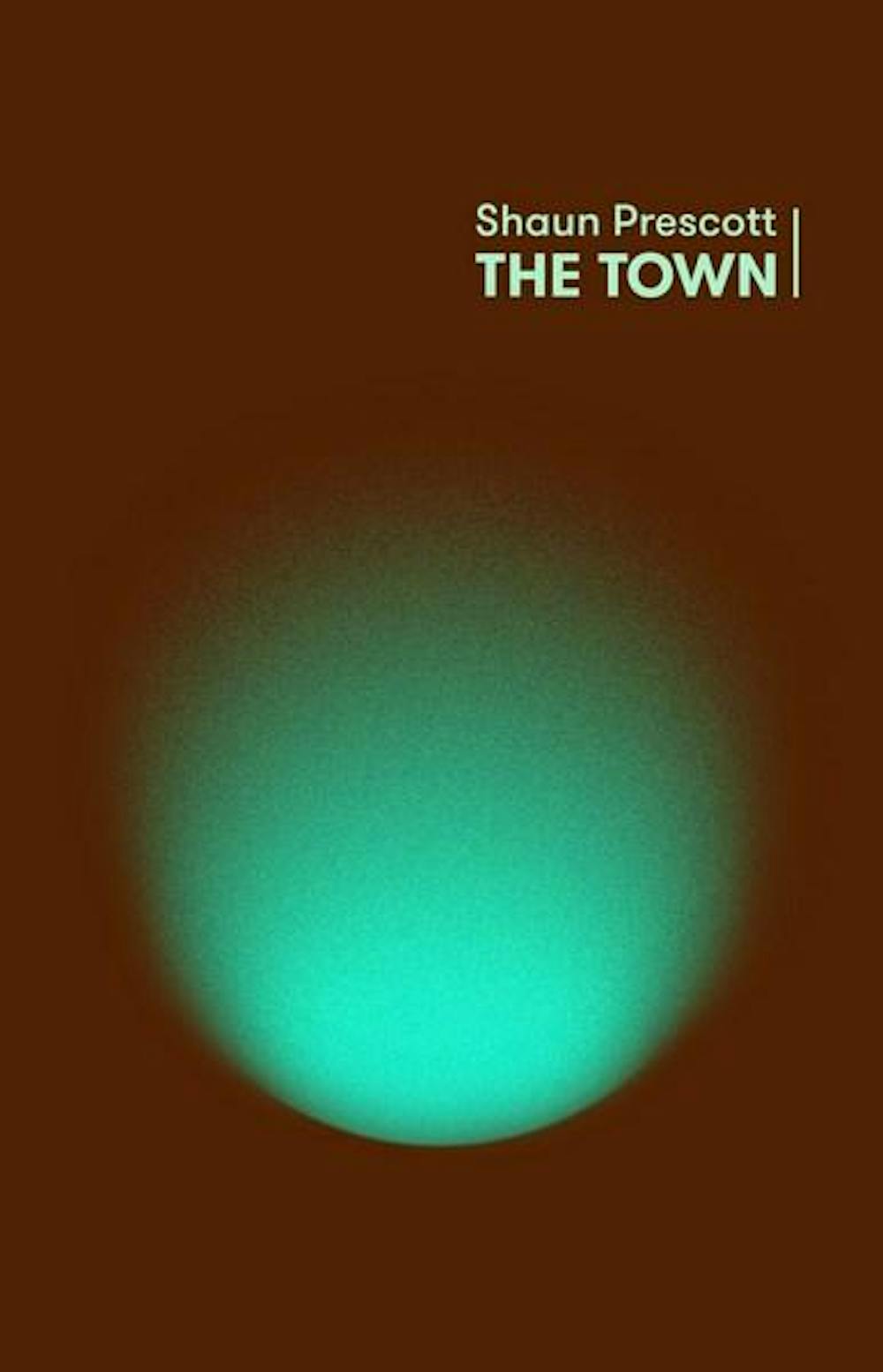
Woke to the past, Shaun Prescott’s The Town moves beyond colonialism and then its protagonist


In The Town, inhabitants don’t notice the place disappearing around them.
Greg Brave/Shutterstock

Bonny Cassidy, RMIT University

Why do we tell stories, and how are they crafted? In this series, we unpick the work of the writer on both page and screen.

From Patrick White’s Voss to Tim Winton’s Breath, white, male Australian novelists have reproduced the hero character through sexualised conquests of other bodies and spaces.

To limited levels of success, debut novelist Shaun Prescott explores alternatives to this tradition in The Town.

Women and nature to conquer

Voss, an anti-hero, virtually penetrates his immaculate lover, Laura, through telepathy; just as his journey into the “dead heart” of the country is both invasive and seemingly invisible.

Winton’s Pike looks back on a life defined by his own climactic physical drives towards the ocean and women. Despite rarely making sexual references, even Gerald Murnane’s narratives often employ traditional fantasies of women who, similar to his grassy horizons, are distant and mirage-like.

Though not without self-awareness, these stories repeat gendered male quests in which women and nature are analogous. They also reflect colonial visions of unpeopled landscapes for the taking.

Inspiring a new response

Written in the era of the Stella Count – a survey of newspapers, journals and magazines to gauge gender bias in Australian book reviews – Prescott’s The Town joins recent debuts by his peers, Jack Cox’s Dodge Rose (2016) and Tom Lee’s Coach Fitz (2018), in attempting to respond to a moment of intensified feminist and anti-colonial activism.

These novels follow the great renaissance of First Nations fiction led by Alexis Wright, Kim Scott and Melissa Lucashenko. They appear alongside culturally and sexually diverse settler stories by male authors like Omar Musa and Peter Polites. As a corollary to social change, the future of the white, heterosexual male character in Australian writing will undergo revision.

Murnane’s influence on The Town manifests in Prescott’s minute attention to Australian regionalism. It’s also there in Prescott’s reduction of that locality to abstractions, his narrator speculating:

If there’s a town in the countryside where I belong, it might already be hidden by some impenetrable shimmer.

Parochial dystopia

It’s David Ireland, though, who emerges as the most productive influence on Prescott. The latter may be continuing Ireland’s quite radical subversion of Australian gender images.

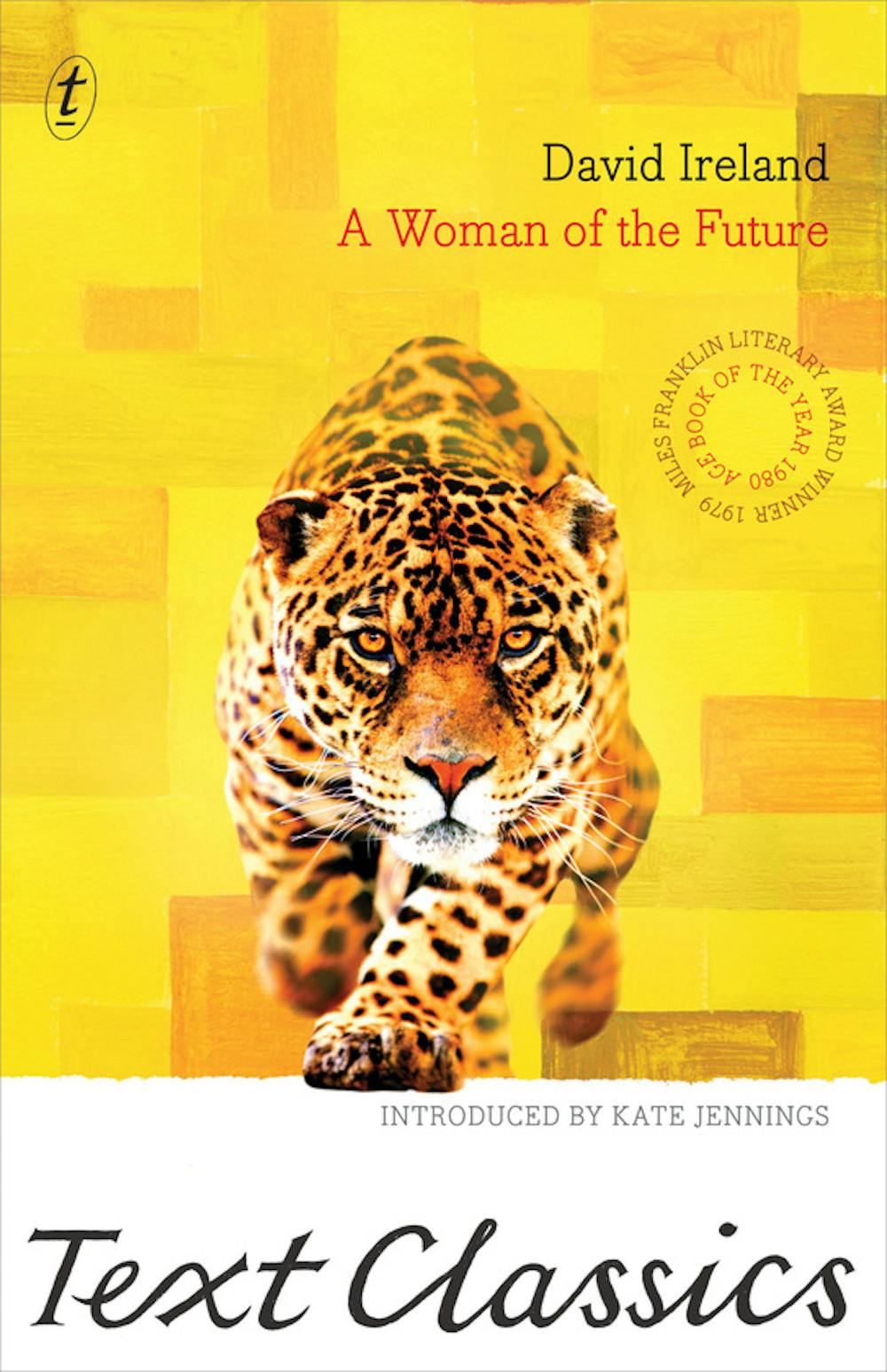
woman of the future.

Ireland’s novels, including A Woman of the Future (1979) and City of Women (1981), probe the edges of realism and project into dystopian or surreal futures, just as Prescott does in The Town. Like Ireland, Prescott creates a magical realist world of parochial plausibility.

Prescott’s unnamed narrator is attempting to write a book on disappearing Australian towns, when the one he has chosen to research begins to dissolve into blank gaps and holes. This happens both metaphorically, as plazas and supermarkets take over town precincts, and literally as a source of mild terror. It’s all relayed with a bemused, laconic tone of narration:

The shops in the main streets were all closing. Dust set in thickly, brochures and mail littered stoops, and signs lost their colour beneath the gloom of rusted awnings. These losses did not register with the townspeople: they wandered the air-conditioned plazas, entering and exiting via escalators from dark undercover car parks.

Not driven by desire

Prescott ups the ante when it comes to plot. His narrator is searching for purpose. He has no outwardly directed sexual drive and where attraction looks like it could become a motivation, it proves a red herring.

The narrator strikes up a rapport with his housemate’s girlfriend, Ciara, who becomes an ally. While she leaves her boyfriend and joins him on the road, the journey is neither romantic nor sexually tense. They are useful to one another. Her help makes the narrator feel “unqualified to speak”.

By reconstructing character conventions, Prescott flouts a heterosexual questing plot. Instead of sex, his narrator seeks food and drink, an austerely documented yet solo pastime.

Touching on the right to speak at the heart of anti-patriarchal and anti-colonial representations, the narrator’s cultural voice – his manuscript – peters out. A remnant sense of conservative responsibility compels him salvage what he can of the town’s disappearing culture. Ultimately, he comes to reject the goal as foolish and vain.

Alone in a crowd

The narrator ends up in Sydney, living in a car. Anonymity, incoherence and lost community define his experience of the city. Alone in the crowd, he observes an Anzac parade, a fleeting celebration of “unanimous sadness”. He concludes that collective cultural identity is a temporary truth. The man in the landscape, once silently independent, is now confused, homeless and deferential.

The narrator ultimately gives up on documenting the demise of the town.
Shutterstock

This is where the frame of the novel buckles. Prescott’s narrator must speak – a lot, and to us – so he remains our interpreter of the world. While he relinquishes anthropological detachment, he also encourages himself to let go of the town as a subject to be recorded.

The novel’s protagonist exceeds its fictive device. This leaves Prescott in a tricky spot; The Town is, after all, the promised manuscript about disappearing towns. Prescott doesn’t scramble his protagonist’s world or morality as Ireland does, but ends the narration of his own cultural theory.

Structurally, The Town outstays its plot, becoming circular and monotonous. The narrative veil over Prescott’s own voice can feel like an unnecessary smokescreen when his ideas might, after all, have reached greater depths in the form of an essay.

To speak or not to speak; Prescott seems undecided. We watch as a white Australian male writes himself a marginal relationship to the continent.The Conversation

Bonny Cassidy, Lecturer in Creative Writing, RMIT University

This article is republished from The Conversation under a Creative Commons license. Read the original article.
Unknown's avatar

2019 Prime Minister’s Literary Awards Winners


The links below are to articles reporting on the 2019 Prime Minister’s Literary Awards (the latest are at the top).

For more visit:
https://www.booktopia.com.au/blog/2019/10/23/see-all-the-winners-of-the-2019-prime-ministers-literary-awards/
https://www.booksandpublishing.com.au/articles/2019/10/23/141529/winners-announced-for-pms-literary-awards-2019/
https://www.booksandpublishing.com.au/articles/2019/10/10/140434/too-much-lip-shortlisted-for-pm-and-qld-literary-awards/

Unknown's avatar

The Children’s Library at the State Library of NSW


The link below is to an article reporting on the opening of The Children’s Library at the State Library of NSW (Australia) for the first time on the 12th October 2019.

For more visit:
https://www.smh.com.au/national/nsw/children-are-the-final-frontier-the-state-library-embraces-young-readers-20191004-p52xnp.html