Unknown's avatar

Old white men dominate school English booklists. It’s time more Australian schools taught Australian books


Shakespeare’s plays are still some of the most studied texts in school English.
from shutterstock.com

Larissa McLean Davies, University of Melbourne

In recent weeks, Australian universities’ commitment to teaching Australian literature has come under scrutiny. This came amid revelations Sydney University has withdrawn funding from its Chair of Australian Literature – the nation’s first.

Later news of the possible closure of UWA Publishing compounded anxiety about the future of Australian literary studies. An article in The Australian newspaper noted there is no local university in which an undergraduate student can specialise in Australian literature.


Read more:
The open access shift at UWA Publishing is an experiment doomed to fail


The concern goes beyond tertiary studies. We conducted a project exploring secondary school teachers’ engagement with Australian texts. We found Australian books are not consistently taught in classrooms and, when they are, they more often than not marginalise female, refugee and Indigenous authors.
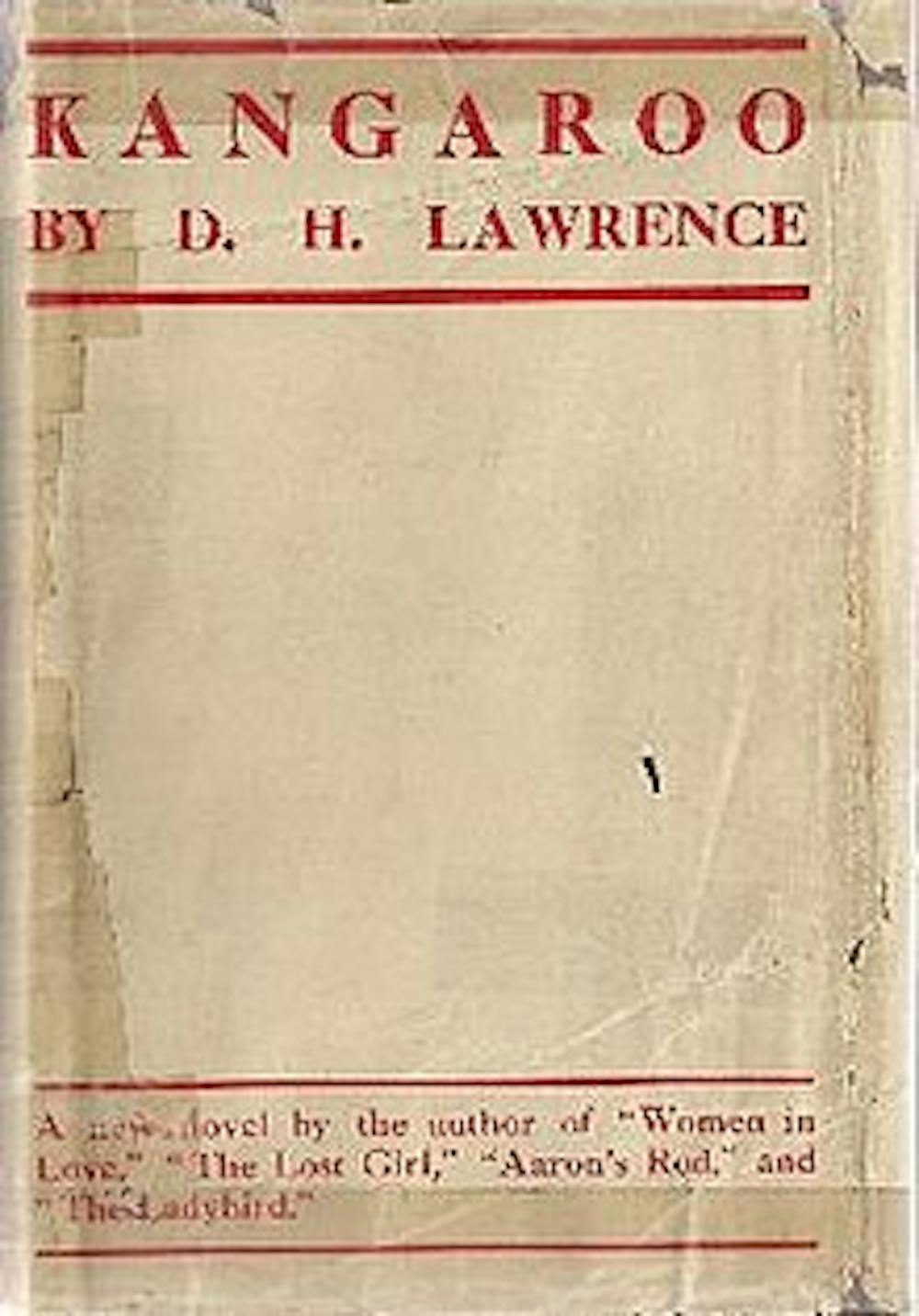
A professor famously said he would teach the novel Kangaroo, in the absence of appropriate texts by Australian authors.
Wikimedia commons

The demographic of Australian classrooms has changed significantly in the past fifty years. But the texts studied in English have remained remarkably stable.

In our multi-cultural society, where compulsory schooling is intended to help develop critically informed and empathetic citizens, this situation requires serious attention.

Why teachers don’t teach Aussie books

Studying English and literature in settler societies was historically intended to support students to value “Englishness”. As a result, Australian literature, if it was acknowledged at all, was systematically marginalised and maligned in the 19th and early 20th centuries.

In the 1940s – in a precursor to what we now call the “cultural cringe” – an English professor famously renounced Australian literature. He said that, in the absence of appropriate books by Australians, he would lecture on DH Lawrence’s novel, Kangaroo.


Read more:
‘Australia has no culture’: changing the mindset of the cringe


Australia’s first national curriculum, in 2008, attempted to respond to this enduring imperial literary legacy. It mandated teaching Australian literature, placing Aboriginal and Torres Strait Islander literature at the heart of this commitment.
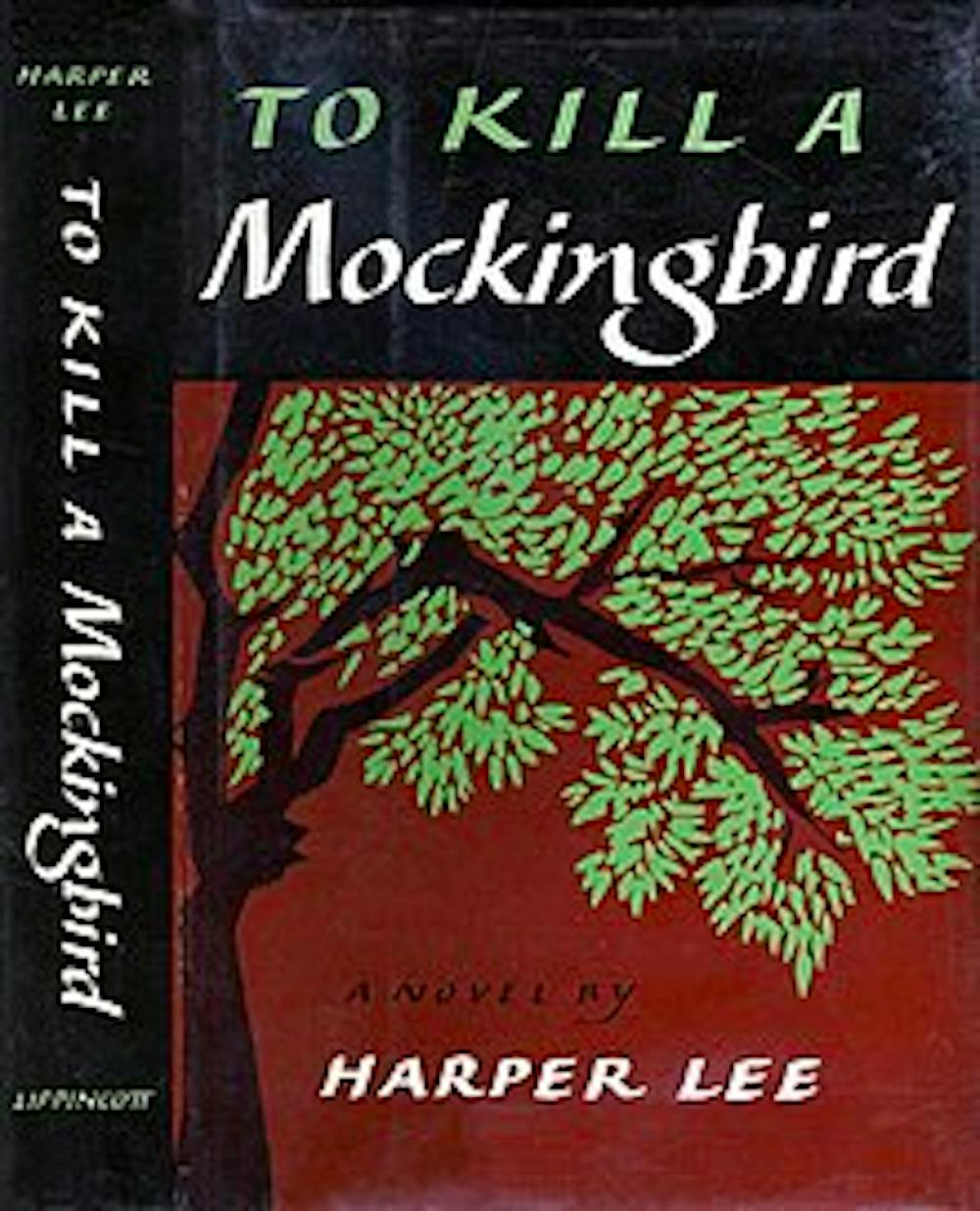
Harper Lee is one of two female authors on the list of the top 15 books taught by English teachers we compiled from our national survey.
Wikimedia commons

Most states and territories have mandated text lists for school senior years, which generally include titles by Indigenous authors. But recent research in Victoria has shown school uptake of these texts is limited.

Our research shows teachers are often reluctant to select books by Australian authors. Reasons for this include a limited knowledge of diverse Australian texts, often due to a lack of exposure to Australian literature at school and university.

There are fewer teaching resources for Australian literature too and teachers are concerned about inaccurately representing the stories of Indigenous Australians.

Some teachers we spoke to also raised questions about the quality of Australian literature, as compared with more established canonical texts. One teacher said:

While I appreciate that it is important to have Australian literature in the curriculum […] I find that Australian texts are often very similar and this limits the number of themes and ideas the students are exposed to over the course of their education.

We also conducted a national survey of more than 700 English teachers, asking them what books they taught in class. The following top 15 texts were most referenced:
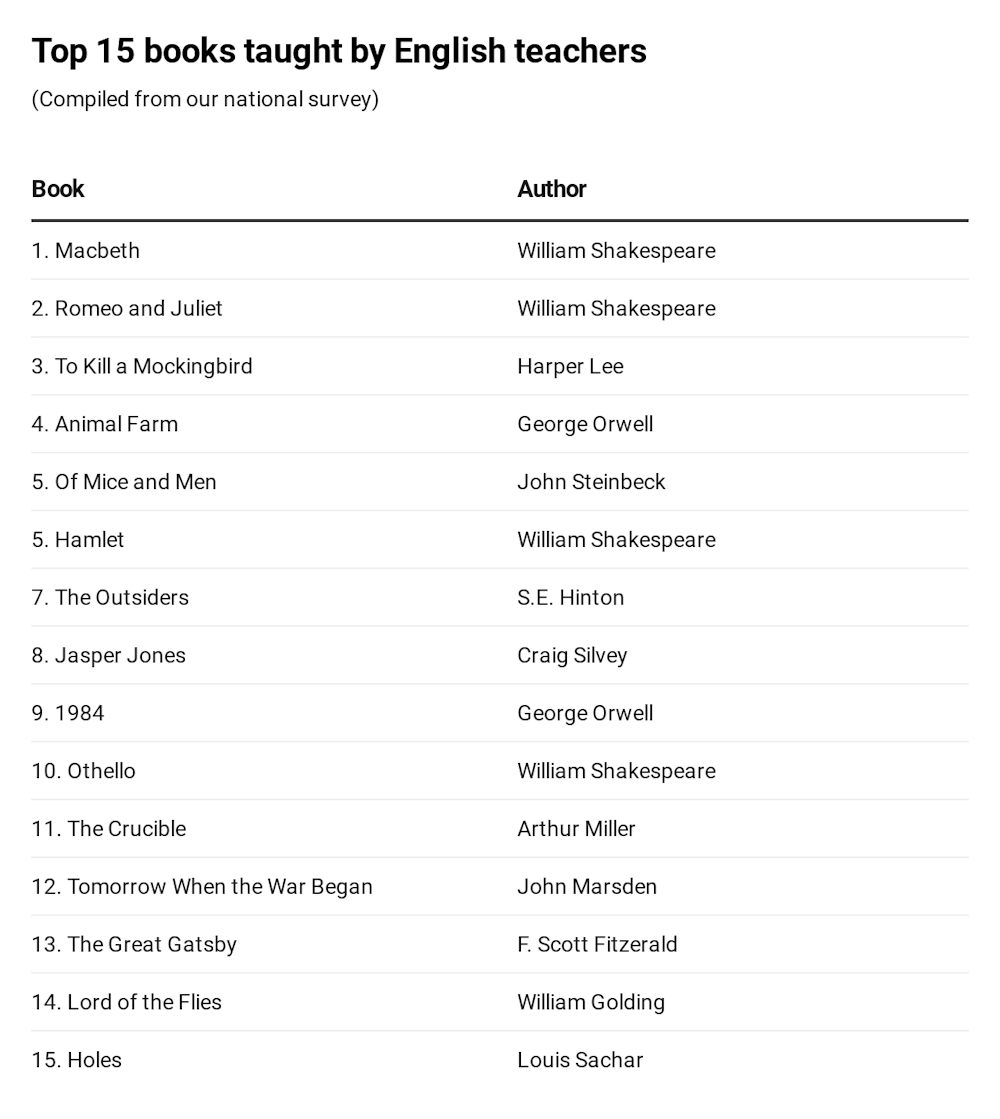


This should not be seen as a definitive list of texts most used in Australian classrooms. But it does offer insight into the relative status of Australian literature in the curriculum.

Most works on this list are written in the past, by male British or American writers. Most of these have formed part of the school literary canon for generations. There are only two texts by women, Hinton and Lee, and no texts by Australian women, migrant Australians or Aboriginal writers.


Read more:
Diversity, the Stella Count and the whiteness of Australian publishing


The only texts by Australians cited here are Marsden’s 1990s dystopian invasion series and Silvey’s 2009 coming of age novel.

How do we change it?

Our research showed teachers need more time, knowledge, resources and confidence to include more Australian literature in the classroom. This is not surprising given teachers we surveyed and interviewed often completed both secondary and tertiary studies in English without significant experiences of Australian literature.
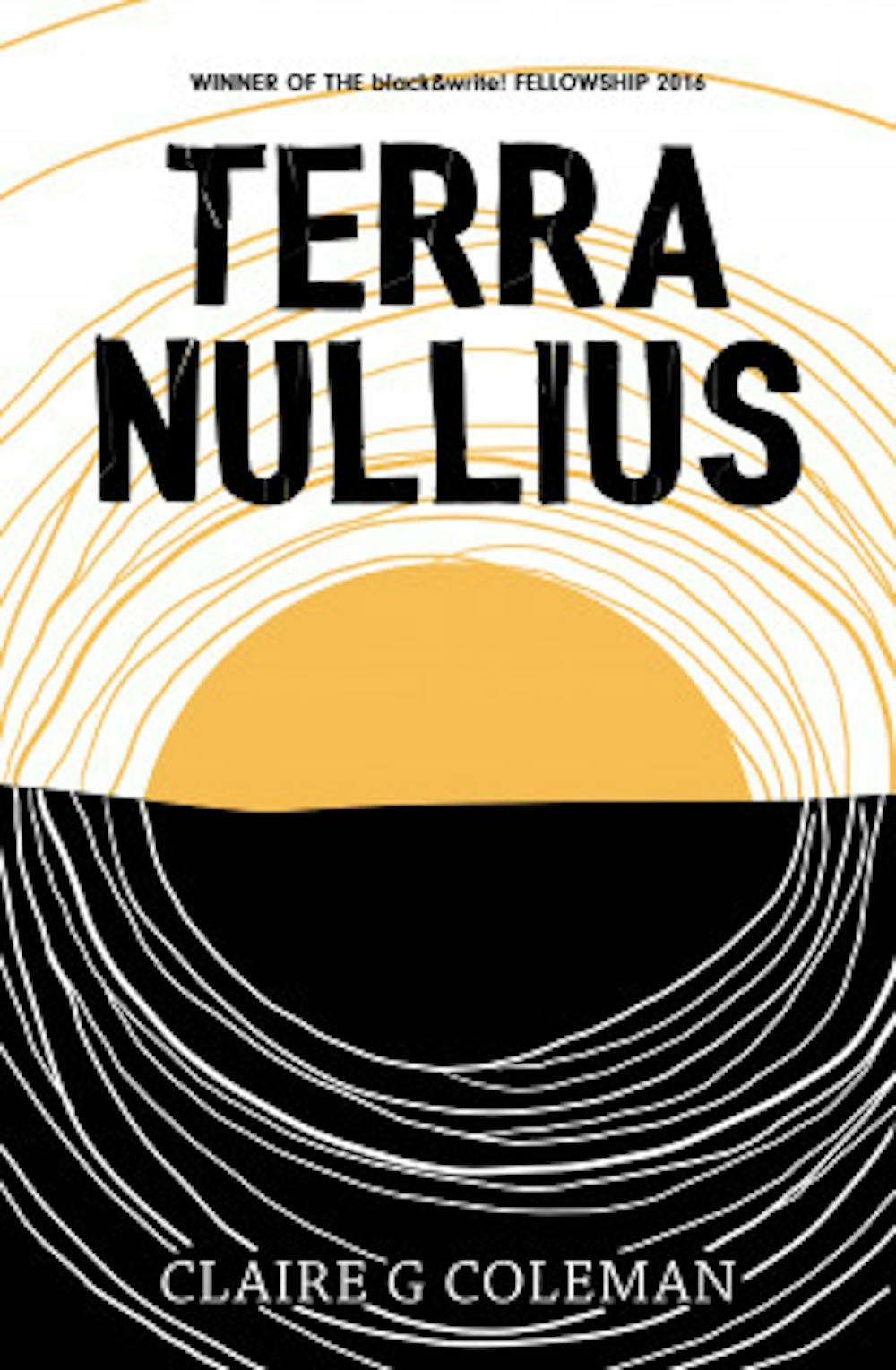
Coleman’s speculative fiction novel has been studied by our teacher researchers.

In response, colleagues and I have partnered with the Stella Prize (a literary award for Australian women writers) to develop the teacher-researchers project.

Teachers select a text from the Stella long-list. They then work intensively with the project team – which includes teacher-educators and Australian literary studies experts – and university archives or other cultural collections, to develop resources to teach their chosen texts that can be shared.

Texts in this pilot project have included Heat and Light by Ellen Van Neervan, Terra Nullius by Claire G. Coleman and The Hate Race by Maxine Beneba Clarke.

This project will expand the literary knowledge and experiences of teachers, students and school communities involved. But a concerted, bipartisan and enduring commitment to resourcing scholarship and teaching of Australian writing across universities and schools is imperative.

If we are to ensure all students experience Australian stories from the past and the present, Australian writing, in all its rich diversity, must be a central part of a literary education.The Conversation

Larissa McLean Davies, Associate Professor Language and Literacy Education, University of Melbourne

This article is republished from The Conversation under a Creative Commons license. Read the original article.
Unknown's avatar

2019 Readings Prize for New Australian Fiction Winner


The link below is to an article reporting on the winner of the 2019 Readings Prize for New Australian Fiction, ‘The Glad Shout,’ by Alice Robinson.

For more visit:
www.booksandpublishing.com.au/articles/2019/11/14/142143/the-glad-shout-wins-readings-prize-for-new-australian-fiction/

Unknown's avatar

Amazon and Library Ebook Lending


The link below is to an article that is worth considering in the library ebook lending controversy – for Amazon is probably the worst offender when it comes to this.

For more visit:
https://the-digital-reader.com/2019/10/25/sometimes-amazon-is-more-evil-than-the-major-publishers/

Unknown's avatar

How Words are Added to the Dictionary


The link below is to an article that takes a look at how words are added to the dictionary.

For more visit:
https://bookriot.com/2019/10/23/how-are-words-added-to-the-dictionary/

Unknown's avatar

Paying to Browse?


The link below is to an article that takes a look at paying a fee to browse physical bookshops/bookstores. Would you do so?

For more visit:
https://www.newyorker.com/culture/cultural-comment/should-we-pay-to-enter-bookstores

Unknown's avatar

2019 Baillie Gifford Prize for Nonfiction Shortlist


The link below is to an article that takes a look at the shortlist for 2019 Baillie Gifford Prize for Nonfiction, formerly the Samuel Johnson Prize.

For more visit:
https://www.booksandpublishing.com.au/articles/2019/10/23/141539/baillie-gifford-prize-for-nonfiction-2019-shortlist-announced/

Unknown's avatar

2019 Readings Prize for New Australian Fiction Winner


The link below is to an article reporting on the winner of the 2019 Readings Prize for New Australian Fiction – Alice Robinson’s second novel, The Glad Shout.

For more visit:
https://www.booksandpublishing.com.au/articles/2019/10/22/141519/the-glad-shout-wins-2019-readings-prize-for-new-australian-fiction/

Unknown's avatar

Kindle Hackers


The link below is to an article that takes a look at current Kindle hacking and hackers.

For more visit:
https://onezero.medium.com/kindle-hackers-are-disabling-tracking-and-ads-d00d1ad804b0

Unknown's avatar

2019 Walkley Book Award Longlist and Shortlist


The link below is to an article taking a look at the longlist for the 2019 Walkley Book Award.

For more visit:
https://www.booksandpublishing.com.au/articles/2019/10/18/141415/walkley-book-award-2019-longlist-announced/

The links below are to articles taking a look at the shortlist for the 2019 Walkley Book Award.

For more visit:
https://www.booktopia.com.au/blog/2019/11/08/2019-walkley-book-award-shortlist-announced/
https://www.booksandpublishing.com.au/articles/2019/11/07/142069/walkley-book-award-2019-shortlist-announced/

Unknown's avatar

‘Like volcanoes on the ranges’: how Australian bushfire writing has changed with the climate


Grace Moore, University of Otago

Bushfire writing has long been a part of Australian literature.

Tales of heroic rescues and bush Christmases describe a time when the fire season was confined only to summer months and Australia’s battler identity was forged in the flames.

While some of these early stories may seem melodramatic to the modern reader, they offer vital insights into the scale and timing of fires and provide an important counterpoint to suggestions from some politicians this week that Australia’s fire ecology remains unchanged in the 21st century.


Read more:
Mr Morrison, I lost my home to bushfire. Your thoughts and prayers are not enough


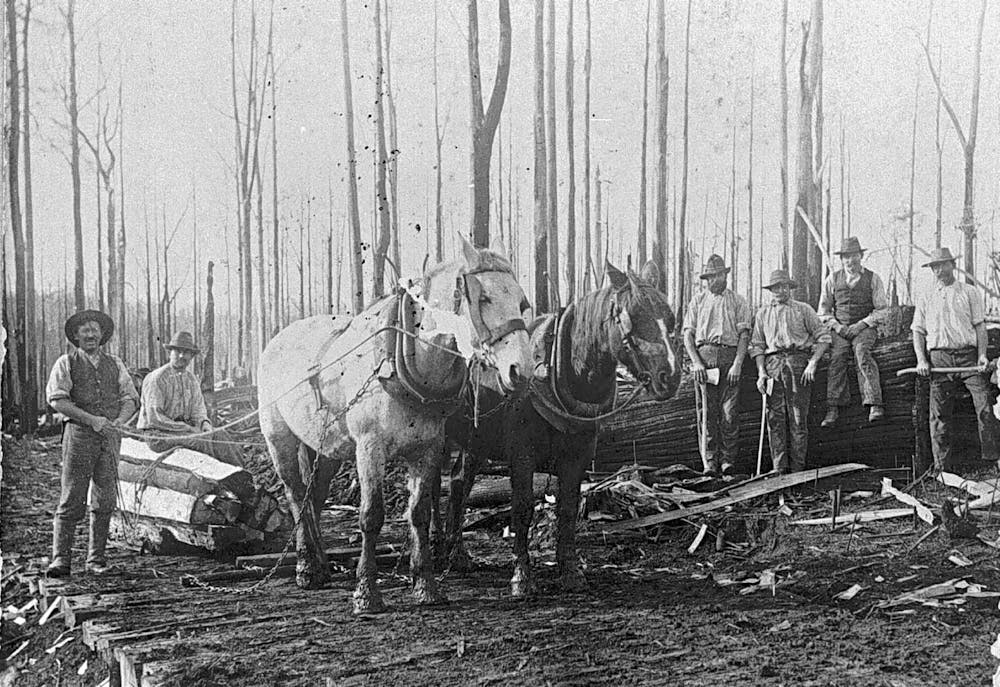
After an apparent bushfire, a horse team pulls timber at Lavers Hill in Victoria, circa 1895.
Museum Victoria/NLA

A contender for the first fictional representation of an Australian bushfire is Mary Theresa Vidal’s The Cabramatta Store (1850). Although she does not specify a month, Vidal is very clear regarding the season and the oppressive, sweltering heat:

It was one of the hottest days of an unusually hot and dry Australian summer. No breeze stirred the thin, spare foliage of the gum-trees, or moved the thick grove of wattles which grew at the back of a rough log hut.

Vidal’s account of the bushfire that ensues is evocative and intense:

The tall trees were some of them red hot to the top; the fire seemed to run apace, and every leaf and stack was so dry there was nothing to impede its progress.

Postcards from Australia


Cambridge University Press

Vidal was not alone in treating fire as a fleeting, one-off incident. Other early accounts, such as Ellen Clacy’s 1854 romance story A Bushfire, or the prolific novelist William Howitt’s A Boy’s Adventures in the Wilds of Australia of the same year follow Vidal in depicting the bushfire as an isolated catastrophe.

Howitt’s novel takes the form of a notebook kept by Herbert, a recent young migrant, who recounts the wonder of his new life in the Bush. Though he doesn’t experience a fire at first-hand, Herbert regales the reader with another family’s bushfire adventure in lieu of his own. Yet in closing his account, dated January 14, he writes:

I wonder whether, after all, I shall see a bush-fire. During the last week we have seen lurid smoke by day, and a deep-red cloud by night … immense fires are raging in the jungle.

For Herbert, surviving a bushfire is a settler rite of passage and again, the dating of his entry emphasises the fire as a uniquely summer concern. The boyish narrator, though, cannot appreciate the trauma and severity of Antipodean fire.

An annual event

Over time, the settler community began to understand fire as a recurring phenomenon and the tone of fire stories shifted from a triumphant celebration of settler endurance, to a more brooding acceptance that the flames would return another year.


Dymocks

So season-bound was this understanding, a sub-genre of bushfire fiction emerged: the Christmas fire story. These works responded to the Victorian enthusiasm for yuletide tales, while at the same time highlighting the often horrific seasonal tribulations of bush-dwellers.

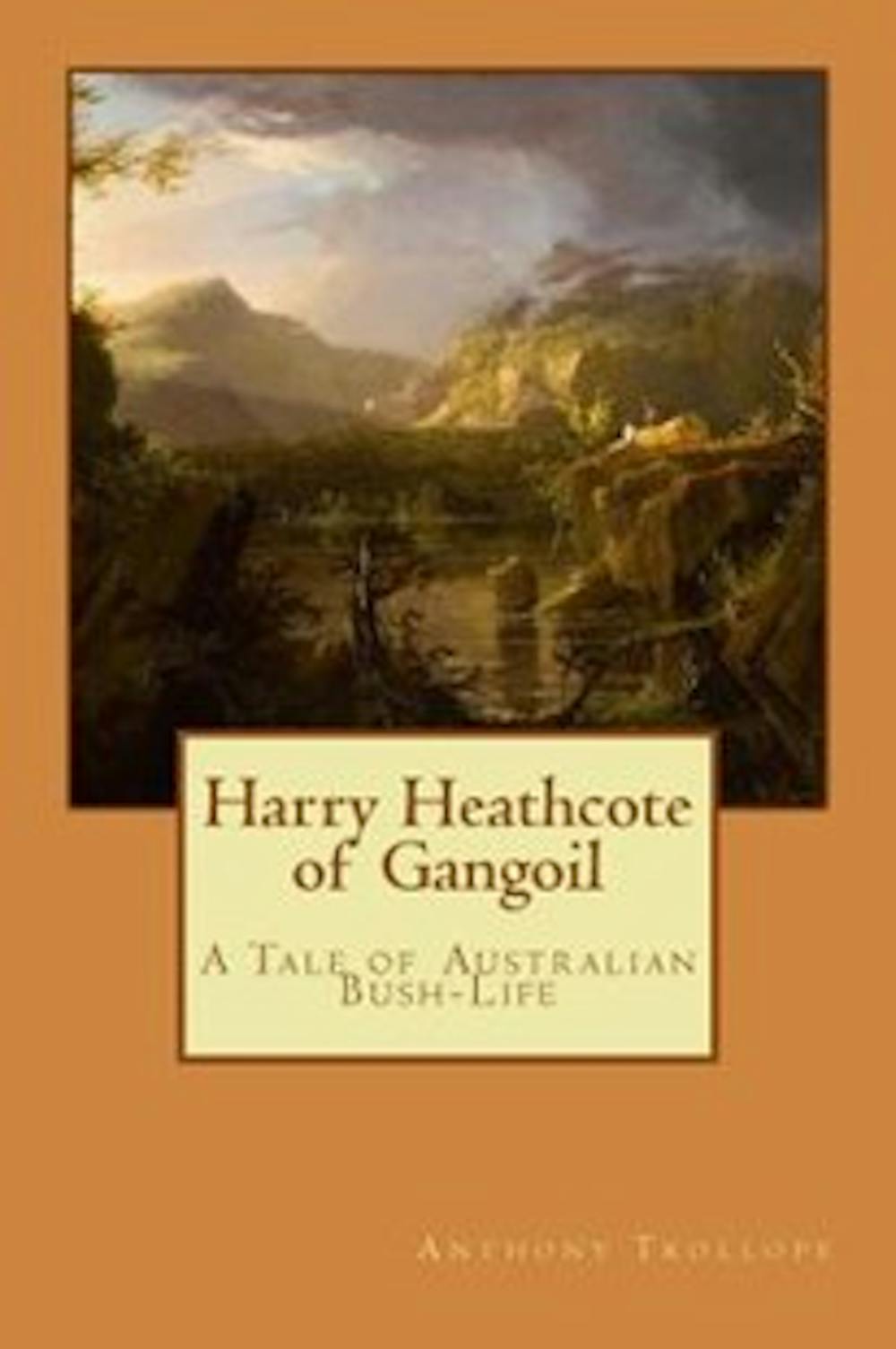
While there are many examples of Christmas fire stories, one of the best-known is Anthony Trollope’s novella Harry Heathcote of Gangoil (1874).

The plot, which takes place in the sugar-growing region of Queensland, revolves around the protagonist Harry’s deep fear of fire. Trollope highlights the hostility of the climate, the dangers posed by deforestation, and the deep-rooted anxieties that haunted migrant farmers each summer.

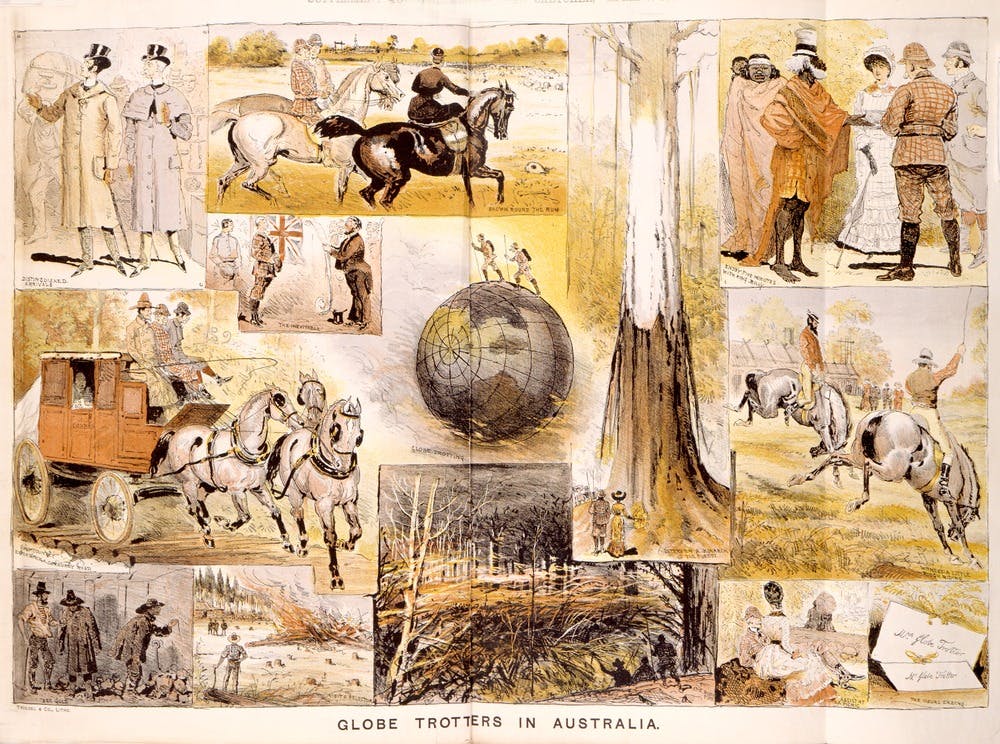
Exotic and dangerous tales from Australia – these images were published in The Australasian sketcher, April 9, 1884 – depicted life for settlers and visitors to those back in England.
Troedel & Co, lithographer/State Library of Victoria

There are countless other works that allow us to map the Victorian era fire season.

Henry Kingsley’s sprawling 1859 novel The Recollections of Geoffry Hamlyn begins with another date reference:

Near the end of February 1857 … it was near the latter end of summer, burning hot, with the bushfires raging like volcanoes on the ranges, and the river reduced to a slender stream of water.

Once again here, the date identifies fires specifically with the summertime.

Climate emergency fiction

While 19th century fire stories offer a date-stamped and clearly defined fire season, today’s novelists work with a much less predictable set of environmental conditions.

The backdrops for the crime novelist Jane Harper’s thrillers The Dry (2016) and The Lost Man (2018) are tinder-dry rural communities, where years of drought mean fire could erupt at any moment.

Realist writing is capturing changing conditions, just as it did for settlers more than 150 years ago. Australia may always have been the “continent of fire”, as historian Tom Griffiths terms it, but literature shows us those fires are more prolific and less predictable now than ever before.The Conversation

Grace Moore, Senior lecturer in English, the University of Otago, New Zealand, University of Otago

This article is republished from The Conversation under a Creative Commons license. Read the original article.