In a letter to James AH Murray in 1879, the writer ME Lewes wrote “I wish always to be quoted as George Eliot”. She perhaps would not have been pleased by a new campaign from The Women’s Prize for Fiction and its sponsor, Baileys called Reclaim Her Name campaign.
Marking the 25th anniversary of The Women’s Prize, under the bold tagline of “finally giving female writers the credit they deserve”, 25 novels have been reprinted using the real names of 26 writers who used male pseudonyms.
The scheme may have some positive outcomes, such as introducing readers to writers and works they might not have otherwise discovered. However, whether it gives female writers the credit they deserve is up for debate.
Mary Ann, Marian and George
The collection’s lead title, touted in all press coverage of its release, is George Eliot’s Middlemarch (1872) – now published with the author’s name given as Mary Ann Evans. Though this was the name given to her at birth, Eliot’s “real name”, or the name by which we should refer to her, has been a matter of debate by researchers for years.
She experimented with alternative spellings like Marian and with completely different names like Polly, used her common-law husband’s surname, Lewes, for much of her literary career, and was known as Mrs Cross at the time of her death. 19th-century readers would have known exactly who to assign credit to. Her true identity was revealed shortly after the publication of her second novel, Adam Bede (1859), and at the height of her literary fame she signed correspondence ME Lewes (Marian Evans Lewes).
Eliot’s own consideration of the name she should be known by is as complicated a psychological and moral question as any depicted in her novels. However, her wish to be known professionally as George Eliot is resolute and clearly articulated. It helped her separate her personal and professional personas. Choosing a name to publish under is an important expression of agency and using a different name without the author’s input and consent deprives them of that agency rather than reclaiming it.
It is also important to debunk a common misconception to understand why this campaign is misguided. In George Eliot’s time, women did not have to assume male pseudonyms to be published. Writers who opted to use pen names tended to choose ones that aligned with their own genders. In fact, in the 1860s and 70s men were more likely to use female pseudonyms than vice versa. William Clark Russell, for example, published several novels under the name Eliza Rhyl Davies.
There has been much discussion among scholars concerning Lee’s gender identity, with many believing that in a 21st century setting the author may have identified as a trans man. This makes the inclusion of Lee’s birth name (also known in the trans community as a deadname) particularly troubling.
Katherine Harris Bradley and Edith Emma Cooper. Wikimedia
Meanwhile, Field was the pen name for a pair of writers — Edith Cooper and Katharine Bradley. The name Michael Field represented their collaboration, with Michael representing Bradley and Field representing Cooper. Bradley’s name is misspelt (with an “e”, rather than an “a”) in the collection – another indication that this project may not have been completed with the degree of care one might expect from a literary prize. Like Lee, the pair expressed discomfort with being seen as women as authors.
Ultimately, the problem with the Reclaim Her Name project is one of agency. The writers included in the project chose the names that would be associated with their works and, in many cases, continued to use these pseudonyms after their identities had been revealed. Their reasons for choosing to write under pen names were complicated and, in some cases, we may never know why those decisions were made. One thing is clear, though: if we choose to override these decisions then we are choosing to deny a woman agency. We are not “reclaiming” names, but imposing them.
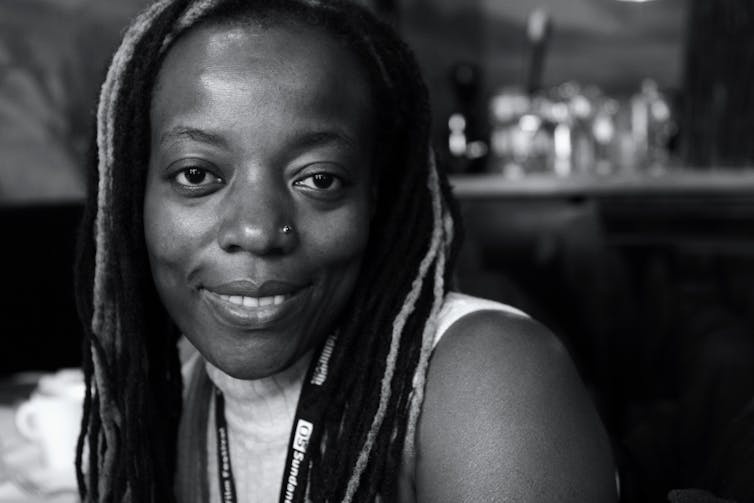
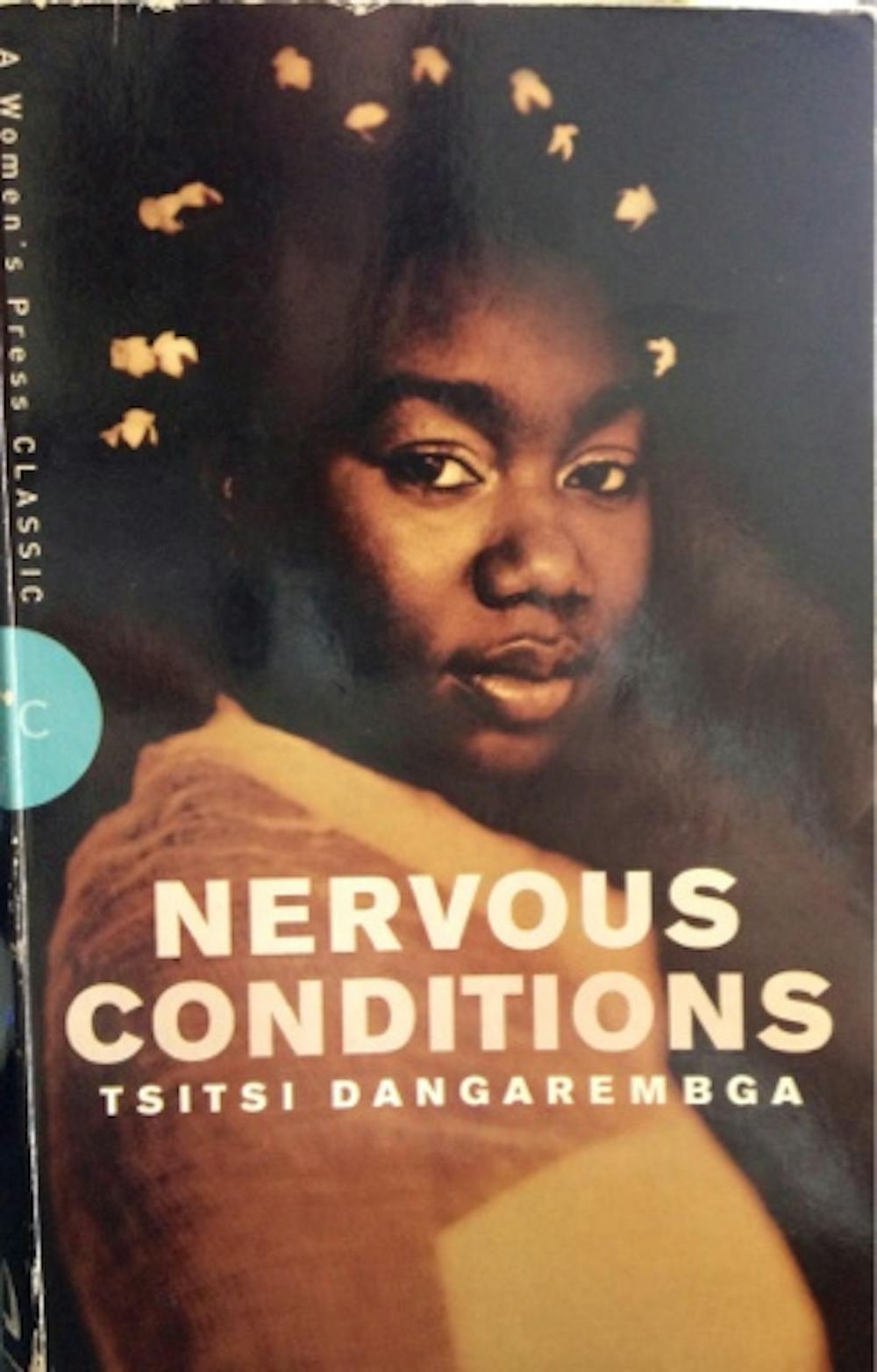
Tsitsi Dangarembga has made a name for herself as a writer, filmmaker and activist in Zimbabwe. She gained international acclaim with her debut novel NervousConditions (1988), which became the first published English novel by a black woman from Zimbabwe. The BBC named it one of the top 100 books that have shaped the world.
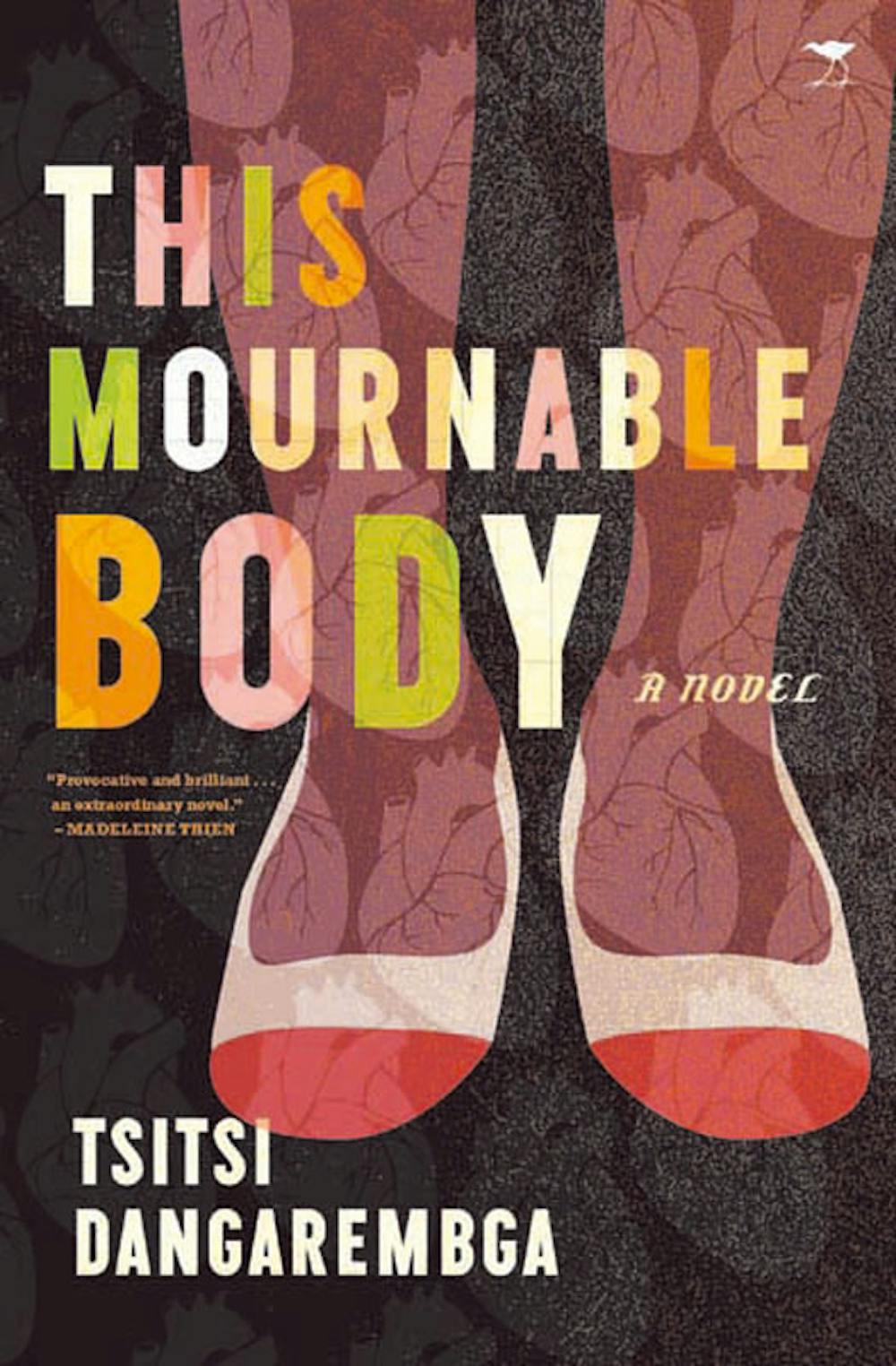
Now, over three decades later, Dangarembga’s latest novel – This Mournable Body, the third in a trilogy that began with Nervous Conditions and the subject of this review – has been placed on the longlist for the 2020 Booker Prize. The news broke a few days before Dangarembga’s arrest for demonstrating against the government amidst a clampdown on critical voices in the country.
There have been other Zimbabwean women writers of note after Dangarembga, such as the late Yvonne Vera, and more recently NoViolet Bulawayo, Novuyo Rosa Tshuma and Petina Gappah. Most of their works have won international awards, with NoViolet Bulawayo being the first black African woman and the first Zimbabwean to be shortlisted for the Man Booker Prize for the novel We Need New Names (2013).
Reading Zimbabwe/The Women’s Press
What distinguishes Dangarembga is her centralisation of burning issues concerning the freedom of women in Zimbabwe’s patriarchal socio-economic and political milieu. Besides her three novels, she has written plays, the best known of which is She No Longer Weeps (1987) and has played various roles in Zimbabwean filmmaking including writing and directing such films as the popular Neria and Everyone’s Child.
The return of Tambudzai
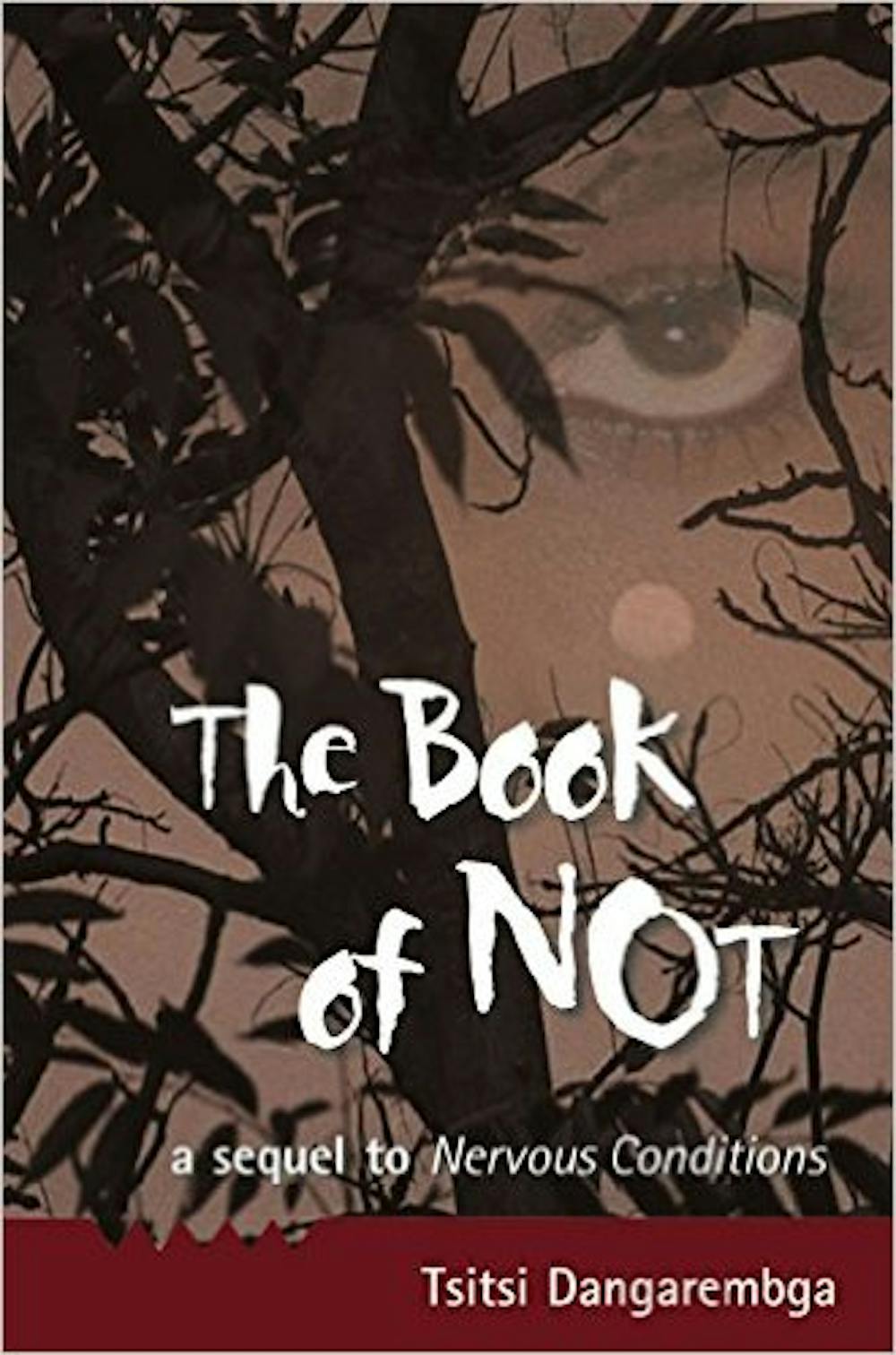
As a trilogy, Nervous Conditions was followed by The Book of Not (2006) and This Mournable Body (2018). Nervous Conditions, with its girl child protagonist, Tambudzai, is an introductory representation of British colonisation of Zimbabwe and how people, particularly women, coped with the intersectional oppressions of the racial, classist and gendered structure of relations. It ends with hope that Tambudzai, in her resilience, will triumph – only for The Book of Not to present her as a “non-person” who goes through some form of psychic self-annihilation that reduces her to an “I was not” as she struggles to cope with the racial exclusions at her white boarding school. The Book of Not thus annihilated Tambudzai for me and I hoped that another sequel would resuscitate her. That is why I was excited to hear that Dangarembga had written another sequel and promised myself I would buy a copy.
Ayebia Clarke Publishers
However, a few friends had thrown in spoilers and I also felt very apprehensive. I was torn between wanting to read the book and not wanting to. I love happy endings. If I read a book and it does not end as I expected, it weighs down on me and I take a long time to unwind myself from the story while trying to write my own suitable ending. As fate would have it, a student asked me to supervise their dissertation on Dangarembga’s trilogy. The book was literally haunting me, mourning for me to read it, but I held out until I was asked to contribute to a published roundtable on the trilogy.
The painful reading
I borrowed a copy from a colleague and began the painful reading. I was horrified by the Tambu in This Mournable Body. She was unrecognisable from the rural, disciplined girl who subtly fought to get an education like her brother in Nervous Conditions; the girl who daringly uttered, “I was not sorry when my brother died”. I could easily identify with the young girl in the 1960s, when patriarchy preferred to send boys to school and raise girls for marriage. That young girl reminded me of my own mother’s tenacity in trying to acquire an education for herself and later for my brothers and sisters in the harsh economic colonial environment of Rhodesia.
Jacana Media
I could identify with Tambu’s victory on going to the mission school. Unlike her cousin Nyasha, she had a solid African background that would enable her to remain culturally rooted. She would even be more versatile and relevant than her uneducated aunt Lucia. She would not be as docile and submissive as her sister Netsai, who lost a leg in the liberation war in The Book of Not. The ending of Nervous Conditions was thus a happy ending for me, because of this promise of growth.
I now know that I had only driven myself to these conclusions in search of my own happy endings. No African novels I had read before Nervous Conditions had happy endings for “integrated” African characters. White contact had become synonymous with ngozi, a vengeful spirit.
I felt angry at Tsitsi Dangarembga for writing This Mournable Body. It was a very difficult book for me to read. The Tambu of This Mournable Body is like a wounded animal. I was even horrified by the aloofness in the narration and the spectatorship of rape and its trauma, to the indifference to violence and abuse.
I am Tambu
I have since realised that I am only angry at the reality of the Zimbabwean body of pain that This Mournable Body evokes. I did not want to read the novel because I did not want to face the individual realities that are so familiar among many men and women in my country. Like with Tambu, pain has been simmering in us over time.
Tsitsi Dangarembga’s arrest on 31 July 2020 in Harare. Zinyange Auntony/AFP via Getty Images
This Mournable Body blurs the boundaries of time. The Tambu of Nervous Conditions was one I could envision through my mother’s past, from a colonial history that I only knew by my connection to her. As I read This Mournable Body, I was aware of the conflation of the immediate post-independent period and the contemporary moment. Lucia’s and Christine’s war scars have easily defied temporalities. Many a Zimbabwean is hopping on Netsai’s single leg. There is no affluence even for the anglicised like Nyasha. I am Tambu.
This Mournable Body resonates with individual Zimbabweans at a personal level. Both the nation and its people become mournable bodies whose “grievability” is exhumed through the text and especially now when #ZimbabweanLivesMatter is taking shape after the arrest of activists.
Tambu’s jealousies, her tears, and her madness are not ngozi. The Zimbabwean pain body courses through the novel like a daughter’s shame and a mother’s love and memory, packaged in a sack of mealie-meal. Who knows if it is a question of not knowing the womb or one of not knowing how to come back to it? This Mournable Body has a happy ending after all. Tambu comes back home. And as Dangarembga herself states:
Writing a pain body and also reading such a body are acts of resistance and triumph.
Meet Otis. He’s eight years old and until recently he didn’t want to read or write. Then his teacher changed the way she taught and things began to improve.
After a few weeks, Otis (not his real name, but he’s a real child) wanted to read and write at every opportunity. With this new-found knowledge and motivation his skill increased too. And his confidence.
So what was different? Technically, Otis’s teacher had begun using what is known as a structured approach to teaching literacy. Essential for children with a literacy learning difficulty such as dyslexia, it has been shown to be beneficial for all children.
The structured approach is a departure from what is known as the “implicit” teaching approach most teachers have used in the classroom. There are now calls for “explicit” instruction to be adopted more generally, including a petition recently presented to the New Zealand Parliament.
New data suggest this is an urgent problem, with growing numbers of young people turning off reading. According to a recent report from the Education Ministry’s chief education science adviser, 52% of 15-year-olds now say they read only if they have to – up from 38% in 2009.
The report made a number of recommendations, including that the ability to “decode” words become a focus in the first years of school. The importance of decoding to literacy success was reiterated by learning disability and dyslexia advocacy group SPELD NZ. It called for a change in teacher training and urgent professional development in structured literacy teaching.
Structured literacy teaching means the knowledge and skills for reading and writing are explicitly taught in a sequence, from simple to more complex. Children learn to decode simple words such as tap, hit, red and fun before they read words with more complex spelling patterns such as down, found or walked.
Learning correct letter formation is a priority. Mastery of these skills builds a strong foundation for reading and writing, without which progress is slow, motivation stalls and achievement suffers.
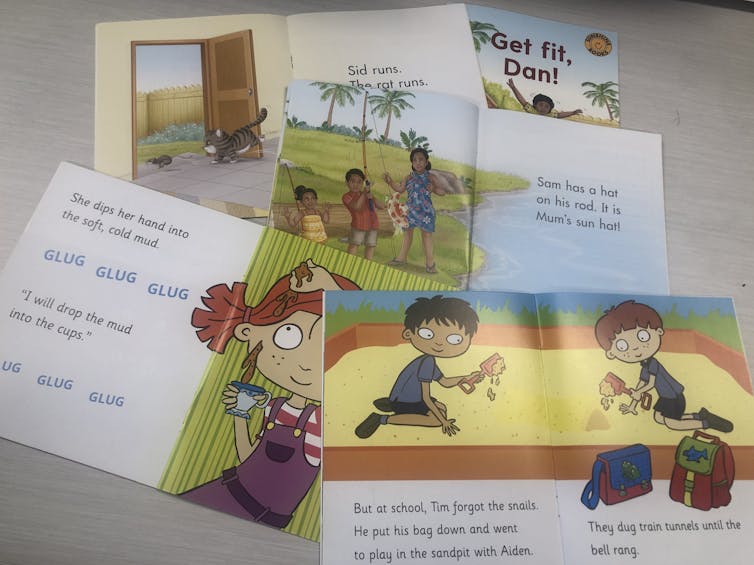
The simple spelling in structured literacy texts helps children decode the words and build confidence. Author provided
The books children first read in a structured approach employ these restricted spelling patterns. Reading these with his teacher’s help, Otis built on his skills with simple words and progressed to decoding words with advanced spelling patterns.
These structured lessons also allowed him to master letter and sentence formation, so he made progress in writing too.
Old approaches aren’t working
By contrast, an implicit approach to teaching reading essentially means children have lots of opportunities to read and write, and learn along the way with teacher guidance.
Unfortunately, children like Otis can get lost along the way, too.
Implicit reading books use words with a variety of spelling patterns – for example: Mum found a sandal. “Look at the sandal,” said Mum.
When Otis tried to read these books, he looked at the pictures or tried to remember the teacher’s introduction before attempting the words. But he was not building his skills and was getting left behind.
Otis is not alone, and New Zealand’s literacy results support the calls for change. Despite many interventions and the daily hard work of teachers, it is common for schools to report 30% of children with low reading results and 40% with low writing results.
However, a Massey University study in 2019 found reading outcomes improved when teachers were trained in a structured approach. The results were particularly good for children with the lowest results prior to intervention.
Overall, the findings suggest the change in teaching had a positive effect on children’s learning.
An example of how structured literacy is taught in the US; methods vary depending on the country.
Change is already happening
Fortunately for children like Otis, more teachers are now seeking training in a structured approach. One project based on the Massey research involved more than 100 teachers in over 40 schools. Teacher comments suggest the knowledge and training support has helped them change their teaching for the benefit of the whole class.
Further signs of hope include recent Ministry of Education efforts to develop structured approach teaching materials, and the resources now available for teachers on the ministry’s Te Kete Ipurangi support site.
No one pretends change is easy in a complex area such as literacy teaching. But every child like Otis has the right succeed, and every teacher has the right to be supported in their approach to helping Otis and his peers learn.
With courage and effort at every level of the system – not just from classroom teachers – a structured approach to literacy teaching can improve outcomes and have a positive impact that will stay with children for the rest of their lives.







 At the BookShelf


#/media/File:Katherine_Harris_Bradley_&_Edith_Emma_Cooper_(2).jpg)
You must be logged in to post a comment.