Unknown's avatar

Grief, racism and uncertain futures: your guide to the 2019 Miles Franklin shortlist


The six shortlisted authors for this year’s Miles Franklin, from left to right: Michael Mohammed Ahmad, Gail Jones, Gregory Day, Melissa Lucashenko, Rodney Hall and Jennifer Mills.
Courtesy of the Miles Franklin/ Belinda Rolland

Jen Webb, University of Canberra

I think it’s fair to say that each year the selected novels on the Miles Franklin shortlist manifest the zeitgeist, reflecting on some of the issues that are troubling society.

This year they take on and inflect some signature themes: racial/cultural relationships; human engagement with the natural world; and, threading through each novel, the problem of mourning – for lost loves, for the ruins of the past, for uncertain futures, for a hurt planet.

A Sand Archive
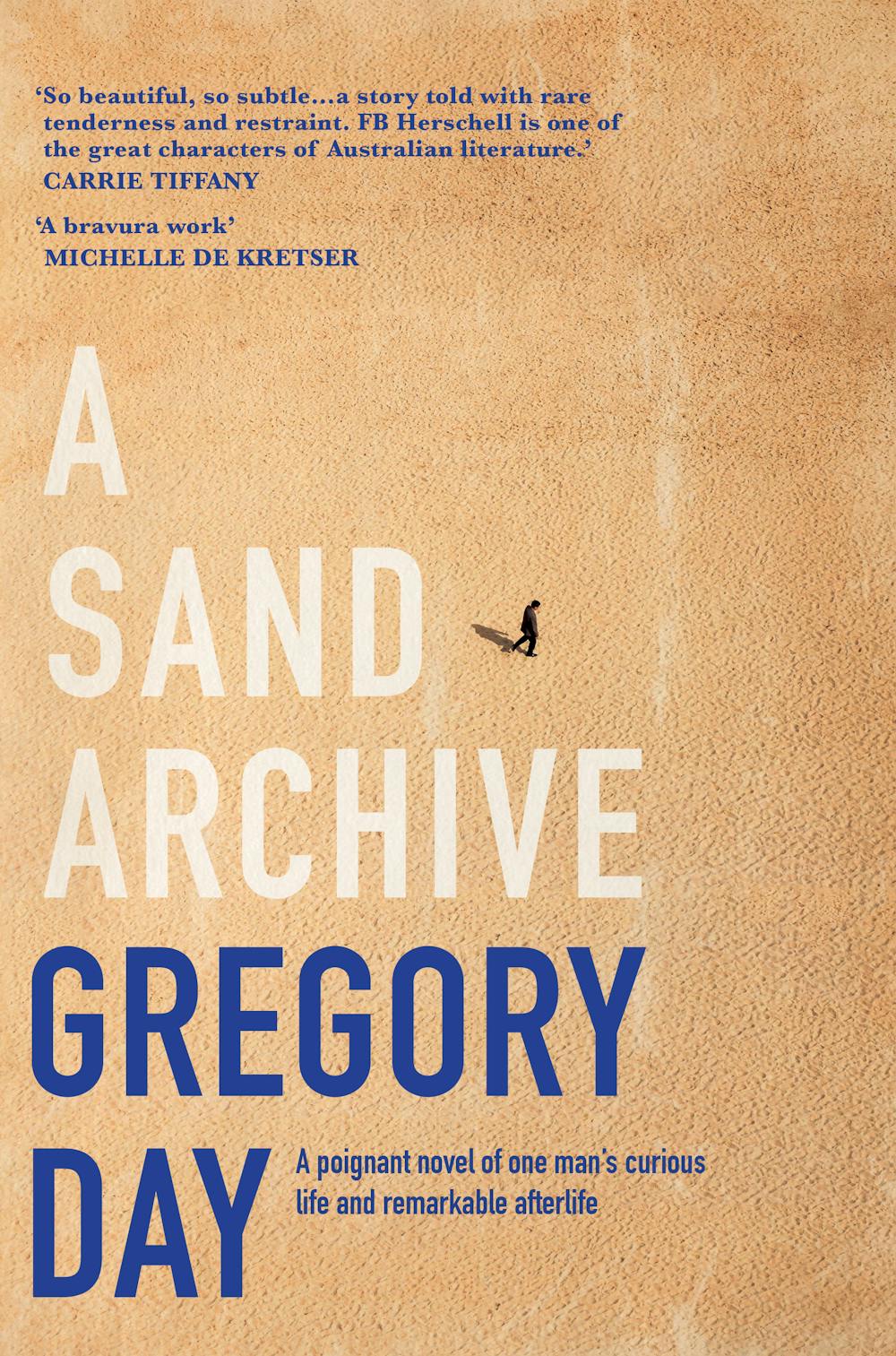
Gregory Day’s A Sand Archive starts with an introduction to engineer and dreamer FB, and his “cheaply printed” volume, The Great Ocean Road: Dune Stabilisation and Other Engineering Difficulties.

It is an introduction full of evocative images, and FB’s quaint and archaic self-presentation against a backdrop of shadows, sand and heath lets readers know with whom they will be travelling during the course of this novel. It establishes the voice of the novel, one marked by a lyrical flow, combining something not explicitly lyrical (Dune Stabilisation; Engineering Difficulties) with a poetic tone, and with a philosophical treatise on sand.

FB is studying “the ontology of dunes”, and discovering the uncertainty of a world built on sand. The narrator, like FB, is a polymath, and like FB is sequestered in regional Victoria. Thanks to the magic of publications and imaginations, both are able to range widely through history and cultures.

But FB has been knocked about by life: by his hopeless love for French activist Mathilde, his thwarted desire to arrest the degradation of south Victoria’s sand dunes, and the loneliness (and satisfactions) of the life he builds. This is a tender novel, and one in which sand becomes a metaphor for story, for the human heart, for how to keep living through “the absurdity of human endeavours”.

Dyschronia
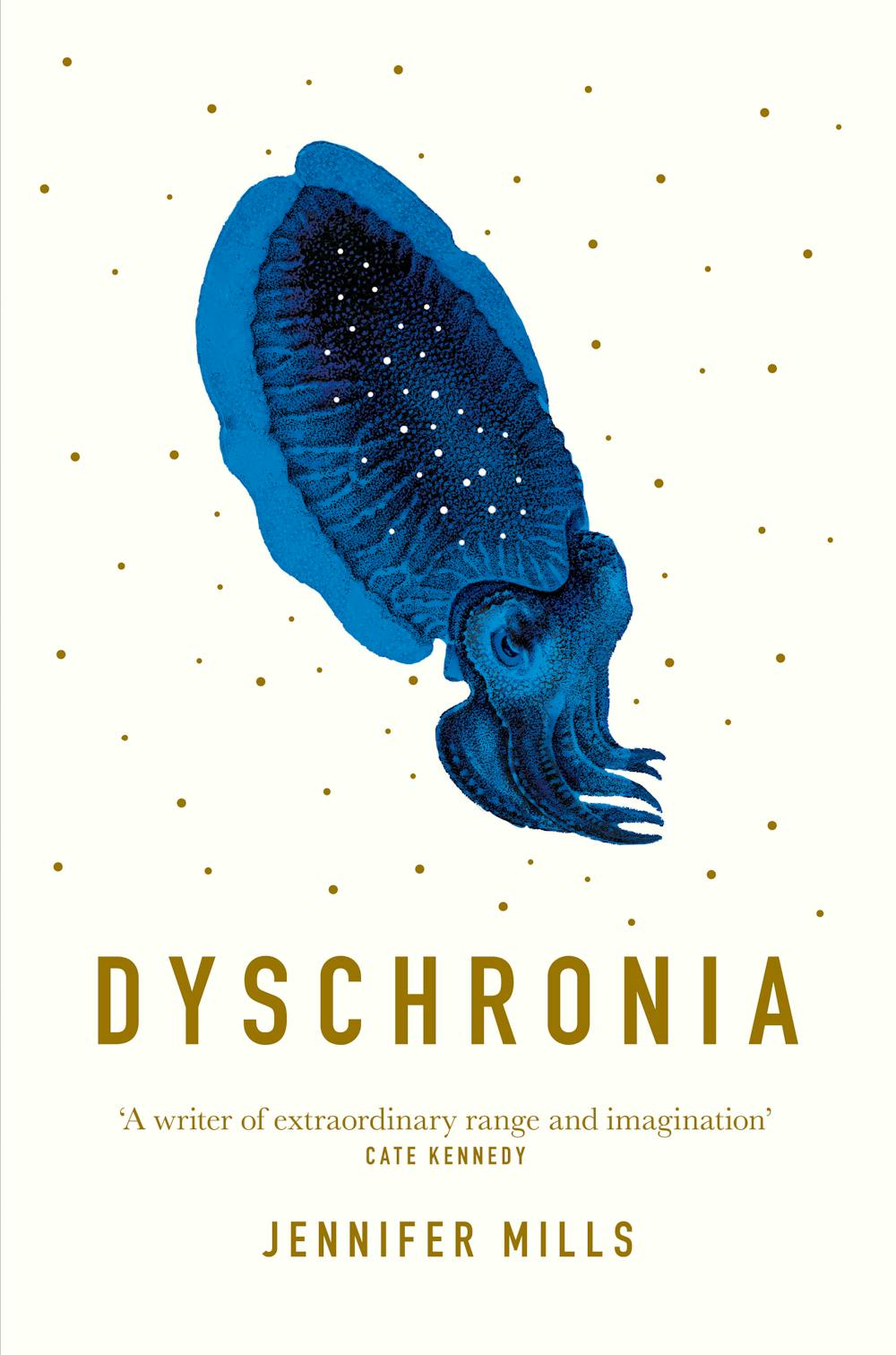
Dyschronia, Jennifer Mills’ latest novel, to some extent fits the clifi genre, but its brilliant exposition of time and its instabilities is perhaps the stronger driving force in this narrative.

Sam, the central character, suffers from migraines that come with the dubious gift of knowing the future. For Sam, who is thus captured by dyschronia, the future is not necessarily future. She lives in a jumble of tenses, and though her mother tries to instruct her in linearity – “Time’s like a road, see?” – she never escapes the “dys” of “chronos”.

For her, time is like Einstein’s river, one that flows randomly, separates, folds back on itself. The novel also offers a scathing interrogation of economic “development”. The local environment and the lives of the people living in Clapstone are ruined in the interests of corporate greed. The asphalt plant on which the town was established has closed, leaving behind a poisoned town and a wrecked environment.

Sam has lost herself, aware that her knowledge of the future will change nothing, that “the whole weak joke of order is unravelling”. But there is still a touch of hope in all this, a lovely contrast between the hopelessness of the situation and the irrepressibility of the locals, who determinedly ignore the end of their world. And, at the end, “laughter comes unbidden, like a gas bubbling up through water”.

The Lebs
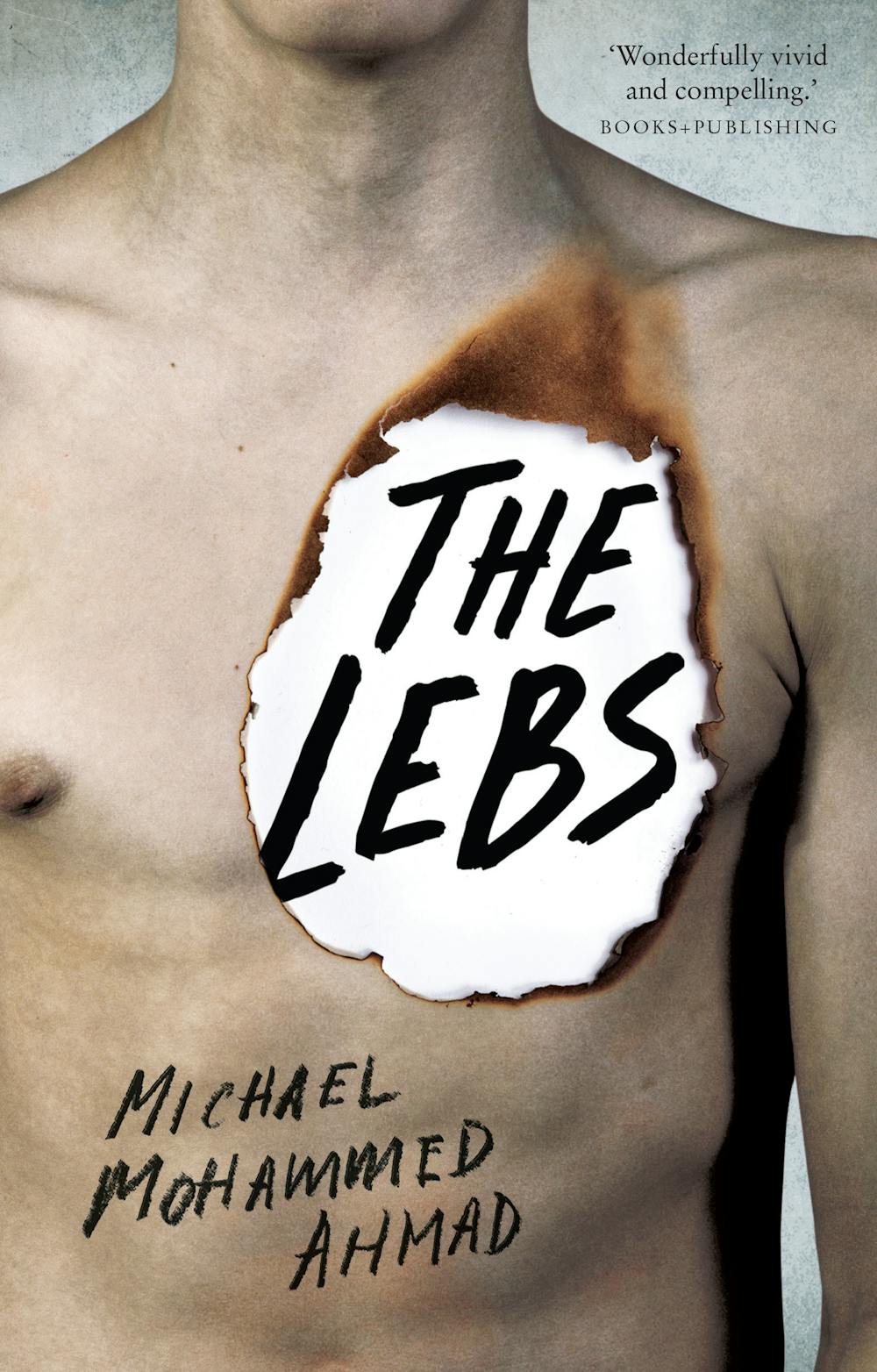
Michael Mohammed Ahmad’s The Lebs begins in the quasi-prison environment of Punchbowl Boys High, and all the violence and crassness of a community of sex segregated adolescents, boys whose present and probable future involves being derided and excluded. This makes it sound grim, but in fact it is often a very funny novel.

The narrator, Bani Adam, is a misfit at school and outside, and his performances and protestations of himself as intellectual, sophisticated, open-minded yet still devout, make for humour, albeit of a poignant, plaintive kind.

Bani also delivers an education in Muslim faith and its complexities; and illuminates the effect of a brutalising culture through an insider’s eye on the politics of being Muslim in an unwelcoming Australian context. Still, I found the unrelenting racism, the constant lateral violence, the easy homophobia and the sexualised representation of girls and women not sufficiently outweighed by the wit and literary skill that mark this novel. “That’s the problem at Punchbowl Boys”, says Bani, “even if you win, you lose”.

The Death of Noah Glass
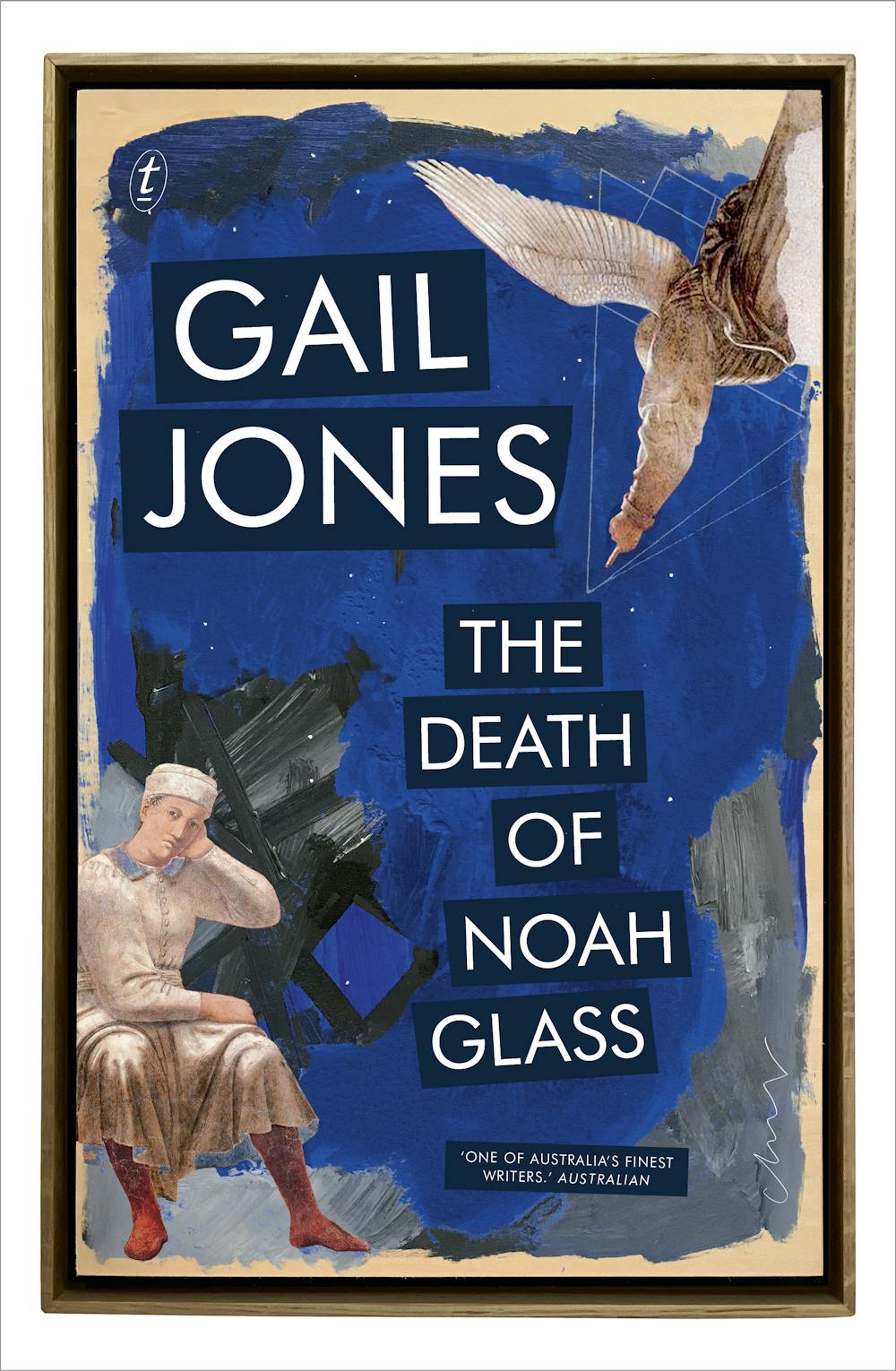
In The Death of Noah Glass, Gail Jones takes on a topic she has often explored: the creative world, one in which the eponymous Noah and his son Martin attempt to reconcile image and text, creativity and identity. It splendidly maps the world of art while offering beautiful portraits of mourning. Martin and his sister Evie have lost both parents now, and the impact of those deaths sets up a tremor that runs through the narrative.

Evie remembers “searching the rooms of their cold house” for her mother, “listening to her own breathing, the barest rhythm, in case stillness might summon her mother back”. And with their father’s sudden death being followed by the news of his possible involvement in art theft, there is “the wider mystery of things”, the impossibility of dealing with this slur on his reputation “when he was still inside them and not yet resting in peace”.

How the dead remain inside us; how memory and its regrets keep banging away at us (Noah in particular has much to regret); how the patterns of the world and of society shape and contain us; how parenthood, family, and sensory being allow us to live: these reappear throughout the novel, animating its characters.

Too Much Lip
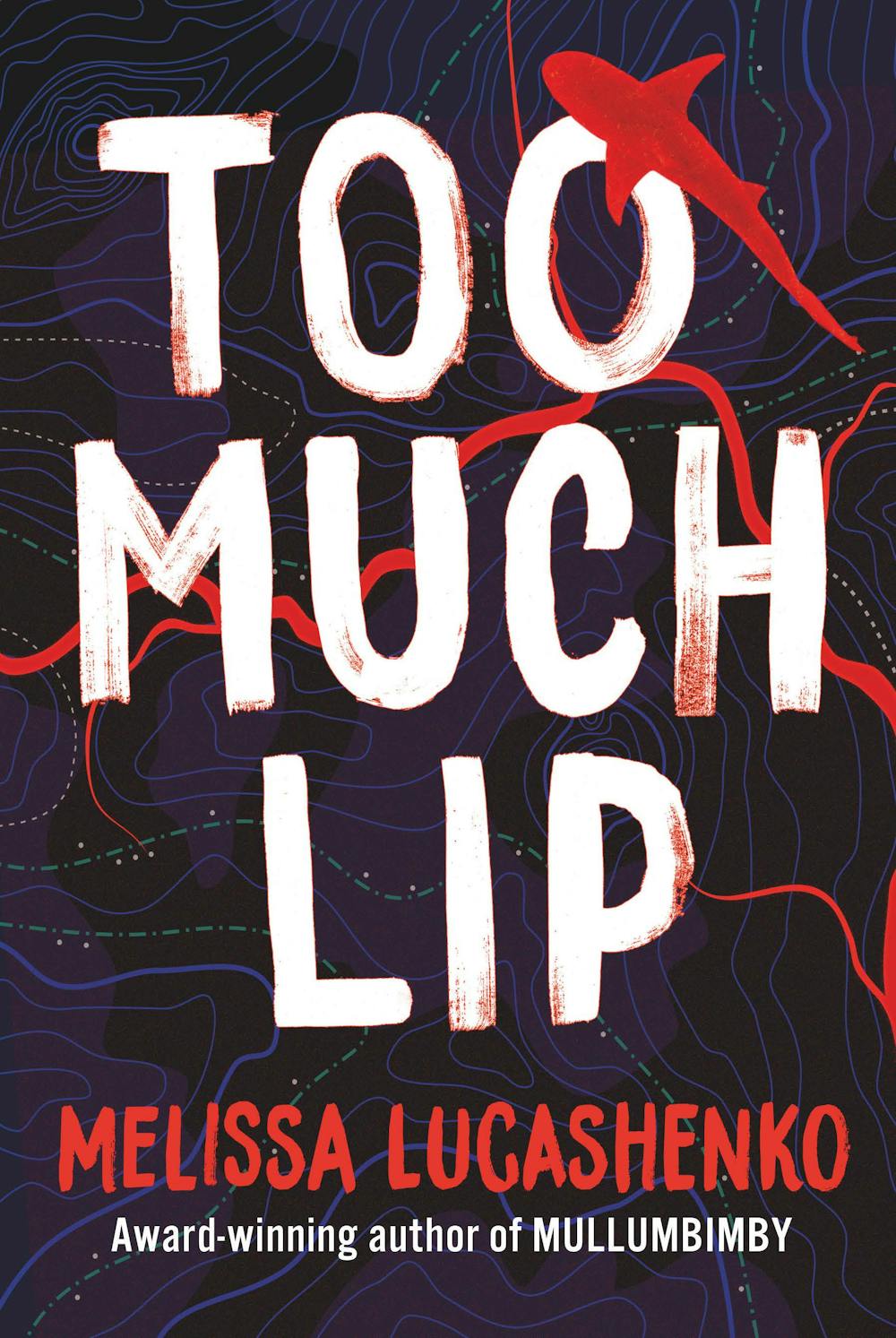
Melissa Lucashenko’s Too Much Lip takes us to regional Australia, introducing readers to an Aboriginal family living on country, and tracing the threads of settler violence that continue to harm the current generation. The story starts in 1943, with now-patriarch Owen Addison being brutalised so that: “When Owen died … there were seven decades of agony caged in him”.

Kerry Salter is returning home to see Owen, her damaged dying Pop, and she literally blasts into town, the “skinniest dark girl on a shiny new Softail, heart attack city, truesgod”, startling the “whitenormalsavages” at the corner store.

She is witty, sharp, tricky, compassionate, but like her siblings suffers intergenerational trauma, which emerges as pretty appalling sibling abuse, and inevitable tragedy. Her uncle manages to divert the worst possible ending to the story, telling her armed and desperate brother: “Terrible things happened in his [Owen’s] life … Some of that pain had to go somewhere. There’s no shame to you in it, my nephew. It wasn’t your fault.”

While the themes of the novel are tragic and often deeply disturbing, the tone and register point to courage, perseverance, and a powerful refutation of the violence of colonisation and the lies of history.

A Stolen Season

A Stolen Season, Rodney Hall’s first novel in over a decade, also takes on trauma, tracing its effects on the lives of the characters who people its pages. Adam Griffiths served in Gulf War 2, and due to what may have been “friendly fire” was reduced to little more than bones and burnt skin.

Now he has been returned from the dead, “a monstrosity”, and his previously estranged wife, Bridget, faces the dilemma of whether to remain with this shell of a man who functions only as a sort of android, or leave him to the uncertain compassion of government services: “There’s nothing to stop her walking out. Except the freedom to do so. This is what makes the possibility impossible.” Their story is interleaved with two others: that of Marianna Gluck, who like Adam was effectively dead, and then restored to a life of PTSD, paranoia, and flight; and the obscenely and pointlessly wealthy John Philip, whose vignette exposes the vapidity of the art market, celebrity culture, and elitism.

For each story line, an overwhelming issue is existential certainty; each character must realise that they are, after all, alive, and must therefore confront an ethical problem. This profoundly empathetic novel is finely attuned to sorrow and all its siblings – regret, pain, anguish, dust, despair. It offers glimmers of hope here and there, but no concrete answers.

In fact, each novel in this list is profoundly empathetic, and deeply attuned to contemporary Australia. While they look directly at crisis and suffering, they avoid hopelessness, using lyrical imagery, humour, and the consolations of art or family as tools against despair; and they suggest more intelligent, more compassionate ways to be human in the 21st century.

The winner of the Miles Franklin will be announced on Tuesday July 30.The Conversation

Jen Webb, Director of the Centre for Creative and Cultural Research, University of Canberra

This article is republished from The Conversation under a Creative Commons license. Read the original article.

Unknown's avatar

2019 Miles Franklin Literary Award Shortlist


The links below are to articles that take a look at the 2019 Miles Franklin Literary Award shortlist.

For more visit:
https://www.theguardian.com/books/2019/jul/02/miles-franklin-award-2019-shortlisted-australian-authors-unafraid-to-take-risks
https://www.booktopia.com.au/blog/2019/07/03/see-the-2019-miles-franklin-shortlist/

Unknown's avatar

The 2019 Miles Franklin Literary Award Longlist


The link below is to an article that takes a look at the longlist for the 2019 Miles Franklin Literary Award.

For more visit:
https://www.booktopia.com.au/blog/2019/05/22/miles-franklin-longlist-2019/

Unknown's avatar

Your guide to the Miles Franklin shortlist: a kaleidoscopic portrait of a diverse nation


File 20180822 149463 122d0xh.png?ixlib=rb 1.1
The Miles Franklin authors with their novels, clockwise from top left: Felicity Castagna, Eva Hornung, Kim Scott, Michelle de Kretser, Catherine McKinnon and Gerald Murnane.
Courtesy Perpetual/ Copyright Agency/ Martin Ollman/Timothy Hillier. Eva Hornung image: Noni Martin., CC BY-NC-ND

Jen Webb, University of Canberra

The Miles Franklin award is famously for “a novel which is of the highest literary merit and presents Australian life in any of its phases”. That’s a very broad palette, yet for most of the award’s existence — 1957 to the present — it has recognised a rather narrow field of “Australian life”.

The 60 novels honoured to date include 42 written by 28 men, and 18 written by 14 women. Almost to a person, these winning authors are Anglo-Australian. While their narratives cover an impressive range of issues, topics, periods, structure and narrative voice, it is notable that in a country described by our prime minister as “the world’s most successful multicultural society”, the Miles Franklin seems to have remained a bastion of monoculture.

Until recently, that is. Women authors are appearing more frequently – on the shortlists and as prize winners – and the cultural and linguistic heritage of authors is similarly expanding. This year the mix of shortlist authors, and the content of their novels, is impressively diverse.

Border Districts

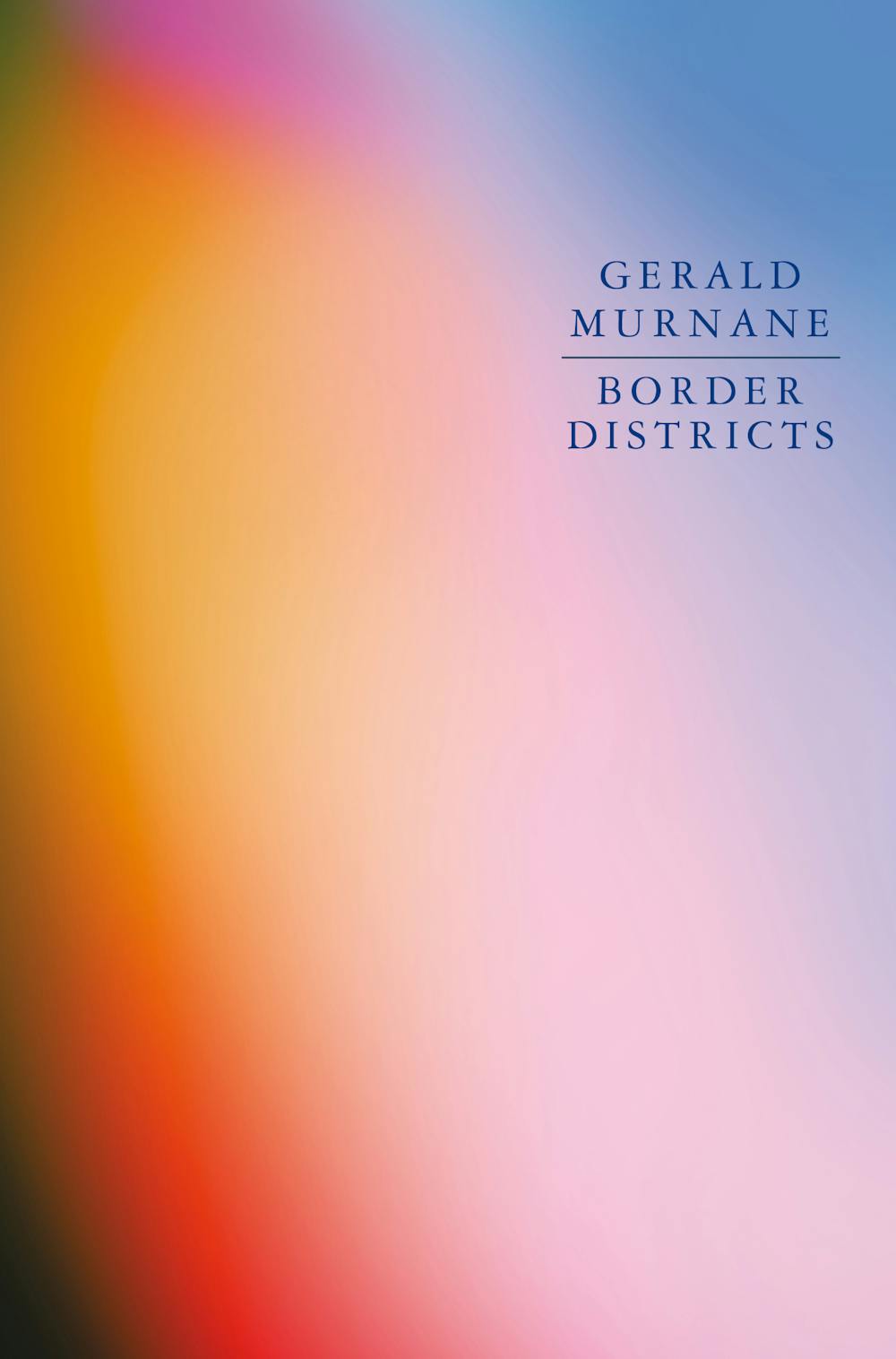
Gerald Murnane’s Border Districts is explicitly a literary novel, one with no overt plot and really only one voice. The narrator is fastidious to the point of primness, narrow and self-absorbed: a fussy old man who drifts into Grandpa Simpson moments, telling stories that wander from point to point with no apparent destination. Yet this work is also a remarkable account of memory, its fractures, and its fragments. This gives the lie to the narrator’s insistence that he is writing a report, not a novel, and casts a gentle melancholy over the work.

The unnamed narrator seems to have lived a life at arms length, remaining encased in abstractions, neglecting to experience anything at first hand. What I found the most desolate image in the novel is his childhood collection of glass marbles. The material expression of his life’s effort to “recollect” and “preserve” his memories and moods, they are no more than tiny flashes of colour, frozen in their glass bubbles, seeing and saying nothing.

In his sense of colour, and his hankering for the clarity of memory, is the suggestion that he contains within himself another man, one who yearns to feel.

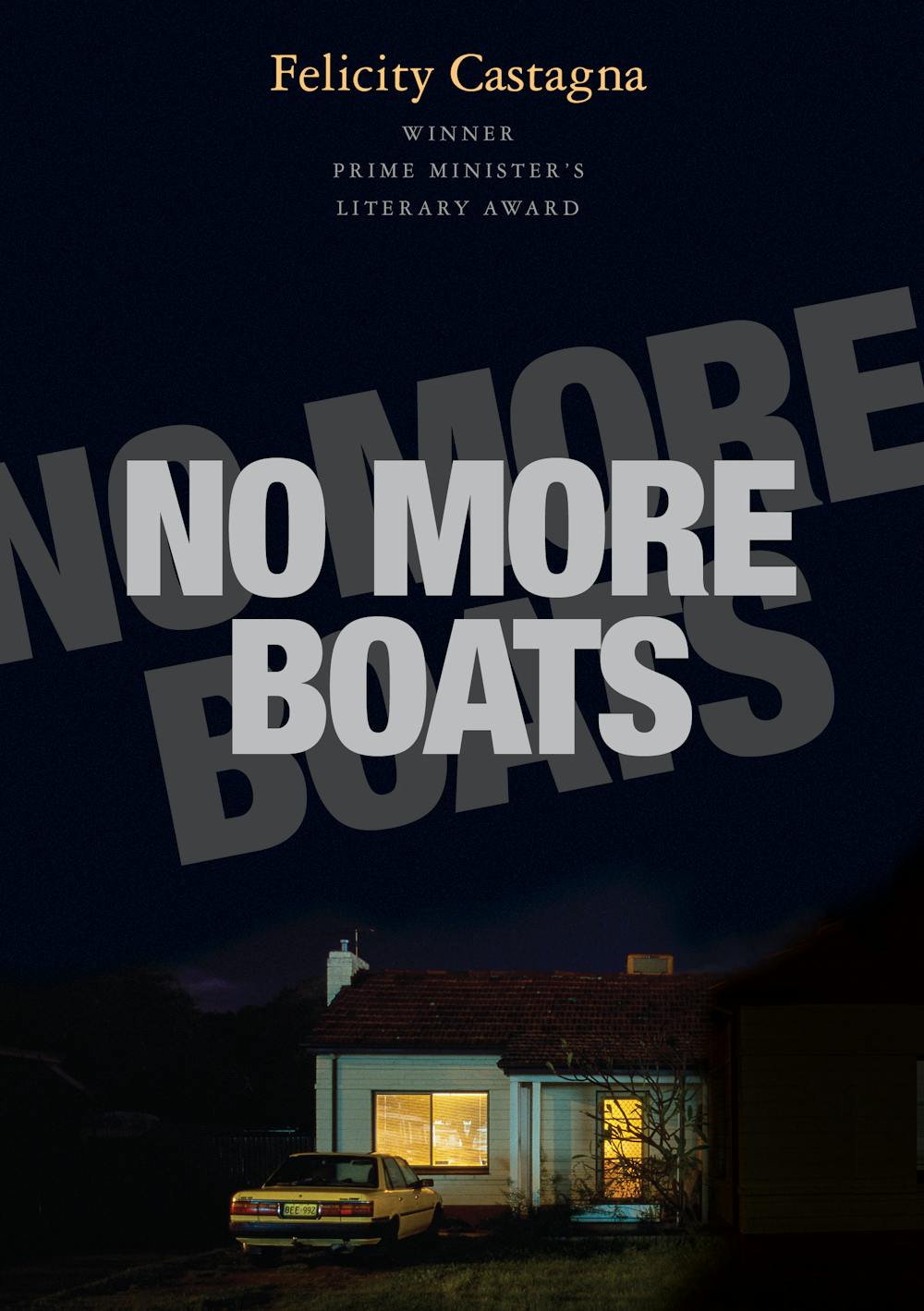
No More Boats

Felicity Castagna’s No More Boats opens in 1967, the year Harold Holt disappeared and, through the magic of narration, incorporates in the opening pages what is yet to come: 2001, the Tampa crisis, the September 11 attacks. In these pages, Antonio, the protagonist, is both young Italian migrant, and the ageing man who has become the face of: “We will decide who comes to this country …”

He and Rose live in Parramatta, where young men like their son Francis are testing out models of masculinity; where young women like their daughter Clare are crafting lives beyond their parents’ oversight; a rich human zoo that provides the stage for a brilliantly observed and sensitively recounted novel illuminating the politics of identity, family, community and nation.

His family are forced to confront the public scandal of Antonio’s xenophobia, to understand why a migrant in a migrant community could be so thoroughly seduced by the violent logic of the hard right. There are no real answers, of course; but beyond the family’s distress and the community’s upheaval is the shadow of two centuries of Australia struggling against “too many boats”.

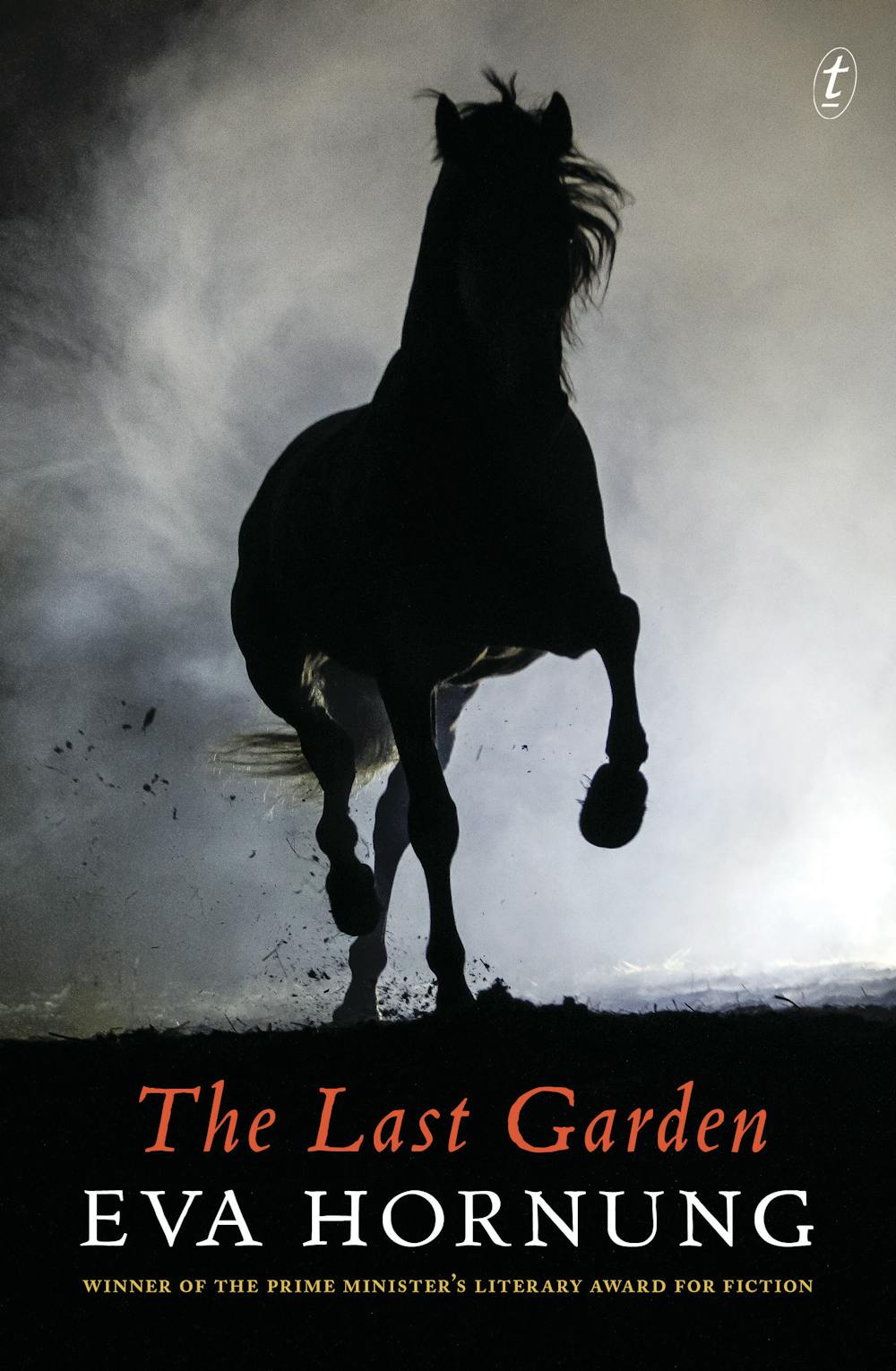
The Last Garden

Eva Hornung’s The Last Garden is based in a South Australian religious community named – perhaps ironically – Wahrheit. There is little truth here though, and easily as many secrets and violences as are found beyond Wahrheit’s boundaries. These are flushed out by the tragedy that opens the novel, where Matthias Orion, not-fully-committed member of the church, destroys everything he can reach on his property, and slaughters first his wife and then himself.

Their 15-year-old son Benedict arrives home from boarding school to discover this horror; and even as it breaks him, so too it marks the end of the community’s Nebelung, their mythical home. The novel is told through a careful interlacing of Benedict’s and the pastor’s perspectives. The latter fails miserably to care sufficiently for the deeply traumatised Benedict, who after all has become “part of the wound” the community finds itself suffering.

Left largely to himself, and to the horses that escaped his father’s murderous rampage, and to the fox that stands in for that angel of death, Benedict lives with, and like, the animals. In that living he finds a way to recover some sense of self, and to re-enter his community: though whether as messiah or as restored son is uncertain.

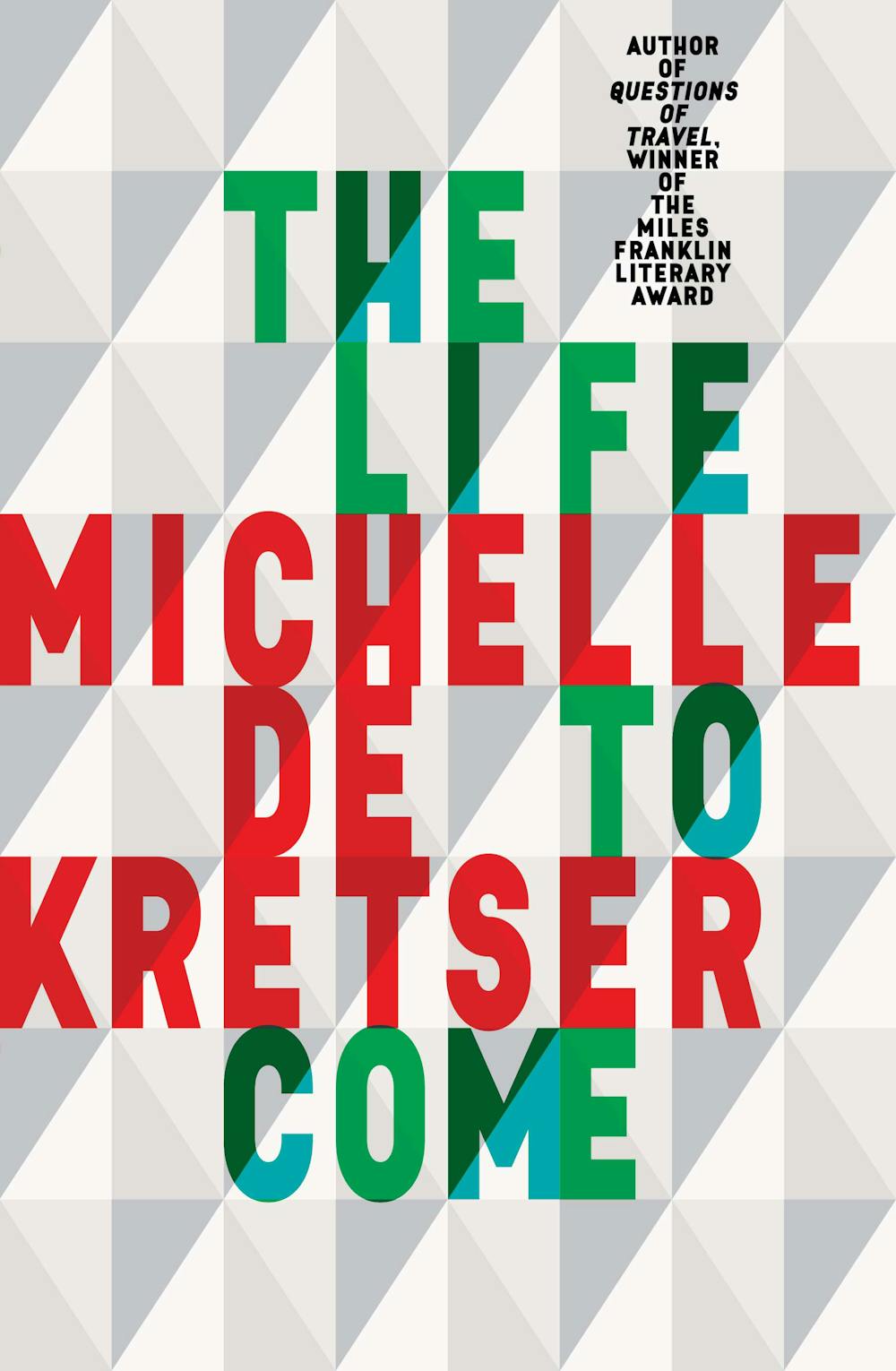
The Life to Come

The Life to Come, Michelle de Kretser’s new novel – actually a discontinuous narrative in five sections – offers an insider-outsider view of contemporary Australian society through the shifting focalisations, points of view and voices that comprise the sections. The threads that weave it together are Pippa, a self-satisfied, hyper-performative, not-quite-good-enough novelist, and “real” novelist George Meshaw, who disdains her shallow conceits and her populist writing style.

Pippa is the more visible of the two. She spends much of the novel charming and then disappointing friends, and struggling under the burden of her mother-in-law’s condescension, while always firmly focused on herself. George appears principally through his novels – the last of which, along with Pippa’s last, are tossed in the bin by Pippa’s disenchanted neighbour, who had hoped to find warmth and meaning in these works, but found only words.

While the stories are set in Sydney and in Paris, with references also to Sri Lanka, the twin foci of this novel (for me, at least) are, first, an excoriating critique of Australian colonialist attitudes and politics, and next the burning realisation that – as one character observes – “The only life in which you play a leading role is your own”; we are all merely bit players in the lives of others.

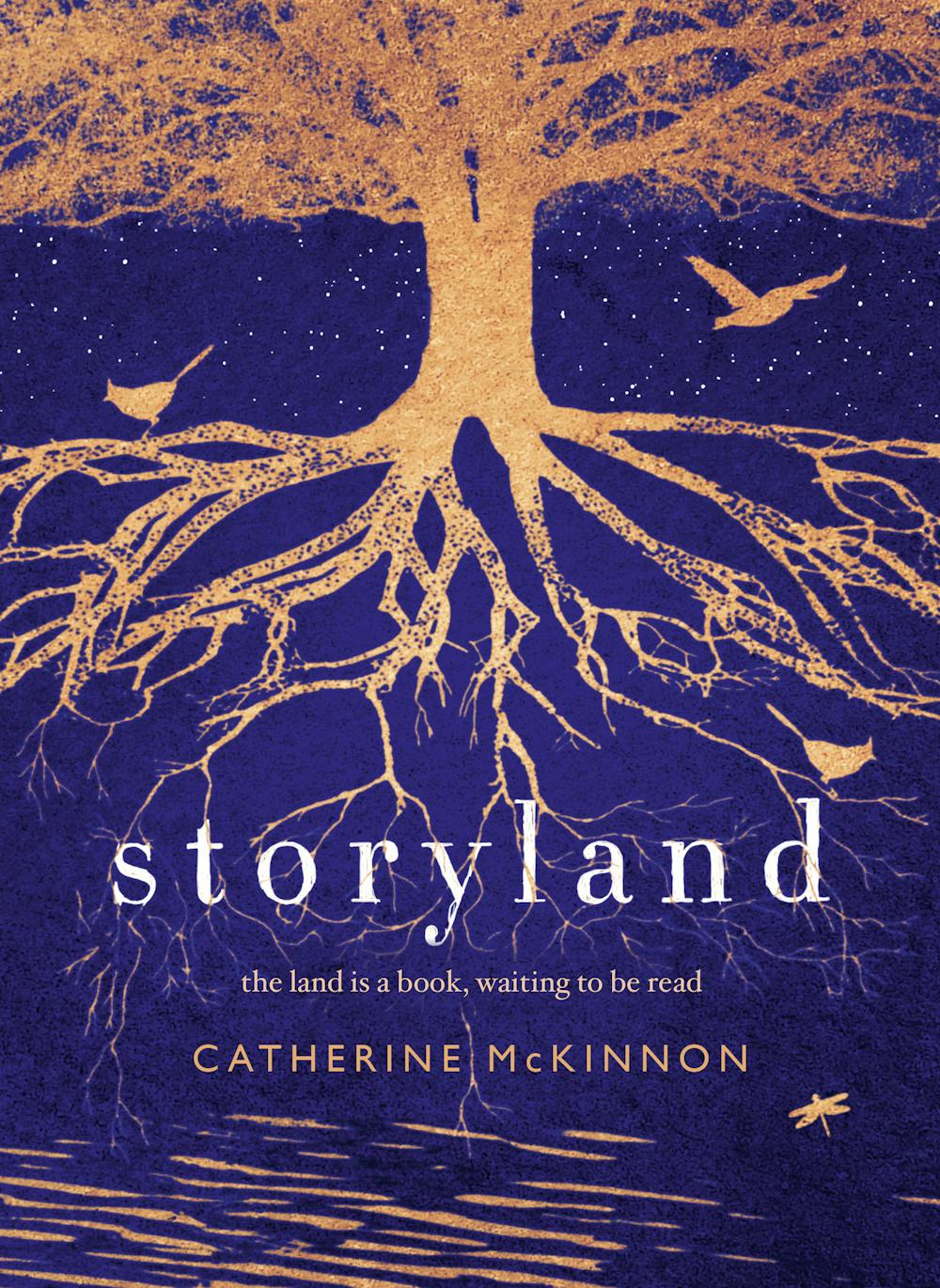
Storyland

Catherine McKinnon’s Storyland is also structured in five discrete sections, the transitions here being characterised by the pulsing of time, rather than the geographical shifts of de Kretser’s work. Storyland starts and ends in the Illawarra region, during the early days of colonisation, where the possibility of trust or friendship between the local Wadi Wadi people and the invading British is constantly thwarted.

The sections between swoop up through the 19th and 20th centuries to a post-apocalypse future, and then cascade down again. Key elements – a river, a cave, a clever man’s axe – appear in each time period, connective tissue that binds them together. Characters too reappear, individuals or their descendants struggling with colonial society and its mores, with missed opportunities for connection, with the collapse of the environment and human society.

I read this novel as a migrant, and as a person of European descent, so I am not well positioned to evaluate the merits of McKinnon’s use of Aboriginal language and representation of the Aboriginal characters, but for me they were both convincing and moving. Story is not politics, but in it we can find ways to review ourselves and our histories, and perhaps begin to find points of conciliation.

Taboo

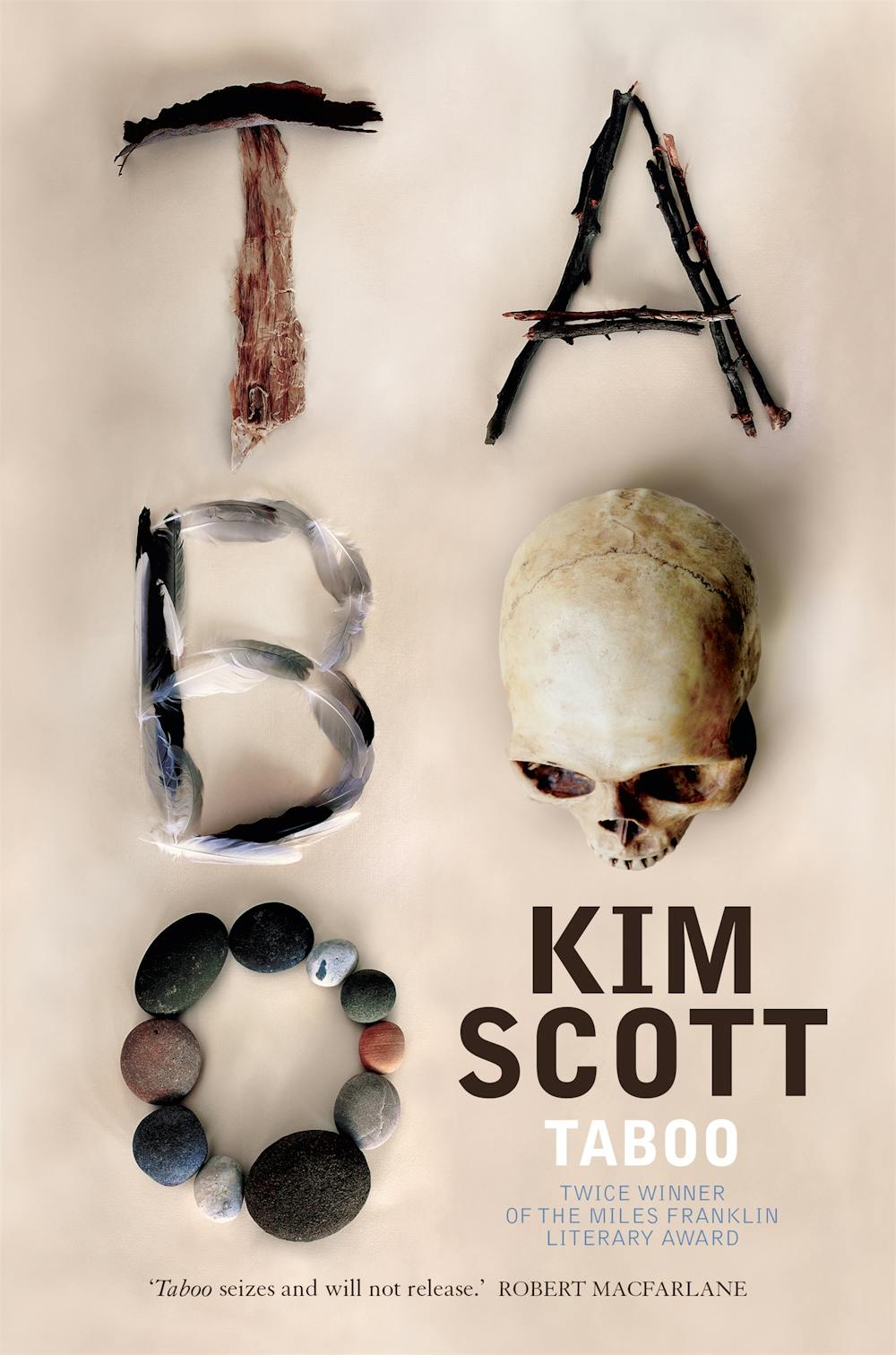
Taboo, by Kim Scott, is located squarely in the post-Apology present, when the Australian government can express regret for the Stolen Generations while maintaining the Northern Territory Intervention; and when Aboriginal communities across the country are building new ways to enter the future without deserting the past.

Focalised primarily through the young woman Tilly, daughter of an Aboriginal man who, toward the end of his life, realised the power of language to heal his community’s wounds, it follows the people of Kepalup and their establishment of a Peace Park to settle the ghosts of local Aboriginal people slaughtered by the ancestors of local pastoralists.

Though the novel is necessarily tragic – killings, stolen children, wrecked lives – it also has something generous and pragmatic at its heart. Says Uncle Wilfred of the white community: “Sorry for the history, they say. Know it’s our country, our ancestral country. They’re not gunna give the land back, but know we’re the right people.”

Despite the record of massacre, despite the clumsy interventions by white people – well-meaning but condescending, unaware of how little they know of Noongar culture – the community turns to recovering their language, retelling stories, reclaiming culture, and finding “magic in an empirical age”.

These six novels convincingly meet the criteria of the Miles Franklin, providing accounts of Australian life in all its phrases, in stories of “the highest literary merit” that craft a kaleidoscopic portrait of this society.

<!– Below is The Conversation's page counter tag. Please DO NOT REMOVE. –>
The Conversation

The winner of the Miles Franklin will be announced at the Melbourne Writers Festival on Sunday 26th August from 4pm at Deakin Edge, Fed Square.

Jen Webb, Director of the Centre for Creative and Cultural Research, University of Canberra

This article was originally published on The Conversation. Read the original article.

Unknown's avatar

2018 Miles Franklin Longlist


The link below is to an article that takes a look at the longlist for the 2018 Miles Franklin Literary Award.

For more visit:
https://blog.booktopia.com.au/2018/05/23/2018-miles-franklin-literary-award-longlist/

Unknown's avatar

Grief, loss, and a glimmer of hope: Josephine Wilson wins the 2017 Miles Franklin prize for Extinctions


Jen Webb, University of Canberra

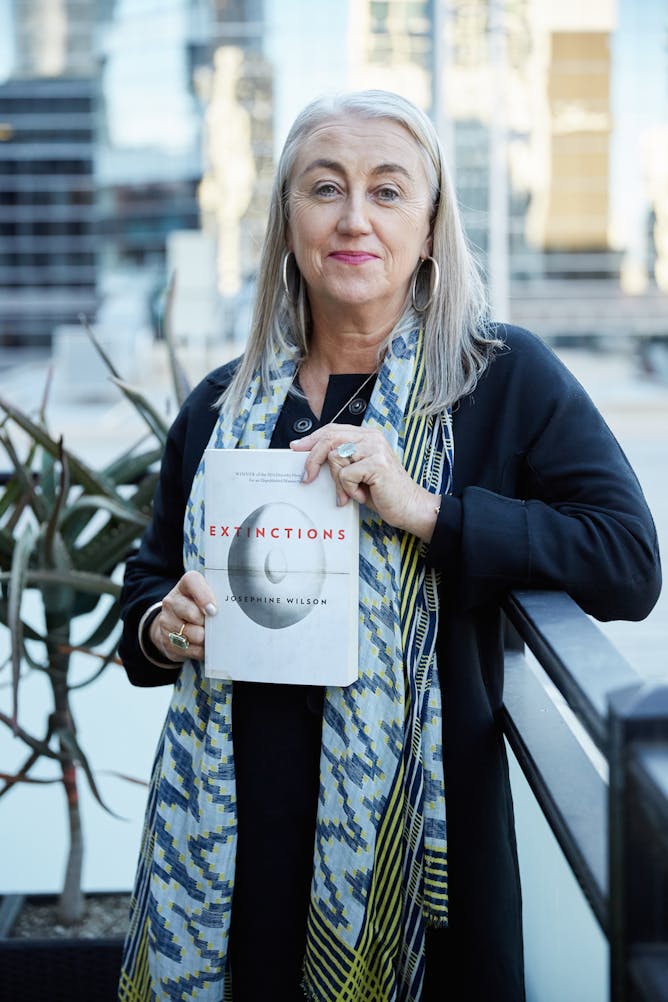
Josephine Wilson has won the 2017 Miles Franklin award for her novel Extinctions. Judging panel chair Richard Neville stated Wilson’s novel, “explores ageing, adoption, grief and remorse, empathy and self-centredness”. It takes a skillful and thoughtful novelist to pack so many “big issues” into a single narrative, but Wilson has achieved it, and the novel has won considerable recognition.

Josephine Wilson with her novel Extinctions.
Peter Marko

The Miles Franklin is, arguably, the apogee of Australian literary prizes, and Extinctions is a worthy addition to the list of earlier winners, among a worthy bunch of shortlisted entries.

The novel began its successful life when it was just a manuscript, and won the inaugural Dorothy Hewett Award in 2015. Since then it has been enthusiastically reviewed by critics and peers: in the Sydney Morning Herald (by Dorothy Johnston), in the Sydney Review of Books (Roslyn Jolly), in the Australian Book Review (Gillian Dooley), and in pretty well every other review outlet in Australia. It was featured on the ABC Books and Writing show and Wilson has fronted up to a number of literary festivals. I’m confident Extinctions will be set on Australian literature courses across the country.

Wilson has nailed key anxieties and preoccupations that characterise the current moment. Ageing, of course, thanks to the population bulge; cultural loss, especially for members of the Stolen Generations; environmental crisis associated with the Anthropocene (the age in which human impacts have come to dominate Earth); and the conflicts that are at the heart of storytelling – in this case, within the family, and with the self.

The central character, Fred Lothian, is a retired academic engineer, whose specialisation is concrete and Modernist design. He finds himself widowed, estranged from his daughter, avoiding his seriously brain-injured son. He is a damaged and dissatisfied man, hiding in his retirement villa, where every inch of space is cluttered with the material objects he has not been able to discard.

Wilson observes and records all this with a cool eye, and records too the distress, anxieties and ethical struggles faced by the other characters, particularly Fred’s daughter, Caroline. An adopted child (“of course she wasn’t really stolen”, says Fred. “We adopted at the end of that period”), she doesn’t feel able to name herself as Aboriginal, knows she resembles no one in her circle, and fears she is recognised by no one. Compounding this emotional burden, she is researching species extinction for an exhibition she is preparing.

The redeeming element is Jan, Fred’s neighbour at the retirement village. She is, effectively, the positive side of the coin, the mirror of both Fred and Caroline. Her warmth, her direct engagement with Fred’s obdurate misery, and the clarity of her understanding begin to shake loose some of the accreted history around the other characters.

“In the end”, reads the preface to Extinctions, “all is allegory”. But allegory has material effects, and the stories we tell ourselves, and the connections we draw within those stories, have the capacity to lead us to or away from extinction. For much of the book, and reflected in the drawings and other images scattered through it, extinction seems the inevitable conclusion.

The ConversationLet me give Jan the last word, because she delivers what seems to me the coda to the narrative. Watching a child playing on a beach, she reflects: “At that moment, anything was possible”. As the novel draws to its conclusion, that more hopeful premise seems true.
Jen Webb, Director of the Centre for Creative and Cultural Research, University of Canberra

This article was originally published on The Conversation. Read the original article.

Unknown's avatar

Heart-warming, biting, tragic, funny: the Miles Franklin shortlist will move you


File 20170906 9835 191vmdh
Each of the five shortlisted authors for Australia’s prestigious literary prize is a first-time nominee.
Shutterstock

Jen Webb, University of Canberra

The 2017 Miles Franklin Award winner will be announced tonight, but I’m not taking bets on who it’s likely to be. Each shortlisted novel is by a first-time nominee. Each is of satisfyingly high literary quality and very different in voice, logic, focus and story.

But they do have one feature in common: each includes as a key character an author, or authors. I’m not sure I have ever read a shortlist where the protagonists of each volume shared an occupation. Of course all five include heartbreak, loss and death — that is, after all, de rigueur for literary fiction — but the focus on the lives and works of writers, and on narratives about narrative, presents as though the Australian literary community as one turned to look inward, and then wrote down what it saw.

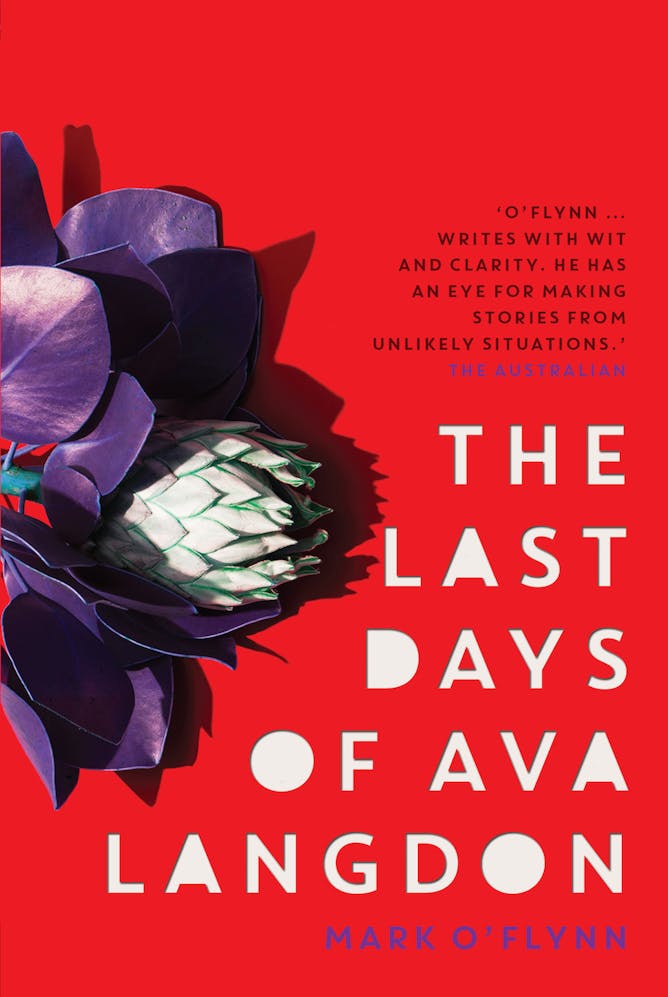
We have a worn out, avant garde novelist (Last Days of Ava Langdon by Mark O’Flynn); an ambulance-chasing journalist (An Isolated Incident by Emily Maguire); “famous Australian writers” (Their Brilliant Careers by Ryan O’Neill); and academics in linguistics (Waiting by Philip Salom) and engineering (Extinctions by Josephine Wilson).

Art imitates life

I started with Last Days of Ava Langdon, by poet and novelist Mark O’Flynn. This book, which channels the Australian-New Zealand writer Eve Langley, opens with the rhythm and pulse of a prose poem:

Sound of the sea slapping at the green and greasy legs of pier. The crashing of dishes. A cartoon whale.

This, on the very first page, sets the tone for the rest of the novel, one that vividly renders the glorious Blue Mountains environment (and its small towns with their country values), and the portrait of a writer who might have been, should have been, no longer is.

O’Flynn presents his Langley/Langdon as immensely sympathetic, and stunningly irritating. “All her life”, says the narrator, “has been the pursuit of the perfect line”.

While any writer must surely doff the cap to that pursuit, Ava’s single-mindedness has been more destructive than productive. She valiantly channels Oscar Wilde, refuses to acknowledge that she is ancient and frail, ignores the squalor of her home, and flickers between hope and hopelessness about her writing. She is a damaged person, a dada artist. She has lost her family and friends and she dies alone.

Still, Ava’s imagination (to say nothing of her splendid dress sense) brings a degree of sentience to the world, casting it in a luminous light. O’Flynn’s novel brings to bear a cold but tender gaze on “the last days” of someone who, but for fortune, could have been an extraordinary Australian artist.

Misfits in an unforgiving world

Philip Salom, another poet, gives us Waiting. It relies on the skill of poetic diction and the narrative traction of strong characters, the “looking awry” that so often accompanies mental illness, and the urgency to connect, to find a safe haven in an unforgiving world.

He juxtaposes together two pairs of difficult people to propel the narrative. The first two are Big (a cross-dressing, over-performing “crazy professor”) and his partner Little (quiet, crushed Agnes, the troubled lamb of god). They have effectively fallen out of history and are, Agnes reflects, “two characters in a novel who have no further story”.

The second pair, by contrast, are the inheritors of a further story: designer/landscaper Angus (coincidentally Agnes’ cousin) and the linguist Jasmin. They are creeping by fits and starts toward a relationship, but unlike Big and Little, who cling together for the most part in real intimacy, Jasmin and Angus struggle to connect, given their tendency to compete with each other, and their misunderstandings of each other’s values and professions. For Angus, the physical shaping of the material world is what matters. For Jasmin, it is the socio-political positioning of work that matters.

The novel is set against the increasingly threatening qualities of bushfire in the Australian environment, and the increasingly constrained options for those who do not or cannot fit into middle class conventions. The characters’ stories play out, to an end that promises consolation, at least.

Not so isolated

With Emily Maguire’s An Isolated Incident, we leave the poets and misfits and return to the “real” world: small-town New South Wales, and the struggle to make a living, maintain an identity, and retain hope for the future.

Chris Rogers, a barmaid and some-time prostitute, is faced with the loss of her beloved younger sister Bella, whose body is found on the side of the road, raped and murdered. May Norman, an ambitious journalist, attaches herself to Chris to report on the story and the unfolding investigation. So far, so crime thriller.

But actually, this is more an analysis of mourning, woven through with a biting critique of the social and legal context in which, in Australia, one woman is murdered each week, on average, by someone close to her. At one point May reflects on yet another appalling story of such violence, and observes:

This had nothing to do with what had happened to Bella and what happened to Bella had nothing to do with Tegan Miller and none of it had to do with the rich Sydney housewife left out to rot in the street which had nothing to do with the Nigerian girls stolen as sex slaves…

The unwavering attention paid to violence against women and to the commercial exploitation of suffering renders the title bitterly ironic: all these “isolated incidents” add up to a deeply felt and troubling novel.

Extinctions of all kinds

Josephine Wilson’s Extinctions is the winner of Dorothy Hewett Unpublished Manuscript prize, so has already made a significant mark on the literary landscape. It offers a tragic portrait of the various ways in which extinction looms — environmental, personal, cultural.

We see the sorrows, indignities and regrets of old age, as viewed through the eyes of retired theoretical engineer Fred Lothian, who fills his home with designer furniture rather than with his family.

We see the heartbreak of a wasted life, in his brilliant son, Callum, who was left with acquired brain injury following a car accident. And we see the struggle for identity in his adopted daughter, Caroline, who researches species extinction and is disconnected from her own Indigenous heritage. Together, these stories present an overwhelming narrative of loss, failure and distress.

But there is the possibility of an alternative in the form of Fred’s neighbour Jan. Though like Fred and his family, she has suffered great loss, she brings a wonderful energy and resilience, and a refusal to resign herself to extinction. Instead, she presses Fred to start over, to find a more productive way to be.

Literary satire

Finally, we come to Ryan O’Neill’s Their Brilliant Careers: The Fantastic Lives of Sixteen Extraordinary Australian Writers, one of the funniest novels I’ve read in a long time. He sails close to the wind of defamation (were the original authors still alive), unmercifully lampooning the models for his “extraordinary Australian writers”.

Like a supremely confident stand-up comic, he pushes the joke from initial humour through infuriating repetition to helpless laughter. And along the way, he shows impressive knowledge of Australian literary culture, so erudite readers can play the game of “spot the reference”. We see the sexism that runs through literary culture. We revisit the poetry wars— “a knife fight in a phone booth” — in the character of Arthur rhutrA, an author of whom it was said that: “the only constraint he couldn’t overcome was his lack of talent”.

We bump into parallel-universe versions of Ern Malley, Australia’s most infamous literary hoax, and radio characters Dad and Dave. We meet the litigious Stratford, self-proclaimed original author of works plagiarised and made famous by Hemingway, Fitzgerald, Joyce.

We are confronted by the rightwing racist Edward Gayle (writer for the journal Quarter) and the communist Francis McVeigh, whose early memory of reading Marx’s Manifesto “terrified me so much I had nightmares for the next six months”. Literary giant after literary giant, publisher after publisher, is kneecapped by these excoriating and hilarious accounts of the players, their work, and the impossibly interwoven lives they lead.

Compassionate voices

There is a surprising degree of compassion in the narrative voice that relates each of these novels, even when they are also characterised by sharp-eyed and sharp-tongued commentary. The characters are damaged — as are most human beings — but (with the exception of some of O’Neill’s writers) they are rarely people of ill will.

The ConversationThe narrators, in each case, maintain the distance required of an objective observer, yet cannot help but record small acts of humanity, the struggle to manage, to be recognised and to recognise others. This makes them, as a group, the most heart-warming selection of shortlisted novels that I have read for some time.

Jen Webb, Director of the Centre for Creative and Cultural Research, University of Canberra

This article was originally published on The Conversation. Read the original article.

Unknown's avatar

2017 Miles Franklin Literary Award Shortlist


The link below is to an article taking a look at the Miles Franklin Award shortlist for 2017.

For more visit:
https://www.theguardian.com/books/2017/sep/07/miles-franklin-awards-2017-shortlist-reviews-of-the-books-youll-read-next

Unknown's avatar

The Miles Franklin winner: a dark, sorrowful story with moments of light and tenderness


Jen Webb, University of Canberra

Black Rock White City (2015) by AS Patric.
Transit Lounge Australia

And we have a winner. Black Rock White City, AS Patric’s dark, sorrowful story has impressed the judges sufficiently for them to award it first prize. I too was captured by the world of the novel, and by the central characters: Jovan, who “had been a poet in Yugoslavia when that was still a country”, and who is now a cleaner at a Melbourne hospital; and Suzana, his wife, who works as a cleaner in Melbourne’s Black Rock, and who comes from White City (“the literal translation of Belgrade”).

Suzana and Jovan are survivors of the Bosnian conflict, and have made their way to Melbourne where they are eking out a small spare life. Their story is told through a series of analepses and prolepses — fleeting glimpses of their life before Australia, more fully sketched accounts of their lives in the here and now. Both were academics before the war, living with their two small children a comfortable European life. This came to an end, when hate turned

into fire, free-floating and exploding throughout a city, and then materialising again into a blistered red monster more real than any creature children imagine in night-time terrors.

Though Suzana and Jovan escaped the fire and the hate by escaping Sarajevo, it has not let them go. They lost everything: their home, careers, and identity; their children, who died after eating poisoned meat; their dream of a future; even their sexual lives. Suzana has been unable to make love with Jovan since their children’s death, so he is having an impersonal affair with Tammie, a dentist: for her, he is “a tool for her sexual fantasies”; for him, she is mere physical release.

The story is animated by the graffiti artist who is haunting the hospital where Jovan works. Known to the hospital community as Dr Graffito, this shadowy person daubs obscene, obscure, and often darkly funny texts on the hospital walls and windows, the plates in its cafeteria, even cutting it into the flesh of cadavers. Jovan, whose job it is to clean up the mess, finds in the messages strange resonances with his own history: a strange connection with this bête noire.

Suicides and other deaths follow the pattern of Dr Graffito’s project, and this is a mystery that remains unresolved, a topic of conversation among the workers, a sharp point of anxiety. This mystery weaves through the gradually shifting lives of Jovan and Suzana as they begin to move out of mere survival into a kind of living, a kind of loving.

I couldn’t help but read this novel, in some ways, as an analogy for the contemporary tragedy that is the forced, mass movement of people across the globe. Australian government policy performs a double act: erecting powerful barriers to anyone seeking asylum, and locking away, out of sight and out of story, those who have managed to reach Australian territory.

This novel is a reminder that every refugee, every asylum seeker, is a person, an individual, someone struggling to return to the world of light after the disaster. And it is a reminder too that it can happen to anyone. “When you think refugee, you think black, brown or Asian,” says Bill, Jovan’s co-worker, but Europeans, academics, poets, lawyers: anyone can fall into that pit, and become a Jovan or a Suzana, a human being desperately trying to accommodate the trauma that has upended their lives, that has clamped itself to them.

Yes, this is grim stuff. It is harrowing, densely tragic, almost devoid of hope. Almost, but not entirely. Jovan and Suzana, after all, have retained dignity, if nothing else; she is beginning to creep back toward life by learning to become a novelist; he is beginning to recover memories of the poetry he wrote in his former life as a result of the absurd, obscure, obscene writing with which Dr Graffito desecrates the walls and windows and cadavers of the hospital.

It’s not all darkness: there are moments of great tenderness scattered throughout the narrative and, like any good chiaroscuro, there is always a bit of light in the shadow.

The Conversation

Jen Webb, Director of the Centre for Creative and Cultural Research, University of Canberra

This article was originally published on The Conversation. Read the original article.

Unknown's avatar

Touching, ferocious and poetic, the Miles Franklin shortlist is worthy of your attention


Jen Webb, University of Canberra

The literary calendar is marked by big public events: writers festivals, book fairs, and the announcements first of shortlists and then of winners of major literary awards. For Australian writers and readers, the Miles Franklin is a lodestone, our Big Award – the one that celebrates not just writing, not just fiction, but particularly and peculiarly Australian writing.

Since 2013 that award has been accompanied by the second literary award to be named for Stella Maria Sarah Miles Franklin: the Stella Prize, established to recognise women’s contribution to Australian literature.

This year, it seems to me, the Miles Franklin shortlist entirely honours the founder of the award, not only because four of the five novelists are women, but also because each of the novels, in their own idiosyncratic and nuanced ways, reflects and represents Australian life, presenting as that “indigenous literature” (Franklin’s term) that prevents people from being “alien in their own soil”.

The novels do not, though, offer a comfortable or consoling rendition of Australian life: if anything, they turn their lenses on alienation, and on the weight of the ordinary occasions of everyday life, as well as the larger scale complexities of, say, the socio-political landscape, that bear down on individuals.

This makes them sound a bit “worthy” and “serious”: novels that take as their task the imperative to instruct readers about The Human Condition. But in fact each is remarkably readable; each writer has a wonderful sense of story and its elements: character, pacing, setting and yes, even plot. Any would be a worthy recipient of this prestigious award, to be announced Friday night.

Let me tiptoe through them in alphabetical order.


Hope Farm by Peggy Frew

Hope Farm (2015) by Peggy Frew.
Scribe

Peggy Frew’s Hope Farm is set in 1985 Gippsland. It is narrated by Silver, daughter of Ishtar who – pregnant as a teenager – fled the petit bourgeois morality of 1970s Queensland that would have forcibly removed her baby from her, for the uncertain support of a local ashram. The story unfolds on the ironically misnamed Hope Farm, a communal property occupied mainly by feckless incompetents. Ishtar and Silver may be misfits, but they are neither feckless nor incompetent; and their arrival, along with that of Ishtar’s new man Miller, initiates an unravelling of that decaying place, that compromised community.

There are the expected conflicts – children vs adults; bullies vs bullied; male vs female; parent vs child – but they are delivered with a clarity and tenderness that takes readers beyond the surface impression of, say, snotty child, or slovenly adult, to the fullness, the complexity, of any individual, or group of individuals. I wouldn’t dream of saying “redemption” in relation to this novel – and indeed this is not a redemptive story in the classical sense – but it does offer a stage on which Silver, and her equally misplaced friend Ian, and her shining, glorious, damaged mother Ishtar, can begin to feel their way beyond mere survival, and toward a more endurable life


Leap by Myfanwy Jones

Leap (2015) by Myfanwy Jones.
Allen & Unwin

With Leap Myfanwy Jones has crafted a lyrical account of mourning, and the long, lonely, difficult work of building sufficient scar tissue over the wounds of bereavement to allow mourners the possibility of moving on. Much of this work is couched in terms of physical being: the parkour through which Joe, muted by the death of his girlfriend Jen, is feeling his way back into the world; or the stillness and compulsive observation, that Jen’s mother, Elsie uses as her connection to memories of her daughter, to the idea of being alive.

Cats are important metaphors in this novel: the cat leap that Joe is learning to perform; the tigers that have captured Elsie’s imagination; the “catlike containment” of the mysterious nurse who moves into the spare room in Joe’s share house; Jen’s intention to have tiger stripes tattooed on her leg. Cats as a way of thinking about being: it worked for me. The novel is moving; the language poetic; the morphology of grief very believable.


Black Rock White City by AS Patric

Black Rock White City (2015) by AS Patric.
Transit Lounge Australia

With Black Rock White City we are again in the company of grief: loss, bereavement, trauma. Of the central characters, AS Patric’s narrator says, “Neither of them is sure about the present but this is some sort of afterlife”. Jovan and Suzana, refugees from the war in Sarajevo, have left their lives behind, along with the bodies of their little children: “Their names were Dejan and Ana. And there’s nothing more that can be said about the dead that doesn’t make them small, lost and forgotten”.

They are living now in the sort of afterlife you find in mythology: grey, and sad, and haunted by the shades of all they have lost. Even Jovan’s name has been lost in this new country (“Jo … Ja … Joh-von. Ja-Va. Ah fuck it, we’ll call you Joe”). But of course we never entirely lose, or escape, our past. The idea of war has come with them; Dr Graffito, who defaces the walls of the hospital with violent phrases, is a metaphor as well as an actuality of violence and death. But Patric does not leave Suzana and Jovan there; slowly, tenderly, they begin to emerge into this new country and all its possibilities.


Salt Creek by Lucy Treloar

Salt Creek (2015) by Lucy Treloar.
Pan Macmillan Australia

Lucy Treloar’s Salt Creek treads the sort of ground broken a few years ago by Kate Grenville and her Secret River. Set in the Coorong in South Australia, peopled by the Finches – a large and ever-expanding family whose father cannot find the balance between ideal and action – it’s narrated by Hester, the eldest daughter and the one who is required to provide the through line for the family: including cooking and cleaning and supporting her depressed mother and caring for the little children.

What I found compelling was not the story of Hester’s endurance, but rather the way Treloar depicts the relationship between the local people and the Finches: the stupidity and carelessness, the casual brutality, with which the settlers treat the Indigenous owners of land to which they have laid claim; and the way some of the Finch children begin to connect, however inadequately, with some of the local people. One of the rare sunny spots in the novel is provided by Tully, a local youth, who is adored both by Addie, Hester’s lighthearted sister, and Fred, her artist brother. And yes, it ends in tears. Indeed, this particular colonial adventure generally ends in betrayal, brokenness and disappointment; but to say this so bluntly is to ignore the beauty of the language, the lightness with which the historical context is carried by the story, and the vivid presence of the physical environment, which is as fully realised as are the central characters.


The Natural Way of Things by Charlotte Wood

The Natural Way of Things (2015) by Charlotte Wood.
Allen & Unwin

Charlotte Wood’s The Natural Way of Things, in equal parts captivated and appalled me. Built out of the actuality of the Hay Institution for Girls, an institution established for the punitive constraint of adolescent “offenders”, this novel operates as a dystopic fable of the control of women and women’s sexuality. The ten young women who suffer “the natural way of things” have all been the subjects of very public sexual scandals. They have been kidnapped and enslaved and brutalised by the agents of a vaguely identified corporation, Harding International.

Their heads shaved, their clothes exchanged for heavy boots and rough dresses, and their eyes and arms under constraints, the women find themselves “abducted right into the middle of the nineteen fucking fifties”. The necessarily “bald and frightened girls” and their dull abusive captors gradually adapt to this bizarre life, in a Waiting for Godot situation where day after day Harding International fails to arrive. But how does anyone adapt to the impossible: to authorised misogyny, to absent rights? They don’t, of course; they simply find ways to accommodate themselves to it.

In those accommodations we see the crippling of selves; the ambiguous comfort of friendship; the giving over of personal values for tiny physical ease. While there are fleeting gestures toward a sense of sisterhood, only two characters really come out of it with any honour: Yolanda, betrayed by her beloved brother, named “lunatic”, but able to hunt and kill, and thus to keep everyone alive, for a time; and Verla, who is able to use her brain, and thus to some extent keep them comparatively functional. It is gruelling to read, shattering. It is important.


Novels build in their readers a capacity for empathy, we are told. These five novels do precisely that, and besides are lovely to read – each writer has a feeling for sentences and phrases, and has built in such narrative traction that I read them at a gulp, emerging only at the end, blinking, before returning to the everyday. These novels are scored through by sensitivity, clarity, and a ruthless generosity of voice, and feel their way into character, into ethical complexities, and into the small and large ways our society creaks on.

The Conversation

Jen Webb, Director of the Centre for Creative and Cultural Research, University of Canberra

This article was originally published on The Conversation. Read the original article.