Unknown's avatar

Teen summer reads: 5 novels to help cope with adversity and alienation


Shutterstock

Kate Douglas, Flinders University

This article is part of our three-part series on summer reads for young people after a very unique year.


2020 has been a particularly tough year for those approaching the latter years of high school.

Young people have witnessed large-scale economic insecurity and unstable education systems. Teenagers have reported high levels of stress and anxiety. But they have also demonstrated outstanding resilience and resolve in adapting to the “new normal”.

During COVID-19, cultural texts have become more important than ever — a place to turn to for knowledge, reflection, support and escape.


Read more:
How reading habits have changed during the COVID-19 lockdown


Reading can be therapeutic for young readers during difficult times. It offers something other media doesn’t — greater social and emotional benefits. It also does more to stimulate the imagination and creates a sense of moral achievement in readers.

With this in mind, here are some summer reading ideas for older teenagers. The texts I have chosen demonstrate how young characters have coped with trauma and uncertainty.

Research suggests young people are more likely to listen to their peers than their teachers when it comes to reading recommendations.

So, I spoke to my 18-year-old son and asked him to name five types of books he would like to read over the summer.

He suggested:

  • a classic book he’s always wanted to read but hasn’t
  • a book penned by a young author
  • a “throwback” young adult novel he has already read
  • an autobiography of someone who has overcome adversity
  • something provocative that was published this year.

Inevitably some of my selections meet more than one of his criteria.

1. The classic: The Outsiders (1967)

by S.E. Hinton
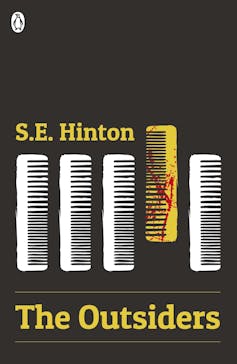
The cover of S.E. Hinton's The Outsiders
The Outsiders is thought to be one of the first novels written specifically for young adults.
Penguin

The Outsiders is thought to be one of the first novels written specifically for young adults. The coming of age novel explores the class divide between the rival Greasers and Socs gangs in the American South in the mid-1960s.

The book’s challenging and emotive representations of inequality, violence, crises of conscience, and the powerful love of family and friends, make it an enduring standout for young readers. The first-person narration constructs intimacy between the reader and our protagonist, Ponyboy Curtis, as he approaches an increasingly uncertain future.

Hinton started the book at 15, finished it at 16, and it was published when she was 18. It is said she wrote the book because it was the sort of book she herself wanted to read.

In a year when many young people have experienced isolation and separation, Ponyboy’s wisdoms should resonate powerfully:

It seemed funny to me that the sunset she saw from her patio and the one I saw from the back steps was the same one. Maybe the two different worlds we lived in weren’t so different. We saw the same sunset.

2. Autobiography (memoir): Crazy Brave (2012)

by Joy Harjo
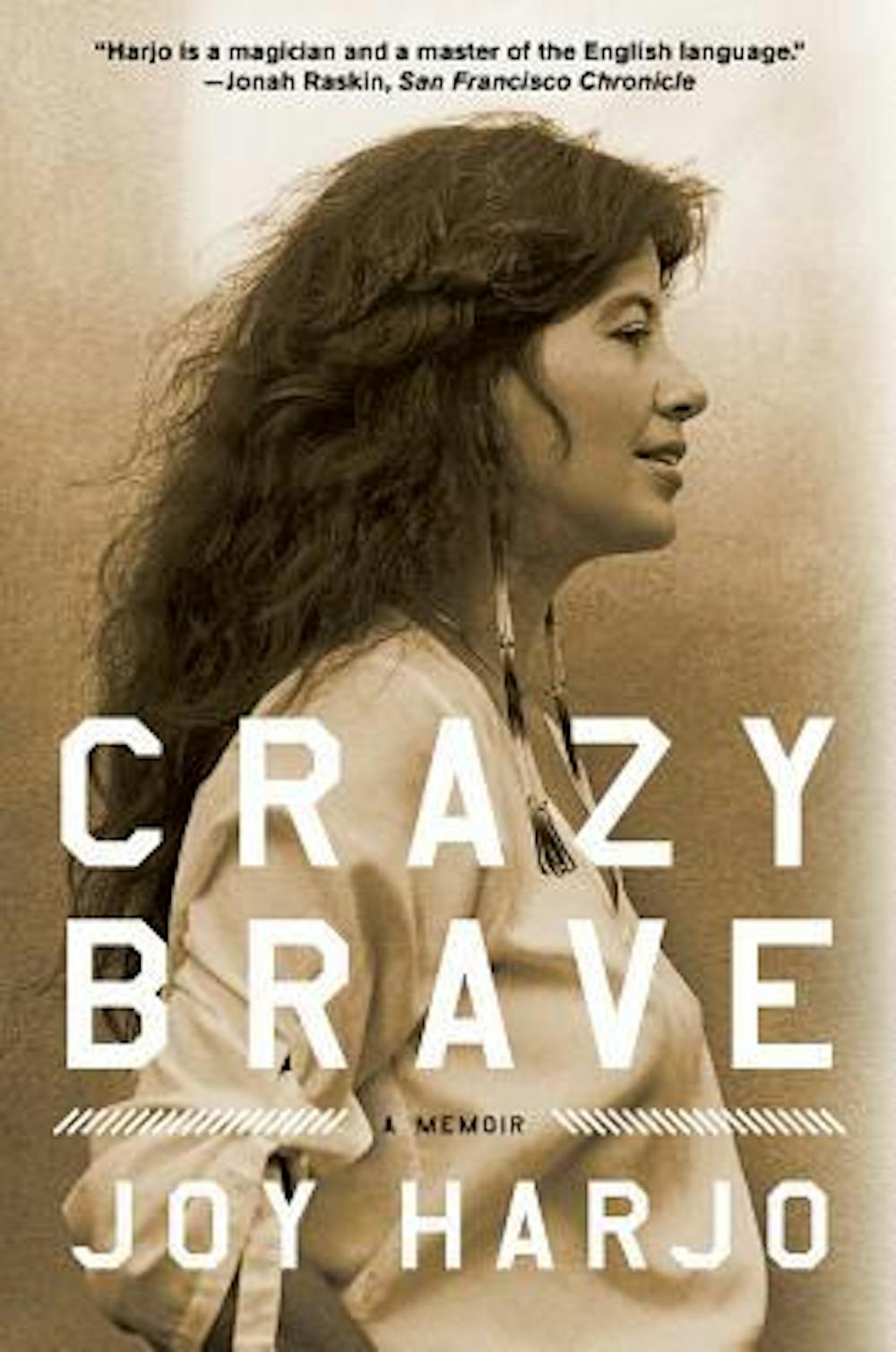
Cover of Crazy Brave: a memoir
Joy Harjo’s memoir is confronting and, at times, graphic.
W.W. Norton

Cherokee, Creek painter, musician and US Poet Laureate, Harjo wrote her memoir when she was 61.

Crazy Brave recalls her early life from birth to her early 20s. The story is abstract and non-linear in structure, making the memoir unpredictable, which destabilises the reader’s experience.

Harjo’s memoir is confronting and, at times, graphic. But her spiritual connections, and trust of her own “knowing” (instinct, or inner vision) will inspire readers keen to escape problematic right or wrong, or black and white perceptions of experience. As Harjo astutely observes:

In the end, we must each tend to our own gulfs of sadness, though others can assist us with kindness, food, good words, and music. Our human tendency is to fill these holes with distractions like shopping and fast romance, or with drugs and alcohol.

3. Young author: A Lonely Girl is a Dangerous Thing (2020)

by Jessie Tu
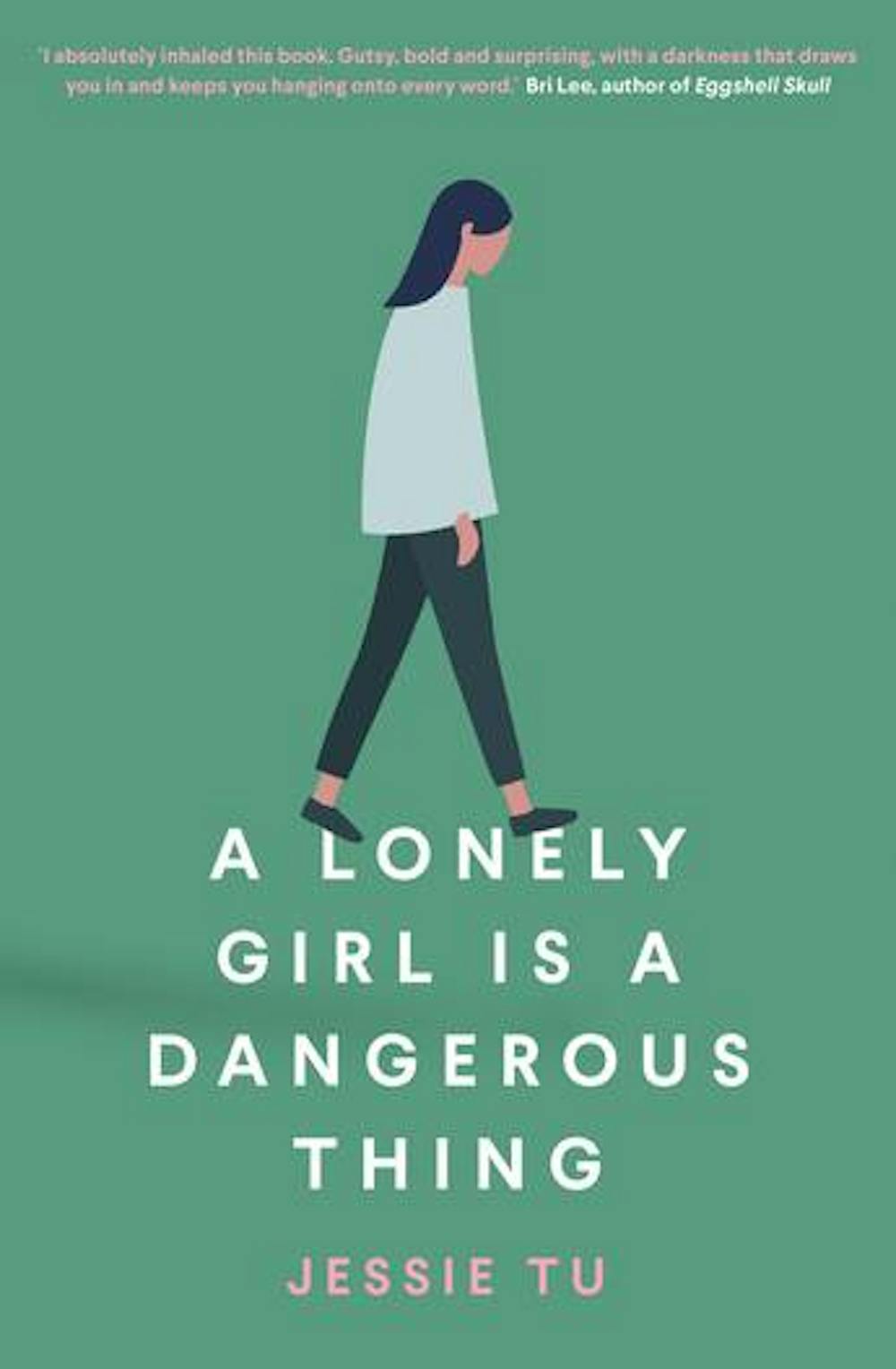
The cover of Jessie Tu's A Lonely Girl is a Dangerous Thing
This is not a fun read, but it is a timely one.
Allen & Unwin

28-year-old Tu’s debut novel presents 22-year-old violinist child prodigy Jena Chung. We follow Jena’s sense of alienation and detachment as she attempts to find meaning in the world.

Lonely Girl is not a fun read, but it is a timely one. We need to see more Asian-Australia women’s voices in literature because of the important provocations they make about race and misogyny in Australia. Tu wanted this novel to be a conversation starter and it certainly is.

Tu’s is a powerful intervention young readers will appreciate. It is a book about making bad choices while feeling so much pressure to be “good”:

I throw myself into things, expecting always to get what I want. And I always get what I want. Now it feels like I’ve failed all over again. Only this time there’s no motivation behind it. I’ve just failed myself, and it hurts in a strange, unfamiliar way. The wound is deeper than anything I’ve ever felt.

This novel contains graphic representations of sex. It is recommended for readers 17 and over.

4. Written in 2020: The Morbids (2020)

by Ewa Ramsey

The cover of Ewa Ramsey's, The Morbids
This is Newcastle-based author Ewa Ramsey’s debut novel.
Allen & Unwin

This is a wonderfully compassionate book about living with anxiety caused by our 20-something protagonist Caitlin’s fear of death. The Morbids explores the value of friendship and romance amid youthful fears and phobias.

Ramsey’s debut novel is a difficult read. The style of the novel (fragmented, sometimes repetitive language) attempts to bring the reader closer to the experience of mental illness. But the characterisations are warm and the moral is ultimately hopeful.

It’s a book about therapy and letting people in when it is the last thing you feel like you can do, because “Sometimes you need to give up on death … to have the time of your life”.

5. Throwback: Love, Creekwood (2020)

by Becky Albertalli
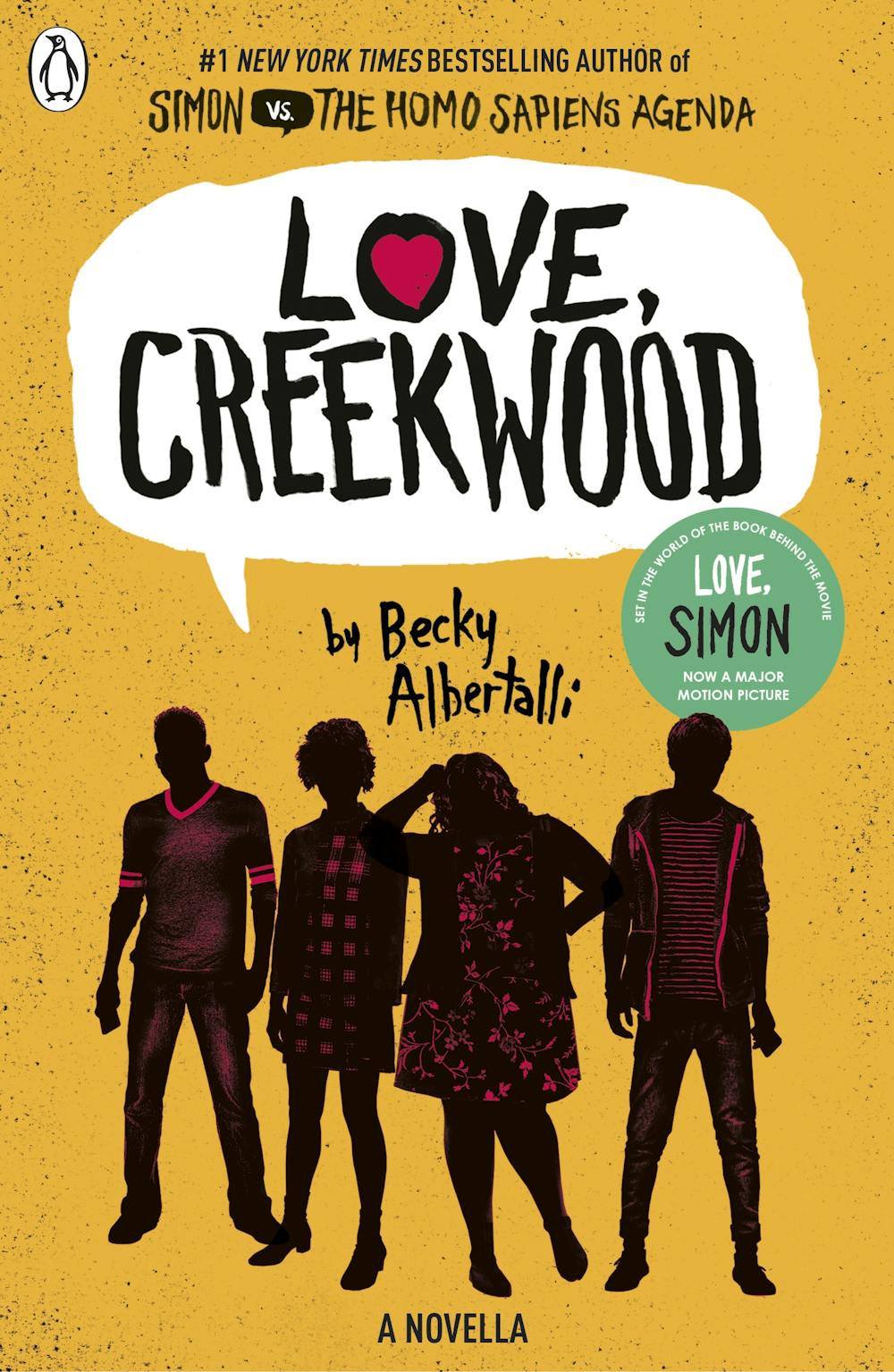
The cover of Becky Albertalli's, Love, Creekwood
Love, Creekwood is narrated via the characters’ emails to each other.
Penguin

Not exactly a throwback, but if you enjoyed Simon vs the Homosapiens Agenda as much as my teens and I did, here is the latest instalment of the Simonverse.

Love, Creekwood is a short epistolary romance novella (the story is narrated via the characters’ emails to each other). It is “part 3.5” in the series and functions as an epilogue.

Love, Creekwood follows the characters to college and we follow the progression of two same-sex relationships. The book explores the challenges of being too close and too far away from a partner. It explores the mental health struggles often triggered by loneliness and fear.

Love, Creekwood is a light-hearted but genuine representation of what the first year of university can feel like.

As Simon explains:

When we say we want to freeze time, what we mean is that we want to control our memories. We want to choose which moments we’ll keep forever. We want to guarantee the best ones won’t slip away from us somehow. So when something beautiful happens, there’s this impulse to press pause and save the game. We want to make sure we can find our way back to that moment.

Albertalli is donating all proceeds from the sale of this novella to The Trevor Project, an organisation committed to crisis and suicide prevention for LGBTQIA youth.


Read more:
Teen summer reads: how to escape to another world after a year stuck in this one


The author would like to thank to Katerina Bryant, Kylie Cardell, Joshua Douglas-Spencer and Emma Maguire for sharing ideas for this article.The Conversation

Kate Douglas, Professor, Flinders University

This article is republished from The Conversation under a Creative Commons license. Read the original article.
Unknown's avatar

Teen summer reads: how to escape to another world after a year stuck in this one


Shutterstock

Troy Potter, University of Melbourne

This article is part of three-part series on summer reads for young people after a very unique year.


As this tumultuous year comes to a close, the Australian summer is an ideal time to relax and escape through reading.

Like many people, Australian teenagers have experienced higher rates of psychological distress this year as a result of the COVID pandemic. Reading is one way for teens to remove themselves, if only temporarily, from their current stresses.

As fantasy writer Neil Gaiman said:

Books make great gifts because they have whole worlds inside of them.

Young adult novels also present alternative ways of being and resolving crises. This is because a defining characteristic of young adult books relates to power. In novels for young adults, teen protagonists learn how to use their power to navigate social situations, whether in families, schools, their community or, indeed, other worlds.

In this way, young adult literature can be considered both a form of escapism and empowerment.

According to Teen Reading in the Digital Era — a study conducted by Deakin University — teenagers have diverse reading preferences. The study identified five of these: fantasy, contemporary realist fiction, science fiction, autobiography or biography, and action or adventure.

With this in mind, here are some recommendations for your teen’s summer reading to help them both escape and, hopefully, re-empower themselves.

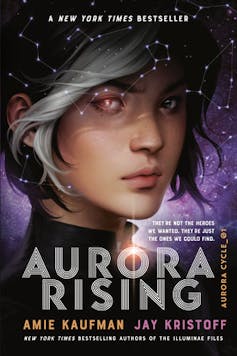
Aurora has woken up in the year 2380.
Penguin Random House

The Aurora Cycle

by Amie Kaufman and Jay Kristoff

Teenagers who feel they’re finally emerging from a tough year of restrictions may empathise with Aurora Jie-Lin O’Malley, who has woken up from a 200-year cryosleep (where your body is cooled down and preserved in liquid nitrogen) to find herself in the year 2380.

Aurora secretly joins a group of graduating cadets on their first mission. What should be a simple cargo run ends up being a cat-and-mouse chase across the galaxy. In trying to find her place in a new universe, Aurora and the cadets uncover an ancient alien species who has spent millions of years preparing to take over the galaxy.

Told from the perspective of each of the seven teenage protagonists, the Aurora Cycle is a new action science-fiction series. It currently comprises the books Aurora Rising (2019) and Aurora Burning (2020).

Other intergalactic action-adventure sci-fi books teenagers may enjoy include A Confusion of Princes (2012) by Garth Nix, Mindcull (2019) by K. H. Canobi, and Kaufman and Kristoff’s earlier series, The Illuminae Files (2015–2016).

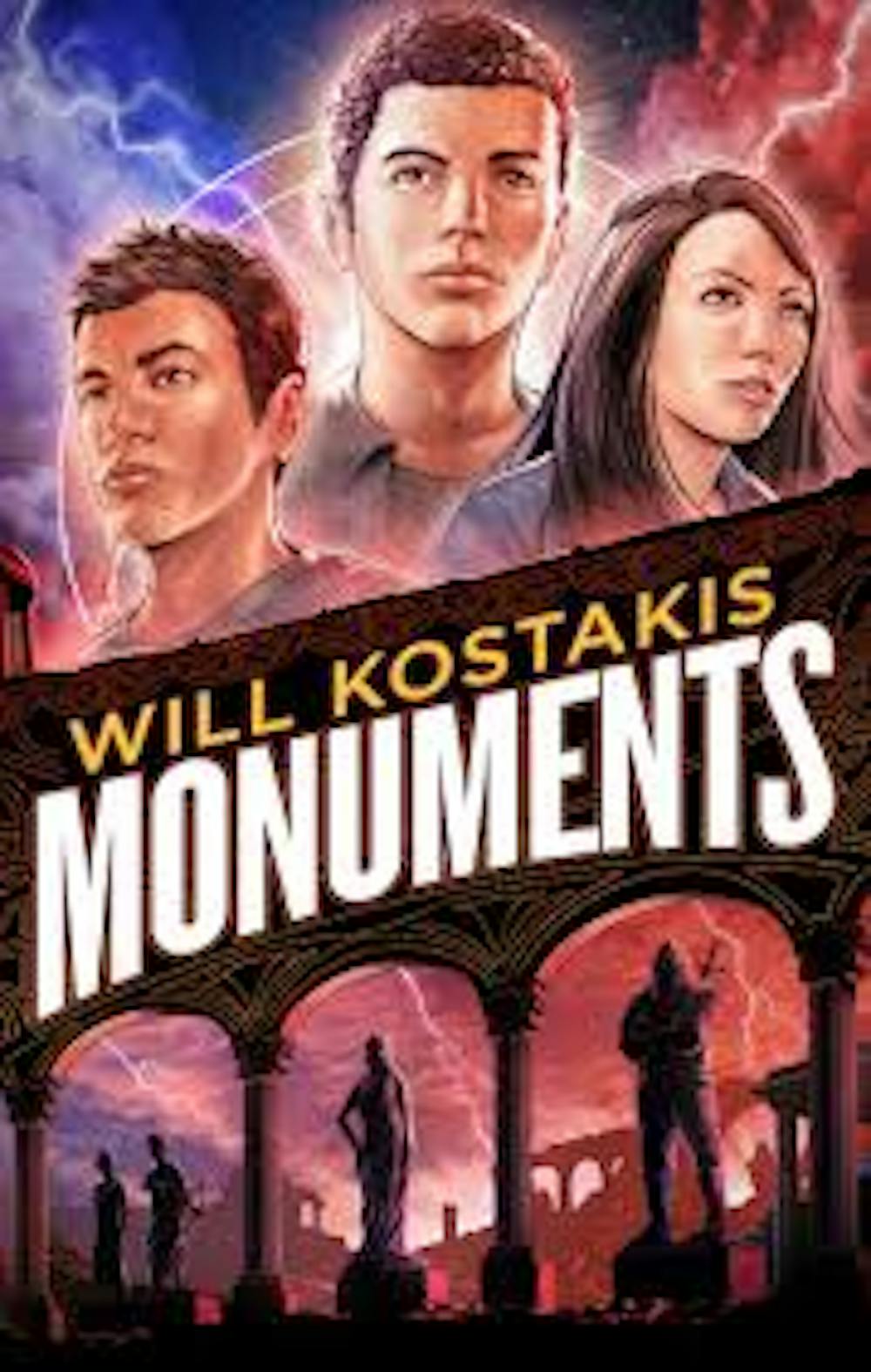
Monuments is a duology.
Hachette

Monuments (2019) and Rebel Gods (2020)

by Will Kostakis

A scavenger hunt for buried gods may be just the thing teenagers need to get their minds moving. In this urban fantasy duology, Connor learns about the Monuments — powerful gods who have hidden themselves to protect humanity.

Joined by Sarah and Locky, Connor searches across contemporary Sydney, trying to uncover the gods. However, despite their awesome powers, the Monuments need protecting, too. The problem is Connor doesn’t know who he can trust with the knowledge and power of the gods.

This is author Will Kostakis’ first foray into the fantastical.

Other fantasy novels for teenagers to get lost in include the bewitching The Last Balfour (2019) by Cait Duggan; Four Dead Queens (2019) — a murder mystery by by Astrid Scholte; and the Old Kingdom series (1995–2016) by Garth Nix.

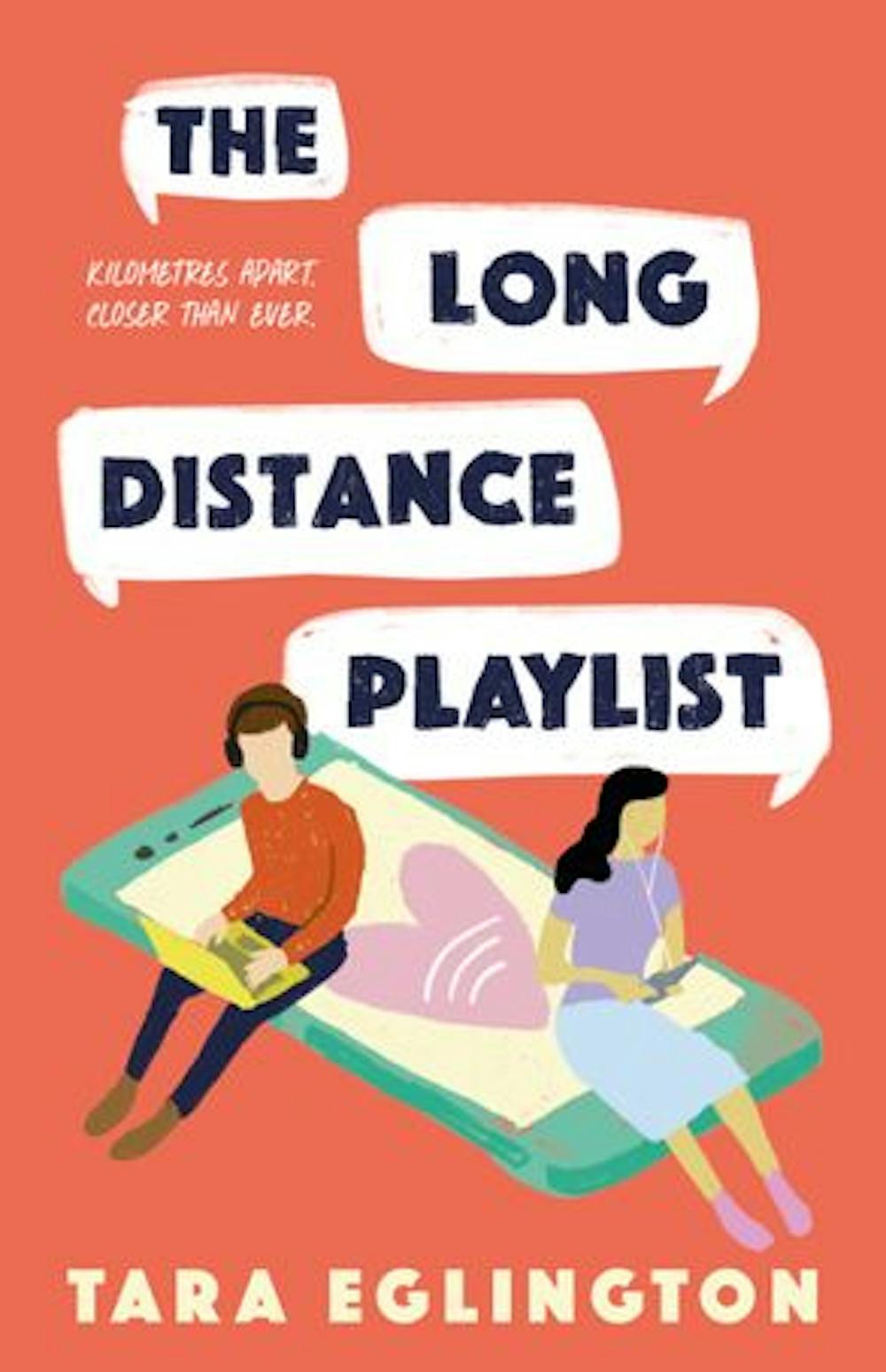
This novel is mainly made up of instant messenger conversations.
Harper Collins

The Long Distance Playlist (2020)

by Tara Eglington

Having spent more time on a screen this year than before, what better way for teenagers to re-engage with novels than to read one that’s written in instant messenger, text, emails, prose and playlists?

Eglington’s fourth young adult novel centres on teenagers Taylor and Isolde, who live in Wanaka (New Zealand) and Sydney, respectively. Friends since childhood, the two reconnect across the Tasman after an 18-month long fight.

As they exchange cross-country messages over the course of the year, they help support each other through their ordeals and, in doing so, realise relationships can develop over distances.

Two more realist young adult novels in which teenagers connect with others include 19 Love Songs (2020) by David Levithan and It Sounded Better in My Head (2019) by Nina Kenwood.

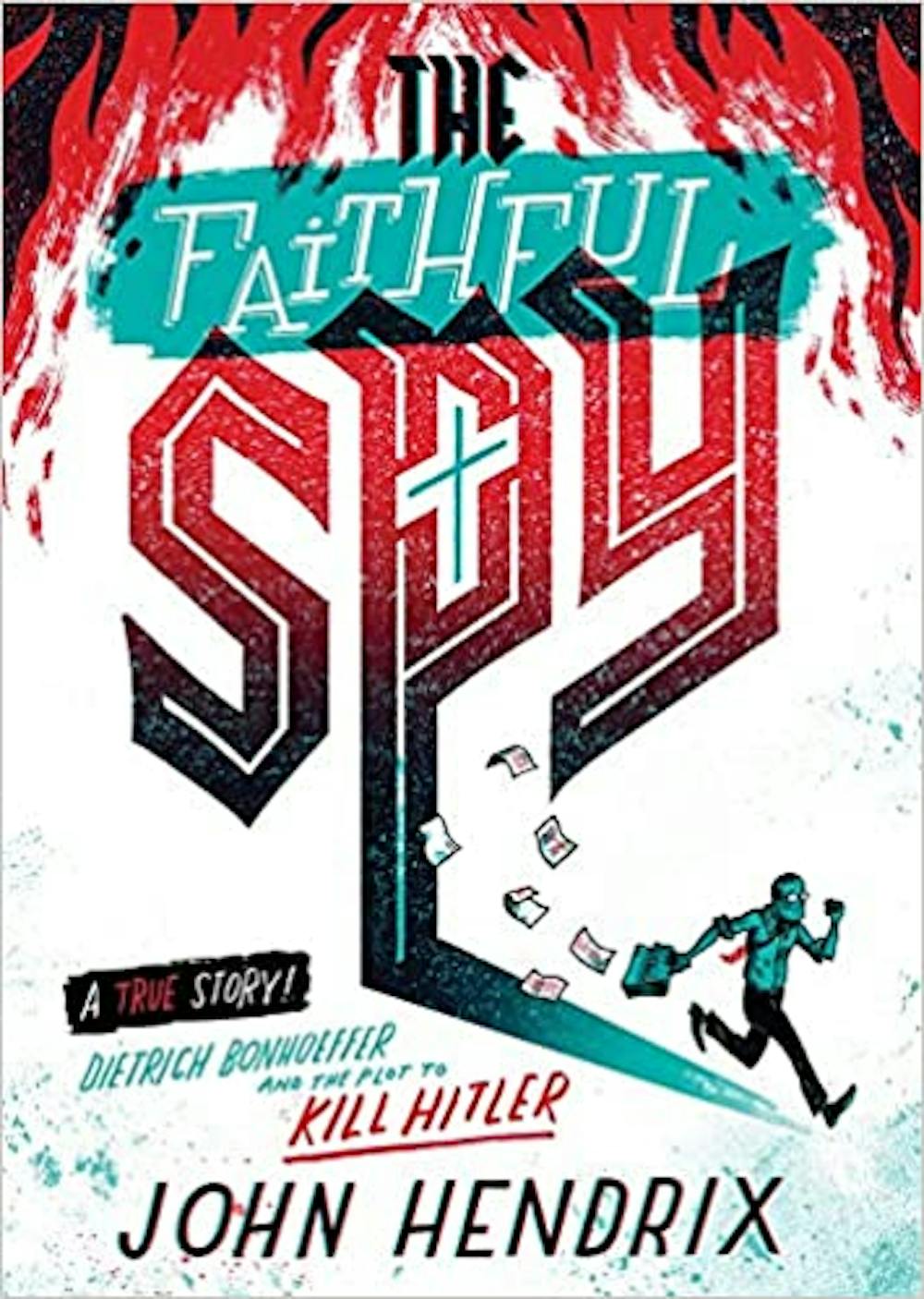
This graphic novel is a biography of a man who fought against Nazi oppression.
John Hendrix

The Faithful Spy: Dietrich Bonhoeffer and the Plot to Kill Hitler (2018)

by John Hendrix

Teenagers who prefer to read about the lives of others may be interested in this graphic biography. It tells the story of Dietrich Bonhoeffer, a German theologian who resisted the Nazi regime and was associated with the plot to kill Hitler.

Using a red-black-teal colour scheme, the mixture of text and illustration details Bonhoeffer’s life and outlines the larger historical context of Hitler’s rise to power and the second world war. Cited material is asterisked, and a select bibliography and limited notes are included.

A graphic autobiography (about a girl growing up during the Iranian Revolution) teenagers may also enjoy is Persepolis (2000) by Marjane Satrapi.


Read more:
5 Australian books that can help young people understand their place in the world


For other lists of recommended young adult novels, check out the CBCA’s notables or Inside a Dog, a website for teens to share reviews, recommendations and their own creative writing.The Conversation

Troy Potter, Lecturer, The University of Melbourne, University of Melbourne

This article is republished from The Conversation under a Creative Commons license. Read the original article.
Unknown's avatar

The Best Books of 2020 According to Amazon


The link below is to an article that looks at the best books of 2020 according to Amazon.

For more visit:
https://bookriot.com/amazon-best-books-of-2020/

Unknown's avatar

In our own voices: 5 Australian books about living with disability


Shutterstock

Jessica White, The University of Queensland

Fiction and non-fiction works about disability and Deafness are often hampered by stereotypical representations. A disability is frequently presented as something to “overcome”, or used to characterise someone (ever notice all those evil characters portrayed as disfigured?).

These representations obscure the joys, frustrations and creativity of living with disability and Deafness.

Dutch author Corinne Duyvis started the #OwnVoices movement on Twitter because she was frustrated that calls for diversity within the publishing industry did not extend to diverse authors. Originating in discussions of young adult fiction, #OwnVoices aims to highlight books written by authors who share a marginalised identity with the protagonist.

Life writing also provides firsthand accounts of disability and Deafness, showing what it is like to navigate a world designed for able-bodied people. In addition, these books help people with disability and Deafness learn more about their condition, and create community.

Australia has an established literary tradition of writing about disability. Here are five books by Australian disabled writers that reveal insights into their lives and conditions.


Read more:
Creating and being seen: new projects focus on the rights of artists with disabilities


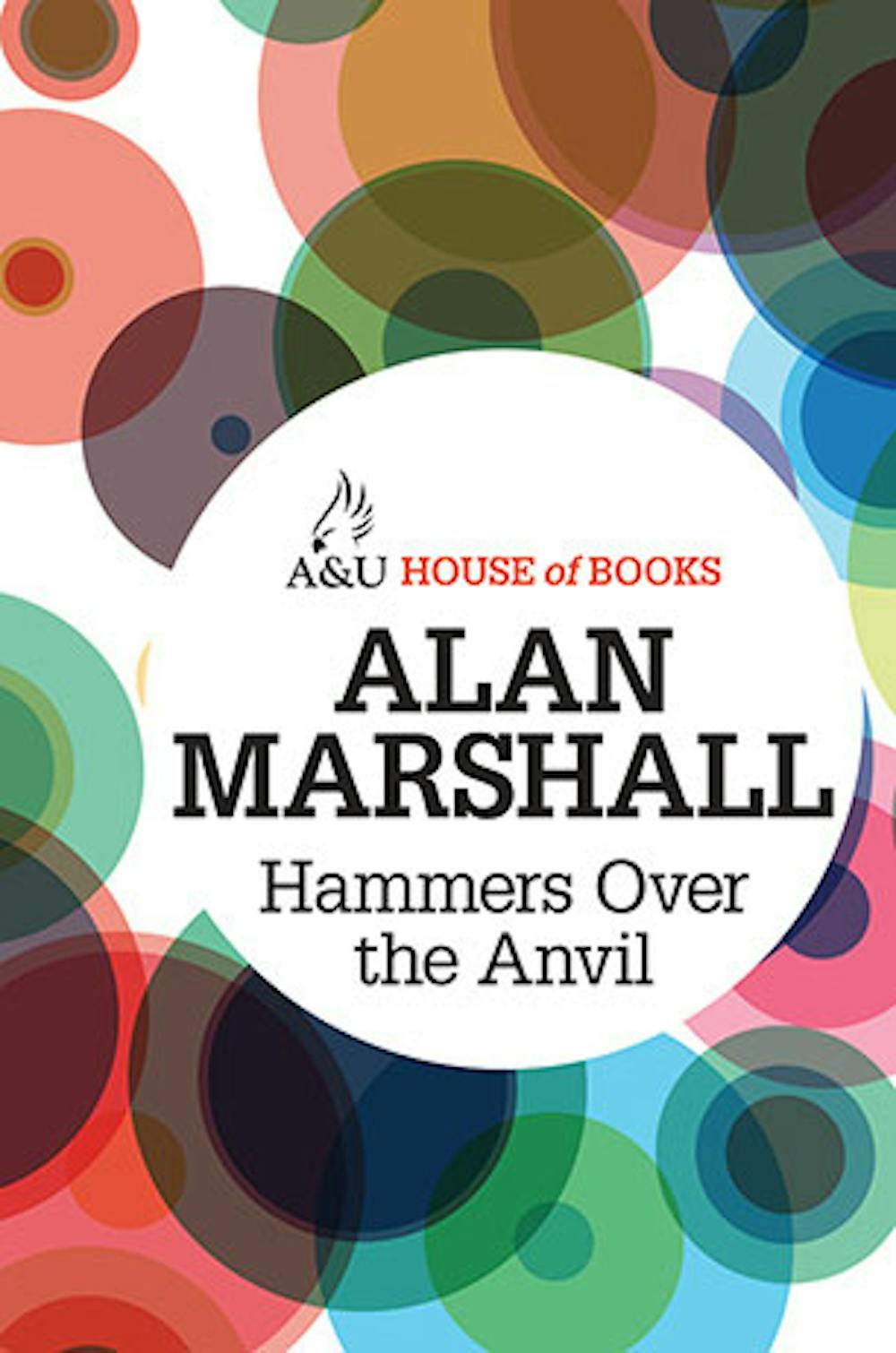
1. Alan Marshall’s Hammers Over the Anvil (1975)

Hammers Over the Anvil book cover

Many readers will be familiar with Marshall’s I Can Jump Puddles (1955), the first book in his series about growing up and living with polio in rural Australia.

Where that book is a cheerful and somewhat sanitised account of living with a disability, Hammers Over the Anvil (1975), the fourth and final book in Marshall’s series, is more realistic.

Marshall’s publisher refused to publish the book, thinking it would tarnish his image. Despite — or perhaps because of — his brutal treatment, Marshall shows a keen sympathy for disenfranchised people and also for animals.

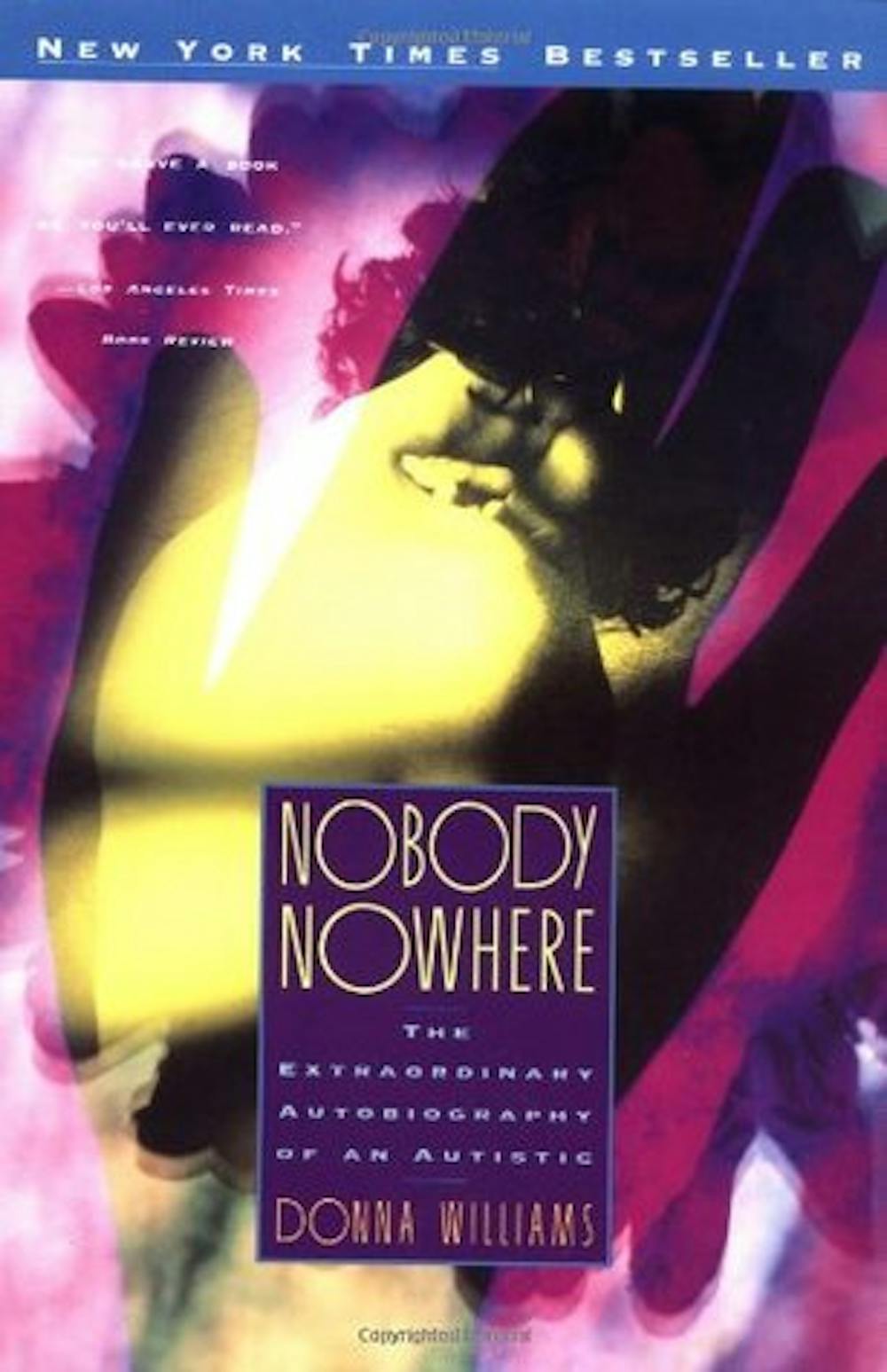
2. Donna Williams’ Nobody Nowhere: The Extraordinary Autobiography of an Autistic Girl (1991)

Nobody Nowhere book cover

Donna Williams was not diagnosed with autism until she was an adult; prior to that she was thought to be deaf and psychotic.

Her story begins at age three and is thick with sensory details, which both delight and overwhelm Williams. She recounts interactions with hostile people — including her own mother, who wanted to admit Williams to an institution.

This book was the first full-length, published account by a person with autism in Australia. It became an international bestseller, spending 15 weeks on the New York Times bestseller list, and was translated into 20 languages.

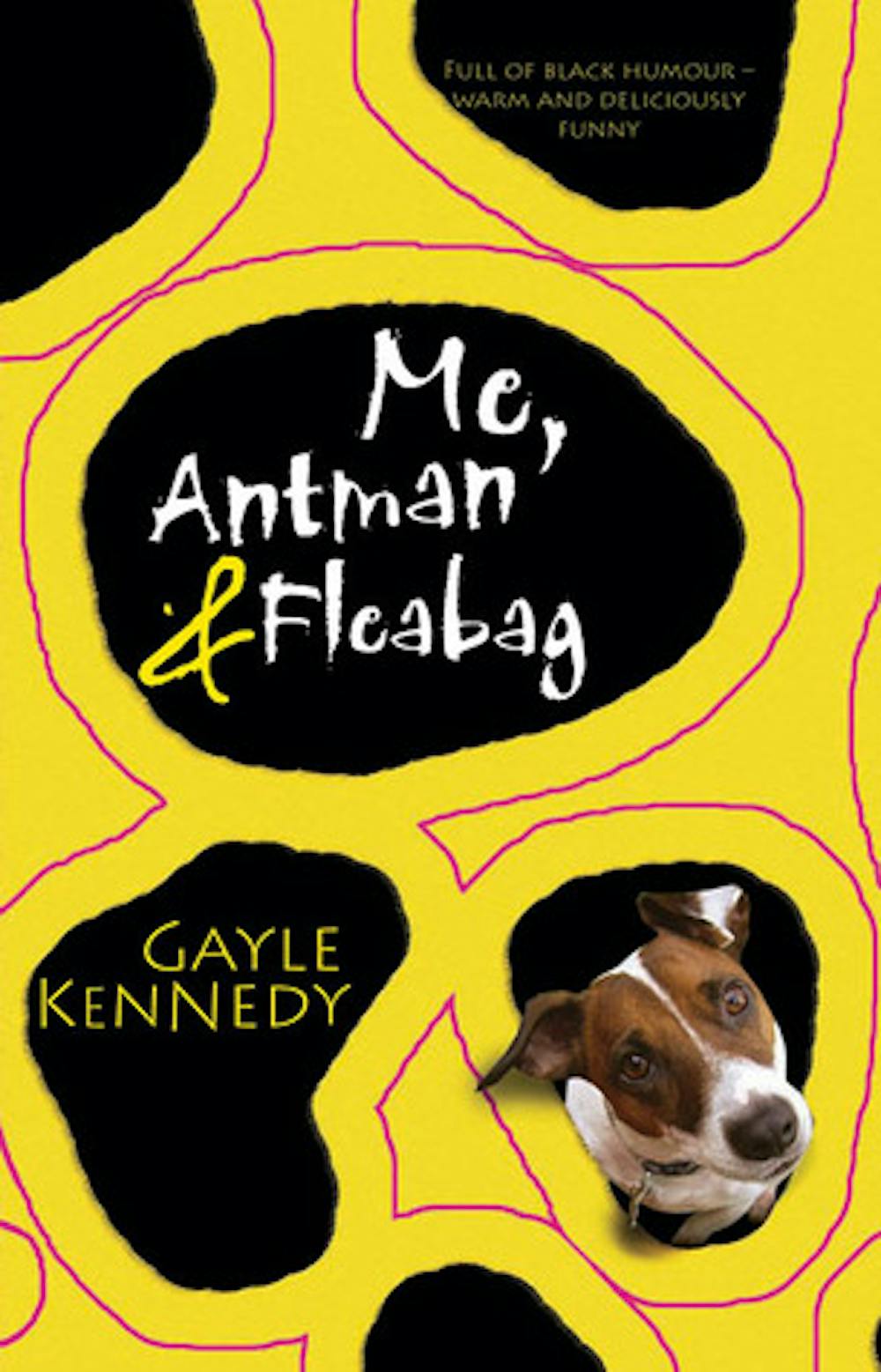
3. Gayle Kennedy’s Me, Antman & Fleabag (2007)

Me, Antman & Fleabag book cover

In this book, Gayle Kennedy, of the Wongaibon people of south west New South Wales, uses a series of engaging vignettes to describe her life as a First Nations woman who had polio.

Kennedy was sent away for treatment. When she returned, her parents seemed like strangers; it took a while to readjust. Though the subject matter sounds heavy, this humorous and accessible work is rich with stories about the importance of family (including dogs!) and the impact of racism.

It is also an important book because it chronicles some of the experiences of First Nations people with disability. It won the David Unaipon award in 2006.

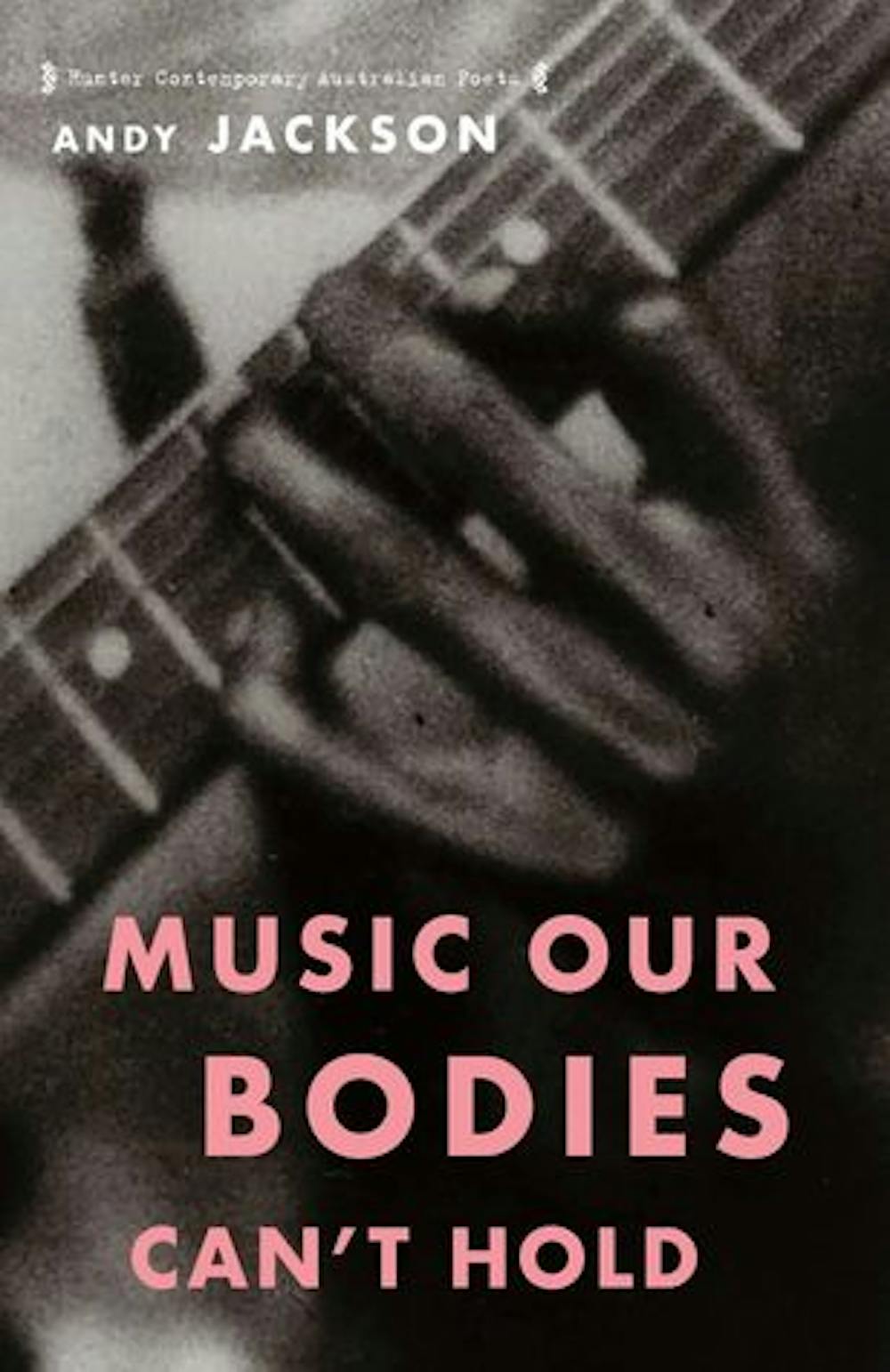
4. Andy Jackson’s Music Our Bodies Can’t Hold (2017)

Music Our Bodies Can’t Hold book cover

Poet Andy Jackson, who has a condition called Marfan Syndrome that affects the body’s connective tissue, began performing poetry to give himself more control over representations of his body.

His collection consists of biographical poems of people with Marfan Syndrome, some of whom he interviewed, and historical figures who are thought to have had the condition, including Abraham Lincoln, the ancient Egyptian pharaoh Akhenaten, Mary Queen of Scots, composer Sergei Rachmaninoff and blues guitarist Robert Johnson.

Poetry, with its focus on voice, is strongly connected to the way that bodies express themselves, often in unique ways. As Jackson writes at the end of his poem Jess:

now look at this photo and tell me

you still want sameness.

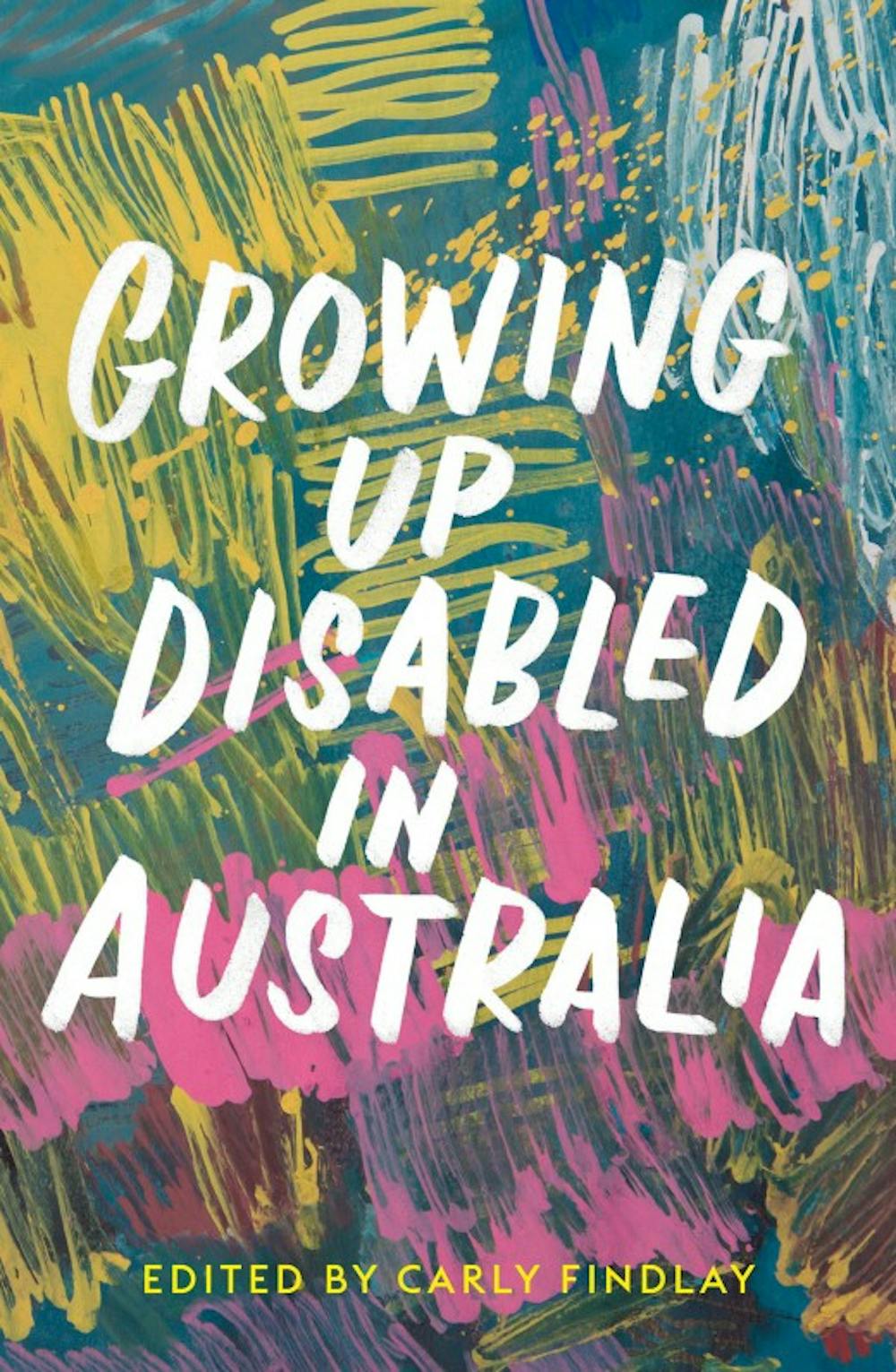
5. Carly Findlay (ed), Growing Up Disabled in Australia (2021)

Growing up Disabled book cover

The final book on my list is one I haven’t read yet — but I cannot wait until I can. Edited by Carly Findley, who has ichthyosis, this collection to be released early next year, will highlight the range of childhoods experienced by people with disability in Australia.

We will be able to read about how young people manage ableism and the (sometimes) soreness of not fitting in, and interviews with prominent Australians such as Senator Jordon Steele-John and Paralympian Isis Holt.

I lost most of my hearing when I was four, and when I was growing up I didn’t read a single book that featured a character who was Deaf. Books like Growing Up Disabled will help young Deaf and disabled people recognise themselves in Australian literature.


Read more:
The Shadow Whose Prey the Hunter Becomes review: Back to Back Theatre’s exciting reframing of disability


In my own hybrid memoir, Hearing Maud, I weave together my experiences of Deafness with those of Maud Praed, the Deaf daughter of 19th century expatriate Australian novelist Rosa Praed.

Maud and I were born 100 years apart, and although our lives went in radically different directions many of our circumstances are the same — especially the expectation that we conform to a hearing world. My disability is often invisible, and I wanted to explain the relentless and exhausting attention that is needed for me to function. Deafness is far more complex than simply not hearing.

There are thousands more examples of the ways authors can write about living with disability. The International Day of People with Disability is a great time to start reading.


Read more:
On screen and on stage, disability continues to be depicted in outdated, cliched ways


The Conversation


Jessica White, UQ Amplify Associate Lecturer, The University of Queensland

This article is republished from The Conversation under a Creative Commons license. Read the original article.
Unknown's avatar

Philosophy Books for Beginners


The link below is to an article that lists philosophy books for beginners.

For more visit:
https://bookriot.com/best-philosophy-books/

Unknown's avatar

10 ‘lost’ Australian literary treasures you should read – and can soon borrow from any library


Perfecto Capucine/Unsplash

Rebecca Giblin, University of Melbourne and Airlie Lawson, University of Melbourne

Many culturally important books by Australian authors are out of print, hard to find as secondhand copies, and confined to the physical shelves of a limited number of libraries. Effectively, they have become inaccessible and invisible — even including some Miles Franklin award winners by authors such as Thea Astley and Rodney Hall.

To ensure these works can be read, a team of authors, librarians and researchers are working together on Untapped: the Australian Literary Heritage Project.

By digitising out of print books and making them available for e-lending, the project will create a royalty stream for the authors involved, as well as income for the arts workers we are employing as proofreaders.

Commercial publishing lists, such as Text Classics and Allen & Unwin’s House of Books, do a great job of breathing new life into some of Australia’s lost books. But they often focus on literary fiction, to the exclusion of genre fiction, children’s books and non-fiction, which also need to be preserved.

Here are 10 of our favourites we’re excited to digitise so you can borrow from your local library straight to your e-device. We expect these and other books in the project to be available in the first half of 2021 – and you too can nominate a book for inclusion in the collection here.

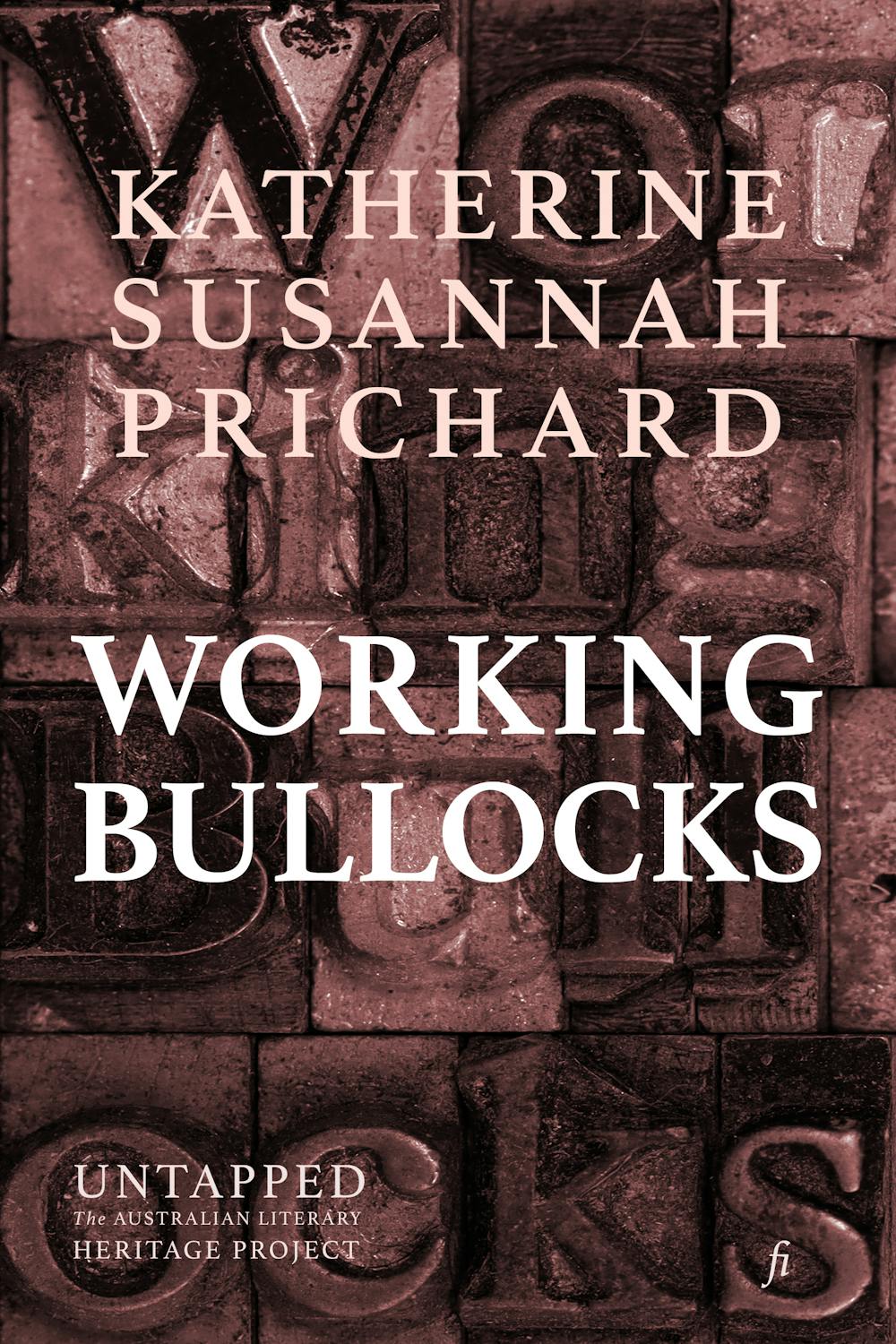
Working Bullocks (1926) by Katharine Susannah Prichard

Book cover

Before Coonardoo (1929), Prichard’s best known work, there was Working Bullocks.

The novel describes the trials of Red Burke, a bullock driver in Western Australia, trying to make a living in a post-war Australia.

Just after the novel’s original publication, it was described by John Sleeman of The Bookman in the UK as “the high-water mark of Australian literary achievement in the novel so far”.

Metal Fatigue (1996) by Sean Williams

Sean Williams has written over 50 books, including co-authored titles with authors such as Shane Dix and Garth Nix which have appeared on the New York Times bestseller list.

Metal Fatigue was Williams’ debut. Set in a small American city 40 years after the end of a nuclear war, the residents must decide if they want to join the newly forming Re-United States of America.

Depicting a dystopic future of violence, shortages and a divided USA, it still feels remarkably current today.

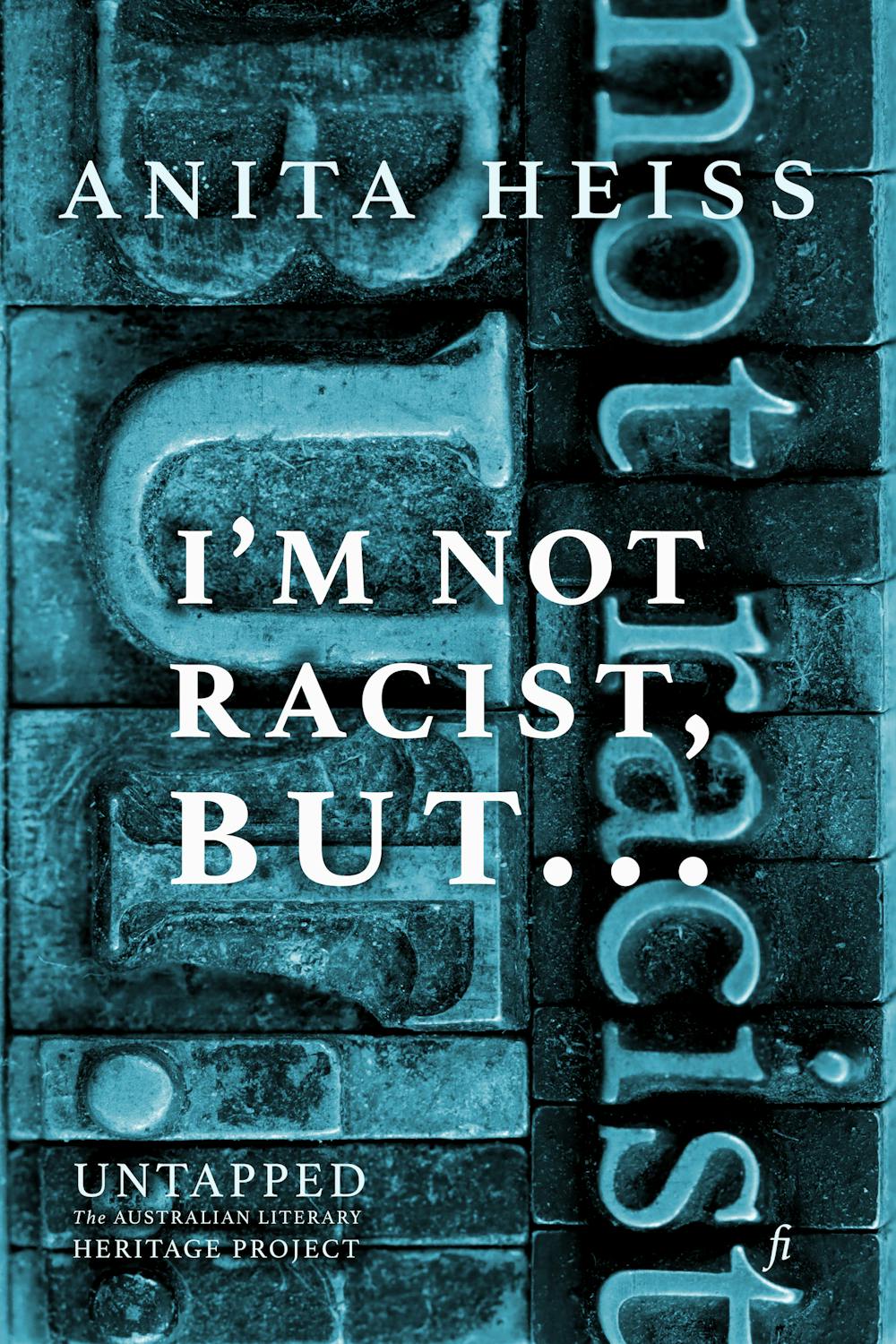
I’m Not Racist, But… (2007) by Anita Heiss

Book cover

This poetry collection from activist, writer and member of the Wiradjuri Nation, Professor Anita Heiss, skewers Australia’s racist underbelly.

I’m Not Racist, But… explores identity, pride and political correctness; proposes alternative words to the national anthem; and reveals how it is to grow up as an Indigenous woman in Australia.

This is a landmark work along Australia’s slow road to racial reckoning.

Space Demons (1986) by Gillian Rubinstein

The multi-award winning Space Demons was Gillian Rubinstein’s first book and began the much-loved trilogy of the same name.

It follows four ordinary kids drawn into a dangerous new computer game – instead of simply watching the game on the screen, they become part of it. And there is no way to know if they will escape.

With its gripping plot and local setting, Space Demons introduced many children to Australian science fiction – and led to many Australians first discovering their love of reading.


Read more:
Curious Kids: Why do adults think video games are bad?


Noonkanbah: Whose Land, Whose Law (1989) by Steve Hawke, with photographs by Michael Gallagher

Book cover

In 1979-80, the Yungngora people protested to stop the American company Amax drilling for oil on a sacred site on Noonkanbah Station, Western Australia.

This book is the detailed first-hand account of what became a high profile, ground-breaking land rights campaign, leading to the formation of the Kimberley Land Council. The Yungngora people wouldn’t have their native title rights recognised until 2007.

Alongside the reporting by Hawke, son of former PM Bob Hawke?, the book includes photographs taken by anthropologist Michael Gallagher.

This is an essential work of Australian history.

The Unlucky Australians (1968) by Frank Hardy

Frank Hardy was known for his political activism around labour rights, and as the author of 16 books. Almost his entire backlist is out of print, with the notable exception of Power Without Glory (1950).

In The Unlucky Australians, Hardy tells the story of the Gurindji people and the opening years of the strike they began in 1966.

Their protest against poor working and living conditions, seeking the return of their traditional lands, lasted nine years.

The Whitlam government returned some of those lands in 1975 with the historic transfer of “a handful of dirt” and the strike led to the passage of the historic Aboriginal Land Rights (Northern Territory) Act in 1976.

A vital piece towards understanding the shameful labour conditions inflicted upon Indigenous Australians, this book should never have gone out of print.


Read more:
An historic handful of dirt: Whitlam and the legacy of the Wave Hill Walk-Off


The Mandala trilogy (1993-2004) by Carmel Bird

Inspired by three real life charismatic and dangerous individuals, these dark stories of abused trust and misplaced faith are transformed, taking on a gothic quality, with complex narratives, unlikely narrators and fairy-tale elements.

The White Garden is an ambitious novel following the misdeeds of the psychiatrist Dr Goddard (or Dr God, for short) in a hospital in the 1960s. Red Shoes takes us into the world of a religious cult. Cape Grimm looks at a religious order after its members are killed by their charismatic leader.

The Mindless Ferocity of Sharks (2003) by Brett D’Arcy

The Mindless Ferocity of Sharks is coming-of-age story about “Floaty Boy”, an 11-year-old with a love of body-surfing, his family, and what happens when his older brother disappears.

Described by the Australian Book Review as “Tim Winton on speed”, D’Arcy shines his own spotlight on Western Australia, exploring the duality of a life spent between the waves and the shore – and what happens when a family becomes torn apart by loss.


Untapped will launch with a free online celebration on November 24 at 6pm. Register for the launch here, nominate a book for inclusion at untapped.org.au – and let us know what you think we should digitise in the comments.The Conversation

Rebecca Giblin, ARC Future Fellow; Associate Professor; Director, Intellectual Property Research Institute of Australia, University of Melbourne and Airlie Lawson, Postdoctoral Fellow, ‘Untapped: the Australian Literary Heritage Project’, University of Melbourne

This article is republished from The Conversation under a Creative Commons license. Read the original article.
Unknown's avatar

10 Public Domain Audiobooks


The link below is to a list of 10 public domain audiobooks.

For more visit:
https://bookriot.com/free-audiobooks-in-the-public-domain/

Unknown's avatar

Books on Donald Trump


The link below is to an article that considers the multitude of books on the Donald Trump era and looks for the best ones.

For more visit:
https://gen.medium.com/the-best-books-about-the-trump-era-according-to-the-critic-who-read-150-cc43cea9720a

Unknown's avatar

Iranian Fiction


The link below is to a list of Iranian fiction works regarded as essential in the article.

For more visit:
https://lithub.com/35-essential-works-of-fiction-by-iranian-writers/

Unknown's avatar

Books About Books


The link below is to an article that takes a look at ten books about books.

For more visit:
https://www.barnesandnoble.com/blog/books-about-books/