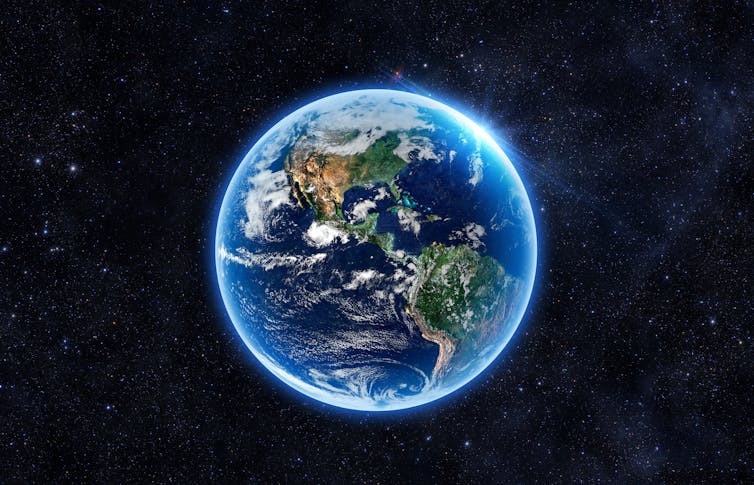
A changing climate means the frequency of extreme weather events such as heat waves, flooding, hurricanes and wildfires has become a common occurrence. Temperatures are increasing on the land and in the ocean, the sea level is rising and amounts of snow and ice are diminishing, as greenhouse gas emissions and concentrations have increased. Unfortunately, children and young people are taking the brunt of climate change and this will continue into the future.
Doctors are seeing the serious effects of global warming on children’s health and are concerned that it could reverse the progress made over the past 25 years in reducing global child deaths. Not only that, children are at risk of mental health issues such as depression and anxiety due to natural disasters caused by climate change.
A UNICEF survey of children aged nine to 18 in 14 countries showed that children are deeply concerned about global issues affecting their peers and them personally, including climate change. Children across all countries feel marginalised because their voices are not being heard nor that their opinions considered.
Environmental diversity
Given the enormity of the climate challenge, it is surprising how limited coverage of our changing climate receives in current children’s fiction. The children’s publishing sector is booming. UK sales of children’s books rose by 16% in 2016 with sales totalling £365m. Globally, children’s book sales have risen steadily across all age categories.
Some picture books do explain climate change (such as The Magic School Bus and Climate Change by Joanne Cole and Bruce Degen). And there are plenty of young adult novels that feature dystopian climate futures (such as Carbon Diaries by Saci Lloyd). But few fiction books for eight to 11-year-olds discuss the issue.
In my view, the lack of “environmental diversity” in children’s literature is just as important as the debate about the lack of cultural and social diversity. After all, children will be responsible for the future protection of our fragile planet, and so their knowledge and engagement are critical.
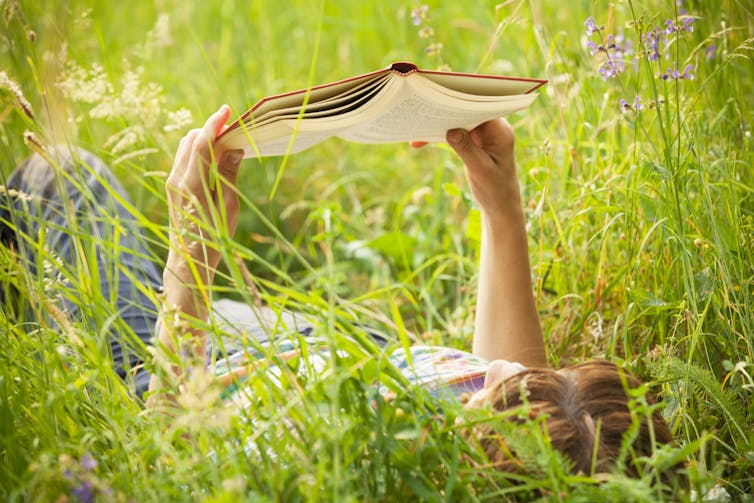
Stories not only develop children’s literacy but convey beliefs, attitudes and social norms which, in turn, shape children’s perceptions of reality. They allow children to move from a position of powerlessness to a position of possibility. Through fiction, children are able to explore different perspectives and actions beyond what they know by living in the story world of characters for whom they care.
Through literature, children can develop a better understanding of global issues and engage in critical inquiry about themselves in the world. And so combining narrative structure with factual information has the power to take children beyond what is on the page. This could allow them to expand their understanding of difficult scientific concepts such as climate change.
Earth warriors
As children engage in the printed word, they can be inspired to make a difference in the real world. This is what a group of Portuguese children is doing after watching their district burn because of the worst forest fires in their country’s history. The fires that occurred in June 2017 have been linked to climate change, and killed over 60 people. The children are now seeking crowdfunding to take a major climate change case to the European Court of Human Rights alleging that the states’ failure to tackle climate change threatens their right to life.
When I decided to write my first children’s novel, I never intended it to be an eco-themed book. But given that I am an environmental researcher, it seemed the most natural thing to do. The result is My Dad, the Earth Warrior, a funny story about the relationship between a boy called Hero and his dad who have grown apart since the death of his mother. Then one day dad has a freak accident and wakes up claiming to be an Earth warrior sent to protect Mother Earth. This plunges Hero into an increasingly bizarre and dangerous world.
Climate change can be a dark, apocalyptic issue to discuss in a story to overcome this, I did not make it a central topic but used the changing weather as an underlying theme throughout this book. The persona of the Earth warrior provides an alternative perspective on our relationship with the natural world. At the end of the book, I encourage readers to join the tribe and become Earth warriors. I hope by taking a humorous approach to a serious topic, I can not only engage and entertain children but also inspire them to think beyond the book. This is something that writer and illustrator Megan Herbert has done by teaming up with climatologist, Michael Mann, for their crowdfunded picture book The Tantrum that Saved the World.
We need children to care about the planet if they are to the tackle climate challenge that lies ahead. Storytelling can play a part in raising awareness and inspiring children and young adults to take action and become the next generation of Earth warriors.
Women’s writing has long been a thorn in the side of the male literary establishment. From fears in the late 18th century that reading novels – particularly written by women – would be emotionally and physically dangerous for women, to the Brontë sisters publishing initially under male pseudonyms, to the dismissal of the genre of romance fiction as beyond the critical pale, there has been a dominant culture which finds the association of women and writing to be dangerous. It has long been something to be controlled, managed and dismissed.
One of the ways that publishers, booksellers and critics use to “manage” literature is through the notion of genre: labelling a book as “detective fiction” becomes an easy way to identify particular tropes in a novel. These genre designations are particularly helpful for publishers and booksellers, with the logic running something like this: a reader can walk into any bookstore, anywhere, and go to the detective fiction section and find a book to read, because s/he has read detective fiction before and enjoyed it.
What complicates this is who makes the decision of which genres are deemed to be appropriate, and which books are put into which category. Genre is also complicated by the idea of women’s writing. Can we have a genre that is designated solely by the sex of the author? What if we turned this around, and rather than a genre, women’s writing was a term we used to simply celebrate writing about women?
Here are five novels by women – and about women – from across the 20th century. These novels all grapple, in very different ways, with women and independence.
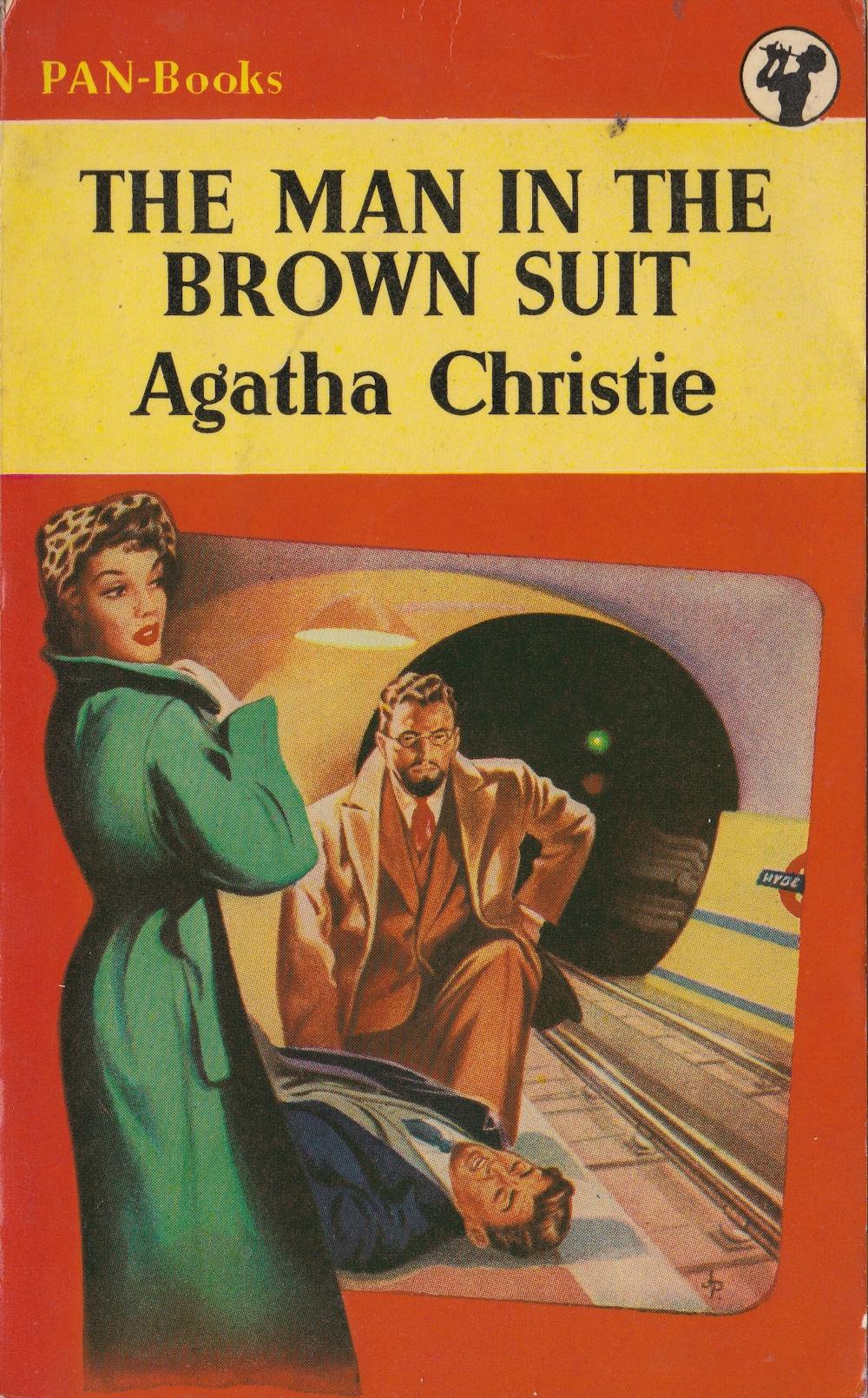
Anna Beddingfeld, a self-mocking heroine, who is very aware of the conventions of gender and genre, impulsively buys a ticket to South Africa because the boat fare is the exact amount she has left in the world. She ends up taking down an international crime syndicate with aplomb and panache.
Lucy Maud Montgomery, The Blue Castle (1926)
Doss is the expendable unmarried older woman in a Victorian novel. But in this story, she walks out on her largely uninterested family to move into a cabin on an island with a man she has met only briefly. A fantasy of the Canadian wilderness, the novel was one of Montgomery’s few novels for adults.
Mary Stewart, Nine Coaches Waiting (1958)
A rewriting of Jane Eyre, the novel contains all the tropes of the Gothic romance – a castle, a family secret, murder – but these are challenged by one of Stewart’s finest protagonists, Linda Martin. Martin is employed as a governess by an aristocratic family, but rejects the trappings of romance to protect her charge, and her own integrity.
Octavia Butler, Kindred (1979)
Edana Franklin wakes up in hospital with her arm amputated and the police questioning her husband. It is revealed that she has been travelling back to 1815, where she comes into repeated contact and conflict with Rufus, one of her slave-owning ancestors. A novel that raises important questions about masculinity, power and violence.
Shirley Jackson, Patchwork Girl (1995)
One of the earliest pieces of electronic fiction, this retelling of Shelley’s Frankenstein (1818) and Baum’s The Patchwork Girl (1913) places the narrative in the hands of the reader, who pieces together the story through illustrations of parts of a female body.
Often popular novels by women have a narrative arc that is visible from the outset: the protagonists will find a romantic partner in the end. In some of the above books, some of the women do, and some of them don’t, find a romantic partner. For those who do, the romance is secondary to the work they do, and the choices that they make about their own lives.
What unites the novels is an exploration of the choices that some women have to make as a result of their sexed and gendered embodiment, whether travelling to South Africa on a whim, being jolted unwillingly back onto a slave plantation, or making an explicit call to the (woman) reader to make choices about how the electronic story develops.
Writing about women (and often by women) gives us some examples of how to challenge the status quo, if only for a little while. Each challenge, however, provides another example of how to effect change in a patriarchal culture. Here’s to the writers about women who have done this – from Jane Austen to Shirley Jackson, from Frances Burney to Josephine Tey, and from Angela Carter to Val McDermid.


 We need children to care about the planet if they are to the tackle climate challenge that lies ahead. Storytelling can play a part in raising awareness and inspiring children and young adults to take action and become the next generation of Earth warriors.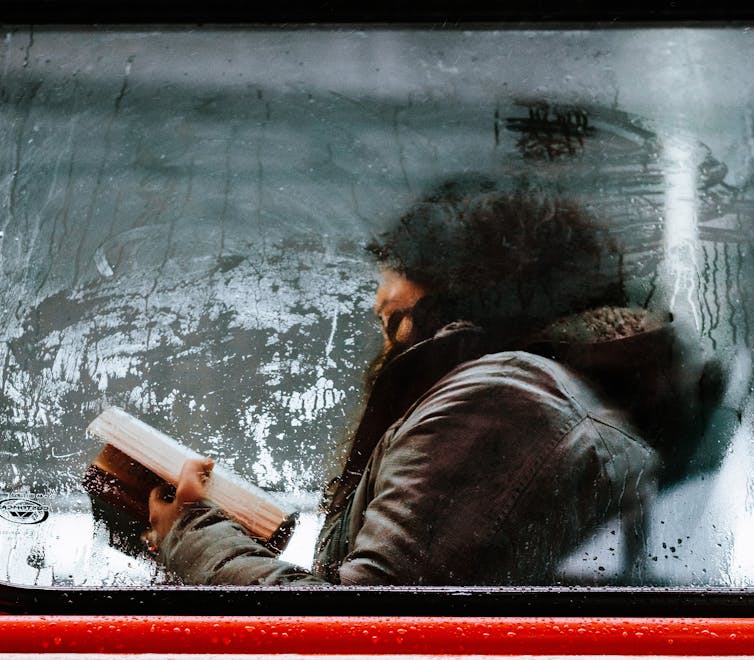
 Writing about women (and often by women) gives us some examples of how to challenge the status quo, if only for a little while. Each challenge, however, provides another example of how to effect change in a patriarchal culture. Here’s to the writers about women who have done this – from Jane Austen to Shirley Jackson, from Frances Burney to Josephine Tey, and from Angela Carter to Val McDermid.
 At the BookShelf
You must be logged in to post a comment.