Unknown's avatar

Daring reads by the first generation of Canadian Jewish women writers


Ruth Panofsky, Ryerson University

How do you get through the dark winter months of a pandemic? By reading exciting work by long overlooked Canadian women writers.

Consider the first generation of Canadian Jewish authors who wrote in English. Readers will know the poet Irving Layton — whose death we commemorate on Jan. 4 — as well as novelist Mordecai Richler and singer-songwriter Leonard Cohen, all of them Montréalers.

But you may not know the women who published poems and prose alongside their more recognized male counterparts.

Prairie writers Miriam Waddington, Adele Wiseman and Fredelle Bruser Maynard and Torontonians Helen Weinzweig and Shirley Faessler were among the pioneering figures who produced daring work out of their own experiences as women.

My research on Canadian Jewish writers has led to a deep appreciation for the work of these accomplished women who deserve recognition for their contributions to the field.

Who were these women and what did they publish?

Miriam Waddington
A book cover.
‘Driving Home,’ by Miriam Waddington.
(Oxford University Press)

Winnipeg-born Waddington (1917-2004) participated in the rise of modernist Canadian poetry.

A prolific writer, she published 14 volumes of verse during her lifetime. Waddington’s poetry is deceptively accessible: it is personal but never private, emotional but not confessional, thoughtful but never cerebral.

Waddington wrote layered verse always from a gendered position, first as a social worker who saw aspects of herself in her most vulnerable clients. She detailed intoxicating romance and mature love, the pleasures of marriage and motherhood, the experience of raising two sons to adulthood and the ineffable pain of divorce.

As she moved through middle age, Waddington wrote of her ancestral past, the death of her ex-husband and loss of close friends, and later of growing old. Her poems of a Winnipeg childhood, modern urban life in Montréal and Toronto, visits to London, Berlin, Jerusalem and Moscow, of art and writing, probed irreconcilable differences of place and identity, politics and work.

At the core of Waddington’s poetry was a moral quest for knowledge and understanding. A two-volume critical edition of her collected poems was published in 2014.

Adele Wiseman
Adele Wiseman seen in profile on a book cover.
‘The Force of Vocation: The Literary Career of Adele Wiseman’
(University of Manitoba Press)

Wiseman (1928-92) was also born and raised in Winnipeg’s North End when it was largely Jewish.

She is best known for her two novels that mine the Prairie landscape and the Jewish culture that was her inheritance. Both works are set in insular communities whose practices reflect traditional Judaism.

The Sacrifice, published when Wiseman was 28 in 1956, received the Governor General’s Literary Award that year. This tragic novel revealed her interest in characters who challenge normative behaviour and affirmed Wiseman’s belief in community. It centres on the murder of a woman by its devout protagonist Abraham who misinterprets her flirtation.

Crackpot is the epic story of Hoda, an obese Jewish sex worker, who services the boys and men of her North End community. Hoda is garrulous and outspoken, determined and resilient. Tested by fate and the son she must give up at birth, she remains one of literature’s most memorable characters — for playwrights, poets and readers alike.

Today, Crackpot is universally admired, but in 1974, the year it was published, the Canadian audience had little taste for its novelistic treatment of unconventional sexuality and incest.

Fredelle Bruser Maynard
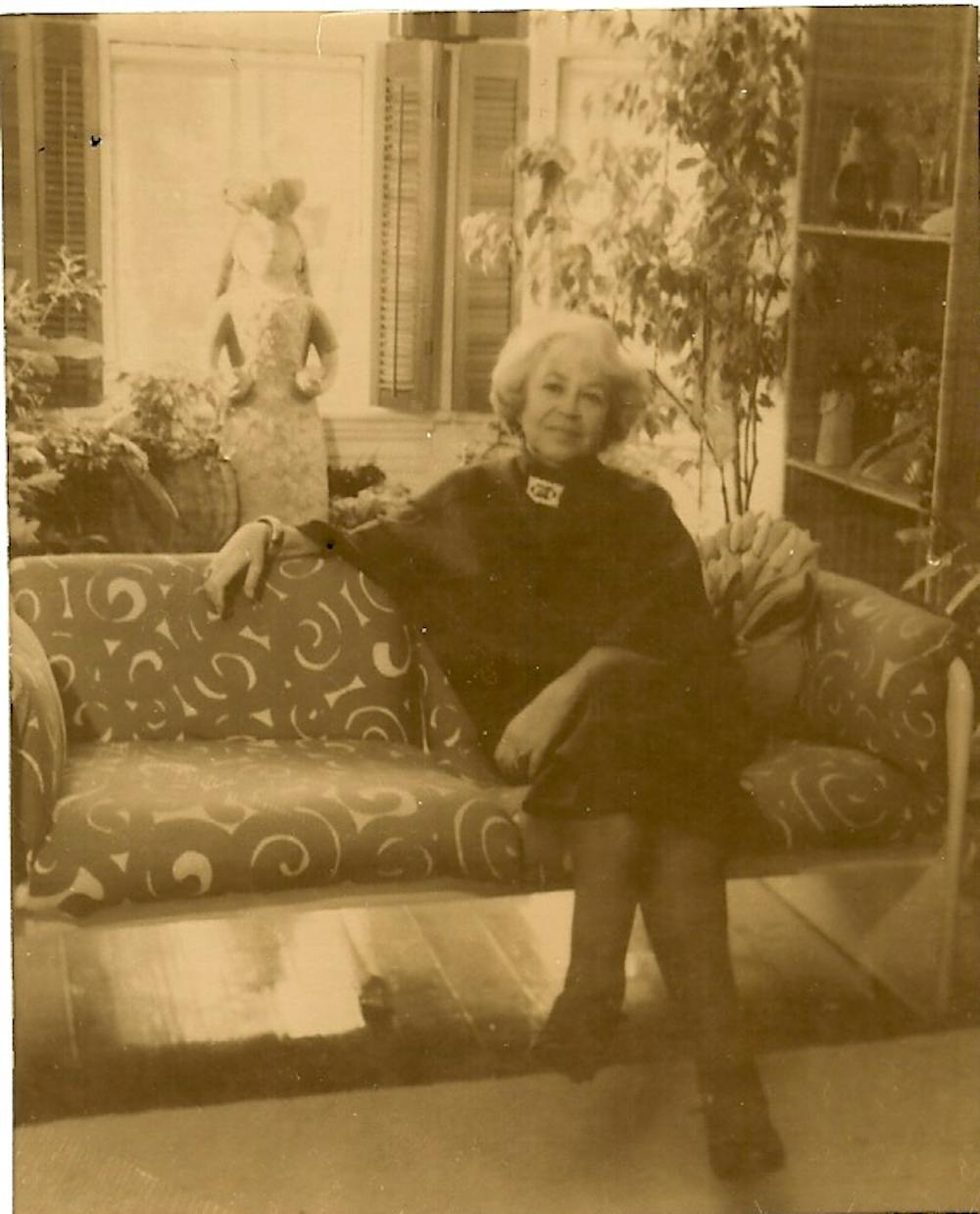
A woman on a couch.
Fredelle Bruser Maynard at her home at 25 Metcalfe St., in Cabbagetown, in Toronto, in the mid-to-late 80s.
(Courtesy of Rona Maynard)

Born in Foam Lake, Sask., Maynard (1922-89) spent her youth in Winnipeg. Her two memoirs, written with honesty and poignancy, foreground her experience as a Jewish woman.

Raisins and Almonds (1972) evokes Maynard’s childhood and family life on the Prairies, where she recalls growing up feeling “Jewish and alien” in rural Western towns during the 1920s and 1930s.

She continues her story in The Tree of Life (1988) with an emphasis on relationships with her mother and sister, her artist husband Max Maynard — who was an alcoholic for the duration of their 25-year marriage — and her writer daughters Rona and Joyce. A brilliant student who earned a PhD in English from Radcliffe College in 1947, Maynard also exposes the gender norms of the time that prevented her from pursuing an academic career.

Helen Weinzweig

Born in Radom, Poland, Weinzweig (1915-2010) immigrated to Canada at the age of nine with her divorced mother. Her novels and stories are dark, spare narratives that critique the institution of marriage.

The experimental novel Passing Ceremony (1973) blends surreal and gothic styles to present a sombre picture of the ritual of marriage. It communicates Weinzweig’s belief in the paradox that tragedy always lurks beneath the seemingly innocuous conventions of everyday life.

Basic Black with Pearls (1980), which won the Toronto Book Award, is a “feminist classic.” Written as a highly subjective interior monologue, it too examines the vacuousness of traditional marriage. An ingenious work of puzzles, the novel’s clever use of transformations and masks sharpens the interplay of reality and illusion at its heart.

“My Mother’s Luck,” another monologue included in the short story collection A View from the Roof (1989), records the difficult life of a dynamic character based on Weinzweig’s own mother.

Weinzweig’s fragmented, discontinuous stories propel readers toward a heightened awareness of the contradictions of contemporary life.

Shirley Faessler

Faessler (1921-97) was born and raised in Toronto’s Kensington Market when it was a Jewish enclave, and used this setting for her fiction.

The novel Everything in the Window (1979) describes the marriage of Sophie Glicksman and Billy James, a convert to Judaism. Set during the 1940s, it draws readers into a vivid world of contrasting sensibilities: the Jewish openness in Sophie’s family versus James’s gentile politeness.
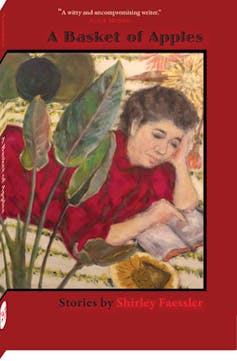
A woman on the cover of a book.
‘A Basket of Apples.’
(Now and Then Books)

On the back cover of A Basket of Apples (1988), Alice Munro proclaims Faessler “a witty and uncompromising writer.” Munro admired the nine stories in the collection, six of which return to the Glicksman family.

In a 2014 edition of the six Glicksman stories, linked via chronology and a consistent first-person female narrator, a cast of lively characters of the 1930s and 1940s speak to us across time through Yiddish-inflected English.

Readers will enjoy the rich diversity of Canadian Jewish experience reflected in the poetry of Waddington and the prose of Wiseman, Maynard, Weinzweig and Faessler. The work of these authors remain evocative and relevant — perfect for long winter evenings.The Conversation

Ruth Panofsky, Professor, Department of English, Ryerson University

This article is republished from The Conversation under a Creative Commons license. Read the original article.

Unknown's avatar

Teen summer reads: 5 novels to help cope with adversity and alienation


Shutterstock

Kate Douglas, Flinders University

This article is part of our three-part series on summer reads for young people after a very unique year.


2020 has been a particularly tough year for those approaching the latter years of high school.

Young people have witnessed large-scale economic insecurity and unstable education systems. Teenagers have reported high levels of stress and anxiety. But they have also demonstrated outstanding resilience and resolve in adapting to the “new normal”.

During COVID-19, cultural texts have become more important than ever — a place to turn to for knowledge, reflection, support and escape.


Read more:
How reading habits have changed during the COVID-19 lockdown


Reading can be therapeutic for young readers during difficult times. It offers something other media doesn’t — greater social and emotional benefits. It also does more to stimulate the imagination and creates a sense of moral achievement in readers.

With this in mind, here are some summer reading ideas for older teenagers. The texts I have chosen demonstrate how young characters have coped with trauma and uncertainty.

Research suggests young people are more likely to listen to their peers than their teachers when it comes to reading recommendations.

So, I spoke to my 18-year-old son and asked him to name five types of books he would like to read over the summer.

He suggested:

  • a classic book he’s always wanted to read but hasn’t
  • a book penned by a young author
  • a “throwback” young adult novel he has already read
  • an autobiography of someone who has overcome adversity
  • something provocative that was published this year.

Inevitably some of my selections meet more than one of his criteria.

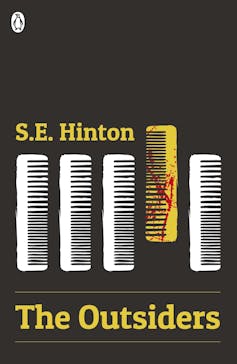
1. The classic: The Outsiders (1967)

by S.E. Hinton

The cover of S.E. Hinton's The Outsiders
The Outsiders is thought to be one of the first novels written specifically for young adults.
Penguin

The Outsiders is thought to be one of the first novels written specifically for young adults. The coming of age novel explores the class divide between the rival Greasers and Socs gangs in the American South in the mid-1960s.

The book’s challenging and emotive representations of inequality, violence, crises of conscience, and the powerful love of family and friends, make it an enduring standout for young readers. The first-person narration constructs intimacy between the reader and our protagonist, Ponyboy Curtis, as he approaches an increasingly uncertain future.

Hinton started the book at 15, finished it at 16, and it was published when she was 18. It is said she wrote the book because it was the sort of book she herself wanted to read.

In a year when many young people have experienced isolation and separation, Ponyboy’s wisdoms should resonate powerfully:

It seemed funny to me that the sunset she saw from her patio and the one I saw from the back steps was the same one. Maybe the two different worlds we lived in weren’t so different. We saw the same sunset.

2. Autobiography (memoir): Crazy Brave (2012)

by Joy Harjo

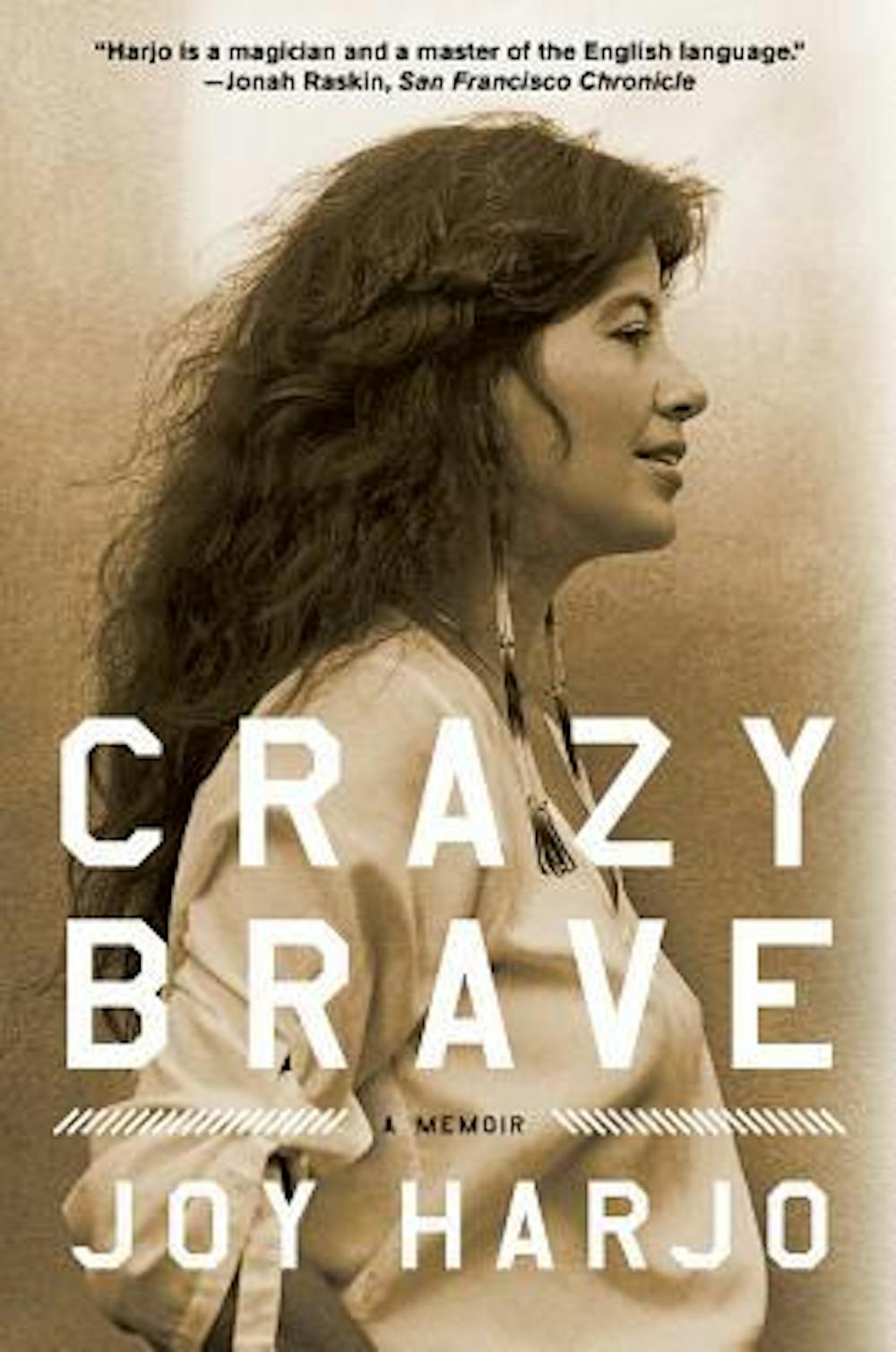
Cover of Crazy Brave: a memoir
Joy Harjo’s memoir is confronting and, at times, graphic.
W.W. Norton

Cherokee, Creek painter, musician and US Poet Laureate, Harjo wrote her memoir when she was 61.

Crazy Brave recalls her early life from birth to her early 20s. The story is abstract and non-linear in structure, making the memoir unpredictable, which destabilises the reader’s experience.

Harjo’s memoir is confronting and, at times, graphic. But her spiritual connections, and trust of her own “knowing” (instinct, or inner vision) will inspire readers keen to escape problematic right or wrong, or black and white perceptions of experience. As Harjo astutely observes:

In the end, we must each tend to our own gulfs of sadness, though others can assist us with kindness, food, good words, and music. Our human tendency is to fill these holes with distractions like shopping and fast romance, or with drugs and alcohol.

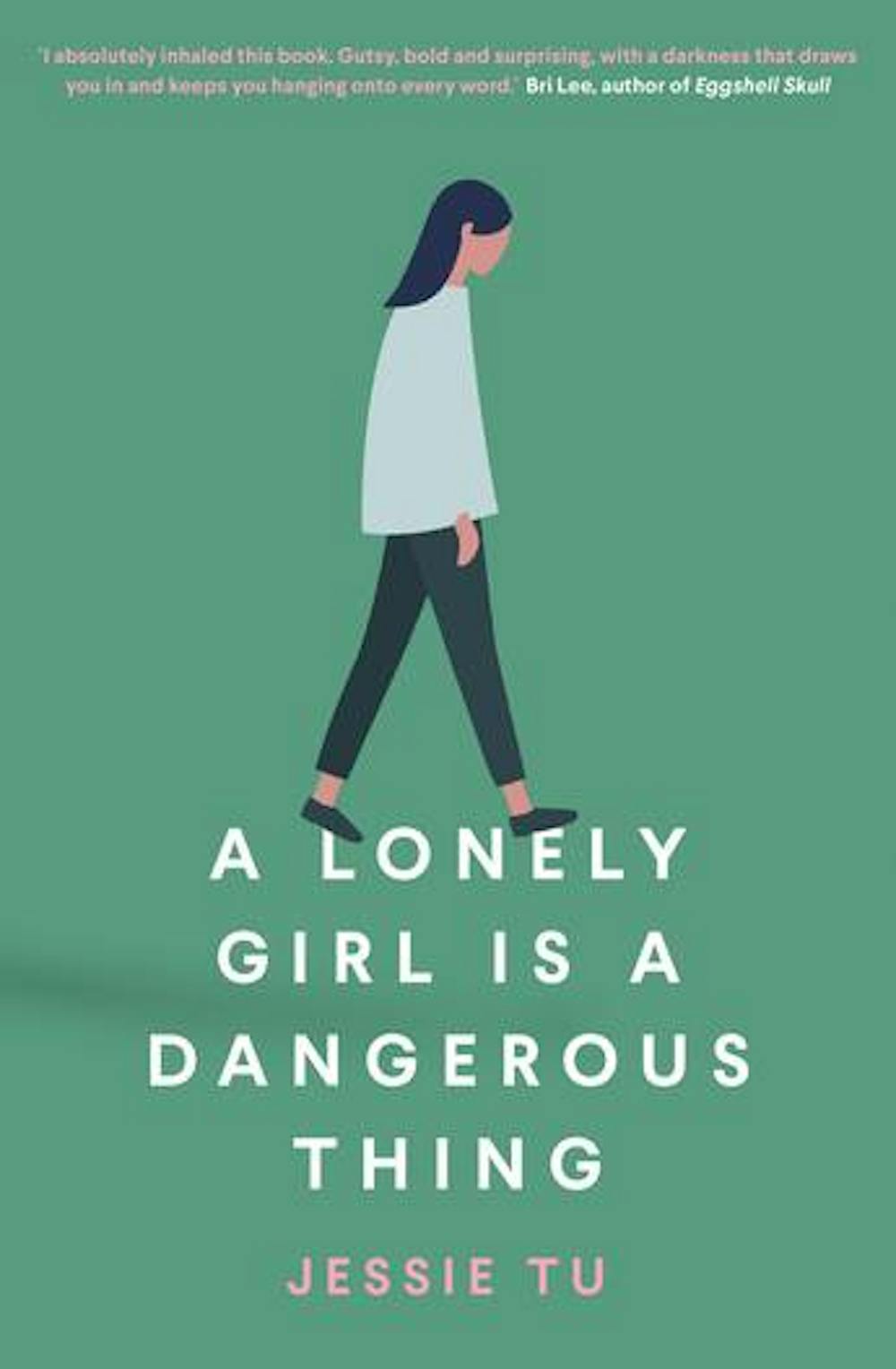
3. Young author: A Lonely Girl is a Dangerous Thing (2020)

by Jessie Tu

The cover of Jessie Tu's A Lonely Girl is a Dangerous Thing
This is not a fun read, but it is a timely one.
Allen & Unwin

28-year-old Tu’s debut novel presents 22-year-old violinist child prodigy Jena Chung. We follow Jena’s sense of alienation and detachment as she attempts to find meaning in the world.

Lonely Girl is not a fun read, but it is a timely one. We need to see more Asian-Australia women’s voices in literature because of the important provocations they make about race and misogyny in Australia. Tu wanted this novel to be a conversation starter and it certainly is.

Tu’s is a powerful intervention young readers will appreciate. It is a book about making bad choices while feeling so much pressure to be “good”:

I throw myself into things, expecting always to get what I want. And I always get what I want. Now it feels like I’ve failed all over again. Only this time there’s no motivation behind it. I’ve just failed myself, and it hurts in a strange, unfamiliar way. The wound is deeper than anything I’ve ever felt.

This novel contains graphic representations of sex. It is recommended for readers 17 and over.

4. Written in 2020: The Morbids (2020)

by Ewa Ramsey

The cover of Ewa Ramsey's, The Morbids
This is Newcastle-based author Ewa Ramsey’s debut novel.
Allen & Unwin

This is a wonderfully compassionate book about living with anxiety caused by our 20-something protagonist Caitlin’s fear of death. The Morbids explores the value of friendship and romance amid youthful fears and phobias.

Ramsey’s debut novel is a difficult read. The style of the novel (fragmented, sometimes repetitive language) attempts to bring the reader closer to the experience of mental illness. But the characterisations are warm and the moral is ultimately hopeful.

It’s a book about therapy and letting people in when it is the last thing you feel like you can do, because “Sometimes you need to give up on death … to have the time of your life”.

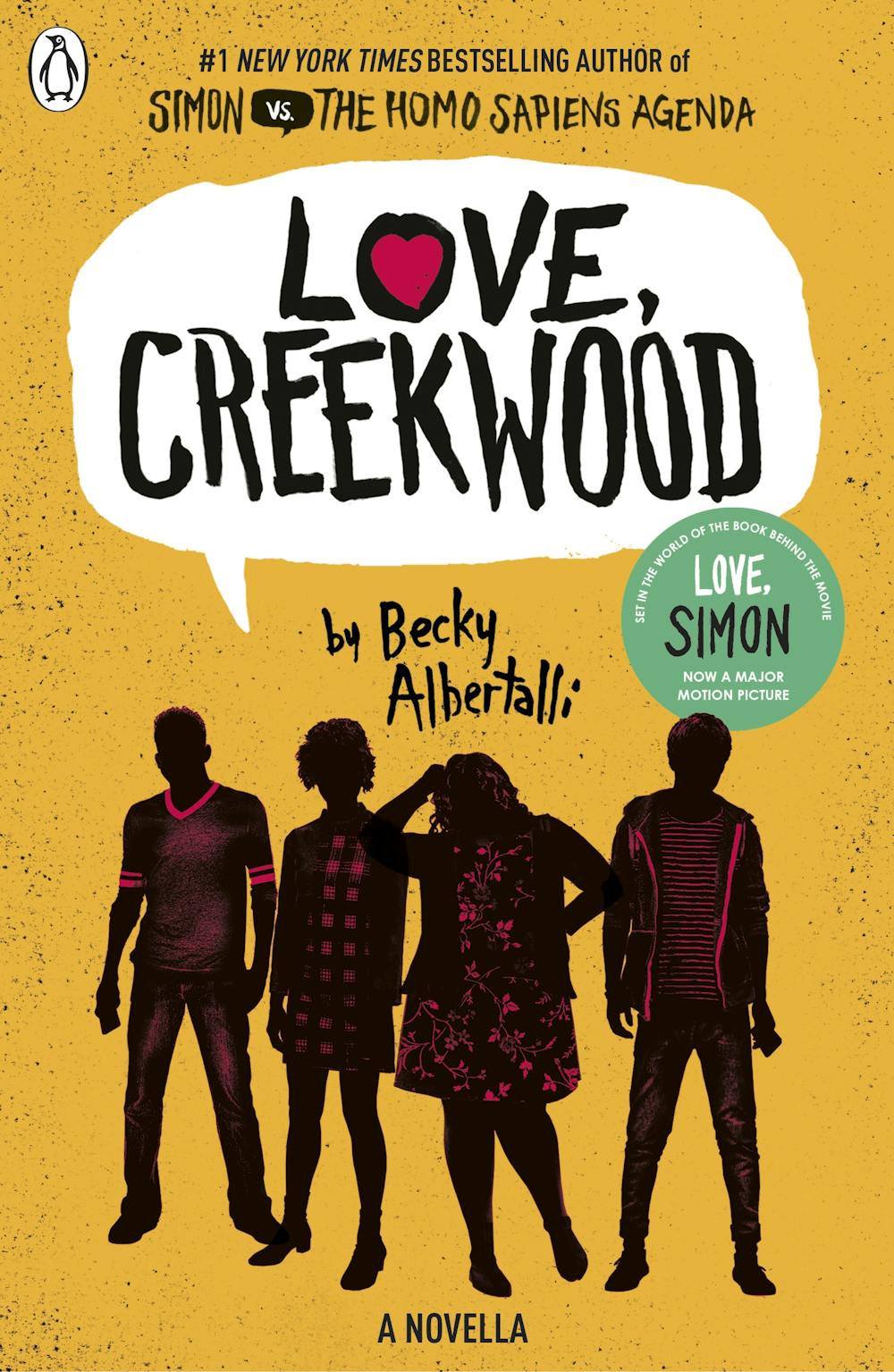
5. Throwback: Love, Creekwood (2020)

by Becky Albertalli

The cover of Becky Albertalli's, Love, Creekwood
Love, Creekwood is narrated via the characters’ emails to each other.
Penguin

Not exactly a throwback, but if you enjoyed Simon vs the Homosapiens Agenda as much as my teens and I did, here is the latest instalment of the Simonverse.

Love, Creekwood is a short epistolary romance novella (the story is narrated via the characters’ emails to each other). It is “part 3.5” in the series and functions as an epilogue.

Love, Creekwood follows the characters to college and we follow the progression of two same-sex relationships. The book explores the challenges of being too close and too far away from a partner. It explores the mental health struggles often triggered by loneliness and fear.

Love, Creekwood is a light-hearted but genuine representation of what the first year of university can feel like.

As Simon explains:

When we say we want to freeze time, what we mean is that we want to control our memories. We want to choose which moments we’ll keep forever. We want to guarantee the best ones won’t slip away from us somehow. So when something beautiful happens, there’s this impulse to press pause and save the game. We want to make sure we can find our way back to that moment.

Albertalli is donating all proceeds from the sale of this novella to The Trevor Project, an organisation committed to crisis and suicide prevention for LGBTQIA youth.


Read more:
Teen summer reads: how to escape to another world after a year stuck in this one


The author would like to thank to Katerina Bryant, Kylie Cardell, Joshua Douglas-Spencer and Emma Maguire for sharing ideas for this article.The Conversation

Kate Douglas, Professor, Flinders University

This article is republished from The Conversation under a Creative Commons license. Read the original article.
Unknown's avatar

Teen summer reads: how to escape to another world after a year stuck in this one


Shutterstock

Troy Potter, University of Melbourne

This article is part of three-part series on summer reads for young people after a very unique year.


As this tumultuous year comes to a close, the Australian summer is an ideal time to relax and escape through reading.

Like many people, Australian teenagers have experienced higher rates of psychological distress this year as a result of the COVID pandemic. Reading is one way for teens to remove themselves, if only temporarily, from their current stresses.

As fantasy writer Neil Gaiman said:

Books make great gifts because they have whole worlds inside of them.

Young adult novels also present alternative ways of being and resolving crises. This is because a defining characteristic of young adult books relates to power. In novels for young adults, teen protagonists learn how to use their power to navigate social situations, whether in families, schools, their community or, indeed, other worlds.

In this way, young adult literature can be considered both a form of escapism and empowerment.

According to Teen Reading in the Digital Era — a study conducted by Deakin University — teenagers have diverse reading preferences. The study identified five of these: fantasy, contemporary realist fiction, science fiction, autobiography or biography, and action or adventure.

With this in mind, here are some recommendations for your teen’s summer reading to help them both escape and, hopefully, re-empower themselves.

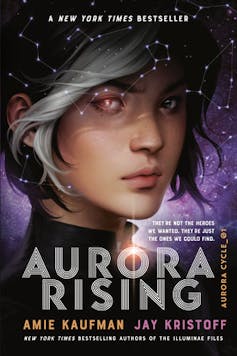
Aurora has woken up in the year 2380.
Penguin Random House

The Aurora Cycle

by Amie Kaufman and Jay Kristoff

Teenagers who feel they’re finally emerging from a tough year of restrictions may empathise with Aurora Jie-Lin O’Malley, who has woken up from a 200-year cryosleep (where your body is cooled down and preserved in liquid nitrogen) to find herself in the year 2380.

Aurora secretly joins a group of graduating cadets on their first mission. What should be a simple cargo run ends up being a cat-and-mouse chase across the galaxy. In trying to find her place in a new universe, Aurora and the cadets uncover an ancient alien species who has spent millions of years preparing to take over the galaxy.

Told from the perspective of each of the seven teenage protagonists, the Aurora Cycle is a new action science-fiction series. It currently comprises the books Aurora Rising (2019) and Aurora Burning (2020).

Other intergalactic action-adventure sci-fi books teenagers may enjoy include A Confusion of Princes (2012) by Garth Nix, Mindcull (2019) by K. H. Canobi, and Kaufman and Kristoff’s earlier series, The Illuminae Files (2015–2016).

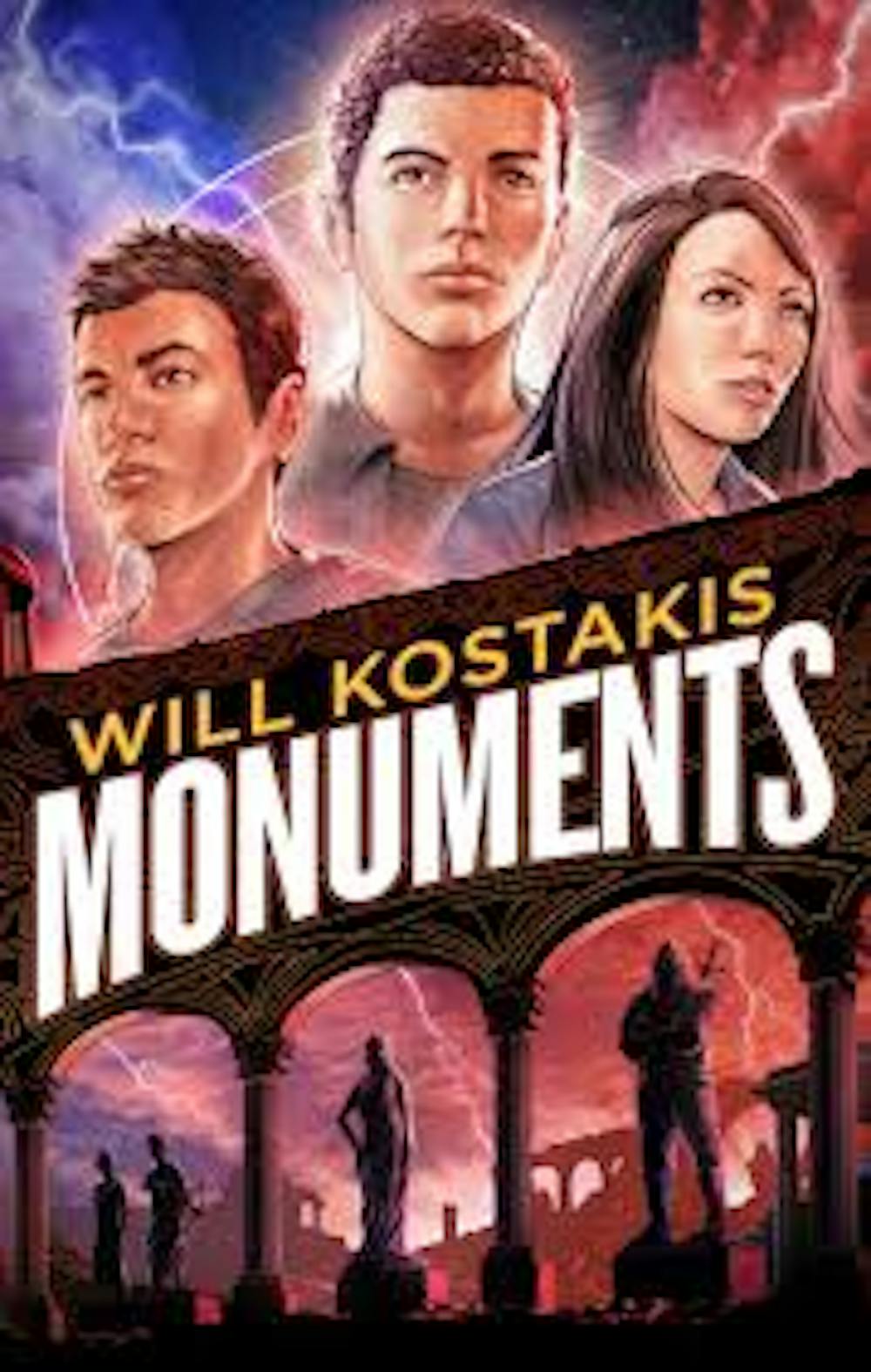
Monuments is a duology.
Hachette

Monuments (2019) and Rebel Gods (2020)

by Will Kostakis

A scavenger hunt for buried gods may be just the thing teenagers need to get their minds moving. In this urban fantasy duology, Connor learns about the Monuments — powerful gods who have hidden themselves to protect humanity.

Joined by Sarah and Locky, Connor searches across contemporary Sydney, trying to uncover the gods. However, despite their awesome powers, the Monuments need protecting, too. The problem is Connor doesn’t know who he can trust with the knowledge and power of the gods.

This is author Will Kostakis’ first foray into the fantastical.

Other fantasy novels for teenagers to get lost in include the bewitching The Last Balfour (2019) by Cait Duggan; Four Dead Queens (2019) — a murder mystery by by Astrid Scholte; and the Old Kingdom series (1995–2016) by Garth Nix.

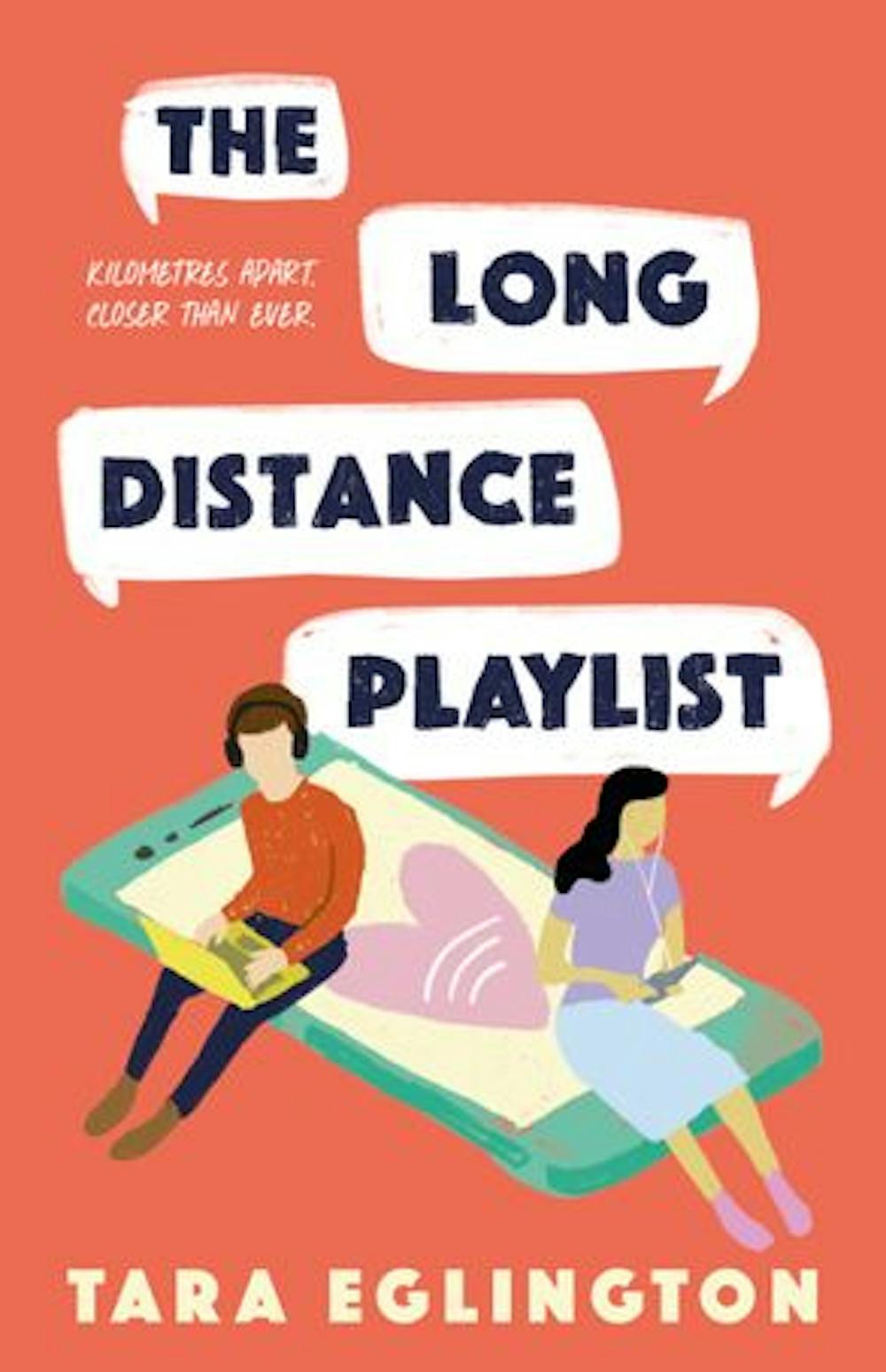
This novel is mainly made up of instant messenger conversations.
Harper Collins

The Long Distance Playlist (2020)

by Tara Eglington

Having spent more time on a screen this year than before, what better way for teenagers to re-engage with novels than to read one that’s written in instant messenger, text, emails, prose and playlists?

Eglington’s fourth young adult novel centres on teenagers Taylor and Isolde, who live in Wanaka (New Zealand) and Sydney, respectively. Friends since childhood, the two reconnect across the Tasman after an 18-month long fight.

As they exchange cross-country messages over the course of the year, they help support each other through their ordeals and, in doing so, realise relationships can develop over distances.

Two more realist young adult novels in which teenagers connect with others include 19 Love Songs (2020) by David Levithan and It Sounded Better in My Head (2019) by Nina Kenwood.

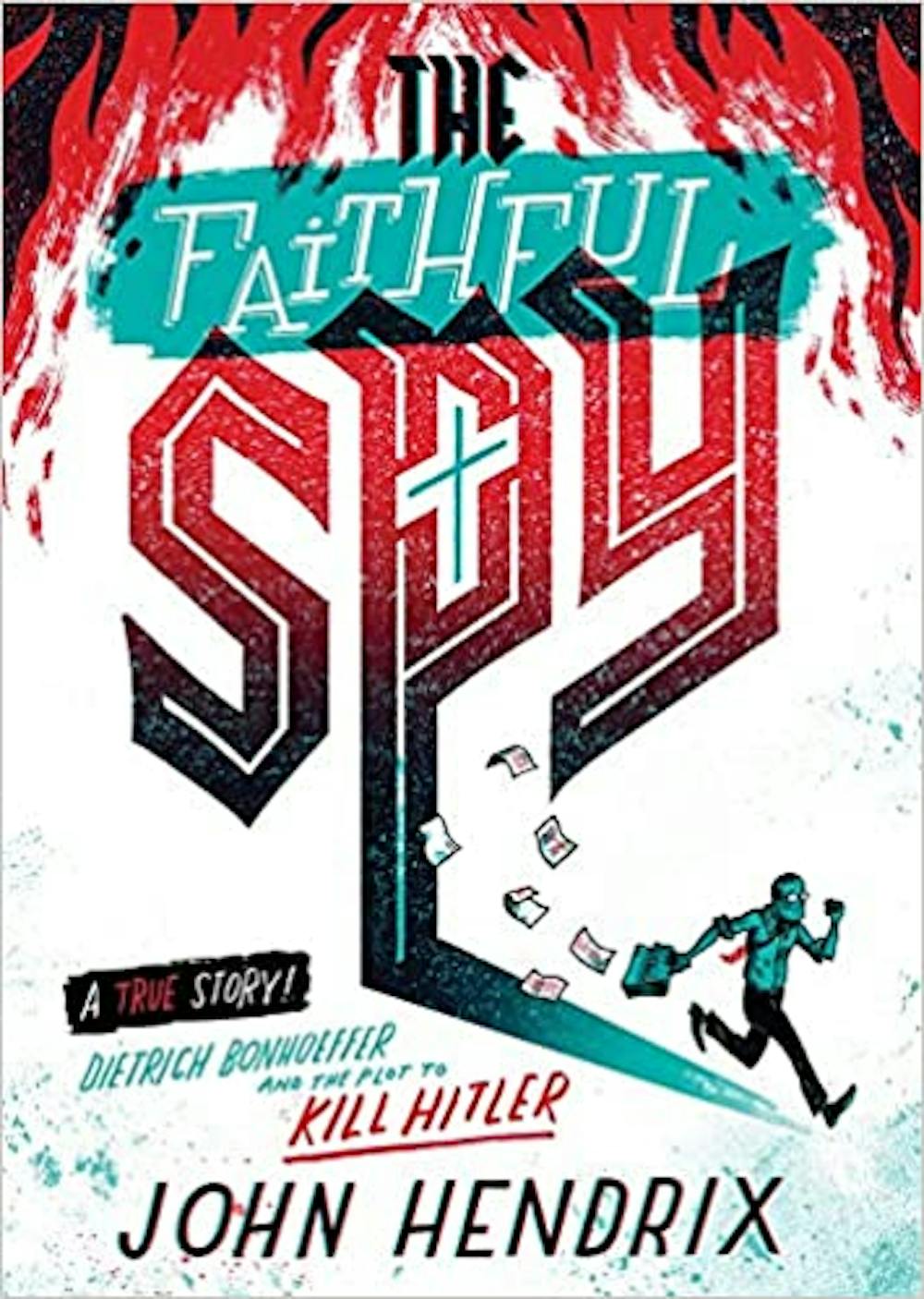
This graphic novel is a biography of a man who fought against Nazi oppression.
John Hendrix

The Faithful Spy: Dietrich Bonhoeffer and the Plot to Kill Hitler (2018)

by John Hendrix

Teenagers who prefer to read about the lives of others may be interested in this graphic biography. It tells the story of Dietrich Bonhoeffer, a German theologian who resisted the Nazi regime and was associated with the plot to kill Hitler.

Using a red-black-teal colour scheme, the mixture of text and illustration details Bonhoeffer’s life and outlines the larger historical context of Hitler’s rise to power and the second world war. Cited material is asterisked, and a select bibliography and limited notes are included.

A graphic autobiography (about a girl growing up during the Iranian Revolution) teenagers may also enjoy is Persepolis (2000) by Marjane Satrapi.


Read more:
5 Australian books that can help young people understand their place in the world


For other lists of recommended young adult novels, check out the CBCA’s notables or Inside a Dog, a website for teens to share reviews, recommendations and their own creative writing.The Conversation

Troy Potter, Lecturer, The University of Melbourne, University of Melbourne

This article is republished from The Conversation under a Creative Commons license. Read the original article.
Unknown's avatar

Onyx Book Nova 3 Review


The link below is to a review of the Onyx Book Nova 3 ebook reader.

For more visit:
https://goodereader.com/blog/reviews/onyx-boox-nova-3-review

Unknown's avatar

The Book Cover


The link below is to an article that considers the book cover.

For more visit:
https://lithub.com/what-a-book-cover-can-do/

Unknown's avatar

The Bookplate?


The link below is to an article that takes a look at the bookplate.

For more visit:
https://blog.bookstellyouwhy.com/what-is-a-bookplate

Unknown's avatar

Our Brains and Audiobooks


The link below is to an article that takes a look at our brains and audiobooks.

For more visit:
https://bookriot.com/the-neuroscience-of-audiobooks/

Unknown's avatar

2020 Oxford Dictionary’s Word of the Year


The links below are to articles reporting on Oxford Dictionary’s Word of the Year for 2020 – actually, there are more than one.

For more visit:
https://lithub.com/oxfords-official-word-of-2020-is-well-its-a-lot-of-words/
https://www.theguardian.com/books/2020/nov/23/oed-says-2020-too-many-potential-words-of-the-year-to-name-just-one-oxford-english-dictionary

Unknown's avatar

Writing Tips from Margaret Atwood


The link below is to an article that looks at writing tips from Margaret Atwood.

For more visit:
https://writingcooperative.com/margaret-atwoods-top-13-writing-tips-a6530863fa6a

Unknown's avatar

2020 Costa Book Awards Shortlists


The links below are to articles reporting on the shortlists for the 2020 Costa Book Awards.

For more visit:
https://www.theguardian.com/books/2020/nov/24/costa-book-awards-susanna-clarke-nominated-for-second-novel-after-16-year-wait
https://publishingperspectives.com/2020/11/the-costa-book-awards-announce-their-2020-shortlists-covid19/
https://lithub.com/here-is-the-shortlist-for-the-2020-costa-book-awards/