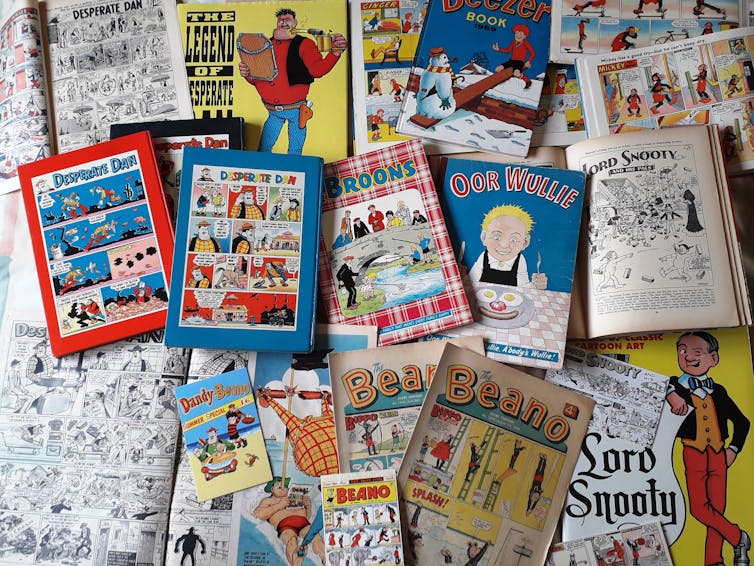
You may not be familiar with the name Dudley Dexter Watkins, but chances are you will recognise his art. Half a century after his death, the work of the talented British comic strip artist and illustrator is as well known, and as much loved, as it has ever been. Characters such as Desperate Dan, who Watkins illustrated for The Dandy comic, and Lord Snooty for The Beano, have remained favourites for many years, their silly antics and predicaments now kept alive by other artists.
This summer, a trail of outdoor statues has been placed across Scotland featuring one of Watkins’ most popular creations, Oor Wullie, who appeared alongside The Broons in The Sunday Post newspaper from 1936 until Watkins’ death in 1969.
Born the son of a lithograph artist in Greater Manchester in 1907, Watkins was just a few months old when his family moved to Nottingham. It was there that his artistic talents were first recognised. Encouraged by his father, Watkins took up a place at Nottingham School of Art. His first opportunity to see his drawings in print came soon after. The chemist Boots, where Watkins worked in the window display department, published his cartoons and illustrations in staff magazine The Beacon.
By 1925, Watkins had moved to Scotland where his work caught the eye of publishing house D.C. Thomson. Aged just 18, he joined the Dundee-based company, an employment that would last more than 40 years. During this time, Watkins created some of Britain’s most iconic comic characters.
In his first decade with Thomson, Watkins worked on a group of boys’ weekly action papers known as “The Big Five” – Adventure, The Rover, The Wizard, The Skipper and The Hotspur. These publications experimented with the comic strip format and focused on sport, school and war adventure stories. Watkins produced many of the front covers for The Big Five, and contributed comic strips to small format supplements that accompanied The Rover and The Skipper.
In 1936, when Thomson produced a supplement to The Sunday Post named The Fun Section, the spikey-haired, dungaree-clad Oor Wullie and the close-knit working-class Broons family were born. Written in Scots dialect, the capers of these characters, drawn weekly by Watkins for more than three decades, still feature in the newspaper today.
The look of these characters has changed little since their first appearance. It is this sense of regularity and reassurance that still arouses nostalgia in generations of readers, fuelled by an inexhaustible range of associated books, clothing and other merchandise.
Spurred on by the success of The Fun Section, Thomson released two new comics for boys and girls: The Dandy in December 1937 and The Beano in July 1938. These launches brought into being some of Watkins’ most recognisable characters including Desperate Dan, Lord Snooty and Biffo the Bear.
Based on an idea by editor Albert Barnes, cow-pie-eating Desperate Dan, one of Watkins’ most enduring creations, debuted in the first issue of The Dandy. In the black-and-white half-page strip, Dan is seen purchasing a horse that promptly collapses under the cowboy’s considerable weight. Watkins apparently based Dan’s super-sized square-jaw on Barnes’s own chin, and Dan’s exaggerated toughness – he shaves with a blowtorch and shoots a bullet through his hair to part it – personified the robust humour of The Dandy.
Watkins’ peers acknowledged his rare talent. He was said to draw at lightning speed, effortlessly encapsulating the wit and wonder of his distinctive comic characters. Such was the importance of Watkins’ work, he was exempted from active military service during World War II and instead served as a war reserve constable in Fife. In 1946, Watkins began signing and initialling his published work, a privilege afforded to only a few comic strip artists in those days (it also ensured his loyalty to Thomson following attempts by a rival publisher to lure him away from Dundee).
Wartime paper shortages forced The Dandy and The Beano into a fortnightly publishing schedule, but by the 1950s not only had Thomson returned to weekly editions of these comics, it had launched two other, tabloid-style, publications – The Topper and The Beezer. Watkins was tasked with illustrating the front cover characters, introducing Mickey the Monkey and Ginger to a new generation of humour comic fans.
A prolific artist, Watkins’ output extended beyond his Thomson portfolio. Inspired by his Christian faith, he often led Bible discussions and delivered illustrated talks on religious themes to children at the Church of Christ in Dundee. In his spare time, he also drew strip cartoons for Young Warrior, a children’s paper published by the Worldwide Evangelisation Crusade.
Watkins died at his drawing desk in 1969, aged 62. His artwork, particularly his early strips in comics and annuals, have become increasingly collectable, connecting with current trends for childhood nostalgia. While many fans still display the same affection for Watkins’ characters that they felt as children, the way in which we experience comic strip art alters as we grow up. While as children we simply loved how the drawings captured tongue-in-cheek humour, as adults we are able to view with a more mature appreciation the creative endeavour gone into producing them.
Watkins’ work, and his dedication to it, is still highly impressive. Considered a quiet, pious man during his lifetime, Watkins’ lasting fame rests on the high-quality comic artwork and illustrations to which he devoted so much of his life.
You might picture a book club around your neighbour’s coffee table, or over beers at the local pub – but what if it took place in Parliament House?
This is the question being asked by Books Create Australia as they open up nominations for their inaugural parliamentary book club. Anyone can nominate an Australian book written in the last five years to their MP or senator, and one book will be picked for all participating representatives to read.
From fiction to essays to poetry, we asked our experts for their recommendations.
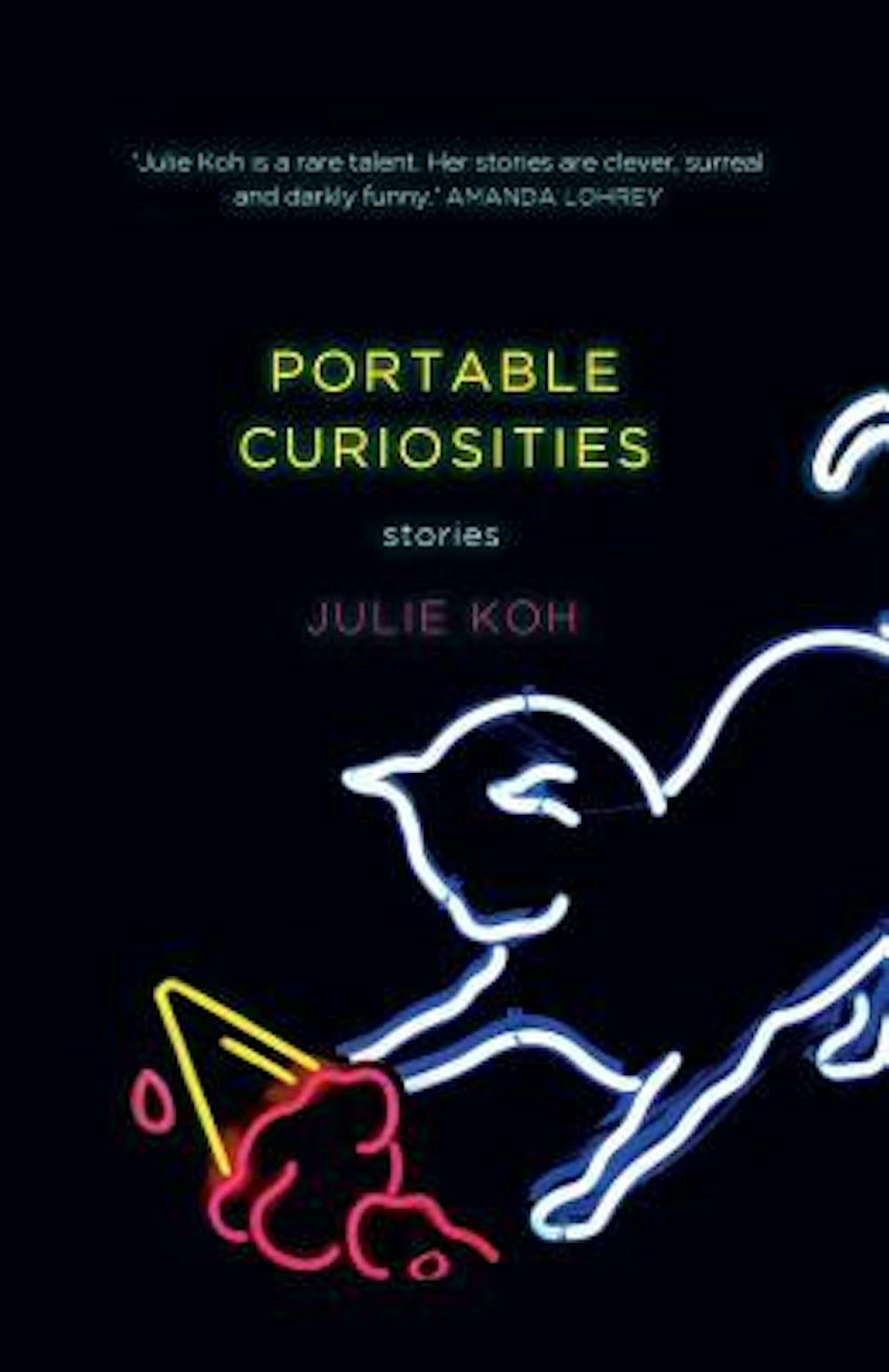
Portable Curiosities
For this crowd, I’d recommend Julie Koh’s Portable Curiosities (UQP, 2016). It’s a sharp and funny collection of stories that expanded my sense of what it is to be Australian. On the assumption that parliamentarians skew demographically to my (Anglo, male, privileged, economically secure) demographic, they too deserve a bit of satirical poking with Koh’s delicate and sharp instruments.
What would it be like to be a young, poor, bright woman born of Asian immigrants in our wealthy but extremely expensive cities? Many thousands are living exactly that, and millions are living parts of it. Koh provides a dark yet joyous window on that world. It wouldn’t do our representatives any harm to look through it for a bit.
Recommended for: our Anglo, male parliamentarians.
-Robert Phiddian, English Professor
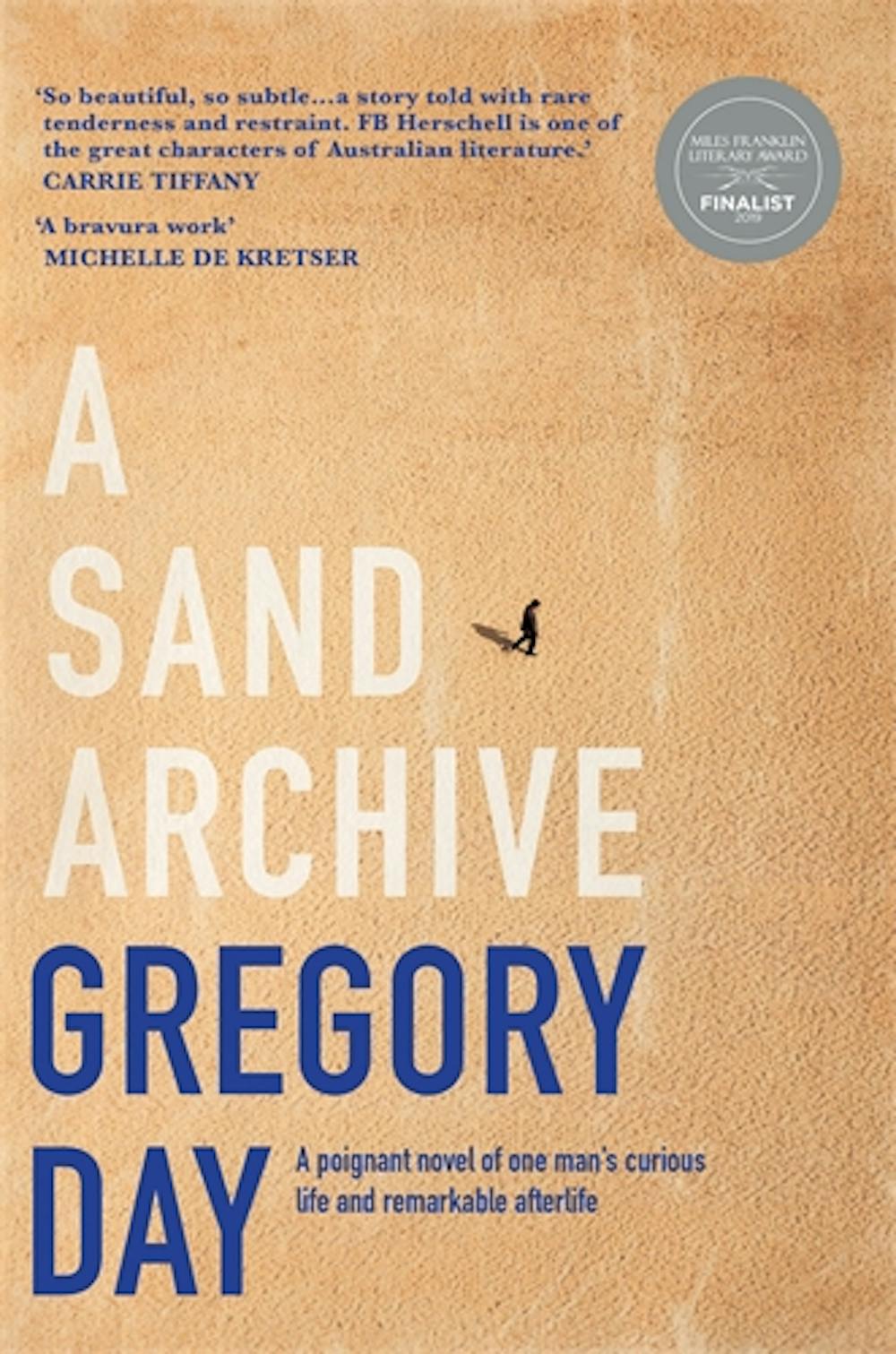
A Sand Archive
Gregory Day’s A Sand Archive (Pan Macmillan Australia, 2018) deals with perhaps the most crucial issue we face – environmental management – in lyrical mode. FB Herschell is an engineer concerned about how to maintain the Great South Road against the constant shifting of the sands on which they are built.
He selects marram grass to stabilise the dunes, but further research reveals that marram, an introduced species, harms the dunes, seabirds, and native plants. His appeals to reverse this, and all his evidence, fail to shift the local council, but the writings he leaves put on record the value of the environment, and the capacity of scientific investigation to help it heal.
Recommended for: Minister for the Environment Sussan Ley
–Jen Webb, Director of the Centre for Creative and Cultural Research
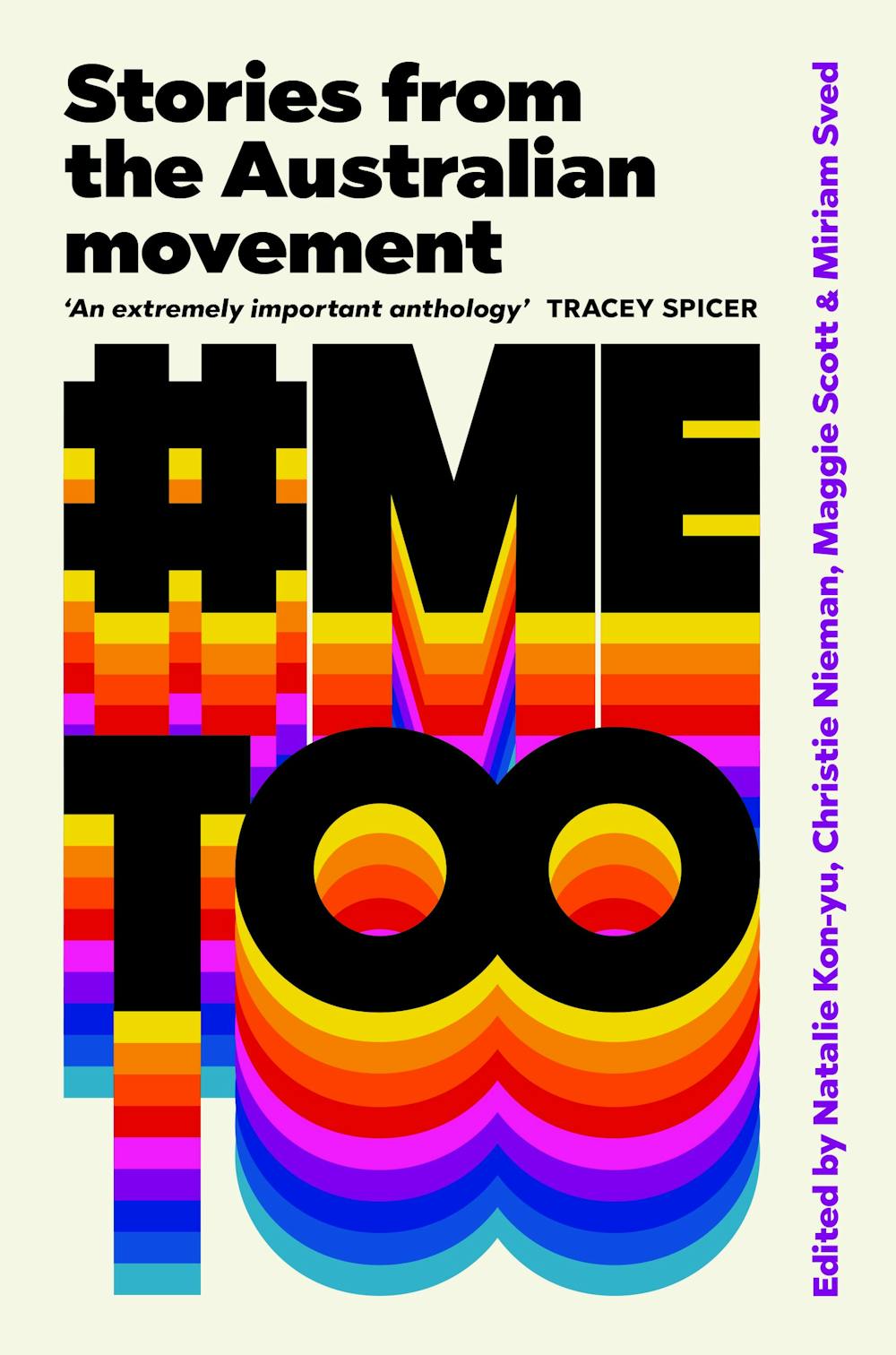
#MeToo: Stories from the Australian movement
Given the fact violence towards women is a national crisis, I would recommend #Me Too: Stories from the Australian movement (Pan Macmillan Australia, 2019), an anthology I co-edited. This book gives an overview of the problem of violence towards women and non-binary people in Australia. Through a myriad of different and diverse voices it points to the insidiousness of sexual violence and traces the roots of this problem to the everyday sexism which still permeates Australian culture. The book also offers ideas about how we might find a way through this crisis and into a more equitable and safer Australia.
Recommended for: Prime Minister Scott Morrison
–Natalie Kon-yu, Lecturer in Literature and Gender Studies
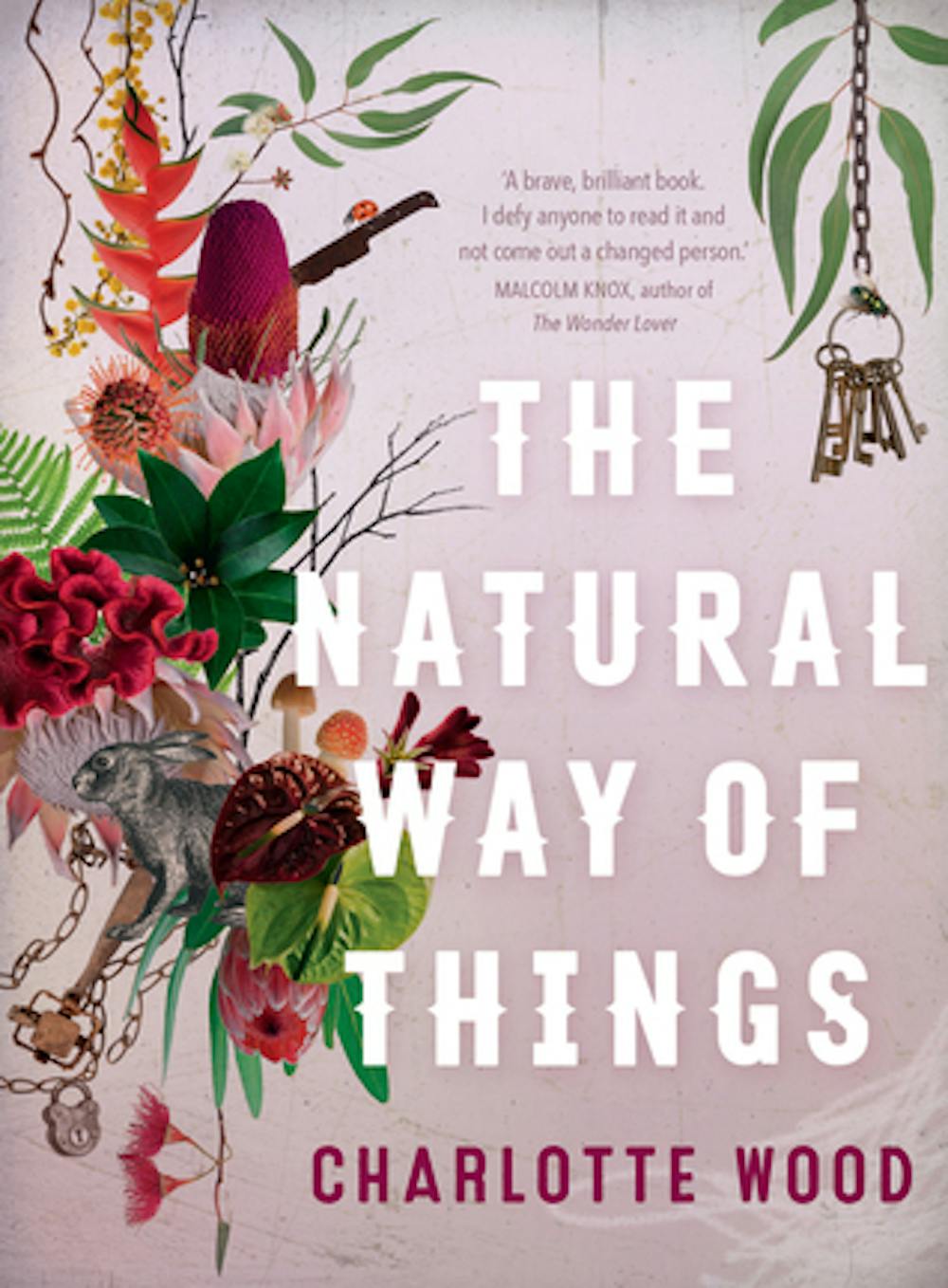
The Natural Way of Things
In Charlotte Wood’s The Natural Way of Things (Allan & Unwin, 2015), women who accuse men of sexual harassment or are themselves accused of illicit or improper sexuality are imprisoned and isolated in an outback prison. It’s like an Australian version of Margaret Atwood’s The Handmaid’s Tale.
Because it reads like a dystopian fantasy, it might be easy to dismiss the novel as “unrealistic”. But it is ruthless in its analysis of the way contemporary news media and gossip cycles still demonise and sexualise women. The novel explores the very different ways women resist or accommodate to their treatment; but it is really about the structures of patriarchy, influential far beyond the confines of the nuclear heterosexual family.
Recommended for: any male politician who says he is sympathetic to women because he is married to one or has daughters.
–Stephanie Trigg, English Literature Professor
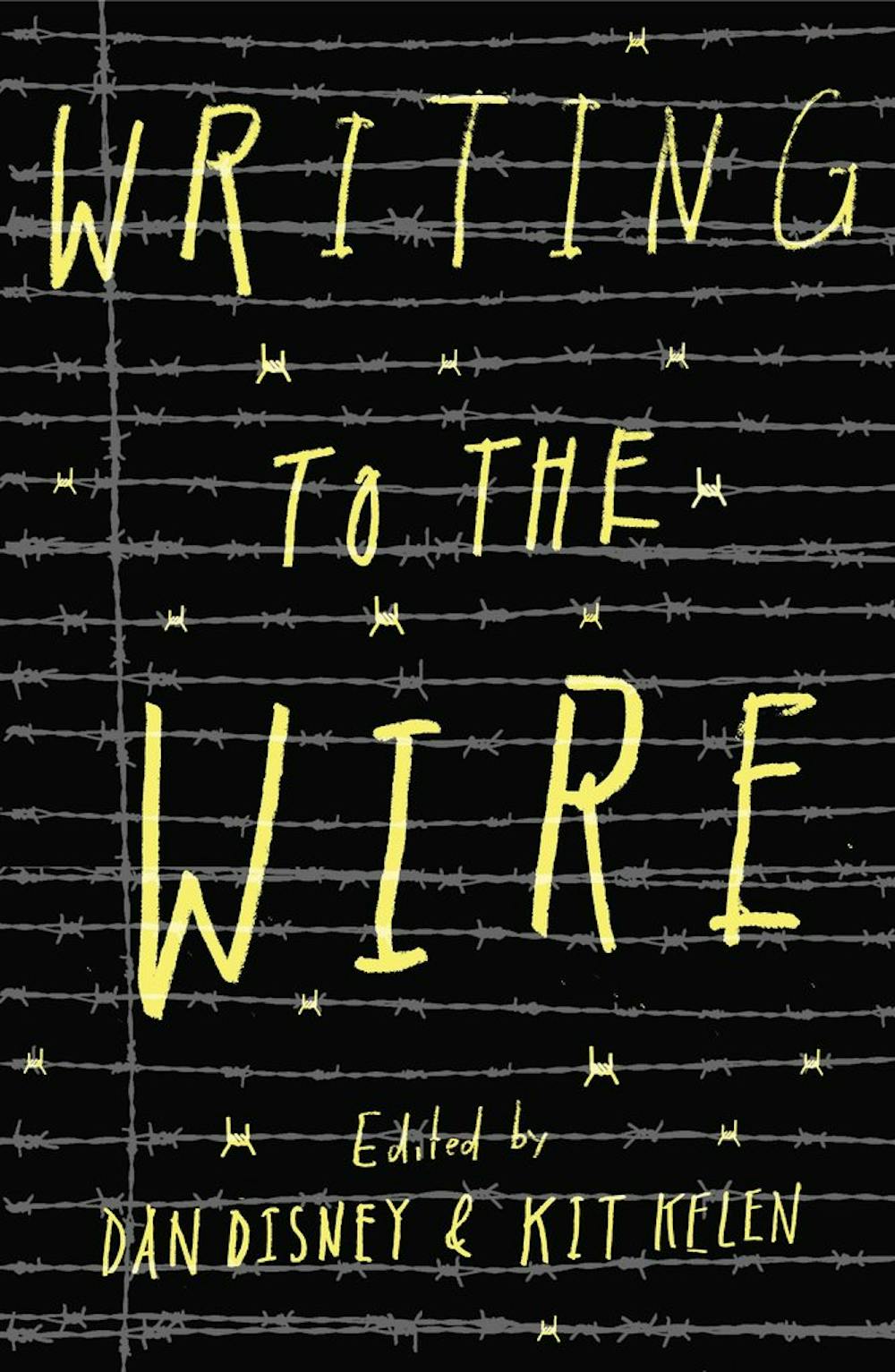
Writing to the Wire
I must acknowledge a possible conflict of interest here by noting that I have a poem in this anthology, but Writing to the Wire (UWA Publishing, 2019) is an extraordinarily powerful collection of poems by and about maritime asylum seekers. The anthology includes poems by senior and emerging Australian poets, and work by those who “would like to be Australians”, as the book’s blurb puts it. As the editors write in their introduction, Writing to the Wire is a little like “bashing your head against a brick wall [but also] very much a book of hope”.
Three years later, the editors and the contributors to this anthology — not to mention those indefinitely detained by the Australian government — are still hoping.
Recommended for: the whole parliament.
-David McCooey, Writing and Literature Professor
Hearing Maud: A Journey for a Voice
Hearing Maud (UWA Publishing, 2019) by Jessica White is a beautifully told story about two people living nearly one hundred years apart, and their experience of deafness. The first is the author herself, Jessica White, who suffered significant and permanent hearing loss following an illness at the age of four. The other is Maud Praed, the daughter of the Australian writer Rosa Praed (1851-1935). Jessica looks into the life of this forgotten daughter of a largely forgotten writer and finds haunting parallels with her own situation. The story is an insider’s account of hearing impairment but, more than this, reminds everyone — not least legislators and policy makers — that what we call disability has an interior life.
Recommended for: Minister for Families and Social Services Anne Ruston and the Minister for the National Disability Insurance Scheme Stuart Robert
–Tony Hughes-D’aeth, English and Cultural Studies Professor
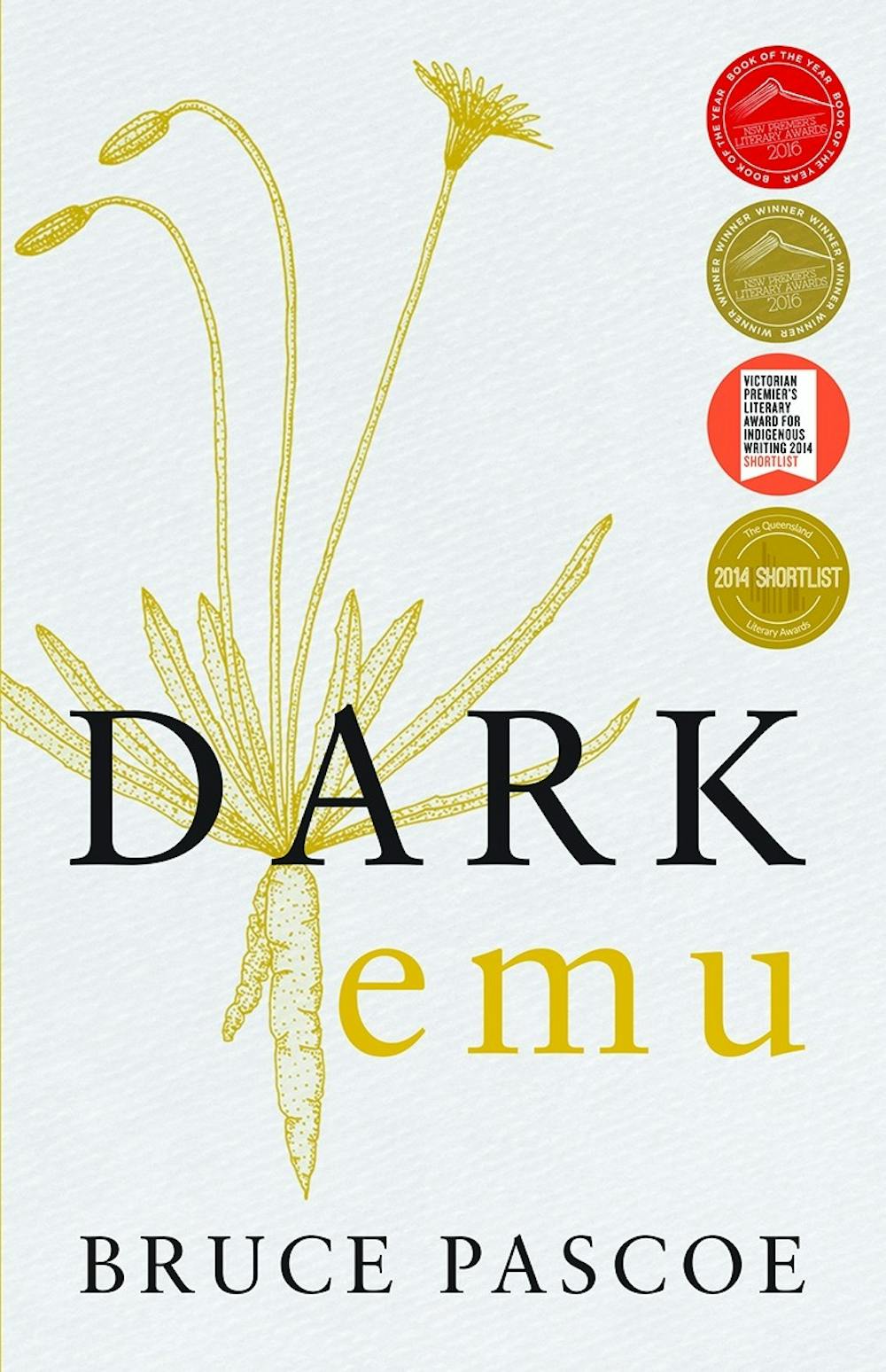
Dark Emu
In Dark Emu (Magabala Books, 2014), Bruce Pascoe amasses a cogent case that Indigenous Australians farmed their land, lived in villages, built houses, harvested cereals and built complex aquaculture systems – and how settler Australians wilfully misunderstood this.
Occupying the western Sydney fringe, Ed Husic’s electorate of Chifley has the rare distinction of a border that follows an important waterway (South Creek) and contains significant colonial-Darug contact sites. Western Sydney is home today to Australia’s largest Aboriginal population; the Aboriginal Land Council is the largest non-government land holder; and some 46 Indigenous organisations are working to sustain their community.
Recommended for: Ed Husic, MP for Chifley
–Heidi Norman, Social and Political Sciences Professor
hope for whole: poets speak up to Adani
It’s hard to go past The Swan Book (Alexis Wright) for its testimony regarding the climate crisis and the NT intervention, and Jess Hill’s new book See What You Made Me Do on the endemic of domestic abuse. But I’m settling on hope for whole: poets speak up to Adani (Plumwood Mountain, 2018) featuring many of Australia’s finest poets. Anne Elvey and Plumwood Journal: An Australian Journal of Ecopoetry and Ecopoetics hosted Poets Speak up to Adani Day of Action in 2017, an event during which poets poemed protests at Adani for 12 hours. The resulting anthology is even more pertinent post-Federal election, and the recent diplomacy fail in Tuvalu.
Recommended for: all parliamentarians who support the mine or seem soft on climate action.
–Meera Atkinson, Creative Writing Lecturer
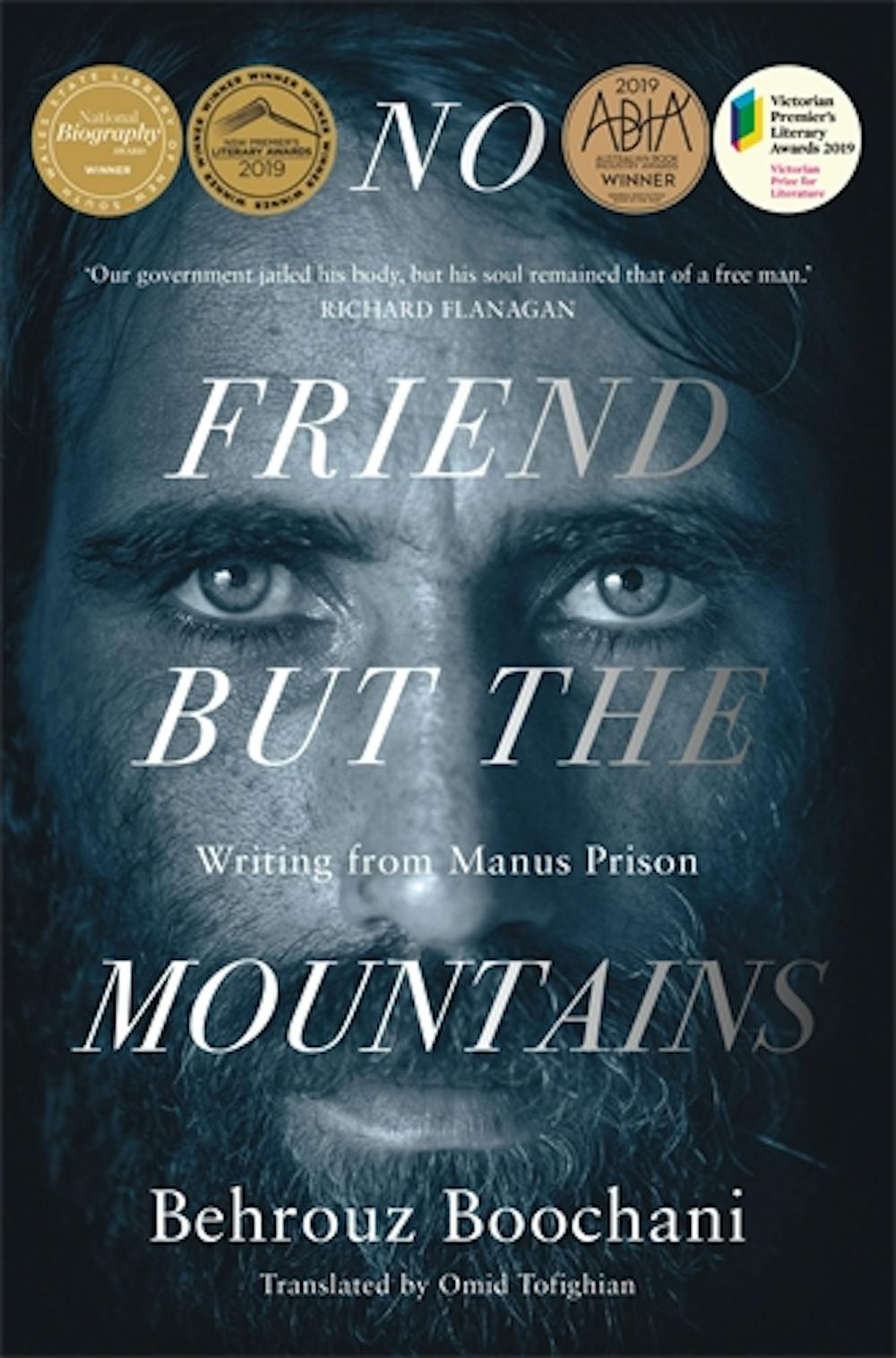
No Friend But the Mountains: Writing from Manus Prison
Reading expands our capacity for empathy. It forces us to exercise our ethical imagination by putting ourselves into somebody else’s situation; particularly somebody who may be unlike us in the way they think, speak, or feel, or in the situations that they face. No Friend But the Mountains (Pan Macmillan Australia, 2018), Behrouz Boochani’s work of prose poetry, sent out in text messages from Manus Island, bears witness to death, torture and traumatic deprivation. It asks its reader not to treat the fresh hell it narrates as an anomaly but to understand “Manus Prison” as part of a system of oppression and injustice that is far larger, and ongoing. But to learn from Boochani’s text, the reader must give themselves to the work, and read with generosity.
These values may be of assistance to all members of the parliamentary book club.





 At the BookShelf
You must be logged in to post a comment.